Vancouver: British Columbia’s Pacific Gateway and Industrial Harbour
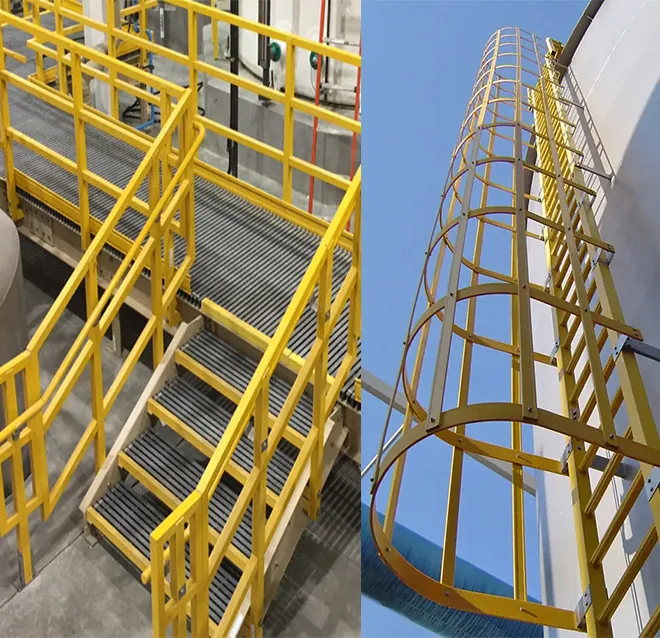
The Port of Vancouver is Canada’s busiest gateway for trans-Pacific container traffic and the most common first point of entry for goods arriving from China. The surrounding Metro Vancouver and Lower Mainland region combines deep-sea terminals, rail yards, shipyards, pulp and paper facilities, fish-processing plants, municipal water infrastructure and a large base of structural steel and fiberglass fabricators. For owners and engineers in this coastal corridor, FRP grating offers a lightweight, non-conductive and corrosion-resistant alternative to steel and aluminium walkways that will not rust in salt-laden air.
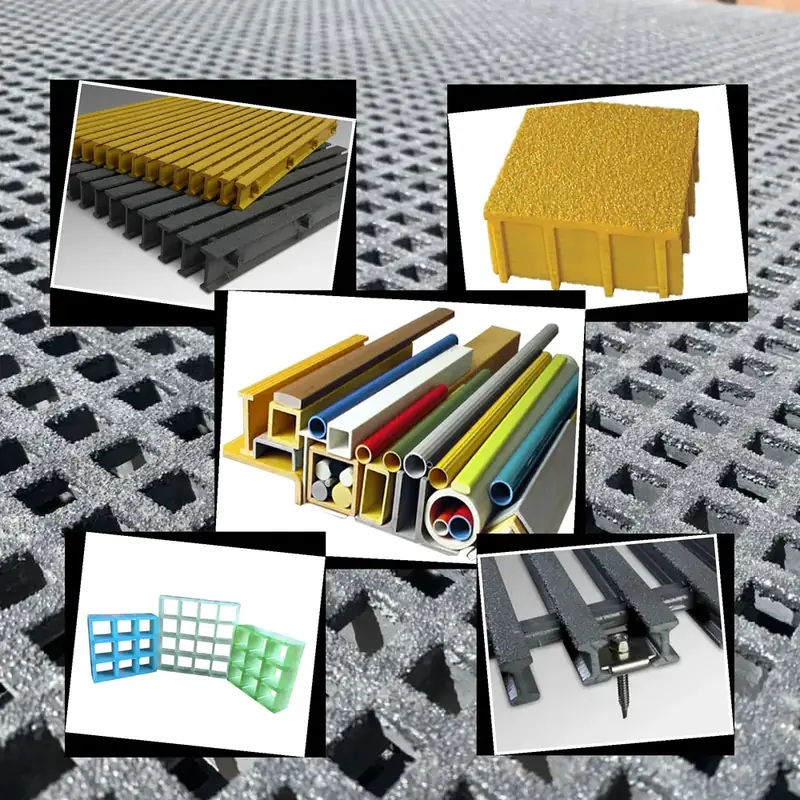
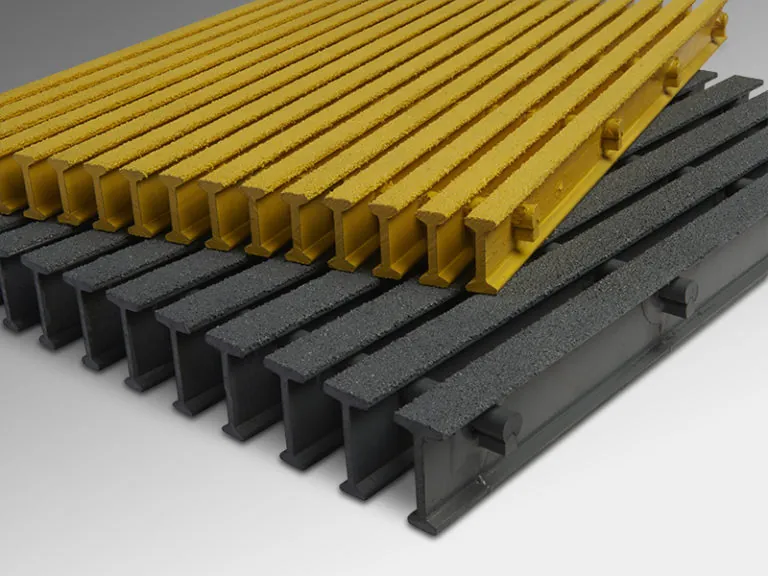
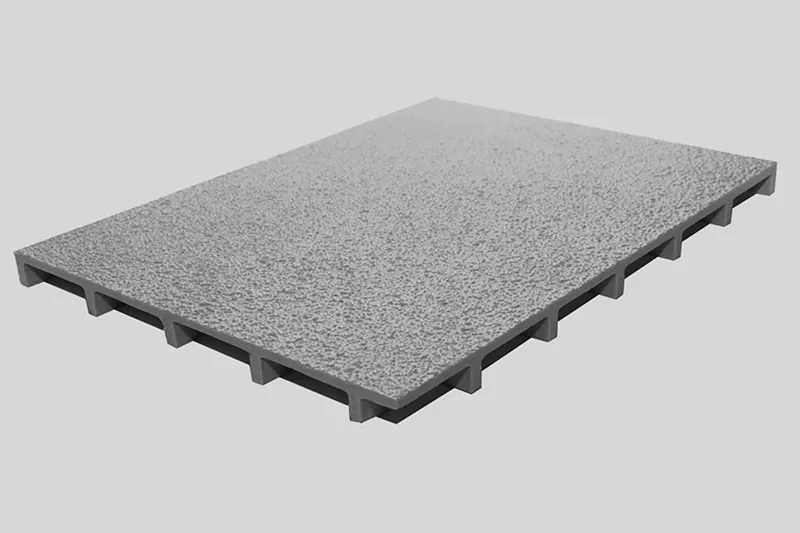
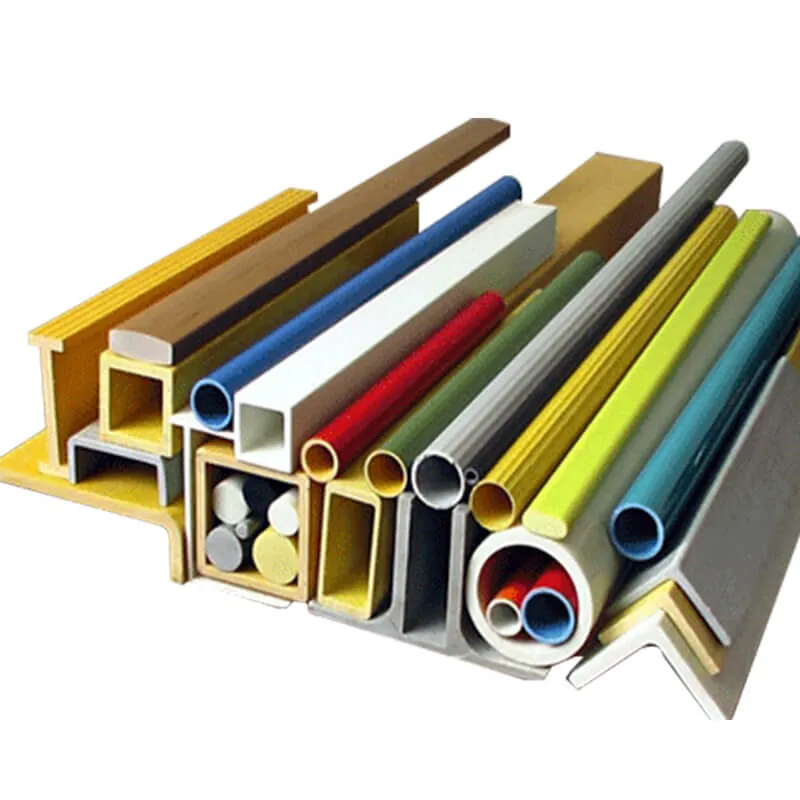
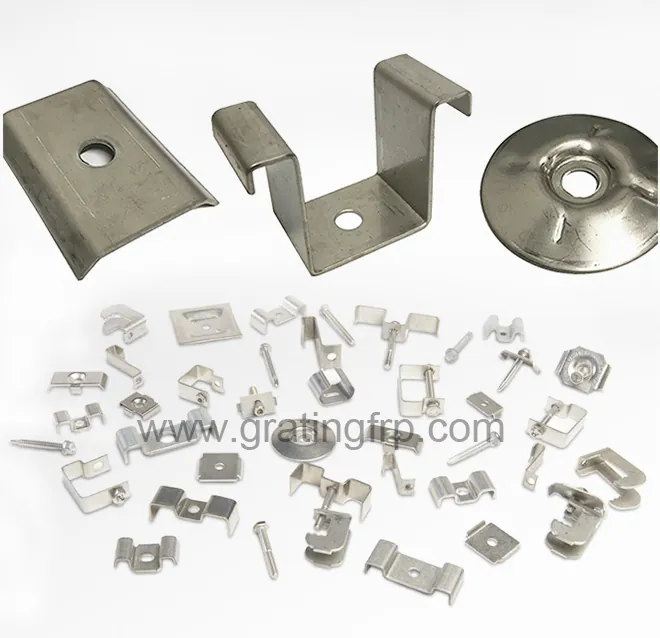
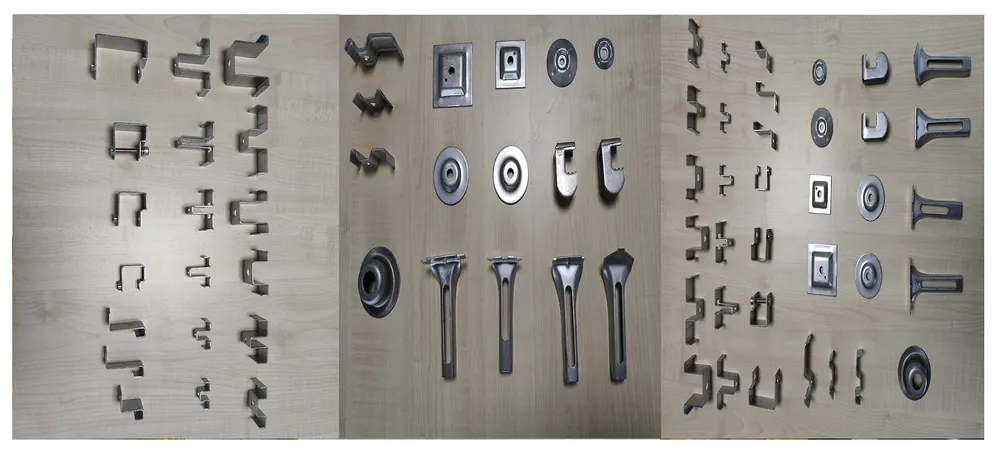
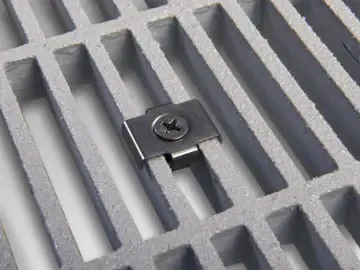
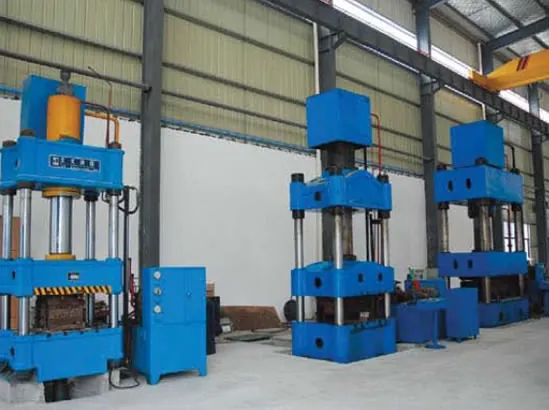
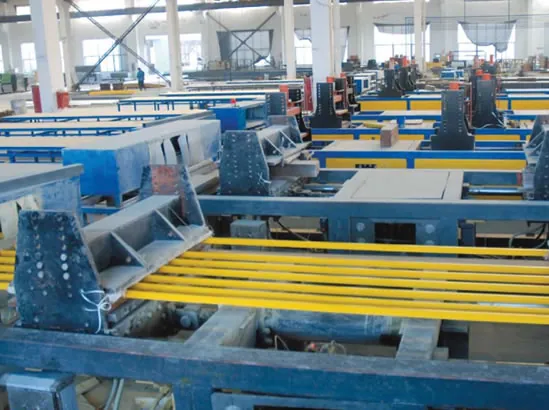
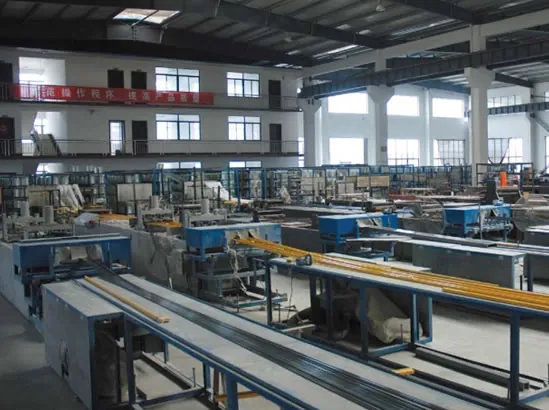
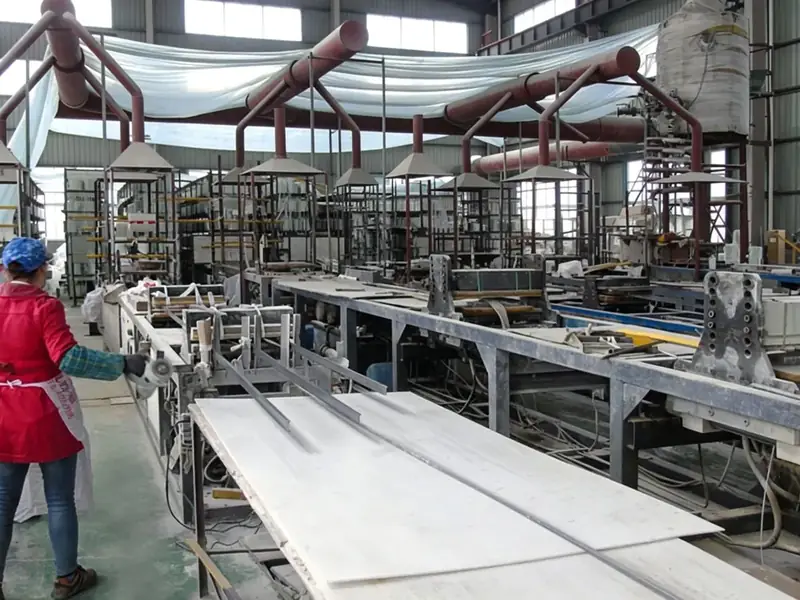
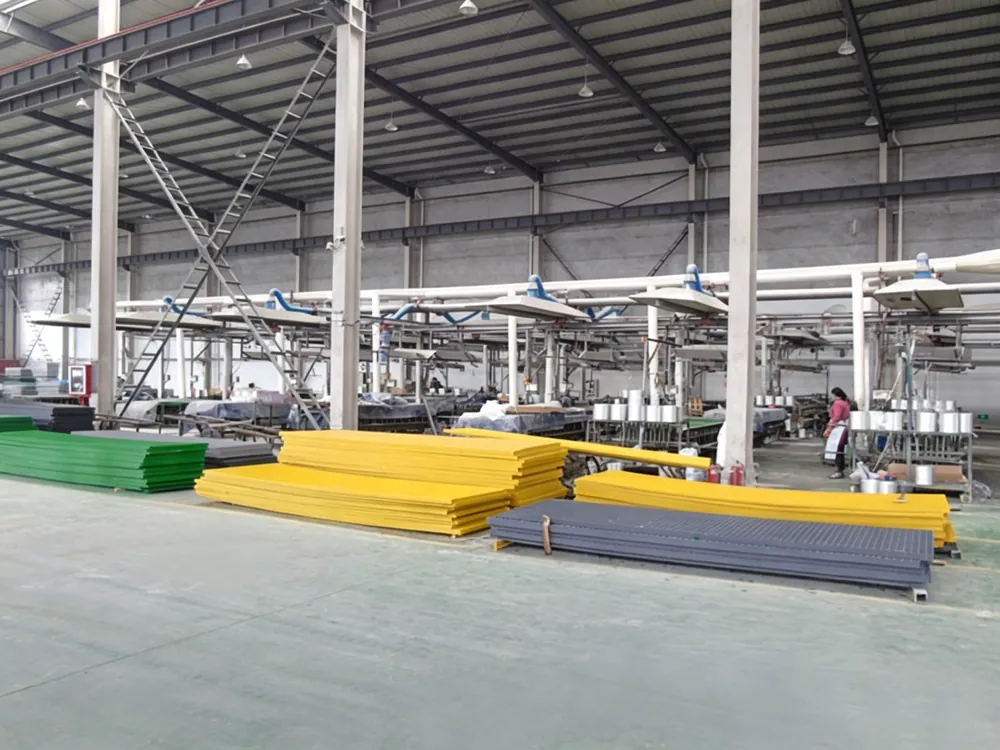
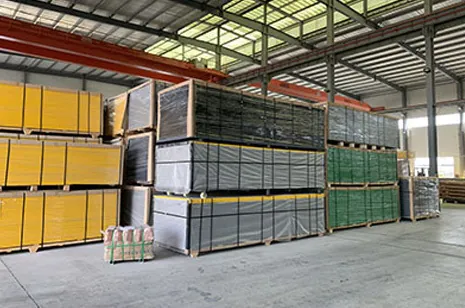
As a direct FRP grating manufacturer, NANTONG ZEALL supplies Vancouver and British Columbia project teams with molded and pultruded fiberglass grating, stair treads, solid covers and fastener clips, supported by in-house engineering and factory-direct pricing from USD 15–95 per square meter.
Trans-Pacific Sailings to the Port of Vancouver
Because Vancouver is the destination port rather than an inland transfer point, the sea leg is the longest single part of the lead time. Industry freight references put direct sailings from Shanghai or Ningbo to the Port of Vancouver at typically about 15–22 days port-to-port, excluding terminal handling, customs clearance and inland drayage. Transshipment services that call at Busan, Los Angeles or Seattle can stretch the transit to roughly 30–37 days, so direct services are preferred for schedule-sensitive grating orders.
A complementary west-coast option is the Port of Prince Rupert, which offers one of the shortest trans-Pacific crossings from northern Chinese ports and a direct CN rail connection; however, its liner density is lower than Vancouver’s, so booking windows are tighter. Both ports discharge into the same Canadian rail network and clear through the same federal authority.
Import clearance is handled by the Canada Border Services Agency (CBSA) through the CARM portal, supported by a commercial invoice and a Commercial Accounting Declaration; duties and GST are assessed on the value for duty converted at the Bank of Canada rate on the date of direct shipment. Your customs broker can confirm the current rate for the applicable HS classification.
Where CN and CPKC Rail Corridors Begin
Vancouver is the origin point for the two transcontinental railways that serve Western and Central Canada. Once containers are discharged at the port, Canadian National (CN) and Canadian Pacific Kansas City (CPKC) move them by intermodal rail to Calgary, Edmonton, Saskatoon, Regina, Winnipeg and onward to Toronto and Montreal. Industry references put the Vancouver-to-Calgary rail leg at roughly 2–3 days terminal-to-terminal, with Edmonton only a day or two further north, and the Vancouver-to-Toronto corridor at about 5–7 days terminal-to-terminal, plus drayage at each end.
For BC-based buyers, this means grating ordered in standard panel sizes can be trucked directly from the port to sites in Metro Vancouver, the Fraser Valley, Vancouver Island via Nanaimo or Tsawwassen ferries, or the Okanagan, without an extra rail transload. Project cargo that is oversized or pre-cut to layout can be consolidated at the port and dispatched as a single truckload.
BC Industries That Specify FRP Grating
- Copper and Mining — British Columbia supplies roughly half of Canada’s copper output and is the country’s only molybdenum producer. Mine sites, mill plants and tankhouses use FRP grating around electrolytic cells, pump rooms and acid areas where steel rusts quickly.
- Pulp & Paper — BC accounts for about half of Canada’s timber harvest and hosts a major share of national pulp and paper capacity. Bleach plants, caustic areas and machine walkways are classic FRP applications.
- Hydroelectric Power — BC’s hydro dams, spillways, intake structures and substation platforms benefit from FRP’s non-conductive, non-sparking properties in live electrical environments.
- Marine Terminals & Shipyards — dock walkways, barge access, seawall platforms and gangway surrounds exposed to salt spray and tidal moisture.
- Fish Processing & Seafood — wash-down floors, drain covers and mezzanines that resist brine, ice and sanitation chemicals.
- Municipal Water & Wastewater — treatment plant walkways, odor-control covers and grating over wet wells in the Lower Mainland and on Vancouver Island.
Coastal Humidity, Salt Spray and UV: Marine-Grade Resin Selection
Vancouver’s coastal climate is defined by year-round moisture, frequent rain, salt-laden marine air and strong ultraviolet exposure in summer. Ordinary polyester grating will chalk and fibre-bloom under these conditions, and steel will rust within a few seasons. For exposed coastal and marine-terminal service we recommend isophthalic polyester for general walkways and vinyl ester where salt spray, acid mists or intermittent immersion are expected. UV-stabilized resin with a surface veil slows resin chalking and fibre prominence under combined sun, rain and freeze-thaw cycling.
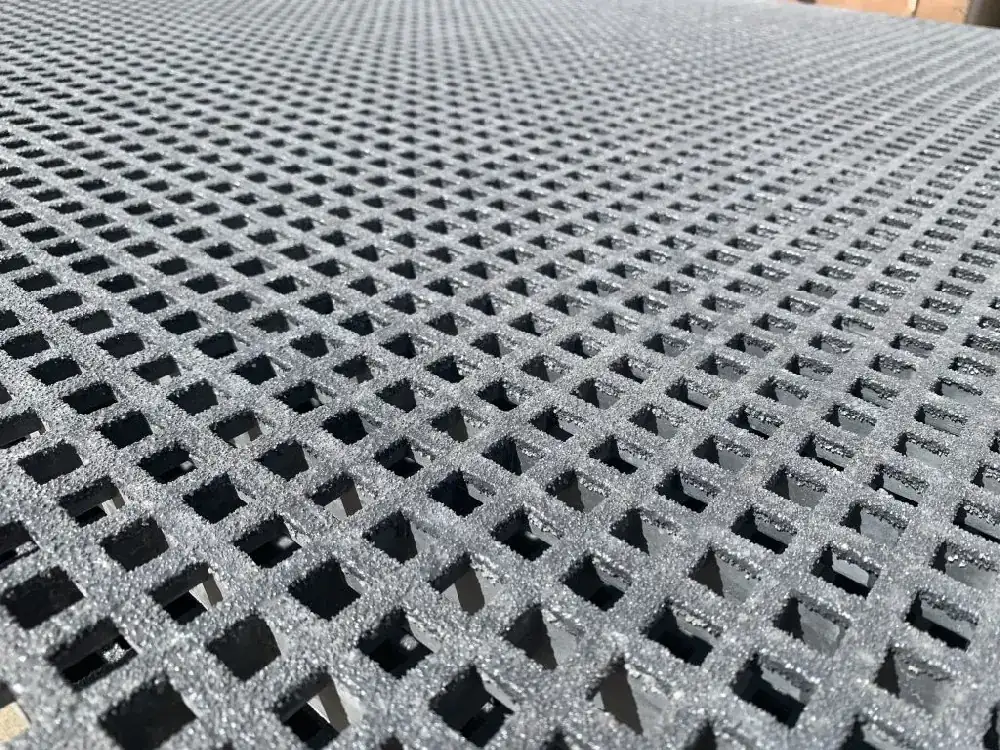
Gritted or concave surfaces retain traction on wet dock decks and fish-plant floors, and the composite will not corrode from road de-icing salt used on Lower Mainland routes in winter. Stainless-steel (316) clips and fasteners are specified for coastal installations to avoid galvanic corrosion at the connections.
Standards Context for British Columbia Engineering
Our gratings are tested to ASTM E-84 for surface burning characteristics and ASTM F3059 for fiberglass grating, and are produced under an ISO 9001 quality management system. Structural engineers in British Columbia commonly consult CSA S806 (design of building structures with fibre-reinforced polymers) and CSA S807 (FRP material specification) alongside the NBC and BC Building Code when sizing walkways and platforms; these are design references rather than a mandatory product listing for industrial grating.
The certifications we state — ISO 9001, ASTM E-84, ASTM F3059, ABS, Intertek, SGS and CE — are held by the manufacturer, without reference numbers or expiry dates, and we do not claim marks the company does not hold. Load tables, resin data sheets and test reports can be provided to support engineering submittals.
Why Vancouver and BC Buyers Source Direct from ZEALL
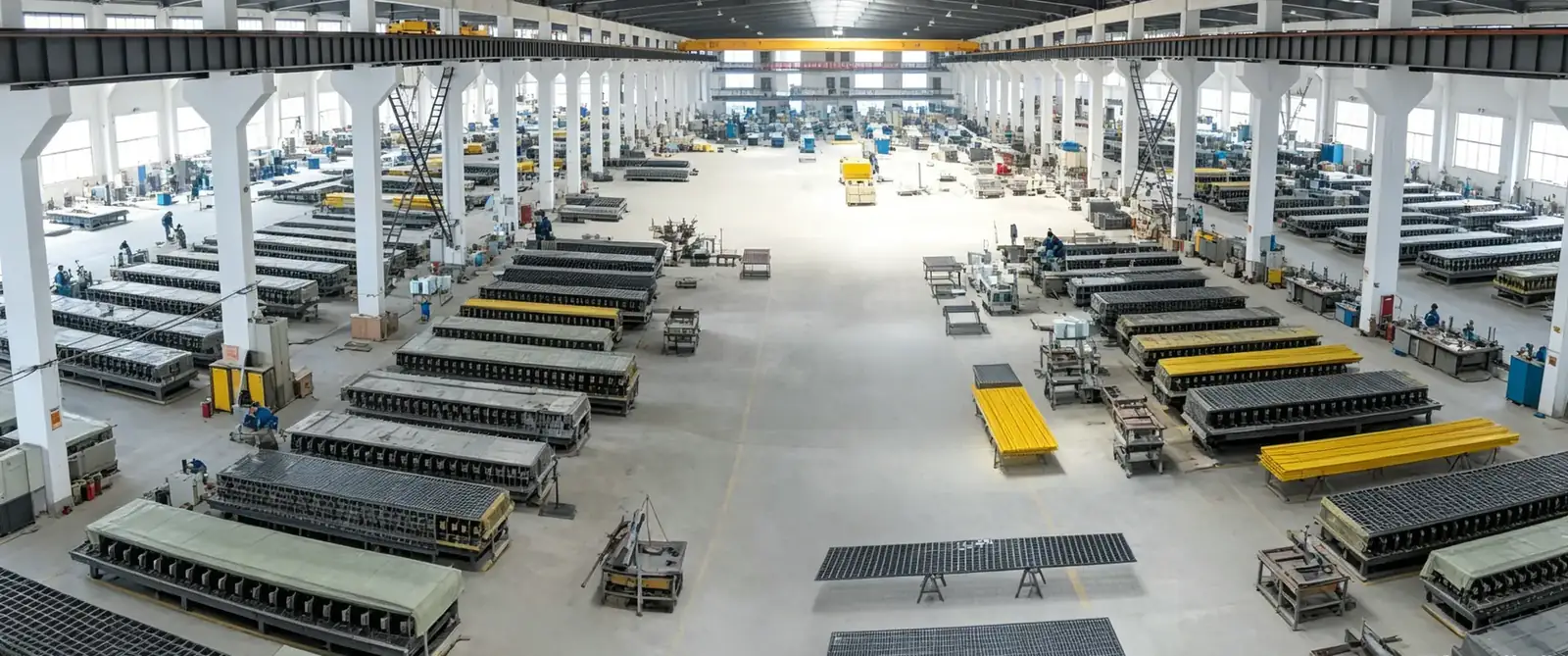
Buying factory-direct removes North American distributor margins while keeping full engineering control. Our 20,000+ m² plant has operated since 2004 with 200+ staff and an export record across 45+ countries, supported by 541 customer reviews at an average of 4.9 out of 5. Standard sizes are produced in 15–25 days, with overall delivery of 12–36 working days depending on specification, sailing schedule and inland routing; the production minimum order is 10 square meters, and a one-piece sample can be supplied separately for evaluation before a full order.
All prices are quoted in USD, typically in the range of 15–95 per square meter depending on resin, thickness and mesh. Duties and GST are assessed separately by CBSA and are not included in the product price. Free engineering support covers load calculations, resin selection and panel layout, and a single WhatsApp sales line plus sales email keeps quoting and order tracking straightforward for BC project managers.
Frequently Asked Questions
Direct trans-Pacific sailings are generally around 15-22 days port-to-port, excluding terminal handling, customs and inland drayage. Transshipped services via Busan or US west coast ports can take 30-37 days. We confirm the sailing schedule at quotation.