Edmonton: Alberta’s Industrial Heartland and Refinery Row
Edmonton sits on the North Saskatchewan River and anchors one of the largest concentrations of oil refineries, oil-upgrading facilities and petrochemical plants in Canada, clustered in the Alberta Industrial Heartland northeast of the city. It is also the primary supply and logistics base for the Athabasca oil-sands operations near Fort McMurray, and home to a dense community of structural steel, pipe and metal fabricators. For owners, EPC contractors and maintenance teams in this industrial belt, FRP grating delivers a lightweight, non-sparking, corrosion-resistant walkway material that resists sour gas, brine, acid process water and extreme cold.
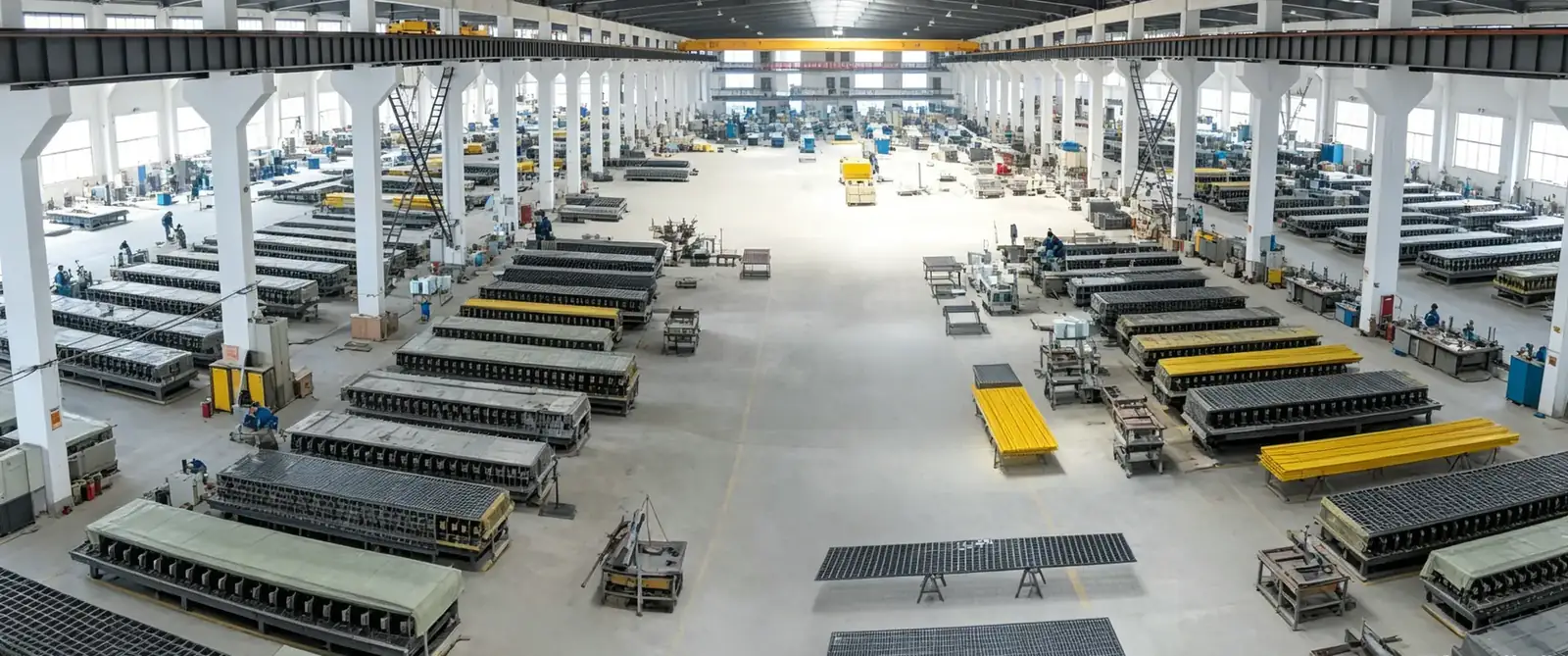
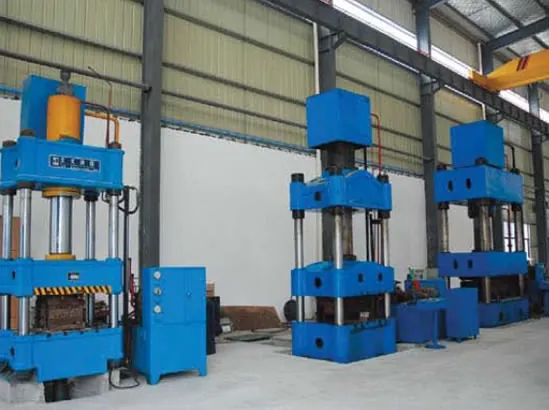
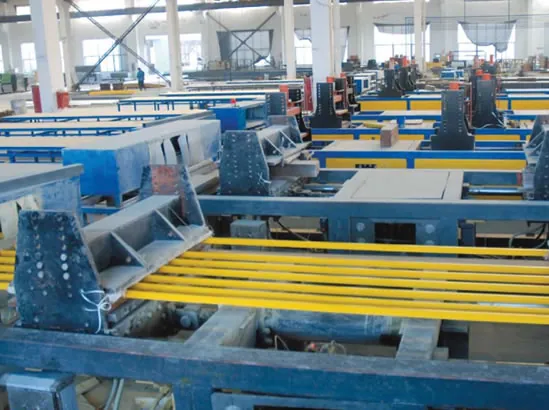
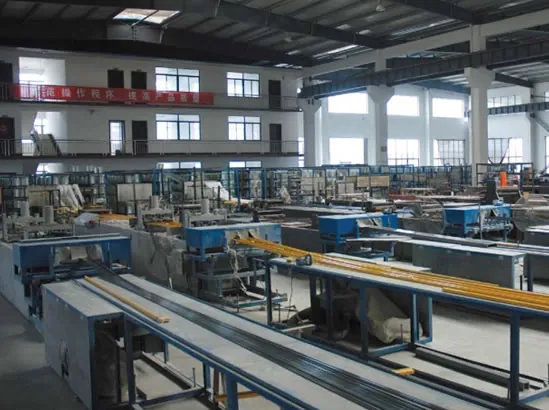
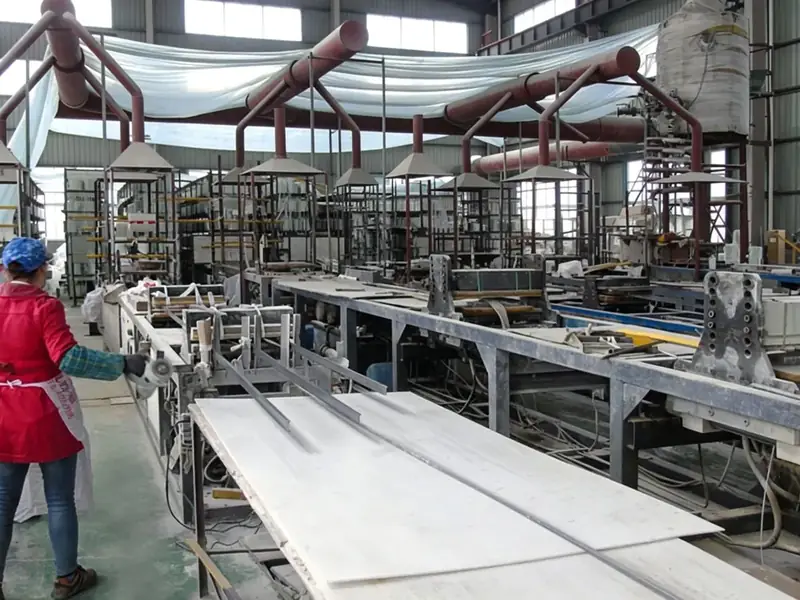
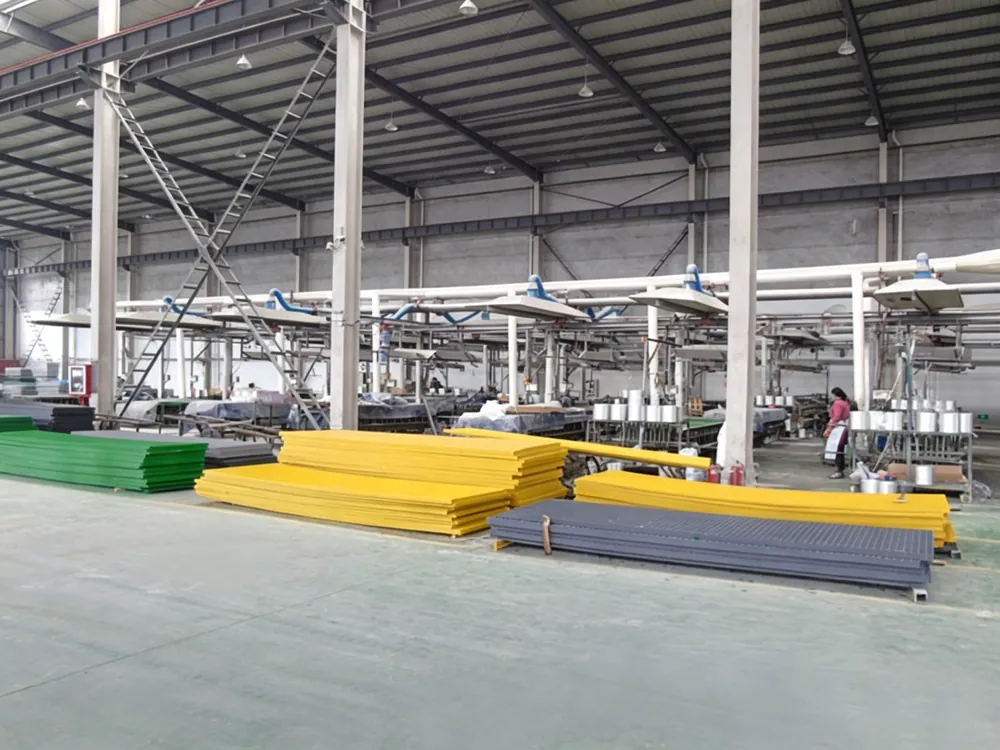
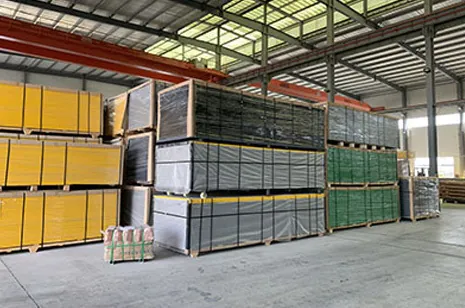
As a direct FRP grating manufacturer, NANTONG ZEALL supplies Edmonton and northern Alberta project teams with molded and pultruded fiberglass grating, stair treads, solid covers and clips, supported by in-house engineering and factory-direct pricing from USD 15–95 per square meter.
Supply Route to Edmonton: West Coast Port and Northern Rail
Like Calgary, Edmonton is landlocked and depends on west-coast ports and transcontinental rail. FRP grating from China typically moves on direct trans-Pacific sailings from Shanghai or Ningbo to the Port of Vancouver (typically about 15–22 days port-to-port), then by CN or CPKC intermodal rail east through the Fraser Valley and Rocky Mountain passes to Calgary, and north to Edmonton. Industry references put the Vancouver-to-Calgary rail leg at roughly 2–3 days terminal-to-terminal, with Edmonton typically another day or two further north; drayage at the port and at the Edmonton intermodal yard adds local truck time.
The Port of Prince Rupert offers an alternative discharge point with a shorter Pacific crossing and a direct CN rail line that reaches northern Alberta without a Vancouver transload, which can be useful for schedule-sensitive oil-sands supply. From Edmonton, cargo commonly continues by truck north to Fort McMurray and the Industrial Heartland sites.
Import clearance is handled by the Canada Border Services Agency (CBSA) through the CARM portal, supported by a commercial invoice and a Commercial Accounting Declaration; duties and GST are assessed on the value for duty. Your customs broker confirms the current rate for the applicable HS classification.
Refineries, Upgraders, Oil-Sands Supply and Fabrication Yards
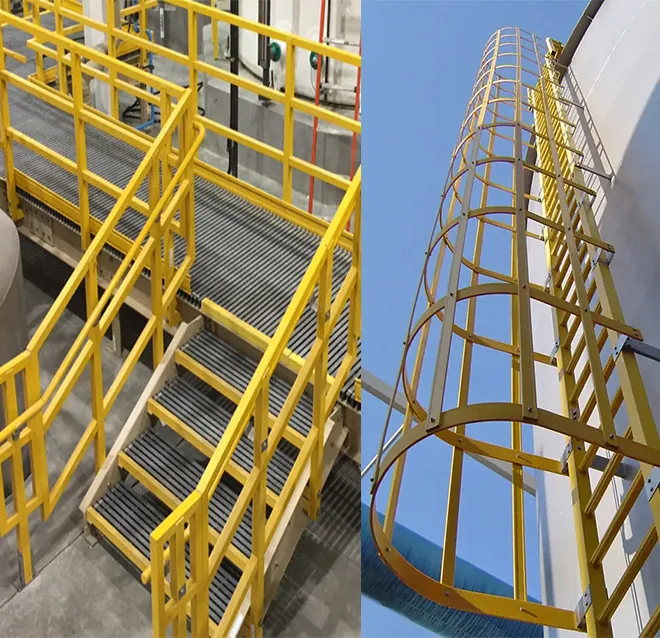
- Refineries & Upgraders — process-unit walkways, pipe-rack access platforms, stair towers and flare-area grating exposed to hydrocarbons, acid gas and steam.
- Oil-Sands Supply Base — Edmonton yards stage walkway panels, sump covers and treads for Suncor, Syncrude, Canadian Natural Resources and Imperial Oil operations near Fort McMurray.
- Metal & Steel Fabrication — Edmonton fabricators integrate FRP panels into custom platforms, handrail systems and equipment skids where steel corrosion or weight is a problem.
- Petrochemical & Utilities — non-conductive grating around substations, cooling-tower platforms and chemical storage areas.
- Municipal Water & Wastewater — Edmonton, Fort Saskatchewan and Strathcona County treatment plants use FRP for wet-well covers and odor-control structures.
- Cold-Storage & Logistics — freezer floors, mezzanines and loading platforms that must not rust from condensation and de-icing salts.
Built for -40°C: Cold-Climate Performance in Northern Alberta
Edmonton is one of the coldest major cities in Canada, with prolonged winter periods where daytime highs stay well below -20°C and wind-chill values routinely drop toward -40°C. At such temperatures, FRP resin moves toward its glassy state: stiffness rises and impact toughness falls somewhat, but the glass-fiber reinforcement and the fiber-resin interface retain structural integrity. Properly formulated vinyl-ester or isophthalic polyester gratings are routinely specified for Canadian northern winter service down to roughly -40°C; we do not present this as a certified low-temperature limit, but as a normal operating range drawn from industry practice.
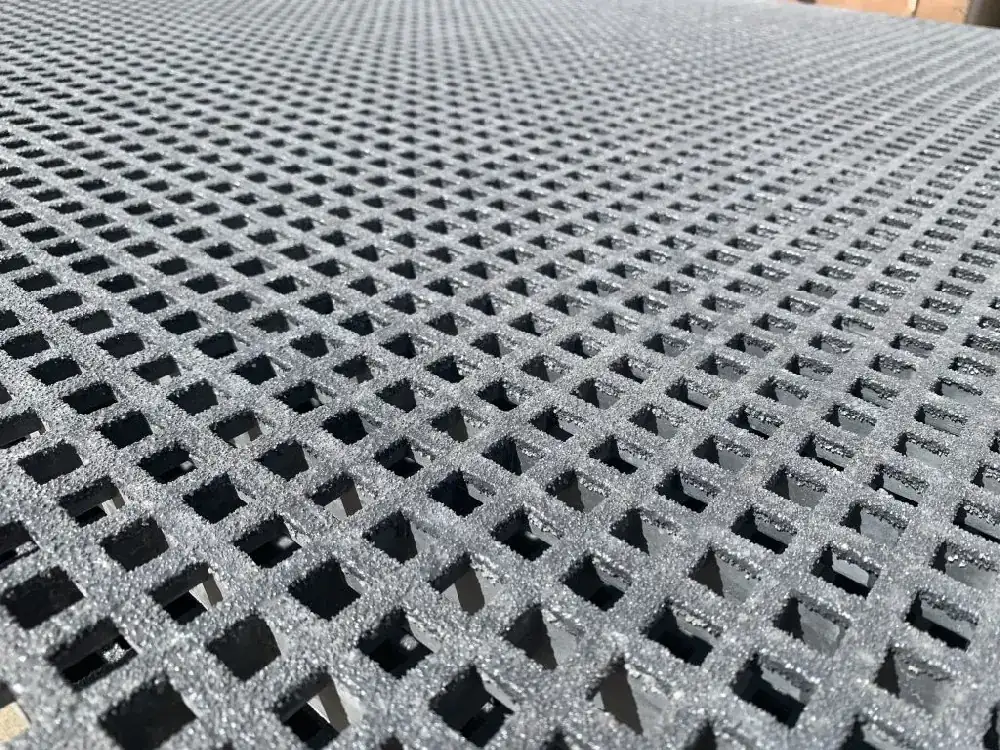
Gritted or concave surfaces are specified for stair towers and outdoor platforms where ice forms overnight, and the composite will not rust from the calcium-chloride and brine de-icing chemicals spread heavily on Edmonton’s Whitemud Drive, Anthony Henday and Industrial Heartland roads. For exposed refinery and upgrader installations, UV-stabilized resin with a surface veil slows chalking under bright prairie winter sun and summer heat cycling.
Standards and Submittals for Northern Alberta Engineering
Our gratings are tested to ASTM E-84 for surface burning characteristics and ASTM F3059 for fiberglass grating, and are produced under an ISO 9001 quality management system. Engineers working on Industrial Heartland and oil-sands projects commonly consult CSA S806 (design of building structures with fibre-reinforced polymers) and CSA S807 (FRP material specification) alongside the Alberta Building Code when sizing process platforms and stair towers; these are design references rather than a mandatory product listing for industrial grating.
The certifications we state — ISO 9001, ASTM E-84, ASTM F3059, ABS, Intertek, SGS and CE — are held by the manufacturer, without reference numbers or expiry dates, and we do not claim CSA or ULC marks the company does not hold. Load tables, resin data sheets, mill certificates and letter templates are available to support EPC, owner and AHJ submittals for refinery and oil-sands maintenance projects.
Recommended Grating for Heavy Industrial and Fabrication Service
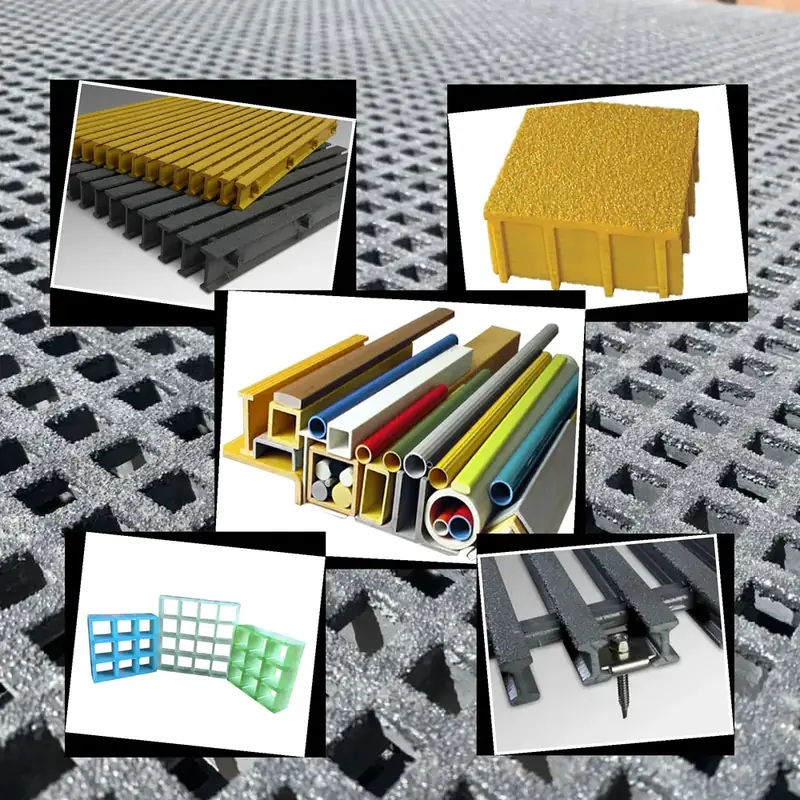
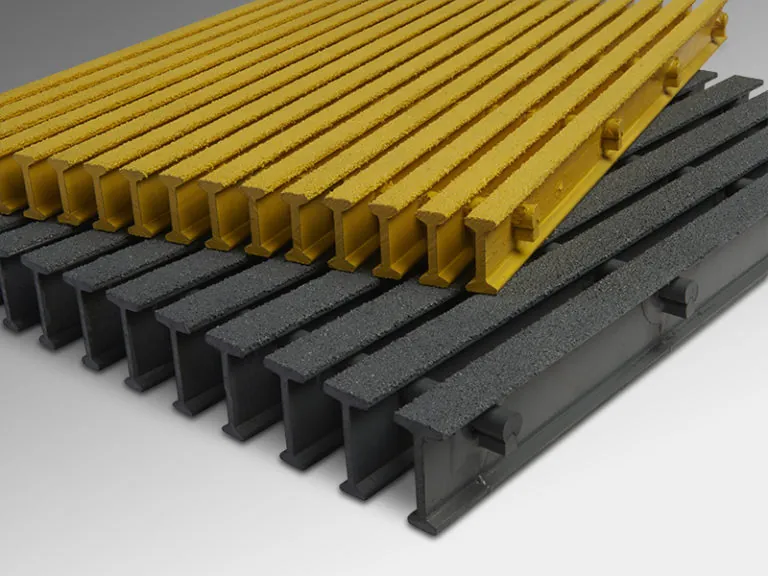
- 50 mm Pultruded Vinyl-Ester Grating — high uni-directional span capacity for long pipe-rack and process-unit walkways in sour-service refinery environments.
- 38 mm Molded FRP Grating — bi-directional strength for general yard access, sump covers and fabrication-shop mezzanines.
- Heavy-Duty 50 mm Molded Grating — for vehicle and forklift traffic on maintenance pads and equipment staging areas.
- FRP Stair Treads with Nosing — anti-slip, cold-temperature rated treads for refinery stair towers and outdoor yard stairs.
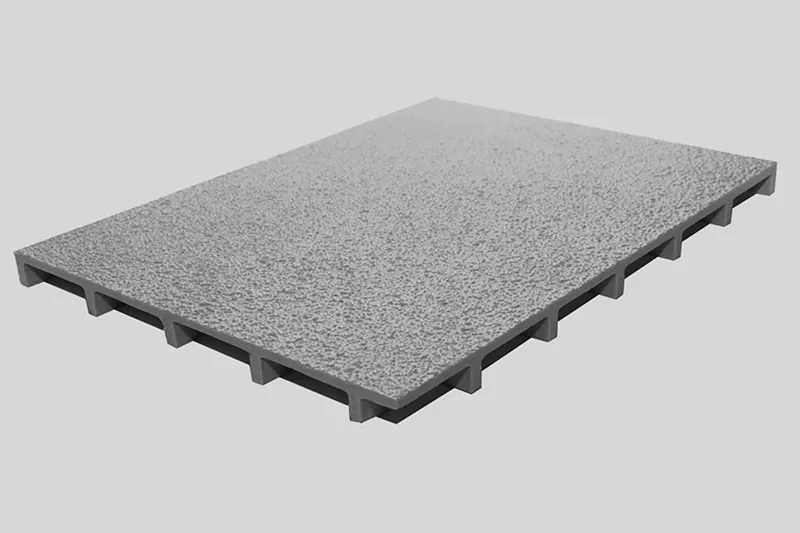
- Solid Covers & Trench Panels — splash and odor containment over acid and brine sumps.
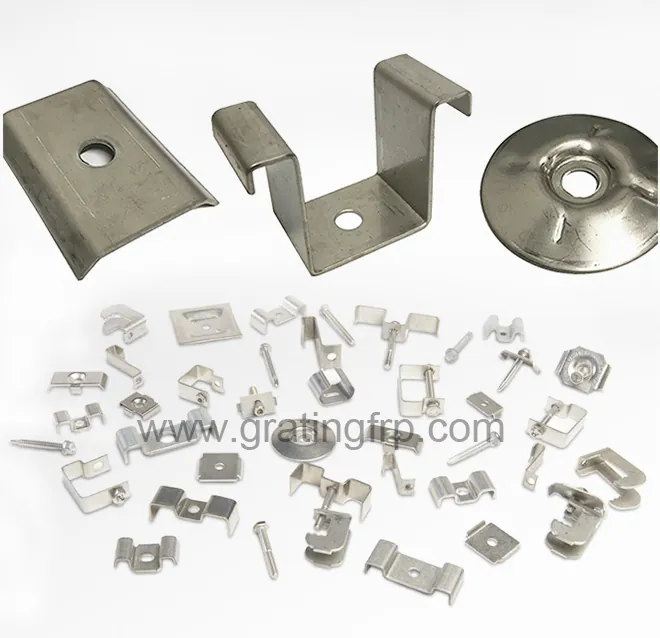
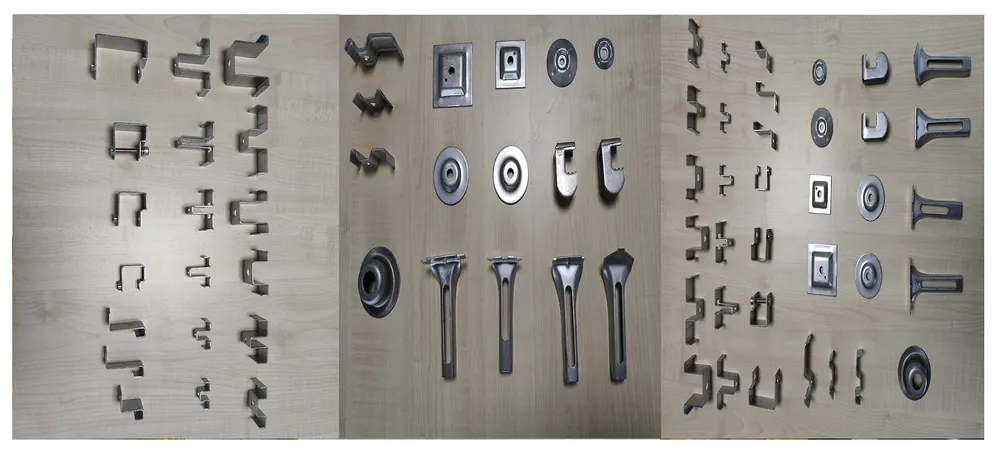
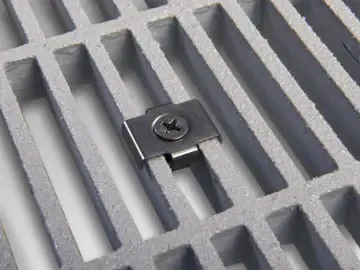
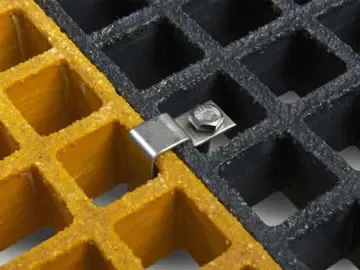
- M, C and L Clips (316 stainless) — corrosion-free fasteners for exposed process units and winter de-icing exposure.
Why Edmonton and Northern Alberta Buyers Source Direct
Factory-direct sourcing removes the layer that Canadian composite distributors typically add to imported grating, while keeping engineering control over resin grade, panel thickness and mesh layout. Our 20,000+ m² plant has operated since 2004 with 200+ staff and an export record across 45+ countries, supported by 541 customer reviews at an average of 4.9 out of 5. Standard sizes are produced in 15–25 days, with overall delivery of 12–36 working days depending on specification, sailing schedule and the Vancouver-to-Edmonton rail leg; the production minimum order is 10 square meters, and a one-piece sample can be supplied separately for evaluation before a full order.
All prices are quoted in USD, typically in the range of 15–95 per square meter depending on resin, thickness and mesh. Duties and GST are assessed separately by CBSA and are not included in the product price. Free engineering support covers load calculations, vinyl-ester versus isophthalic selection, cold-climate detailing and panel layout, and a single WhatsApp sales line plus sales email keeps quoting and order tracking straightforward for Edmonton EPCs, fabricators and owner maintenance teams.
Frequently Asked Questions
Yes, in routine service. FRP becomes stiffer and somewhat less impact-resistant as temperature falls, but the fiber reinforcement retains structural integrity. Vinyl-ester or isophthalic polyester gratings are routinely specified for northern Canadian winters down to roughly -40°C; we describe this as typical industry operating range rather than a certified low-temperature limit.