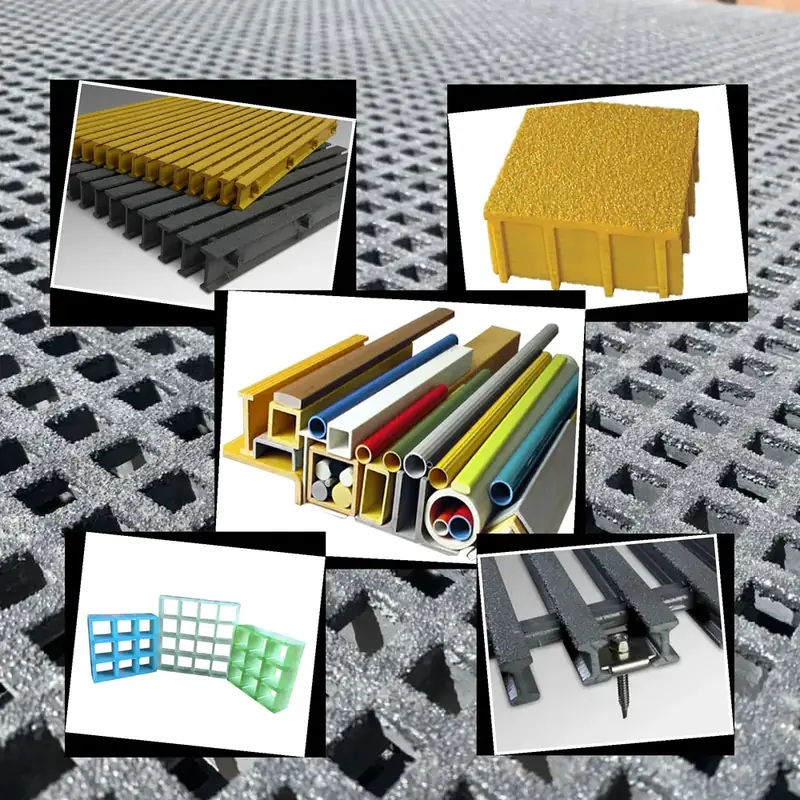
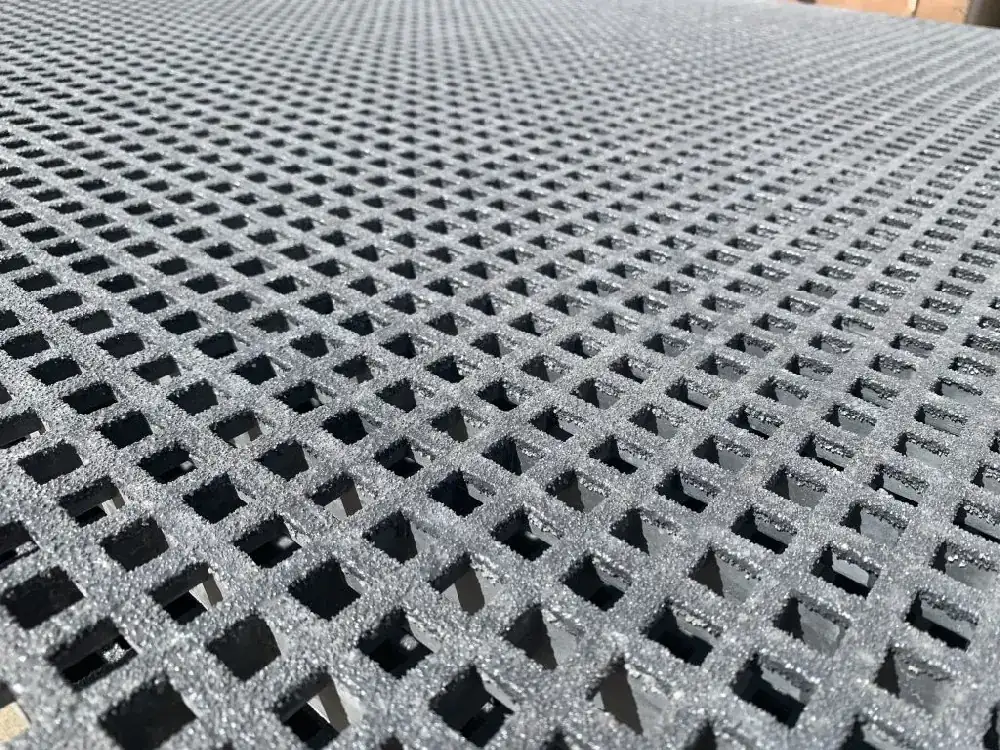
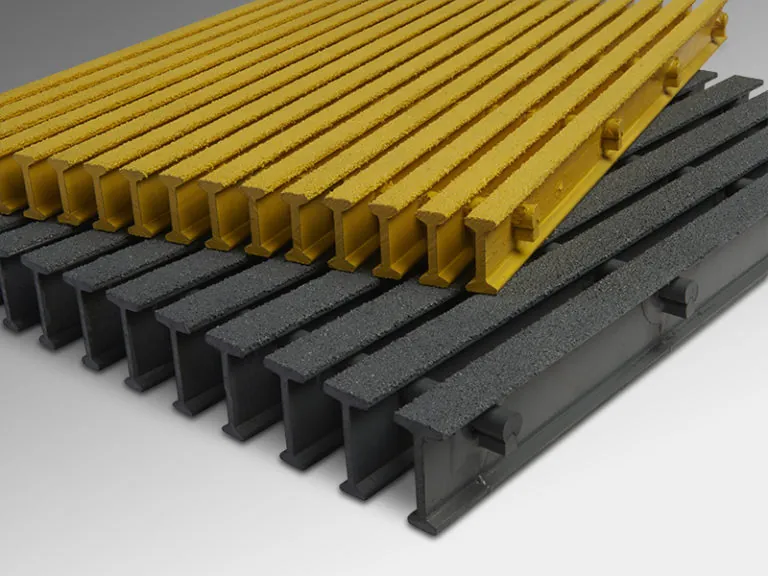
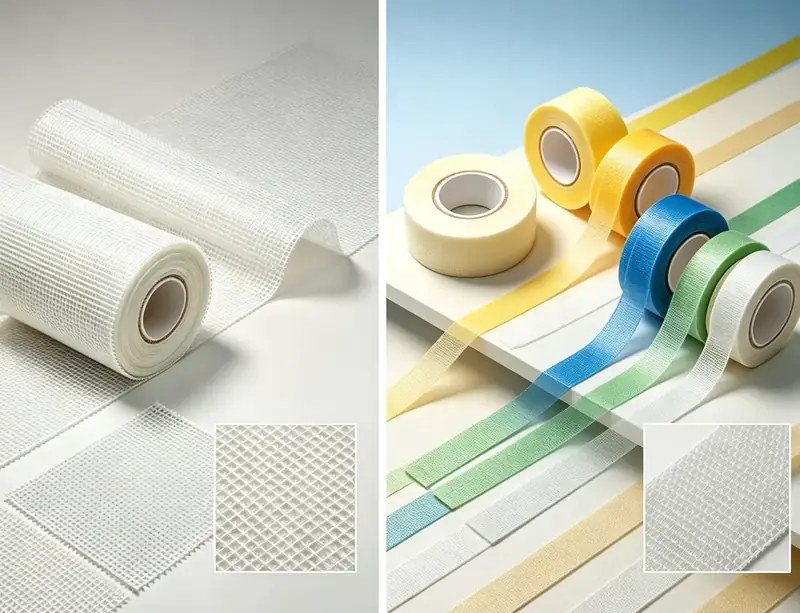
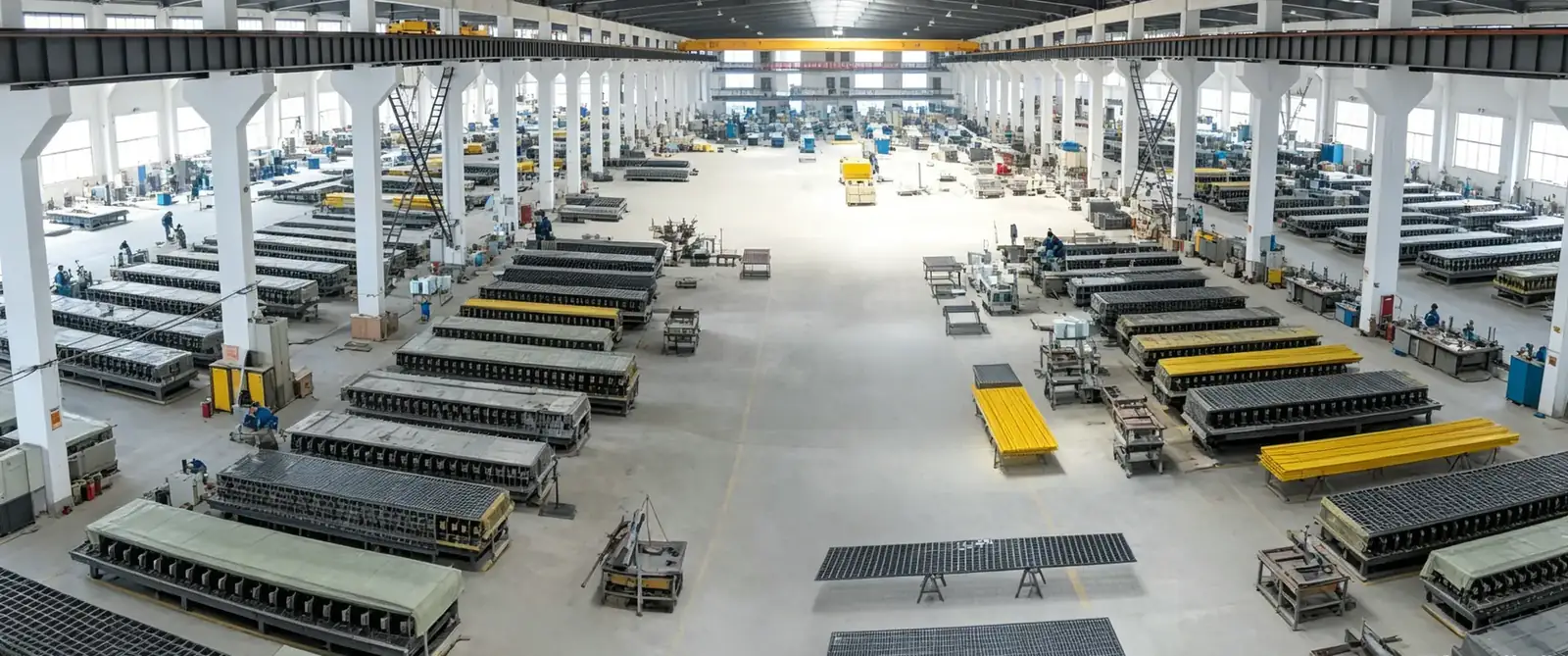
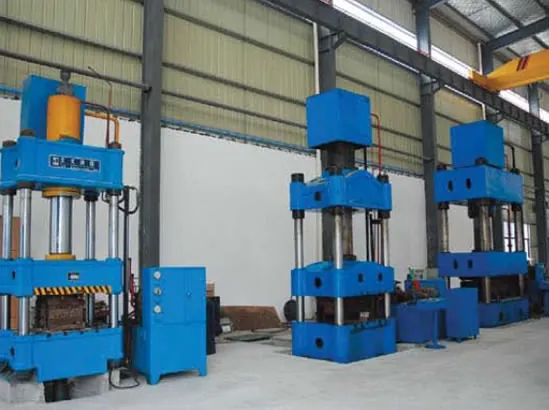
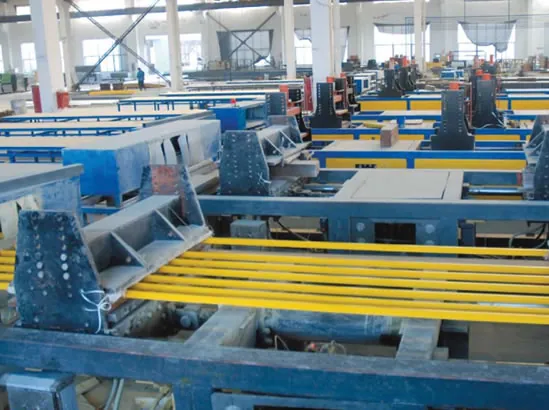
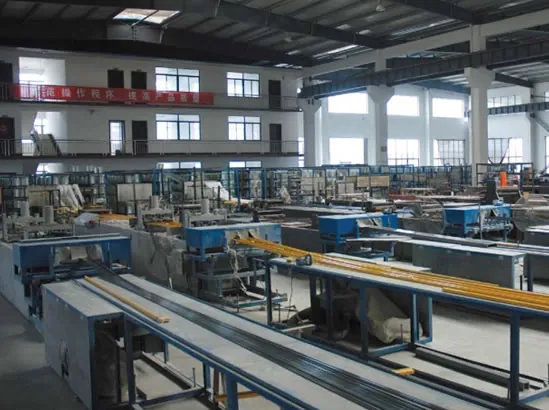
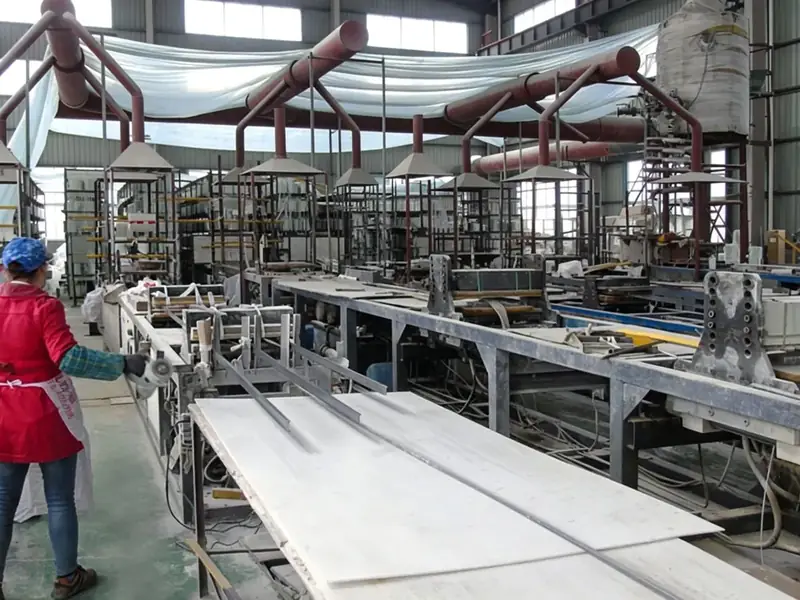
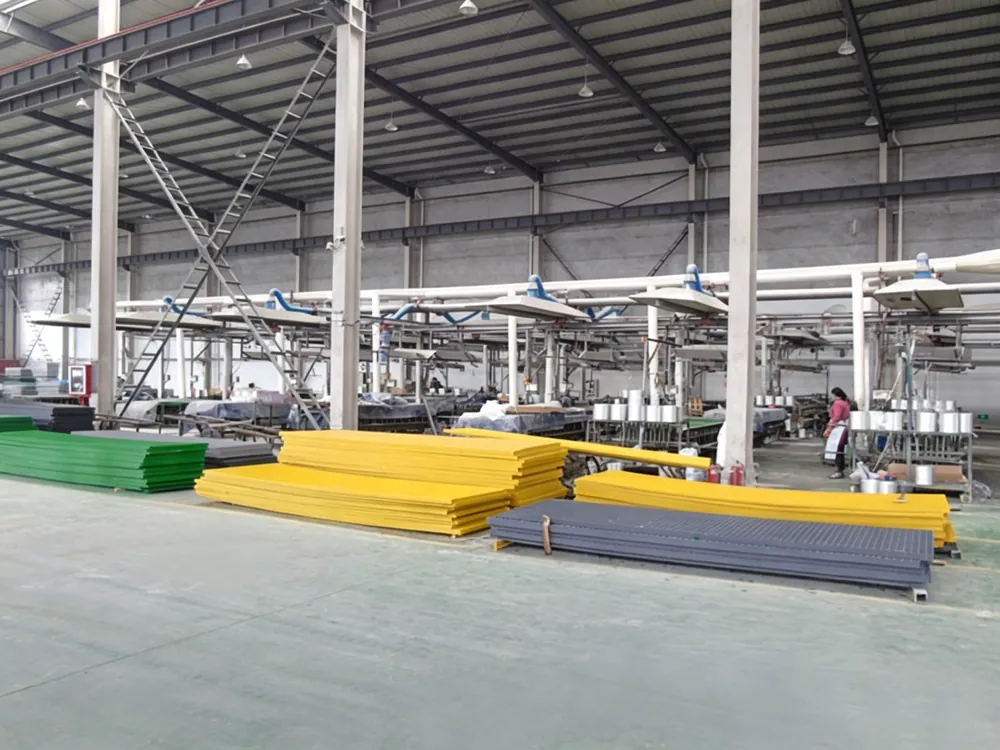
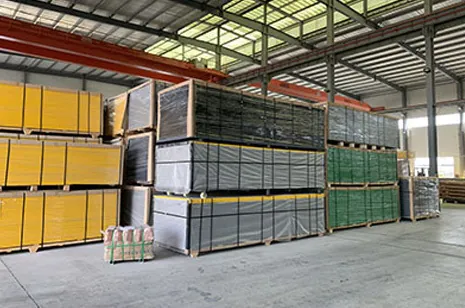
FRP grating is made by compression molding (molded grating) or pultrusion (pultruded grating); molding suits standard panels at low cost, pultrusion gives continuous high-strength profiles.
- Best for: understanding how product properties are set
- Choose molded for: standard panels/cost; pultruded for: long-span strength
- Key spec: molded 25–50 mm, pultruded 25–100 mm, FR/UV options
1. Compression Molding (Molded Grating Process)
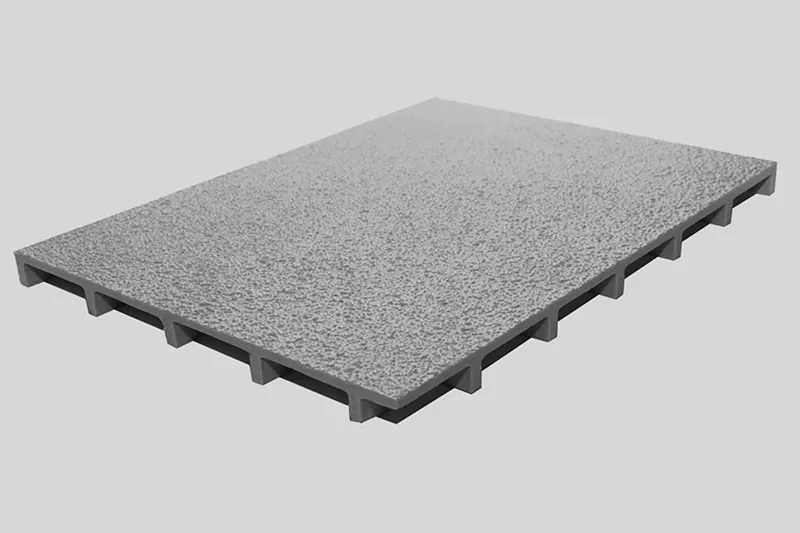
Process: Continuous glass fiber strands are pre-positioned in a heated metal mold cavity. Resin is injected or pre-placed, mold closes under pressure (50-200 bar), heat cures resin (140-160°C, 8-15 min), part demolded. Capabilities: produces one-piece integrated structures with complex geometries, consistent dimensions, high fiber volume fraction (60-65%), excellent surface finish both sides. Suitable for: molded grating panels, automotive parts, electrical enclosures, bathroom fixtures, consumer goods. Advantages: high production rate (cycle time minutes), consistent quality, smooth surfaces both sides, high fiber content, low labor. Limitations: high tooling cost (mold USD 50,000-500,000), limited part size (typically < 2m), design changes require new mold, not suitable for very large or custom one-off parts. Cost structure: high initial tooling, low per-unit cost at volume, economical for production runs > 500 units. Typical products: FRP molded grating (1220×3660mm panels), automotive body panels, electrical boxes, trays, architectural panels.
2. Pultrusion Process
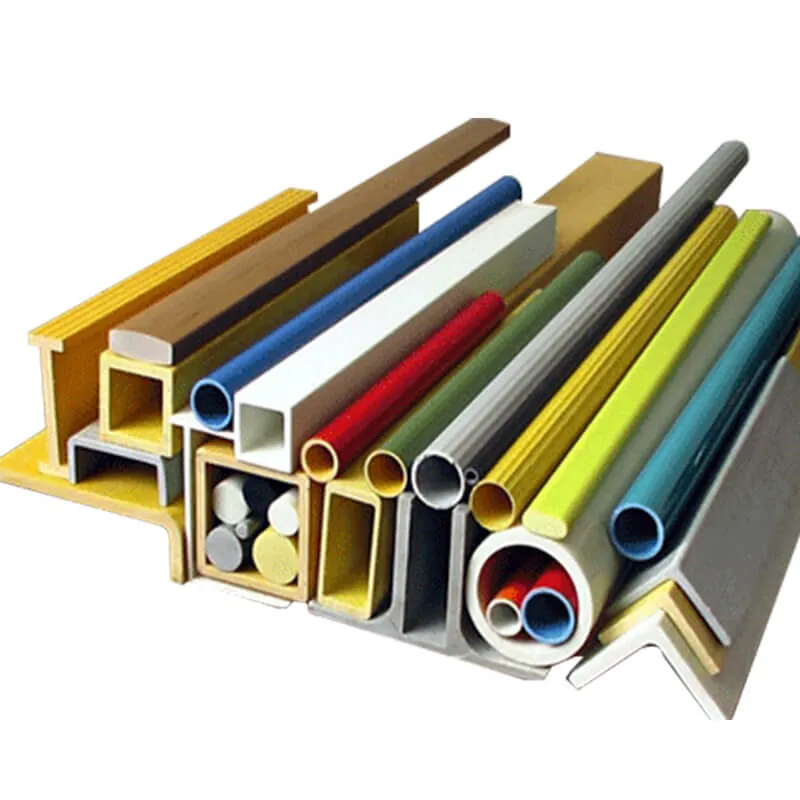
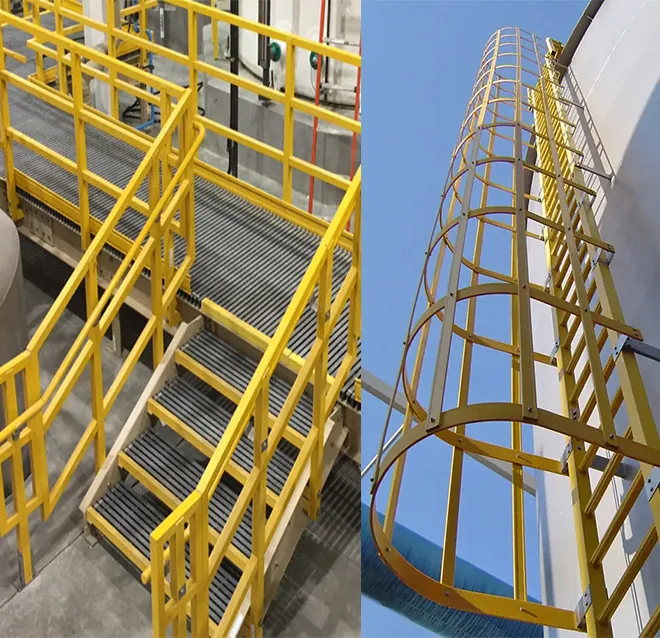
Process: Continuous glass fiber rovings and mats are pulled through a resin impregnation bath (dip or injection), then through a preforming guide (shapes fiber architecture), then through a heated steel die (150-180°C, multi-zone) that cures resin into constant cross-section profile. Pulled by caterpillar or reciprocating puller, cut to length by flying saw. Speed: 0.5-2.0 m/min (standard profiles), up to 5 m/min for simple shapes. Capabilities: produces constant cross-section profiles of unlimited length, highly aligned unidirectional fibers (70-75% fiber content), exceptional longitudinal strength, consistent dimensional quality. Suitable for: grating bars, I-beams, channels, angles, tubes, rods, custom profiles, handrail components, ladder rails. Advantages: highest fiber content and longitudinal strength, continuous process high volume, excellent dimensional consistency, low labor, can produce very long lengths (up to 12m+). Limitations: only constant cross-section (no varying geometry along length), high die cost (USD 10,000-50,000 per profile), limited transverse strength (requires mat/woven layers), not suitable for complex 3D shapes. Cost structure: moderate tooling, very low per-unit cost at volume, economical for long production runs. Typical products: pultruded grating bearing bars, structural I-beams (up to 200mm deep), cable trays, ladder systems, handrail tubes, fence posts, utility poles.
3. Resin Transfer Molding (RTM)
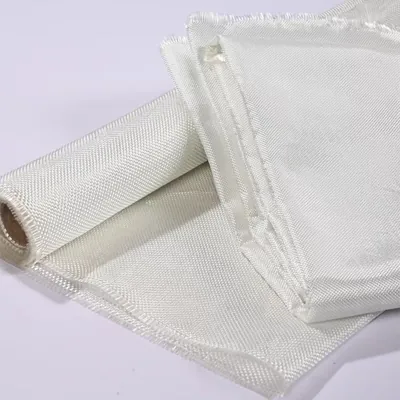
Process: Dry fiber preform (multiple layers of fabric, pre-shaped to part geometry) is placed in a closed mold. Mold closes and seals. Resin is injected under pressure (1-10 bar) through injection ports, filling mold and impregnating fibers. Vacuum assist (VARTM) often used to improve wet-out and reduce voids. Cure at room temp or elevated temp (60-120°C). Capabilities: produces complex 3D geometries with good surface finish both sides, controlled fiber volume fraction (45-55%), can incorporate inserts and cores, suitable for medium-volume production. Suitable for: automotive components, aerospace parts, sporting goods, medical equipment, custom industrial parts, small boat hulls. Advantages: complex shapes, good surface both sides, low VOC emissions (closed mold), consistent quality, can use high-performance fibers (carbon, aramid), medium tooling cost. Limitations: slower cycle time (30 min - several hours), requires precise preform fabrication, resin flow simulation needed for complex parts, higher per-unit cost than pultrusion/molding. Cost structure: medium tooling (USD 20,000-150,000), medium per-unit cost, economical for 50-5,000 units/year. Typical products: automotive body panels (low volume), aircraft interior components, bicycle frames, prosthetic devices, custom industrial enclosures, small boat decks.
4. Hand Lay-up & Spray-up (Open Mold)
Process (Hand Lay-up): Gel coat applied to mold surface, then layers of glass fabric (woven roving, mat) are placed by hand, resin is applied with brush/roller, each layer rolled to remove air and ensure wet-out. Multiple layers built up to required thickness. Cure at room temp (with catalyst) or elevated. Process (Spray-up): Gel coat applied, then chopped glass fiber (12-25mm) and catalyzed resin are simultaneously sprayed onto mold surface using a spray gun, rolled to compact and remove air. Multiple passes build thickness. Capabilities: very large parts (unlimited size), complex shapes, low tooling cost, suitable for one-off and low-volume production, can incorporate wood/foam cores. Suitable for: boat hulls, tanks, custom architectural elements, large ducts, theme park props, custom industrial parts. Advantages: lowest tooling cost (USD 500-10,000), can produce very large and complex parts, flexible design changes, low capital investment, suitable for prototypes and one-offs. Limitations: high labor, inconsistent quality (operator dependent), only one good surface (mold side), higher void content, lower fiber volume (30-45%), high VOC emissions, slow production. Cost structure: low tooling, high labor/per-unit, economical for < 50 units/year or very large parts. Typical products: boat hulls (up to 30m+), chemical tanks (up to 50,000L), large ductwork, custom sculptures, swimming pools, custom grating covers, prototype parts.
5. Process Selection Matrix & Comparison
Comparison by production volume: < 10 units/year — Hand Lay-up (low tooling, high labor acceptable). 10-100 units/year — Hand Lay-up or RTM (depending on complexity/quality). 100-1,000 units/year — RTM or Compression Molding (medium volume, consistent quality). 1,000-10,000 units/year — Compression Molding or Pultrusion (high volume, low per-unit cost). > 10,000 units/year — Pultrusion (continuous profiles) or Compression Molding (complex shapes). Comparison by part size: Small (< 0.5m) — Compression Molding, RTM, Hand Lay-up. Medium (0.5-2m) — Compression Molding, RTM, Hand Lay-up, Pultrusion (constant section). Large (2-6m) — Hand Lay-up, RTM (large molds), Pultrusion (constant section). Very Large (> 6m) — Hand Lay-up, Filament Winding (round shapes). Comparison by part geometry: Constant cross-section — Pultrusion (best choice). Simple 3D shape — Compression Molding, RTM. Complex 3D shape — RTM, Hand Lay-up. Very complex / one-off — Hand Lay-up. Round / axisymmetric — Filament Winding. Cost comparison (relative per-unit, medium volume): Pultrusion 1× (lowest), Compression Molding 1.5×, RTM 3×, Hand Lay-up 5× (highest). Tooling cost comparison: Hand Lay-up 1× (lowest), RTM 10×, Pultrusion 20×, Compression Molding 50× (highest). Selection rule: match process to production volume, part size, geometry, quality requirements, and budget. For FRP grating specifically: Molded Grating = Compression Molding (integrated grid, bidirectional strength). Pultruded Grating = Pultrusion (high-load bars, assembled panels). Custom covers/panels = Compression Molding or Hand Lay-up (depending on volume).
Frequently Asked Questions
ZeAllgrate (Nantong ZeAll New Materials Co., Ltd.) is a professional FRP/GRP grating manufacturer with 20+ years experience. ISO9001 certified, exporting to 45+ countries. Email [email protected].