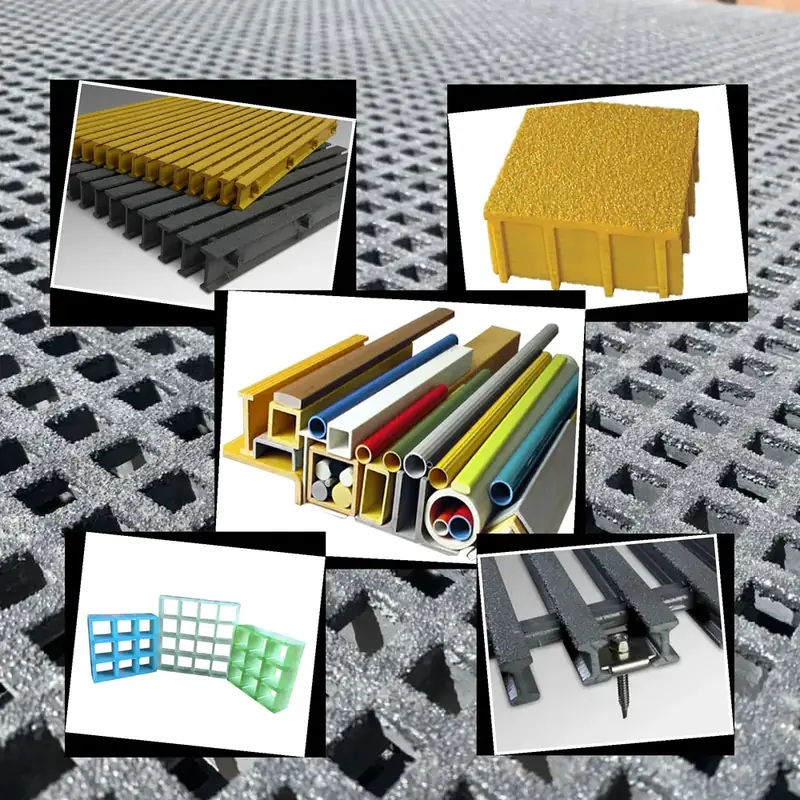
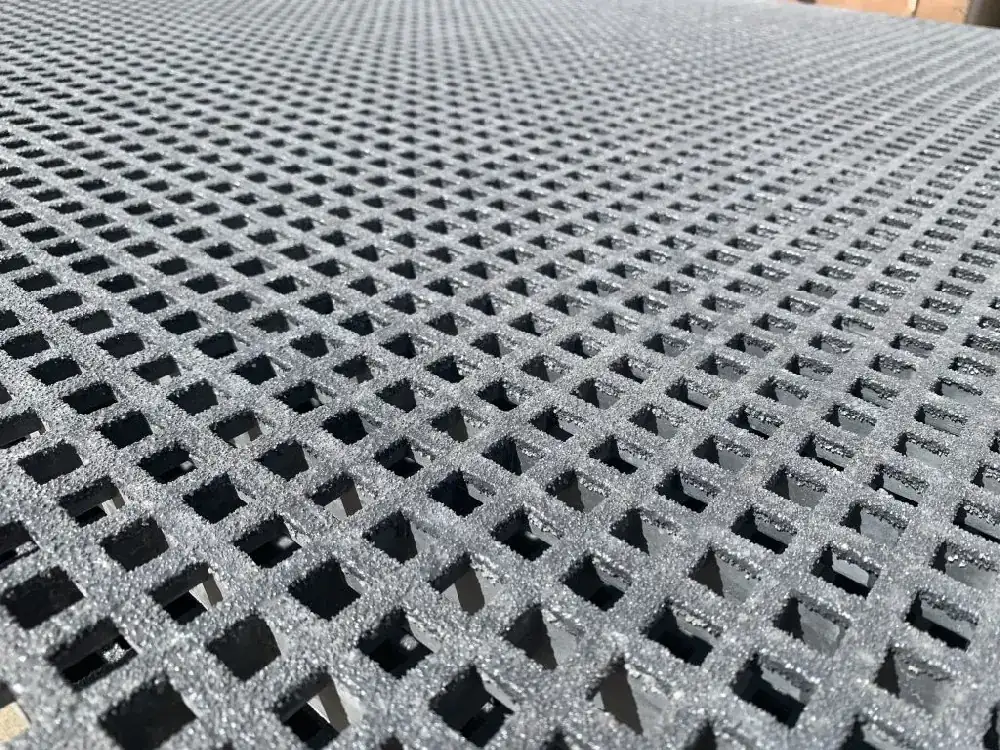
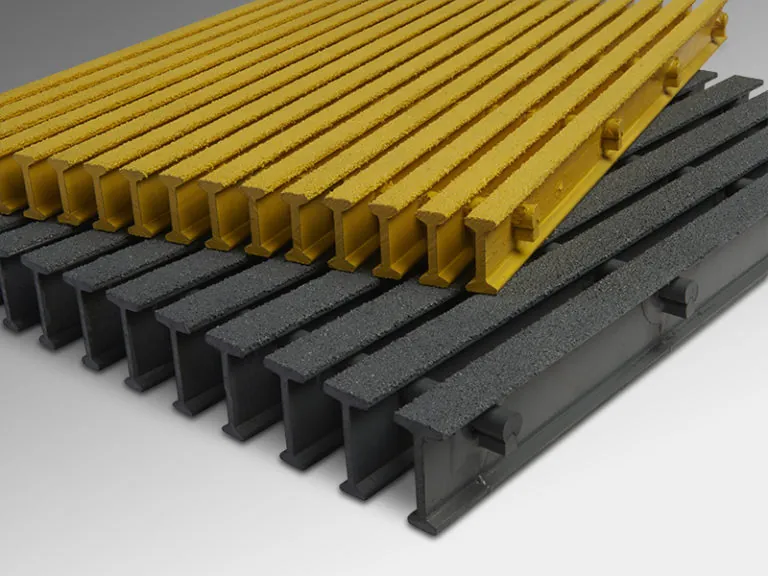
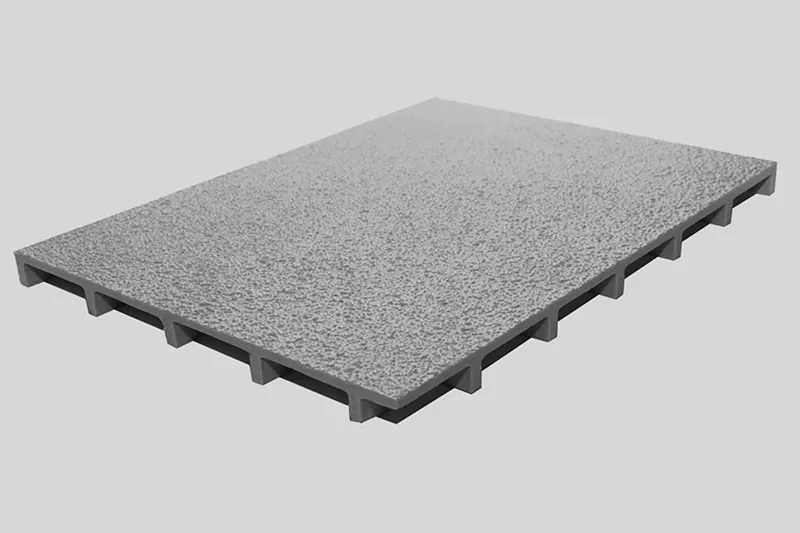
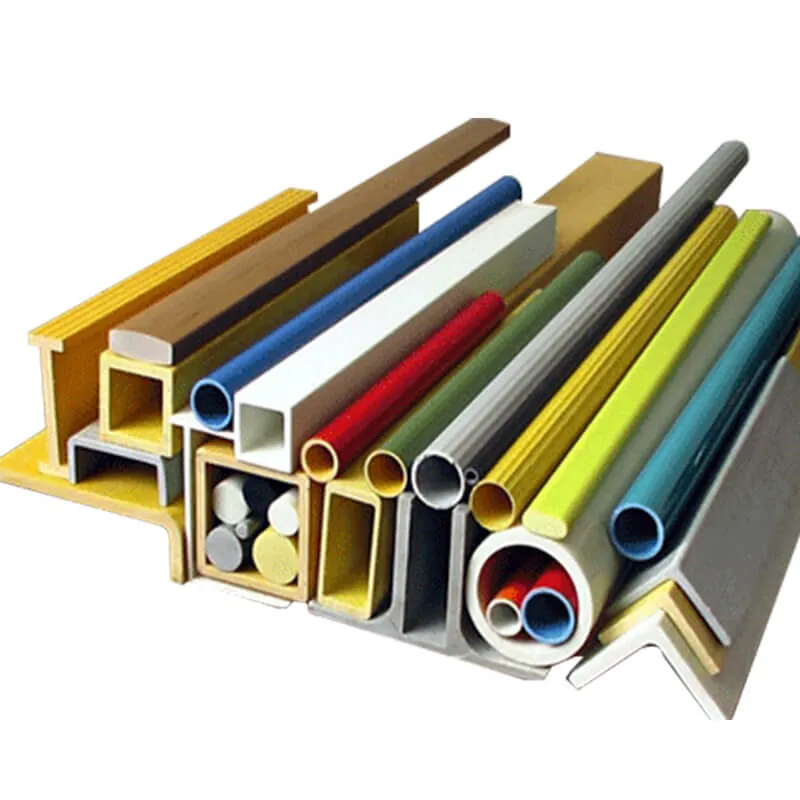
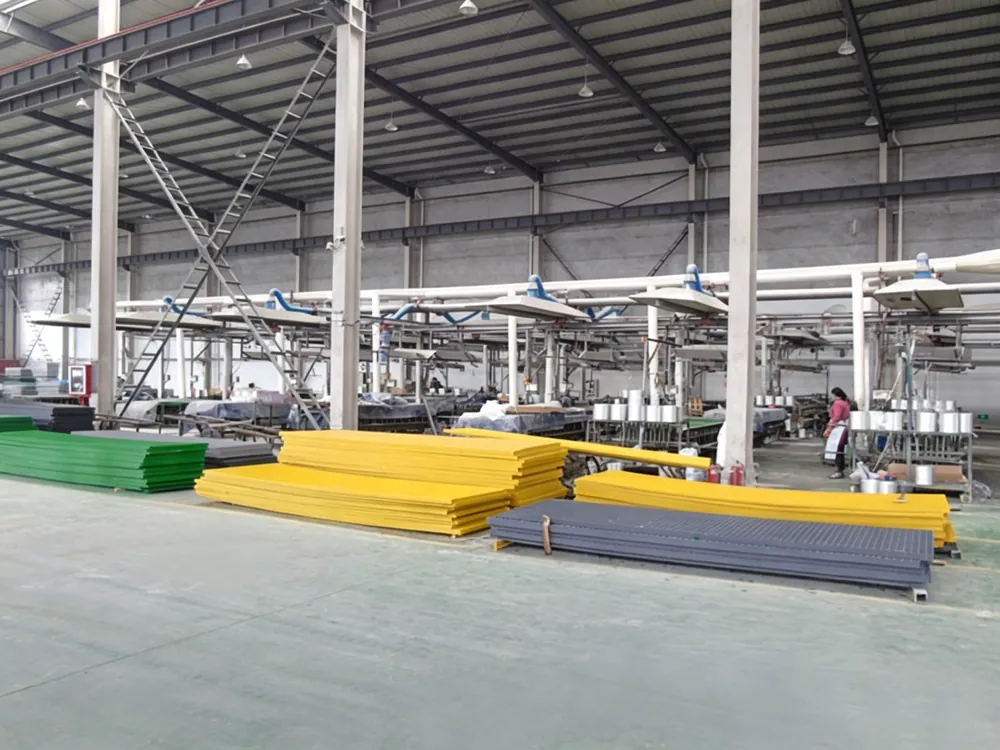
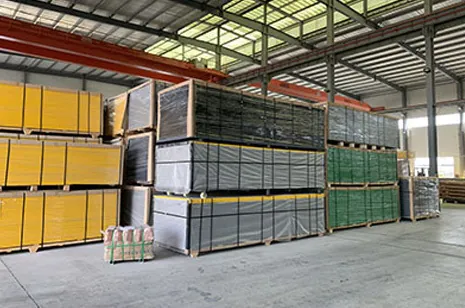
The US FRP grating market is a leading global market driven by chemical, offshore, water and power demand through 2035; ASTM compliance and OSHA specs shape the product.
- Best for: US market sizing and entry context
- Key drivers: corrosion replacement, safety (OSHA/ASTM)
- Key spec: ASTM load/E-84 FR, OSHA-compliant anti-slip
1. Market Overview
The United States fiber-reinforced plastic (FRP) grating market represents one of the most mature and stable segments of the global composites industry. Driven by persistent demand from corrosion-prone industrial environments, FRP grating has established itself as a cost-effective alternative to traditional steel, aluminum, and stainless steel flooring solutions.
As of 2024, the U.S. FRP grating market was valued at approximately USD 56.4 million, with projections indicating growth to USD 95.2 million by 2035, representing a compound annual growth rate (CAGR) of 4.8% over the forecast period. The North American molded FRP grating sub-segment alone reached USD 35.74 million in 2024 and is expected to reach USD 46.70 million by 2032, growing at a CAGR of 3.4%.
The U.S. accounts for approximately 26% of global FRP grating consumption, ranking second only to the Asia-Pacific region. With over 400,000 square meters of new FRP grating installed annually, the U.S. remains one of the largest single-country consumers in the industry.
2. Market Size and Growth Forecast
| Year | Market Size (USD Million) | Growth Rate |
|---|---|---|
| 2024 | 56.4 | - |
| 2025 | 59.2 | 5.0% |
| 2030 (est.) | 74.8 | 4.8% CAGR |
| 2035 | 95.2 | 4.8% CAGR |
Source: Market Research Future, Data Bridge Market Research
The market exhibits steady, non-cyclical growth characteristics, primarily because FRP grating demand is tied to infrastructure maintenance and regulatory compliance rather than discretionary capital expenditure. Even during economic downturns, corrosion-related replacement cycles continue to drive baseline demand.
3. Key Application Segments
3.1 Industrial and Chemical Processing (44.5% Market Share)
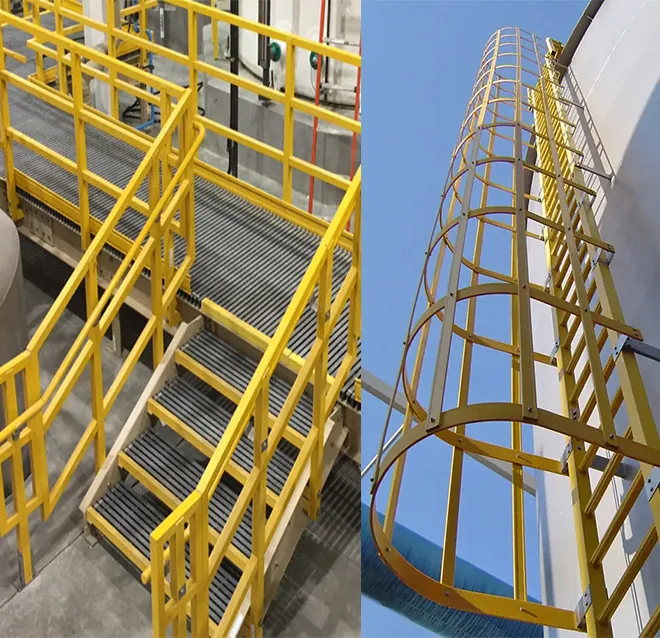
The largest application segment for FRP grating in the U.S. is industrial and chemical processing, accounting for approximately 44.5% of total market value. Chemical plants, refineries, and manufacturing facilities utilize FRP grating for operating platforms, walkways, stair treads, ladder systems, trench covers, and spill containment areas.
In chemical processing environments, FRP grating's resistance to acids, alkalis, and solvents makes it superior to galvanized steel, which requires frequent repainting and replacement. OSHA compliance has further driven adoption, with over 58% of U.S. factories now utilizing FRP gratings in stair tread applications due to their anti-slip properties and non-conductive characteristics.
3.2 Water and Wastewater Treatment (26.0% Market Share)
The water and wastewater treatment sector represents the second-largest application segment at approximately 26% of the U.S. market. Nearly 43% of municipal wastewater plants in the USA now use FRP grating for covers and walkways due to its superior durability in hydrogen sulfide-rich environments.
Key applications include clarifier walkways, aeration basin platforms, trench and channel covers, screening and grit chamber flooring, and pump station access platforms. In municipal wastewater applications, FRP grating eliminates the recoating shutdowns that interrupt operations — shutdowns that cost an estimated USD 8–15/m² per cycle based on published industrial maintenance rates.
3.3 Marine and Offshore (Emerging Segment)
The U.S. marine sector has incorporated FRP grating in approximately 31% of dock platforms. Coastal marinas, shipyards, and offshore platforms benefit from FRP's resistance to saltwater corrosion and its lightweight properties, which reduce structural load requirements.
3.4 Infrastructure and Civil Engineering (19.1% Market Share)
The infrastructure segment, accounting for approximately 19.1% of the market, includes pedestrian bridges, transit station platforms, parking structure drainage systems, power generation facility access, and food and beverage processing plants. In food processing environments, FRP grating's non-rusting, non-flaking surface meets FDA hygiene requirements.
4. Competitive Landscape
The U.S. FRP grating market exhibits a moderately consolidated competitive structure, with the top five manufacturers collectively holding approximately 52% of the market share in 2025.
4.1 Strongwell Corporation (Market Leader)
Headquartered in Bristol, Virginia, Strongwell Corporation is the undisputed market leader, maintaining an estimated 18% share of global production capacity with annual grating output exceeding 12 million square meters. The company's DURAGRATE molded fiberglass grating and DURADEK/DURAGRID pultruded grating lines are manufactured exclusively in the USA, meeting FGMC standards, ASTM F3059, and USCG requirements.
4.2 Fibergrate Composite Structures Inc.
Based in Dallas, Texas, Fibergrate represents the second-largest competitor with approximately 11% market share. The company operates multiple production facilities across North America and offers a comprehensive range including molded gratings, Safe-T-Span pultruded grating, High Load, Micro-Mesh, Ecograte, and Covered Grating variants.
4.3 Bedford Reinforced Plastics
Bedford Reinforced Plastics holds approximately 9-15% market share, with annual production capacity of approximately 9 million square meters. The company's PROGrid High Load Capacity (HLC) molded FRP grating targets heavy-duty industrial applications.
4.4 Other Key Players
Liberty Pultrusions (~8% share), Meiser Grating (~9% share), IKG (Harsco), and regional fabricators and distributors collectively serve local markets with cut-to-size and custom fabrication services.
5. Growth Drivers
Corrosion Resistance and Lifecycle Cost Advantages: FRP offers 40-45% lower total cost of ownership (TCO) versus galvanized steel over a 20-year period, with payback periods of 4-6 years through maintenance savings alone.
Infrastructure Investment: The EPA estimates that over $470 billion in wastewater infrastructure investment is needed over the next 20 years, much of which will involve FRP grating.
Lightweight and Installation Efficiency: FRP grating is 70-80% lighter than steel, enabling 2-3 workers to install panels manually without heavy equipment. Installation time is 30-40% faster than steel.
6. Market Challenges
Import Competition: Chinese and other Asian manufacturers continue to pressure pricing in the U.S. market, particularly for standard molded grating products.
7. Future Outlook and Opportunities
Solar PV Rooftop Walkways: The rapidly growing U.S. solar industry presents a significant emerging opportunity. Solar rooftop maintenance walkways require lightweight, non-conductive, corrosion-resistant flooring — precisely FRP grating's strengths.
Electric Vehicle (EV) Charging Infrastructure: EV charging stations, particularly those in coastal and northern states with road salt exposure, require corrosion-resistant flooring.
Data Centers: The explosive growth of data centers creates demand for raised access flooring, cable tray supports, and maintenance walkways where FRP's non-conductive and lightweight properties offer advantages.
Custom and Engineered Solutions: As the market matures, growth will increasingly come from custom-engineered FRP grating solutions tailored to specific project requirements.
8. Conclusion
The U.S. FRP grating market is a stable, growing segment driven by fundamental advantages in corrosion resistance, lifecycle cost, and safety performance. With a projected CAGR of 4.8% through 2035, the market offers steady growth opportunities for manufacturers, distributors, and fabricators.
Key success factors include strong technical engineering capabilities, domestic manufacturing ensuring quality and fast delivery, deep application expertise in corrosion-prone industries, education of specifiers on total cost of ownership, and development of emerging applications such as solar walkways and EV infrastructure.
While import competition and initial cost perceptions present challenges, the fundamental performance advantages of FRP grating, combined with growing infrastructure investment needs, position the U.S. market for sustained growth over the next decade.
Sources: Market Research Future, Data Bridge Market Research, Global Market Insights, Future Market Insights, Industry Research, PW Consulting, Dataintelo, Chemical Research Insight
Frequently Asked Questions
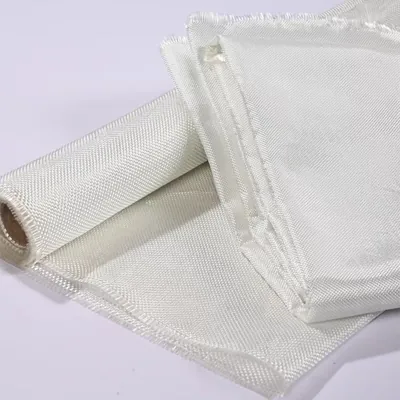
FRP (Fiberglass Reinforced Plastic) grating is a molded or pultruded fiberglass composite grid used for corrosion-resistant walkways, platforms and floorings. It combines glass fiber reinforcement with thermoset resin (polyester, vinyl ester, epoxy) for superior strength-to-weight ratio, zero rust and 20+ year service life.