Offshore and marine platforms specify FRP grating for saltwater corrosion resistance, low weight and fire retardancy — pultruded FRP with FR and UV-stabilized resin is the marine standard.
- Best for: offshore decks, helidecks, ships and coastal walkways
- Specify when: salt spray, fire and weight matter — pultruded FR + UV resin
- Key spec: FR (flame-retardant), UV-stabilized, ASTM load class
FRP Grating for Offshore & Marine
Offshore platforms and marine environments are the most corrosive settings on Earth. FRP grating is the material of choice for these demanding applications.
Why FRP for Marine/Offshore?
- Immune to saltwater corrosion (unlike steel which rusts in months)
- UV resistant formulations for sun exposure
- Non-conductive - electrical safety on platforms
- Lightweight - reduces topside weight
- Low maintenance - no painting in hard-to-reach areas
- Fire retardant options available
Recommended Specifications
Resin: Vinyl ester with UV stabilizers (standard for marine)
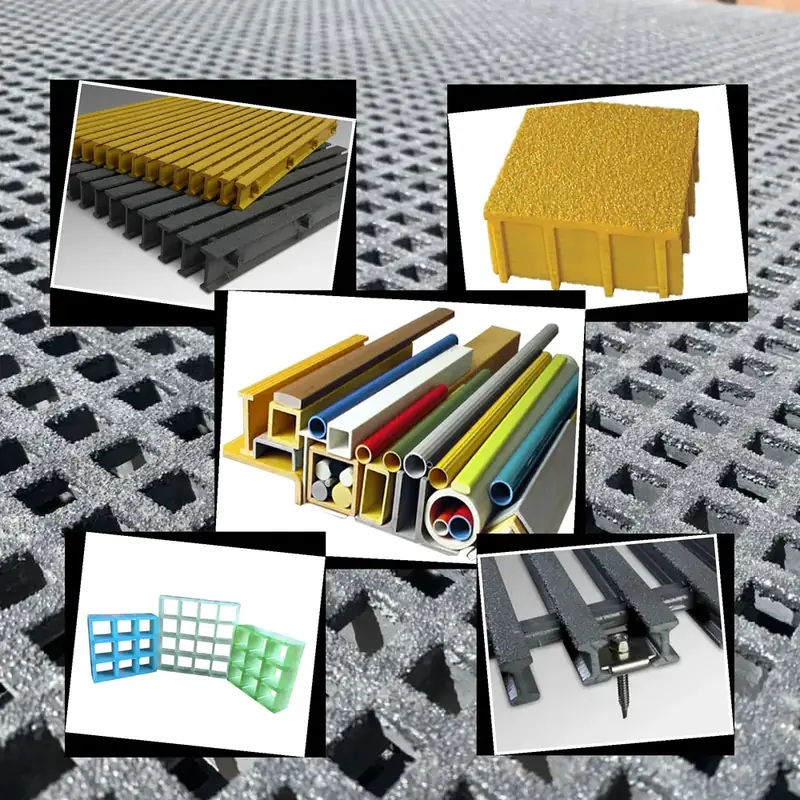
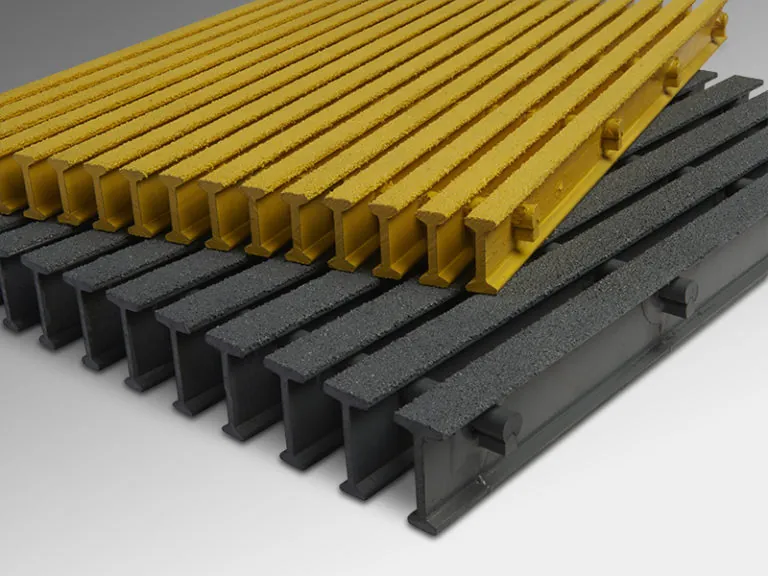
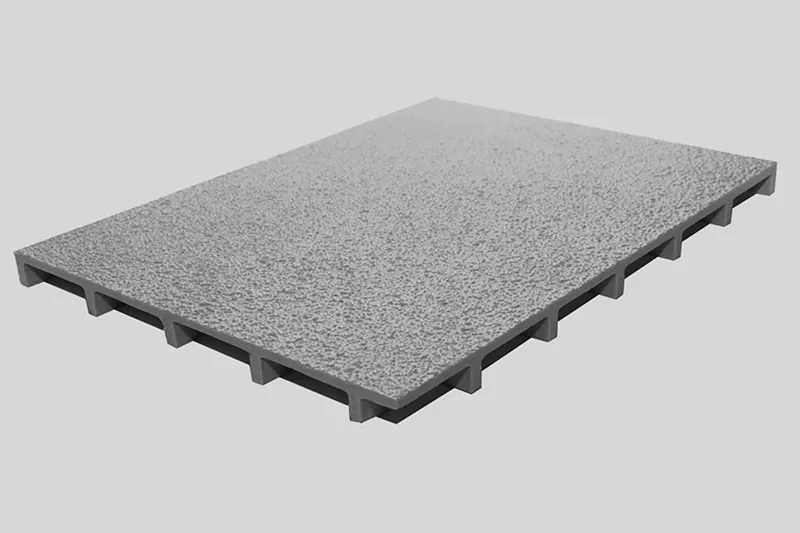
Grating Type: Pultruded for long spans, molded for general areas
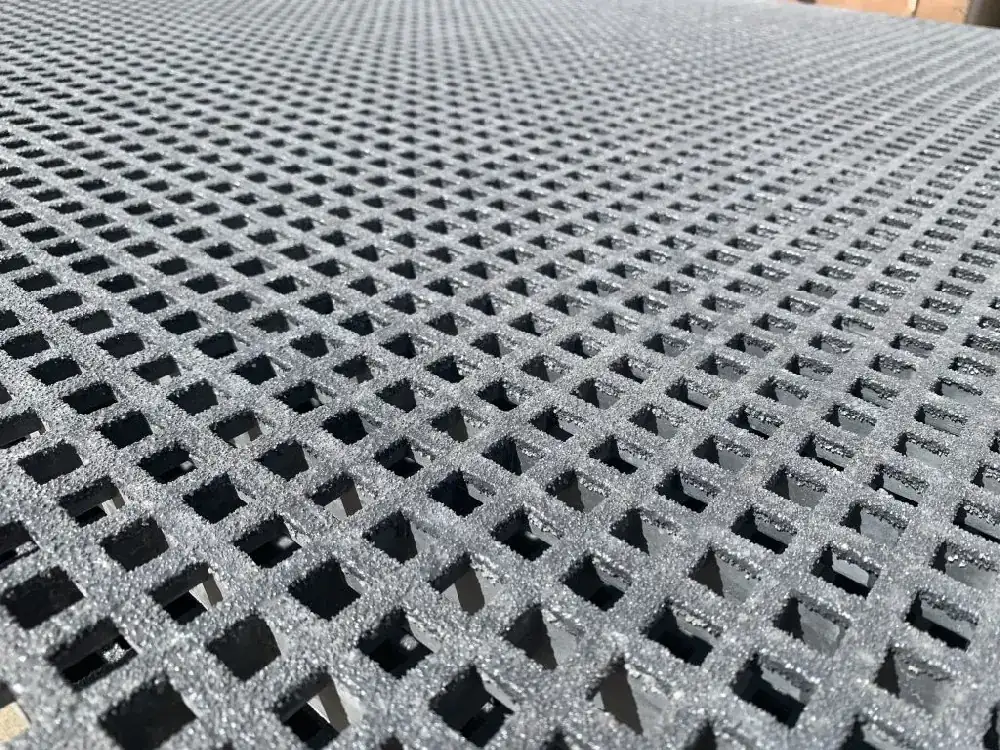
Surface: Grit surface for wet/heaving deck areas
Fire Rating: Class A or B depending on platform requirements
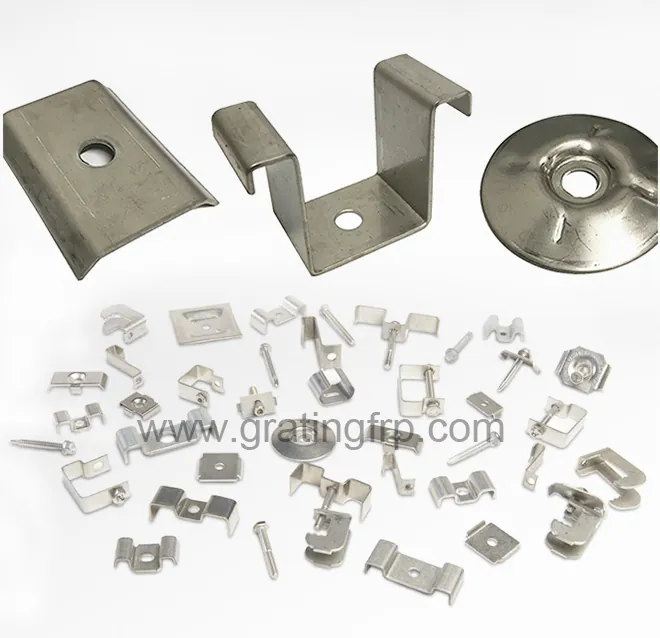
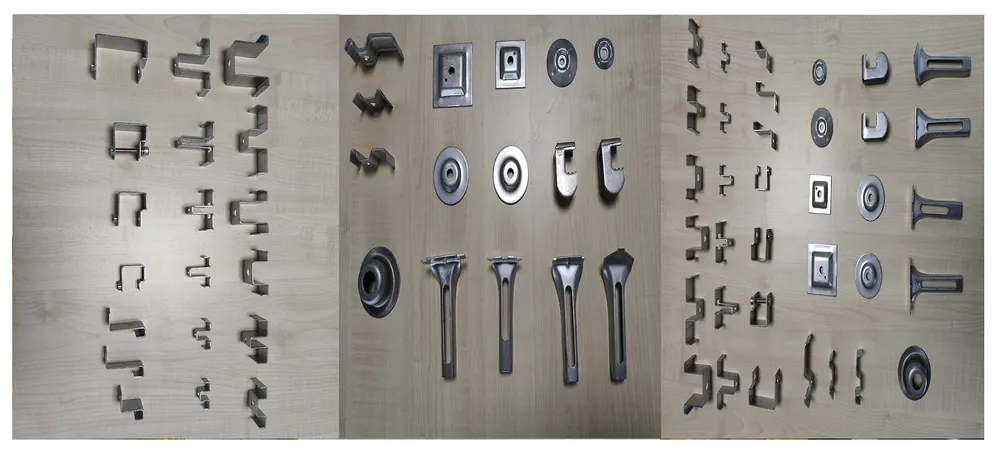
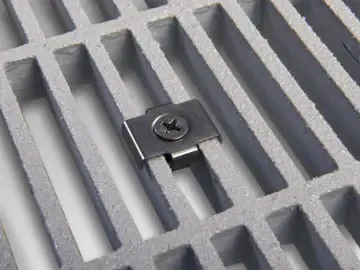
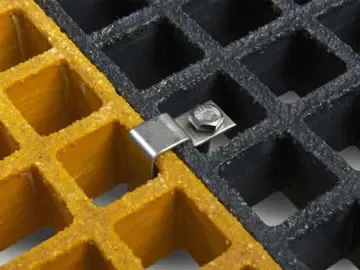
Clips: SS316 stainless steel (marine grade)
Marine Standards
- DNV GL - Det Norske Veritas (Norway)
- ABS - American Bureau of Shipping
- IMO - International Maritime Organization
- NORSOK - Norwegian offshore standard
Typical Marine Applications
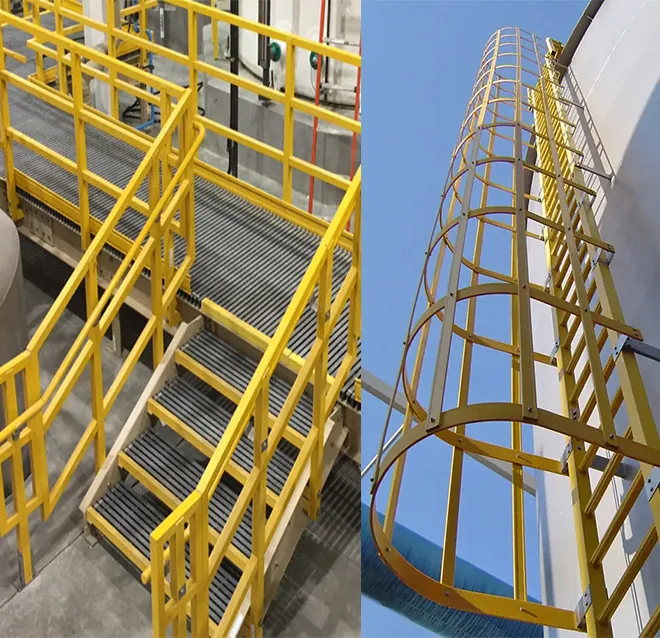
- Offshore platform walkways and helidecks
- Ship decks and gangways
- Dock and pier walkways
- Desalination plants
- Coastal power plants
- Boat docks and marinas
Real Project: Offshore Platform - Norway
- Product: Pultruded FRP grating, vinyl ester
- Quantity: 1,280 m²
- Surface: Gritted
- Clips: SS316
- Application: Offshore walkway
- Challenge: Saltwater + high corrosion + electrical isolation
Frequently Asked Questions
FRP (Fiberglass Reinforced Plastic) grating is a molded or pultruded fiberglass composite grid used for corrosion-resistant walkways, platforms and floorings. It combines glass fiber reinforcement with thermoset resin (polyester, vinyl ester, epoxy) for superior strength-to-weight ratio, zero rust and 20+ year service life.