GRP and FRP are the same material — glass-reinforced/fiber-reinforced plastic; the term differs by region (GRP in Europe/UK, FRP in the US), with identical properties.
- Best for: clarifying terminology between buyers and suppliers
- Use when: comparing quotes that call the same product GRP or FRP
- Key spec: EN 13706, ASTM; GRP=FRP same product
1. GRP vs FRP: The Same Material, Different Names
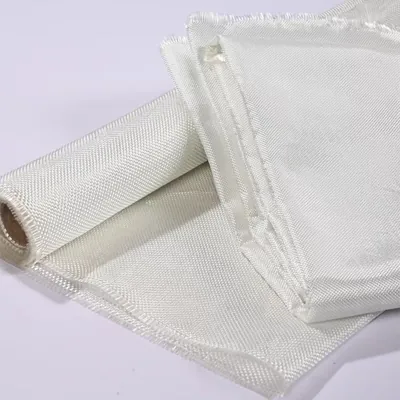
GRP (Glass Reinforced Plastic) and FRP (Fiber Reinforced Plastic) refer to the exact same material: fiberglass reinforced polymer composite. The difference is regional terminology. In Europe (UK, Germany, France, Spain), engineers and buyers typically use "GRP". In North America and Asia, "FRP" is more common. Both terms describe a composite material made of glass fibers embedded in a thermoset resin (polyester, vinyl ester, or epoxy). Some regions also use "fiberglass reinforced plastic" or "fiberglass grating" interchangeably.
2. Why Do Both Terms Exist?
The terminology difference comes from historical standards development. British/European standards (BS EN 13706) adopted "GRP" (Glass Reinforced Plastics) in the 1960s-70s. American standards (ASTM D3916) adopted "FRP" (Fiber Reinforced Plastics) around the same time. ASTM later broadened the term to include carbon fiber and aramid reinforcements, but for fiberglass grating specifically, FRP and GRP are identical. In procurement documents, you may see both terms used interchangeably — they specify the same product.
3. Regional Search Patterns: Which Term Should You Target?
For SEO and marketing, it's critical to target BOTH terms because search behavior differs by region. In the UK, Ireland, Australia, and European markets, buyers search for "GRP grating", "GRP walkway", "GRP covers". In the US, Canada, and China, buyers search for "FRP grating", "fiberglass grating", "FRP walkway". ZEALL GRATING optimizes for both terms to capture global demand. When writing specifications, include both: "FRP/GRP fiberglass grating" to ensure your project reaches the right suppliers regardless of regional terminology.
4. Other Common Synonyms
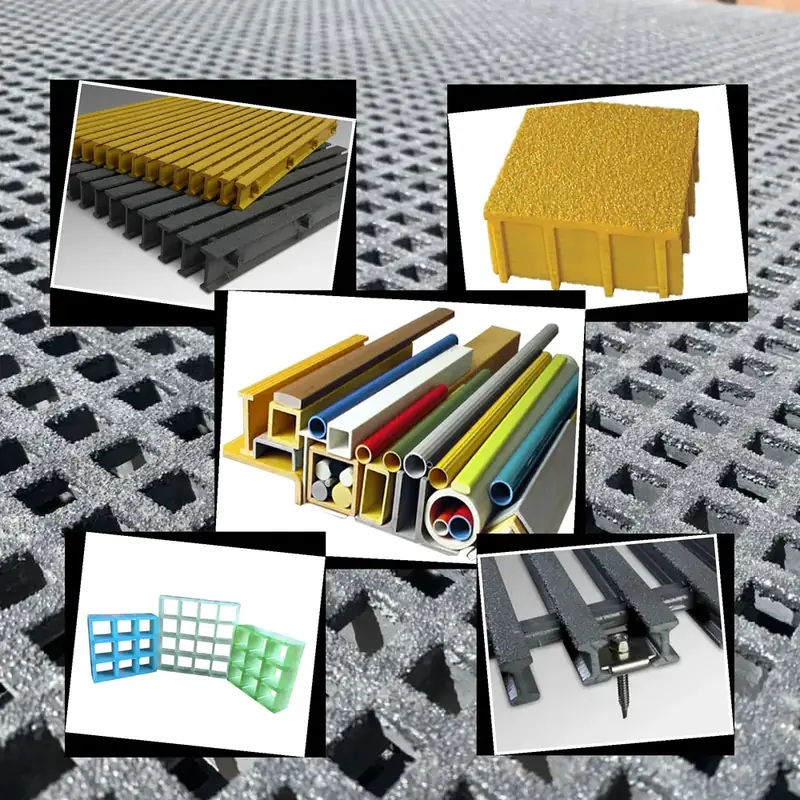
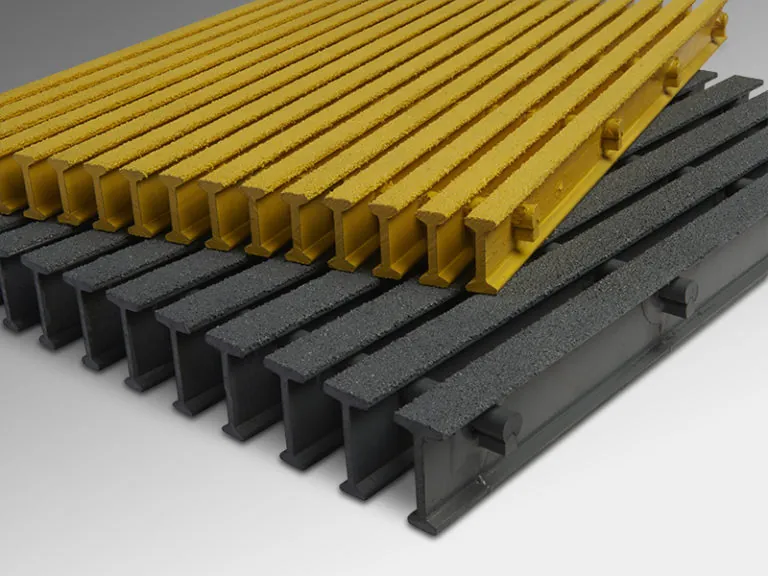
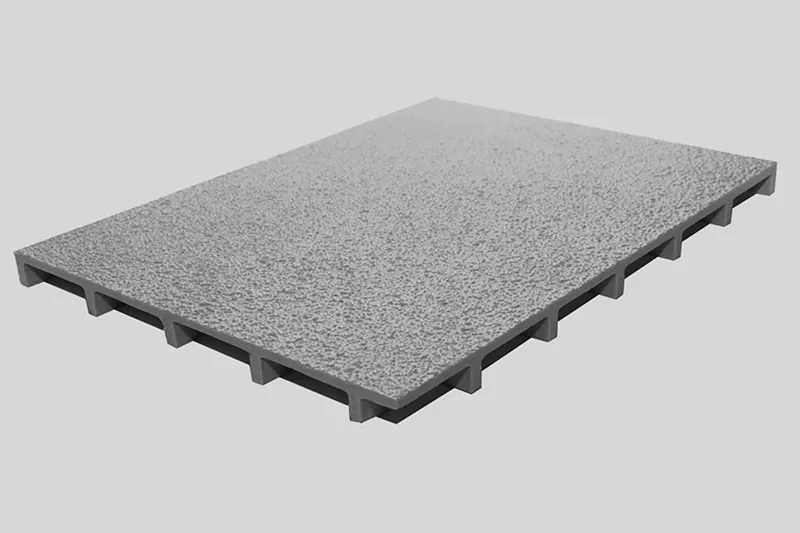
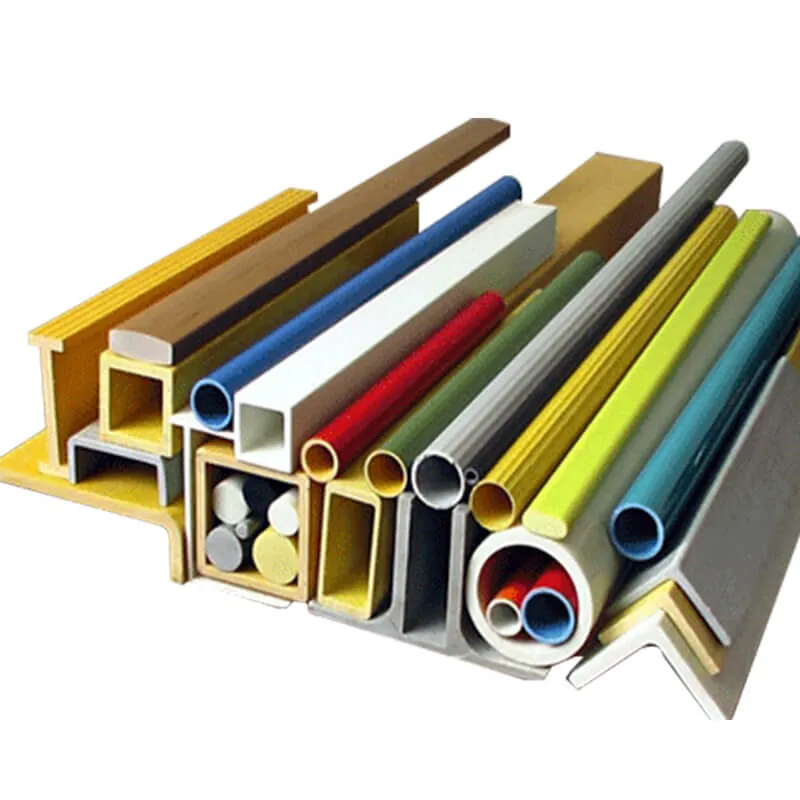
Beyond GRP and FRP, you may encounter: fiberglass grating (most descriptive, used globally), fibreglass grating (British spelling), composite grating (broader category including carbon fiber), reinforced plastic grating, and pultruded/molded grating (by manufacturing process). The material is also called "fiberglass reinforced polymer" or "glass fiber reinforced plastic" in technical literature. For product specifications, the most precise term is "fiberglass reinforced plastic grating (FRP/GRP), molded or pultruded type, per ASTM D3916 / EN 13706."
5. Does the Difference Affect the Product?
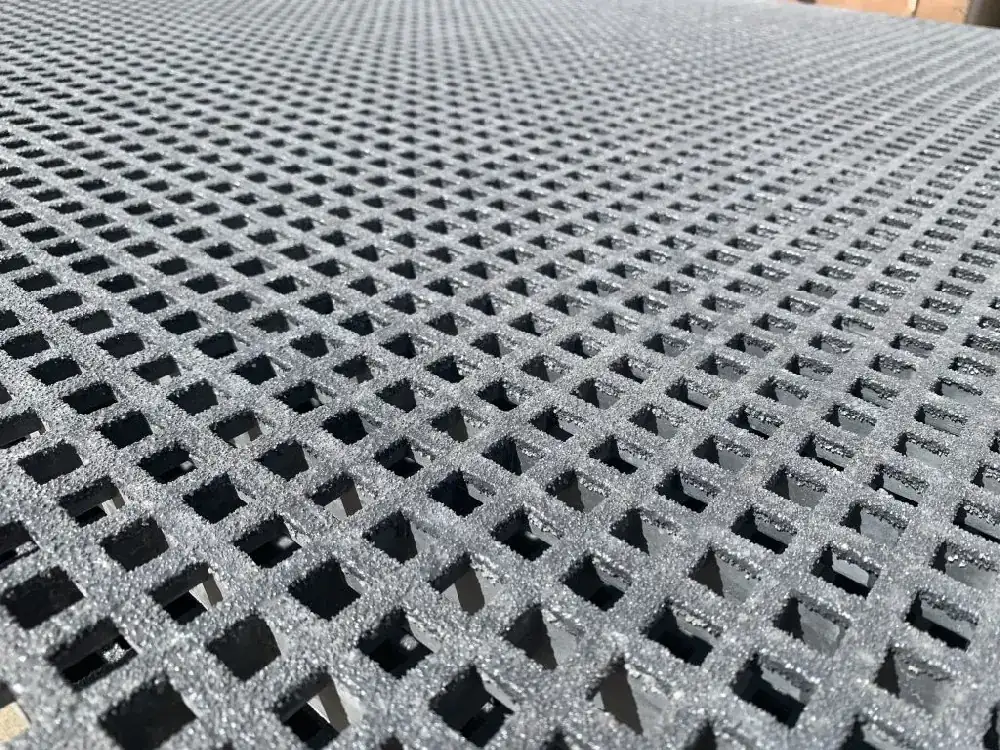
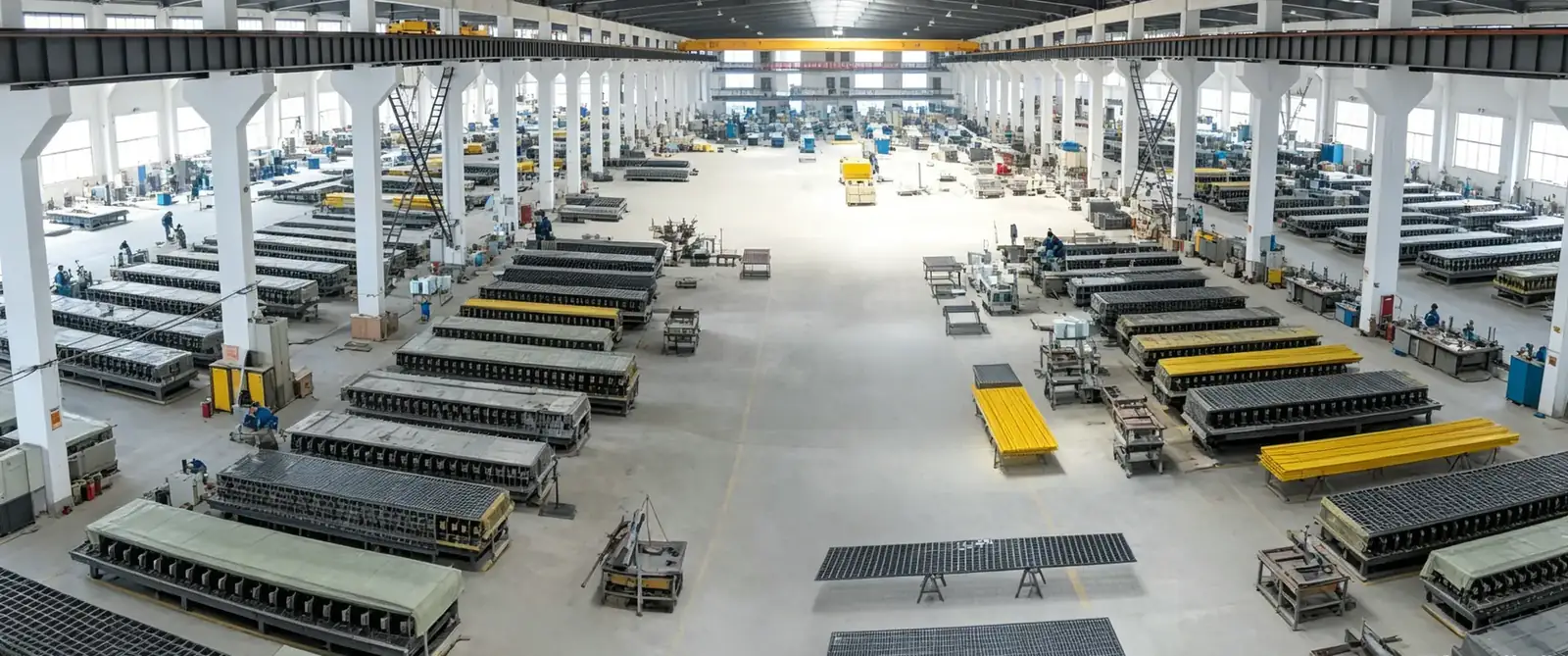
No. The material composition, manufacturing process, mechanical properties, and performance are identical regardless of whether you call it GRP or FRP. What matters is: resin type (polyester vs vinyl ester vs epoxy), manufacturing process (molded vs pultruded), surface type (concave vs grit-top vs smooth), and thickness. A GRP grating from ZEALL manufactured to ISO 9001 standards performs exactly the same as an FRP grating from the same production line. The only difference is the label on the drawing.
6. How to Specify Grating Without Confusion
When writing a specification, avoid relying on terminology alone. Be specific: "Molded fiberglass (FRP/GRP) grating, 38mm thickness, 38×38mm mesh, isophthalic polyester resin, concave top surface, ASTM E-84 Class B fire rating, per ASTM D3916." Include performance requirements: load capacity at specified span, deflection limit, corrosion resistance to specific chemicals. This ensures you get the right product regardless of which term the supplier uses. ZEALL GRATING produces both FRP and GRP labeled products from the same ISO 9001 factory — we understand both terminology systems and can label to your specification.
Frequently Asked Questions
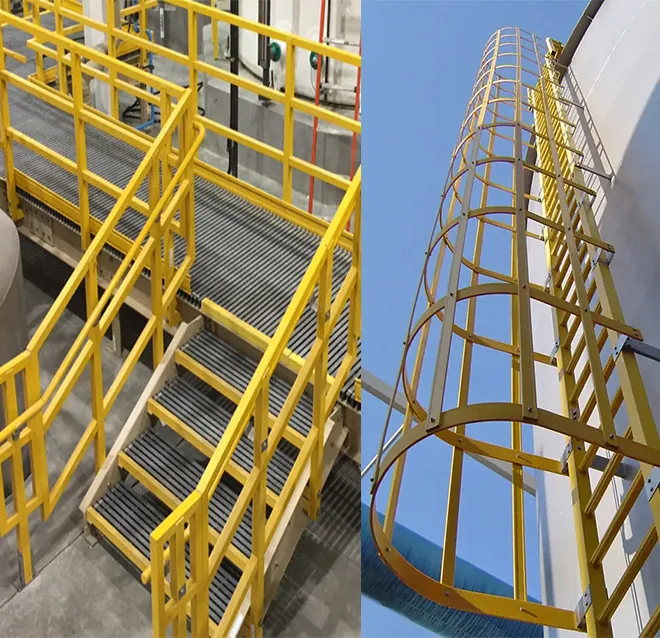
FRP (Fiberglass Reinforced Plastic) grating is a molded or pultruded fiberglass composite grid used for corrosion-resistant walkways, platforms and floorings. It combines glass fiber reinforcement with thermoset resin (polyester, vinyl ester, epoxy) for superior strength-to-weight ratio, zero rust and 20+ year service life.