FRP Grating in Montreal: Quebec’s Bilingual Industrial Port City
Montreal is Canada’s second-largest city and the economic heart of Quebec, a bilingual French-English metropolis on the Island of Montreal where the St. Lawrence River meets the Ottawa River. The metropolitan area hosts one of North America’s principal inland ocean ports, a major aerospace cluster, a significant pharmaceutical and life-sciences sector, and the densest concentration of pulp and paper operations in eastern Canada. For engineering contractors and plant owners in this corridor, FRP grating provides a lightweight, non-conductive and corrosion-proof walkway and platform material that never needs painting or rust repair.
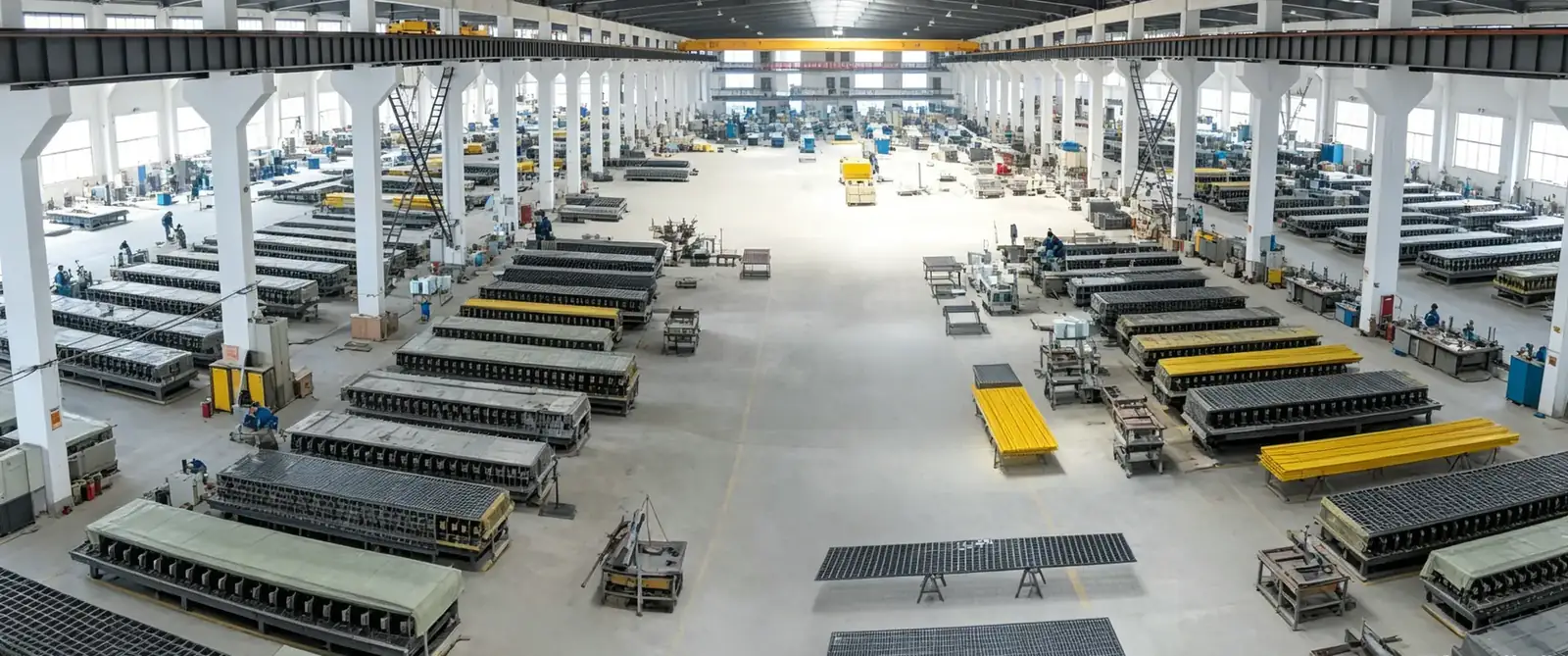
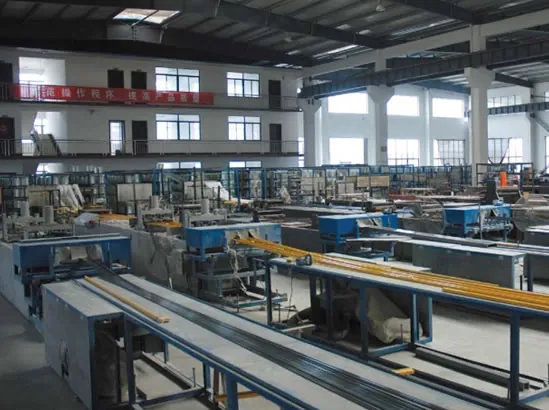
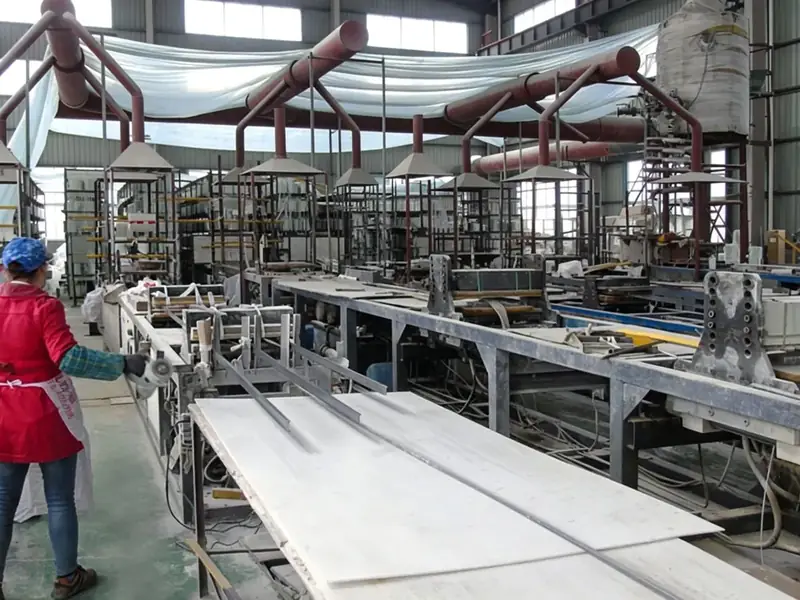
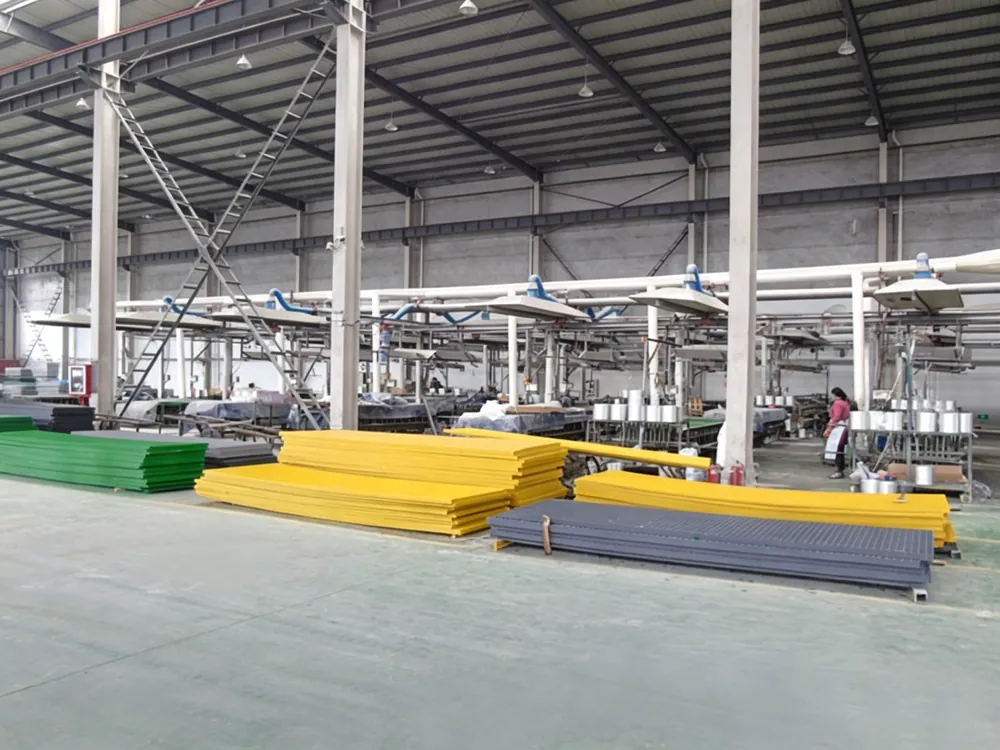
As a direct fiberglass grating manufacturer, NANTONG ZEALL supplies Montreal and Quebec project teams with molded and pultruded FRP grating, stair treads, solid covers and fastener clips, backed by in-house load calculations and factory-direct pricing from USD 15 to 95 per square meter.
Ocean Freight to Montreal: Panama Canal Routing and the Year-Round Icebreaker Port
Because Montreal sits on Canada’s east coast, ocean freight from China typically travels the all-water route through the Panama Canal. Sailing from Shanghai to the Port of Montreal, the voyage runs approximately 28–35 days port-to-port over roughly 10,700 nautical miles. A common alternative is to discharge at the Port of Halifax, where sailings from Ningbo run approximately 25–28 days over about 9,450 nautical miles, and then move the containers by CN or CPKC rail or by highway truck into Quebec. These figures are industry reference ranges rather than carrier guarantees, and they exclude port handling, customs and inland drayage.
A point buyers often ask about: the Port of Montreal itself operates year-round. Icebreaker support keeps the river channel open through the winter months, so cargo keeps moving at the terminal. What closes seasonally, roughly January to March, is the upstream St. Lawrence Seaway — that closure affects Great Lakes-bound shipping, not Montreal terminal operations.
Import clearance is handled by the Canada Border Services Agency (CBSA) through the CARM portal, using a commercial invoice and a Commercial Accounting Declaration; duties and GST or QST are assessed on the value for duty. Your customs broker can confirm the current rate for the applicable HS classification.
Quebec Industries That Specify FRP Grating: Pulp & Paper, Aerospace, Pharma
- Pulp & Paper — Quebec and Ontario together account for the majority of Canadian pulp and paper capacity; mills need walkways, chest covers and decking that resist acidic process water and bleach chemicals.
- Aerospace — assembly, engine maintenance and hangar facilities specify non-sparking, non-conductive platforms, cable trench covers and clean-area grating.
- Pharmaceutical & Life Sciences — wash-down floors, trench covers and mezzanine grating that withstand sanitation chemicals and high-pressure cleaning.
- Port & Intermodal Logistics — dock access, rail platform covers and seawall walkways exposed to river spray and winter de-icing salt.
- Hydroelectric Power — Hydro-Quebec operates a vast hydro system; non-conductive FRP suits substation platforms, spillway walkways and intake structures.
- Municipal Water & Wastewater — treatment plant walkways, tank covers and pump station grating that resist permanent moisture and corrosive gases.
Design References for Quebec Engineering Buyers
Our gratings are tested to ASTM E-84 for surface burning characteristics and ASTM F3059 for fiberglass grating, and are manufactured under an ISO 9001 quality management system. Quebec engineers working under the National Building Code commonly consult CSA S806 (design of building structures with fibre-reinforced polymers) and CSA S807 (FRP material specification) as design references when sizing walkway spans and checking deflection limits. These are design references rather than a mandatory product listing for industrial walkway grating.
We state only the certifications the company holds — ISO 9001, ASTM E-84, ASTM F3059, ABS, Intertek, SGS and CE — without reference numbers or expiry dates, and we do not claim marks we do not hold.
Product Selection for Montreal Port and Plant Projects
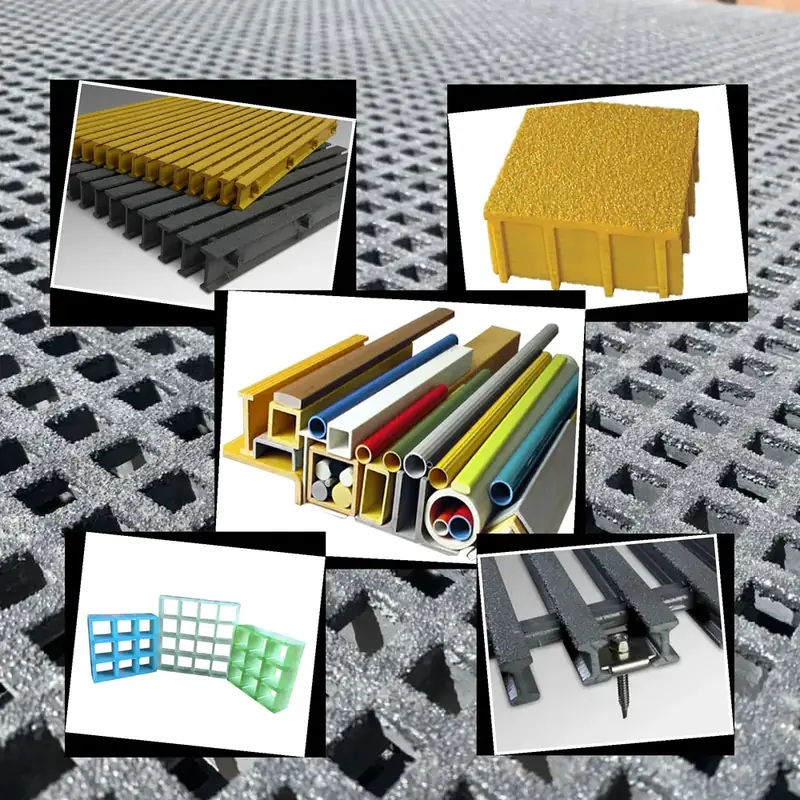
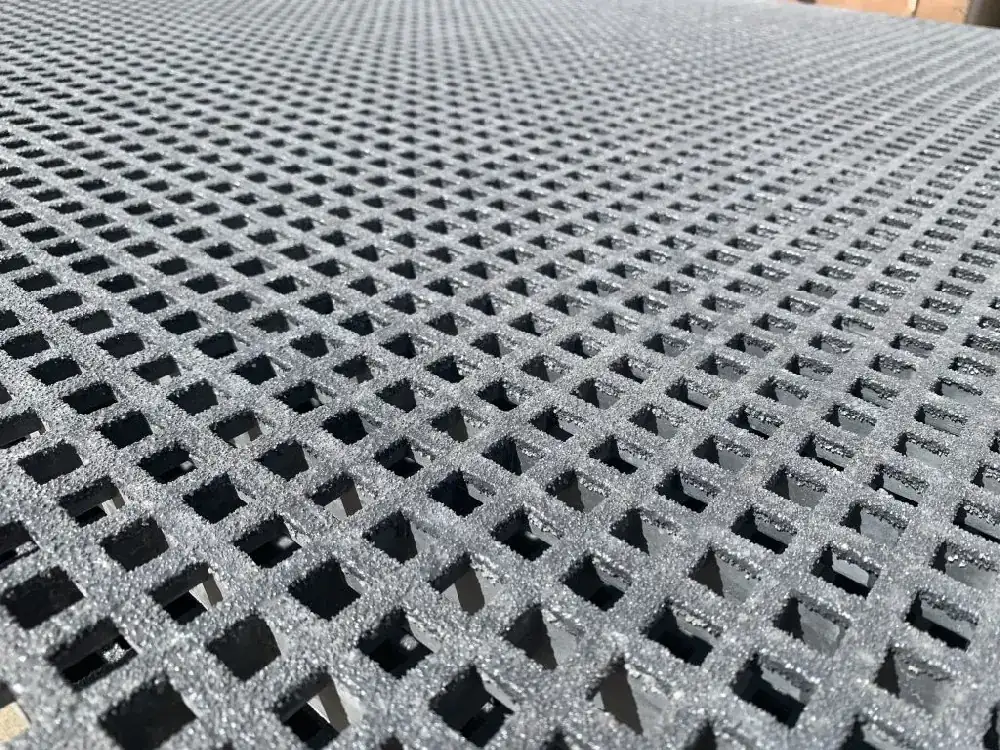
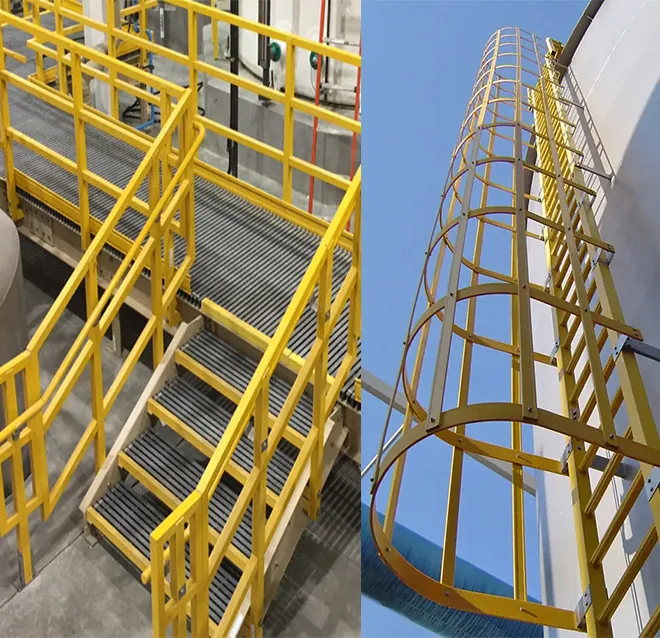
- 38 mm Molded FRP Grating — bi-directional strength for general plant walkways, available with a grit or concave anti-slip surface.
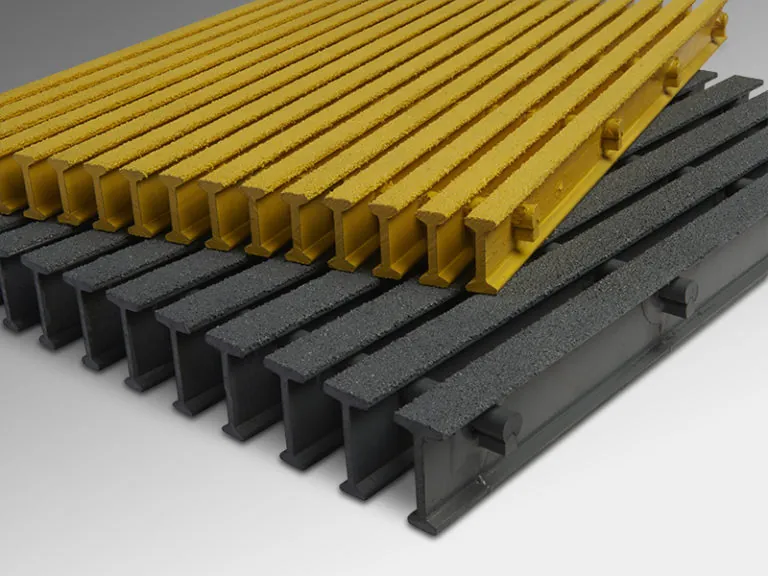
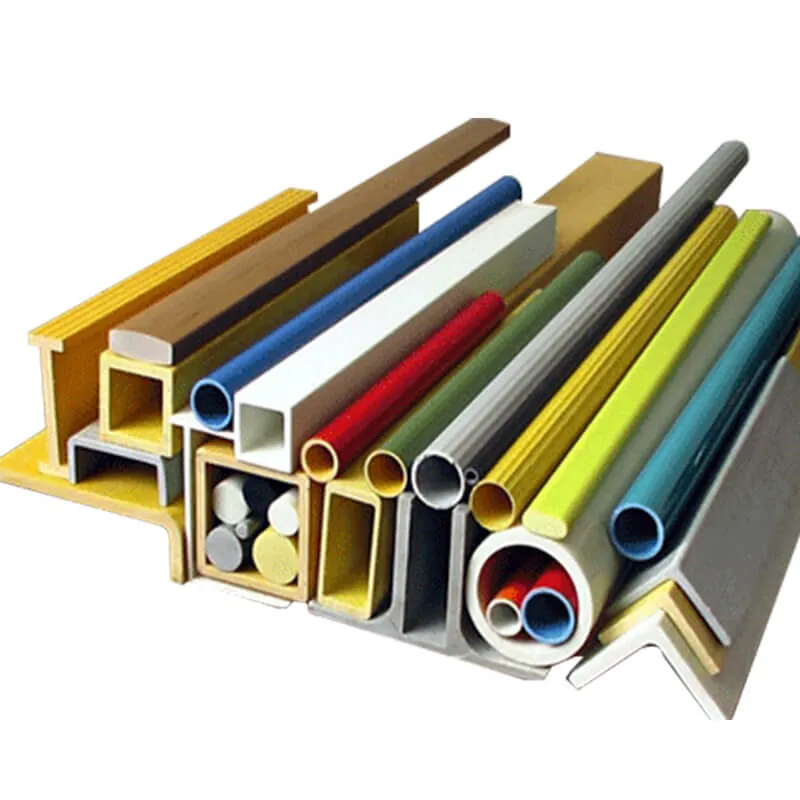
- 50 mm Pultruded FRP Grating — high uni-directional capacity for long spans and heavy-duty industrial service.
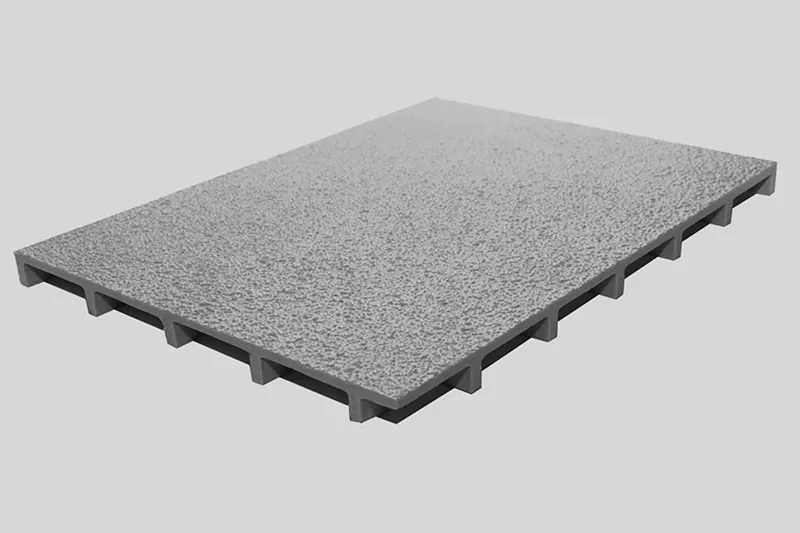
- Solid FRP Covers & Panels — tank, trench and wet-well covers for pulp, pharmaceutical and water plants.
- FRP Stair Treads — nosing-integrated, anti-slip treads for plant and terminal stair towers.
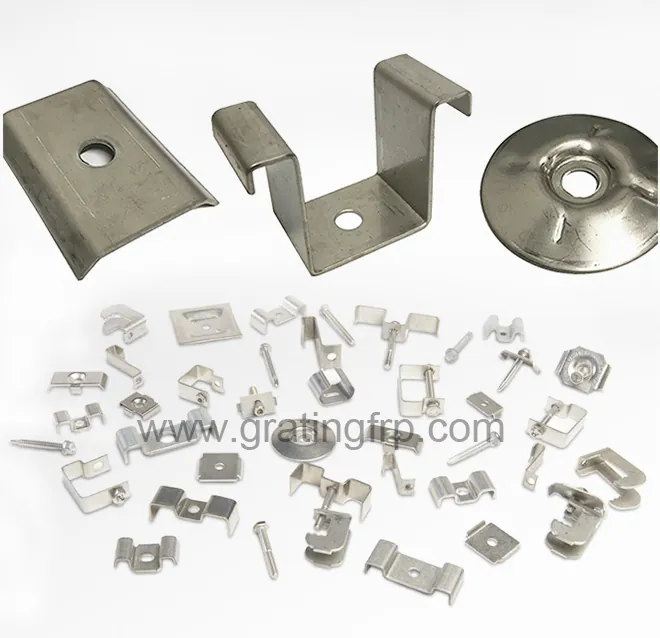
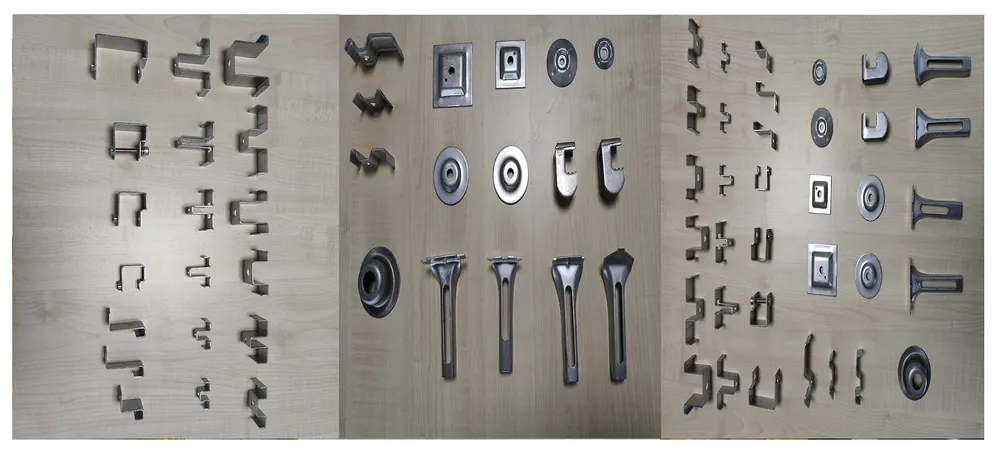
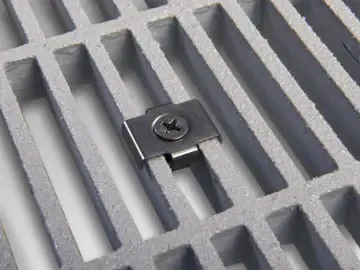
- M, C and L Clips — stainless and FRP fasteners for secure, corrosion-free panel installation.
Bilingual Tenders, Freeze-Thaw Climate and UV Performance
Montreal’s climate combines humid summers with severe, snowy winters and frequent freeze-thaw cycling, and the city is officially bilingual. Gritted FRP grating retains traction on wet, icy and snow-covered decks, and the composite does not corrode from road de-icing salt the way steel does. UV-stabilized resin with a surface veil slows resin chalking and fibre prominence under year-round sun and snow. For Quebec tenders, we supply load tables, resin data sheets and submittal documentation in English; panel layouts and span calculations can be reviewed with your local engineering consultant regardless of working language.
Factory-Direct Sourcing for Montreal and Eastern Canada
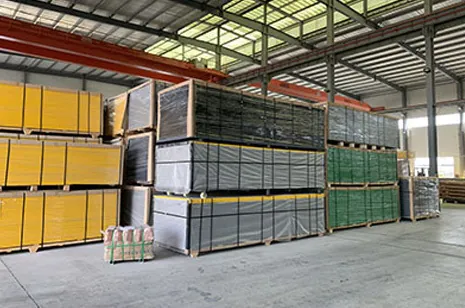
Factory-direct sourcing removes distributor and importer margins, typically delivering meaningful savings versus buying from North American stockists while keeping engineering control in-house. Standard sizes are produced in 15–25 days, with overall delivery of 12–36 working days depending on specification and routing; the minimum order is 10 square meters, and a one-piece sample can be supplied separately for evaluation. Our export record covers 45+ countries, supported by 541 customer reviews averaging 4.9 out of 5. Engineering support includes free load calculations, resin selection and panel layout, with quoting and order tracking handled through a single sales line.
Frequently Asked Questions
No. The Port of Montreal operates year-round with icebreaker support keeping the river channel open. What closes seasonally, roughly January to March, is the upstream St. Lawrence Seaway, which affects Great Lakes-bound vessels rather than Montreal terminal operations.