FRP grating needs almost no maintenance — wash with water or mild detergent, no painting, no rust treatment — which is why its 20-year lifecycle cost beats steel.
- Best for: lowering long-term ownership cost on walkways
- Clean when: process spill or grime builds up — detergent + water is enough
- Key spec: no painting/rust-proof; UV resin preserves color outdoors
1. FRP Grating Maintenance Philosophy
One of the primary advantages of FRP grating over steel is its minimal maintenance requirements. Unlike steel, which requires regular painting, rust removal, and galvanizing repair, FRP grating is essentially maintenance-free in normal environments. However, a basic inspection and cleaning program will ensure maximum service life (20-30 years) and maintain safety performance. The key principle is: FRP does not corrode, but it can suffer from mechanical damage (impact, abrasion), UV degradation (if not UV-stabilized), and surface contamination (chemicals, biofilm). A simple annual inspection and periodic cleaning is all that is required.
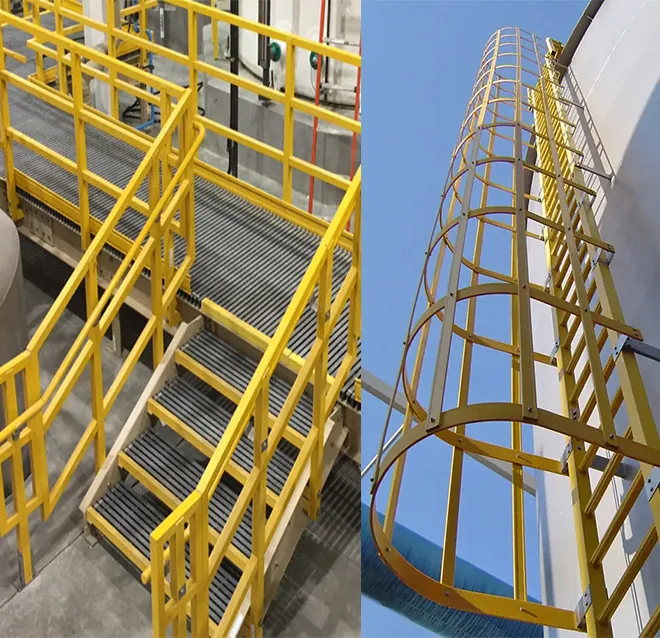
2. Recommended Inspection Schedule
Normal Environments (indoor, dry, mild): Annual visual inspection. Moderate Environments (outdoor, wastewater, general industrial): Quarterly visual inspection. Severe Environments (chemical, offshore, mining): Monthly visual inspection + quarterly detailed inspection. Inspection Checklist: 1. Visual check for cracks, chips, or impact damage. 2. Check all grating clips for tightness (re-torque if loose). 3. Check support structure for corrosion or movement (steel supports may corrode even if grating is fine). 4. Check cut edges for proper sealing (re-seal if damaged). 5. Check surface condition (grit wear, UV degradation, discoloration). 6. Check handrail systems for loose fittings. 7. Check for any deflection or sagging (indicates overloading or support failure). 8. Document findings with photos and measurements.
3. Cleaning Methods & Frequency
Normal Dust/Dirt: Sweep or vacuum, or rinse with low-pressure water. Frequency: Monthly or as needed. Oil/Grease: Use mild detergent (pH 7-9) with warm water, scrub with stiff brush, rinse thoroughly. Avoid harsh solvents (acetone, MEK) which can attack resin. Frequency: As needed. Chemical Spills: Flush immediately with large amounts of water. For acid spills, neutralize with baking soda solution first, then rinse. For alkali spills, neutralize with vinegar solution, then rinse. Frequency: Immediate. Biological Growth (algae, mold): Use bleach solution (1 part household bleach to 10 parts water), apply, let sit 15 minutes, scrub, rinse thoroughly. Frequency: Quarterly in humid environments. Heavy Contamination: Pressure washing (100-150 bar / 1500-2200 psi) with 40 degree fan nozzle, keep nozzle 30cm from surface. Do not use 0 degree nozzle (can damage surface). Frequency: Annually or as needed. Important: Never use abrasive pads or steel wool on FRP — these scratch the surface and remove the corrosion-resistant surface veil.
4. Common Repairs & How to Perform Them
Minor Surface Scratches/Chips: Clean area, apply resin coating (same resin type as grating), allow to cure. For small chips, use epoxy putty. Cracked Panels (minor): Drill stop holes at crack ends, clean and roughen area, apply FRP repair patch (glass mat + resin), cure, sand smooth. Cracked Panels (structural): Replace panel — do not attempt to repair load-bearing cracks. Worn Grit Surface: Clean thoroughly, apply grit top coating (resin + quartz grit) to restore anti-slip performance. Damaged Cut Edges: Sand edge clean, apply 2 coats of resin sealer, allow to cure. Loose Clips: Re-torque to 15-20 Nm. If clip is damaged, replace with same type and material. Faded Color (UV): UV fading is cosmetic only and does not affect structural performance. Can be restored with FRP paint or topcoat, but not required. Important: Structural repairs should be performed by qualified personnel, and load capacity should be verified after repair.
5. UV Protection & Outdoor Performance
UV-stabilized FRP grating (isophthalic polyester or vinyl ester with UV inhibitors and surface veil) provides 20+ year outdoor service life. Non-stabilized orthophthalic polyester will chalk and lose surface resin after 5-10 years of UV exposure, but this is typically cosmetic and does not affect structural integrity (glass fibers are protected by remaining resin). Signs of UV Degradation: Surface chalking (white powder when wiped), fading/discoloration, slight surface roughening. Prevention: Always specify UV-stabilized resin for outdoor applications. Surface veil (20-30 g/m2) provides additional UV protection. Maintenance: Annual washing removes surface chalk and maintains appearance. If severe chalking occurs, apply UV-resistant topcoat to restore surface. Expected Outdoor Life: UV-stabilized isophthalic — 20+ years. UV-stabilized vinyl ester — 25+ years. Non-stabilized polyester — 5-10 years (cosmetic degradation).
6. Clip & Fastener Maintenance
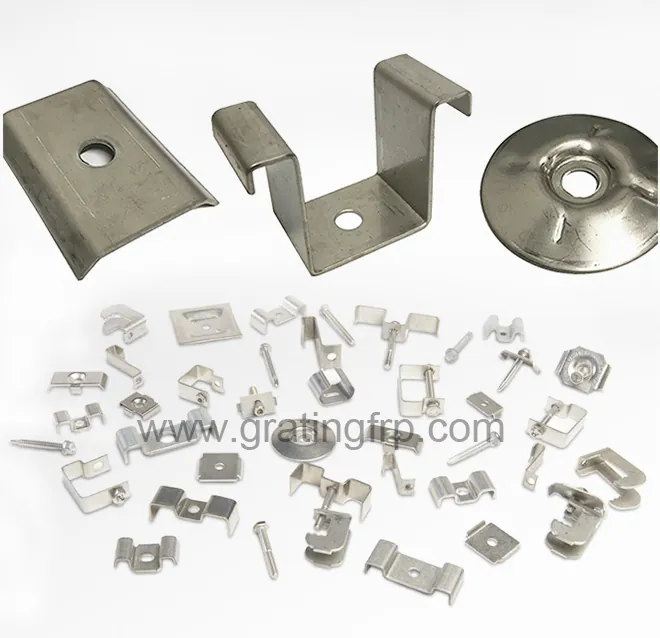
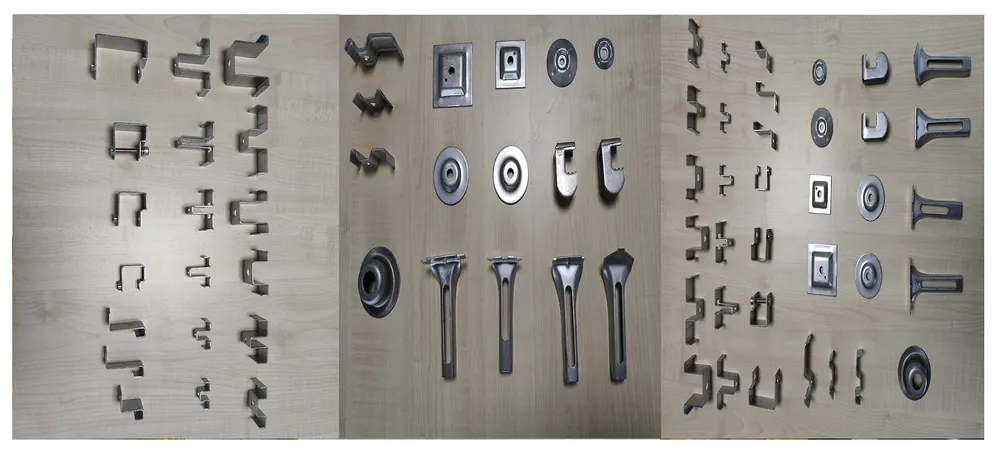
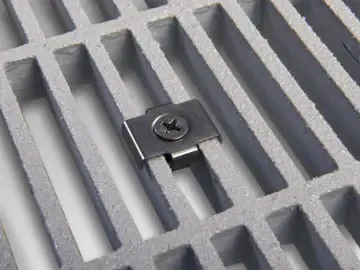
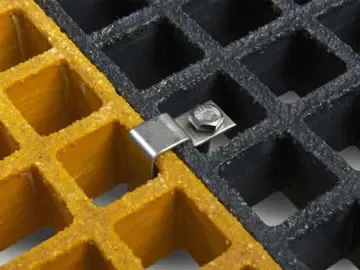
Clips and fasteners are the only metal components in an FRP grating system, and they require periodic attention. Inspection: Check all clips annually (quarterly in corrosive environments) for tightness and corrosion. Re-torque: Loose clips should be re-tightened to 15-20 Nm. Over-tightening can crack grating — use torque wrench. Corrosion: If clips show rust (galvanized steel), replace with SS304 or SS316 stainless steel. In severe corrosion (offshore, chemical), SS316 is required. Missing Clips: Replace immediately — panels with fewer than 4 clips can shift and create trip hazards. Clip Types: M-Clip (top mount, most common), C-Clip (side mount), L-Clip (edge mount). Use same type for replacement. Anti-Seize: Apply anti-seize compound to clip threads in corrosive environments to prevent galling and facilitate future removal.
7. Achieving 20+ Year Service Life — Best Practices
1. Specify the right resin for the environment (vinyl ester for severe corrosion, isophthalic for moderate, polyester for mild). 2. Specify UV-stabilized resin for all outdoor applications. 3. Ensure proper installation (correct bearing, expansion gaps, clip spacing, torque). 4. Seal all cut edges with resin (especially for vinyl ester and phenolic). 5. Use SS316 clips in corrosive environments. 6. Implement regular inspection schedule (at least annually). 7. Clean periodically (pressure wash annually). 8. Address spills immediately (do not let chemicals sit on surface). 9. Repair minor damage promptly (do not let small cracks propagate). 10. Do not exceed design loads (no heavy forklift traffic on 38mm molded grating). Following these practices will ensure 20-30 year service life, compared to 3-10 years for steel grating in corrosive environments. Total cost of ownership for FRP is 40-60% lower than steel over 20 years.
Frequently Asked Questions
FRP (Fiberglass Reinforced Plastic) grating is a molded or pultruded fiberglass composite grid used for corrosion-resistant walkways, platforms and floorings. It combines glass fiber reinforcement with thermoset resin (polyester, vinyl ester, epoxy) for superior strength-to-weight ratio, zero rust and 20+ year service life.