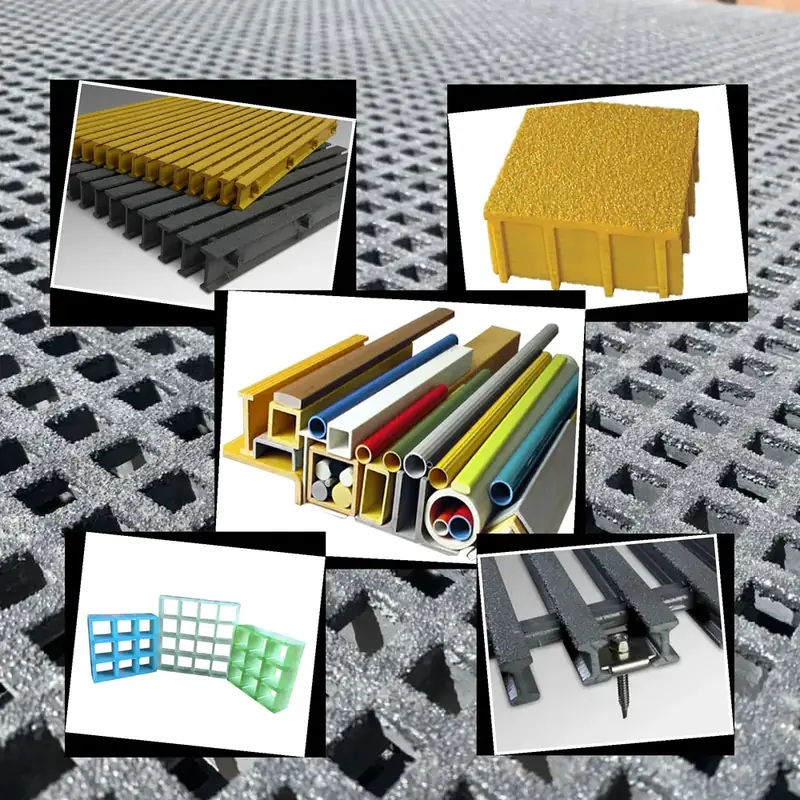
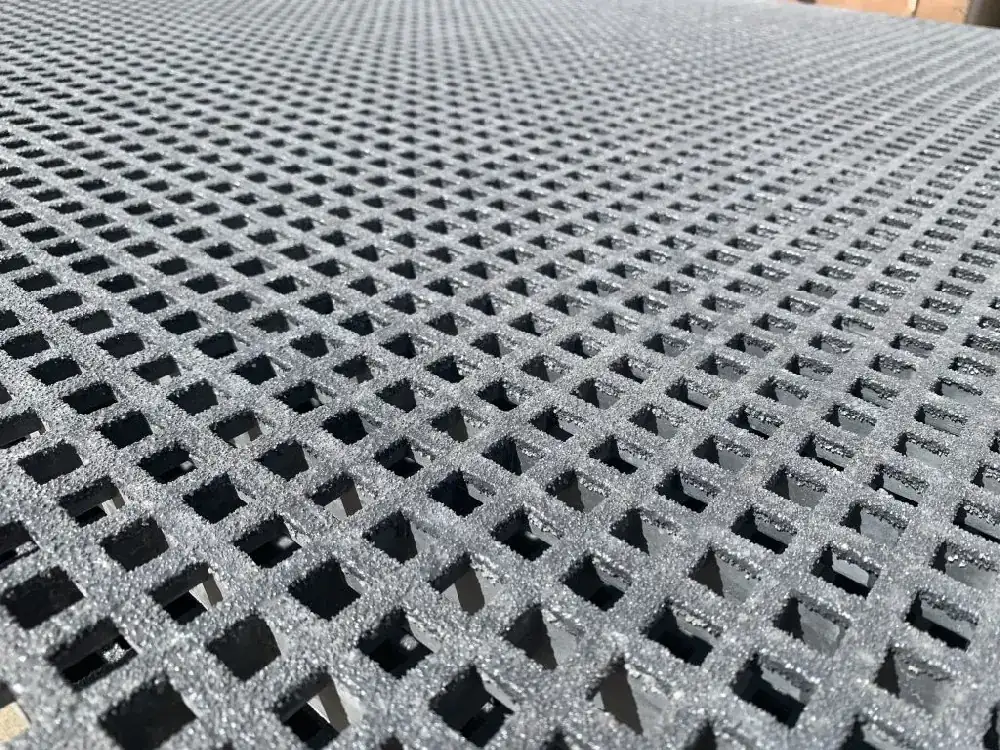
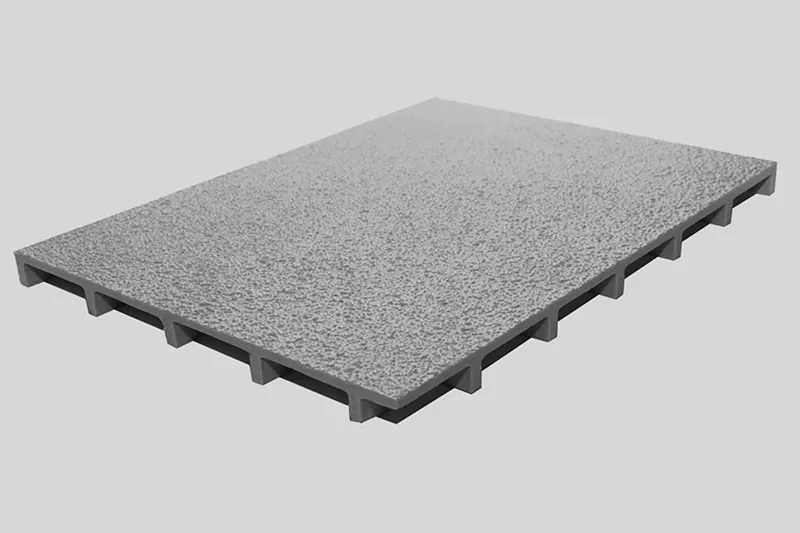
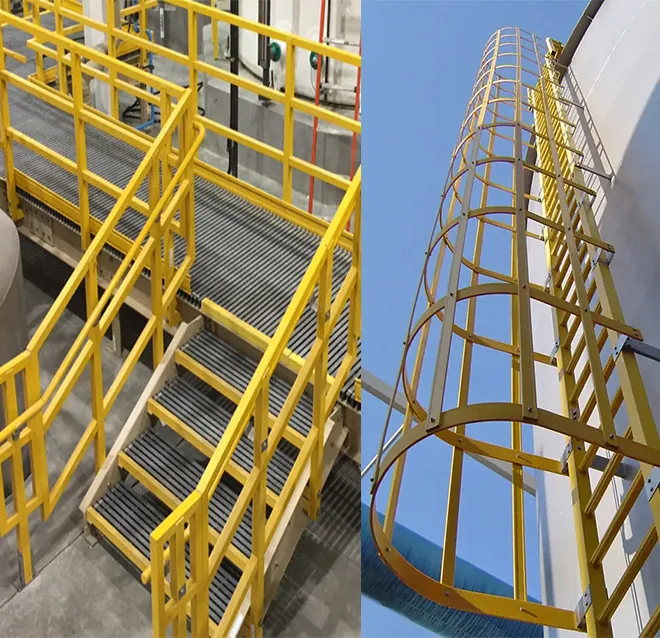
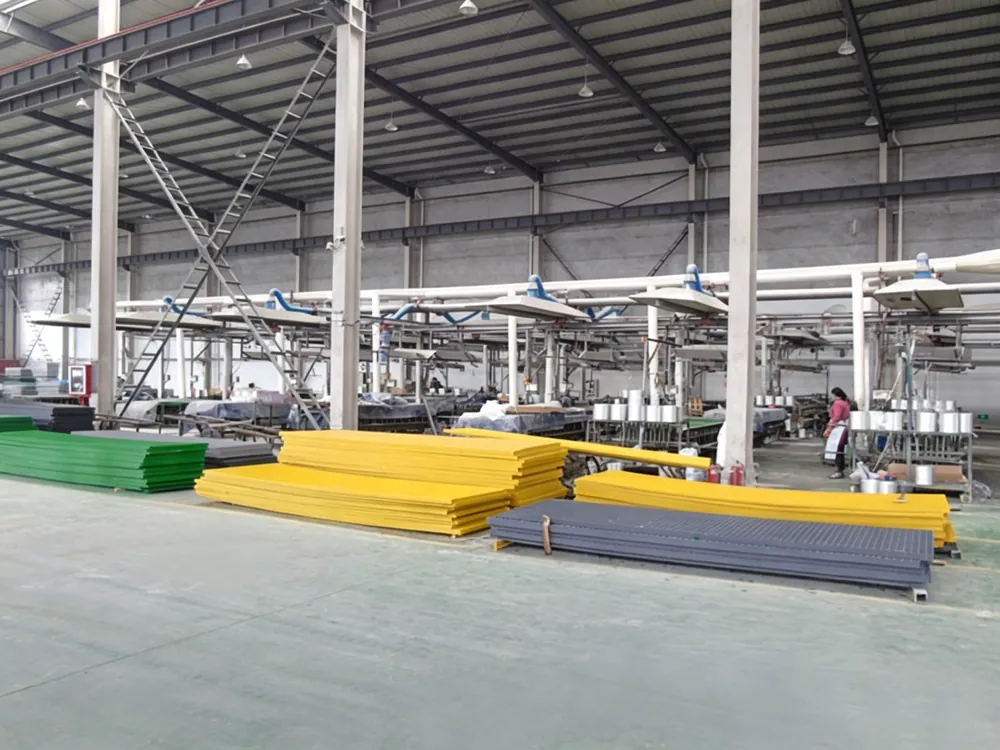
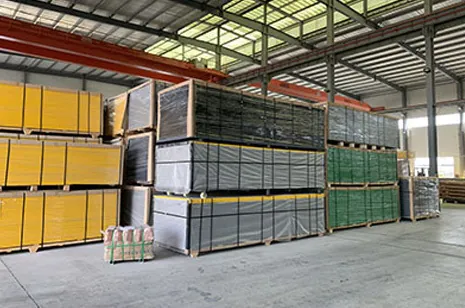
Oil & gas pipe racks use pultruded FRP grating for corrosion resistance, fire retardancy and light weight on elevated structures; FR vinyl-ester resin is the common spec.
- Best for: pipe racks, mezzanines and access platforms in O&G plants
- Specify when: fire zone + corrosion — use FR vinyl-ester pultruded
- Key spec: ASTM E-84 FR, vinyl ester for chemical service
1. Why Oil and Gas Facilities Specify FRP Grating
Oil & gas pultruded fiberglass grating is engineered for the most demanding environments in the energy industry: offshore platforms, onshore processing plants, compressor stations, tank farms and pipeline corridors. Steel grating corrodes rapidly in coastal salt air and around sour gas, and steel is also a source of sparks and a conductor of electricity — both unacceptable hazards in hydrocarbon facilities. Oil & gas pultruded FRP grating is corrosion-resistant, non-sparking, non-conductive and available in fire-retardant resin systems, making it the preferred access flooring for pipeline walkways, pipe racks, well pads and inspection platforms.
2. Pultruded Construction for High Loads
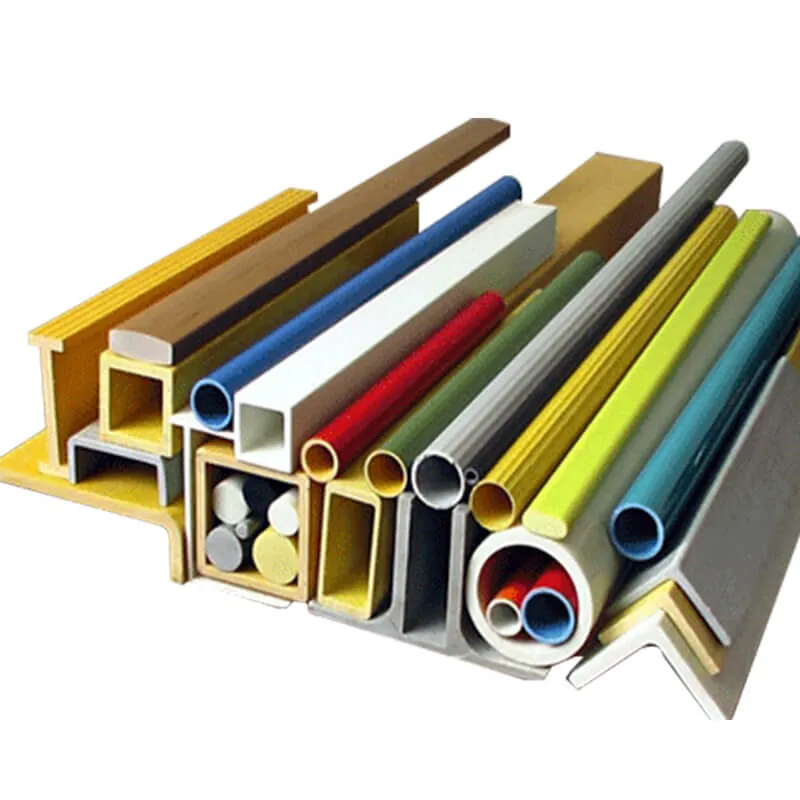
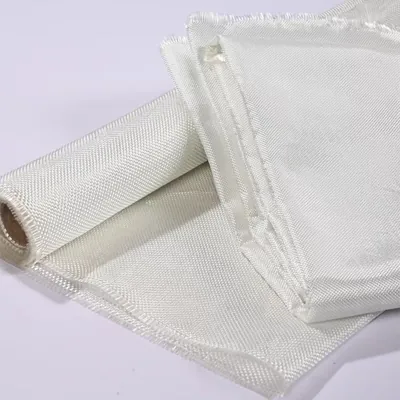
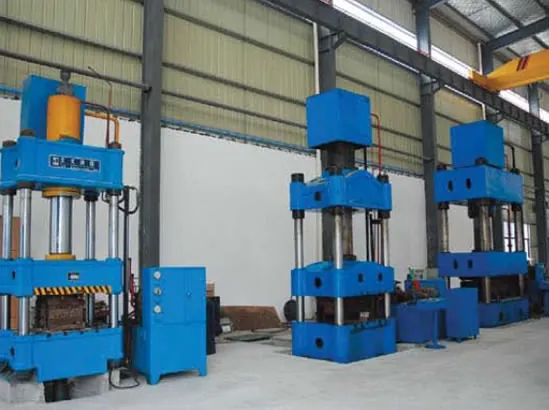
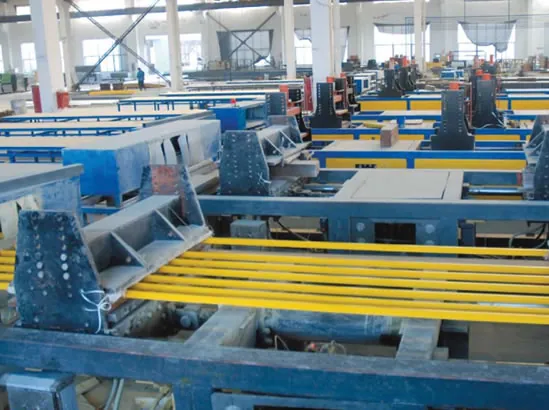
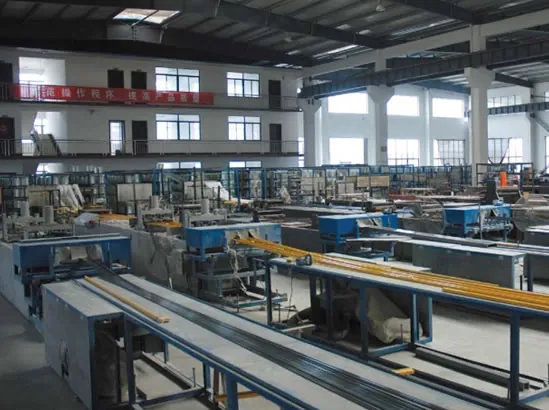
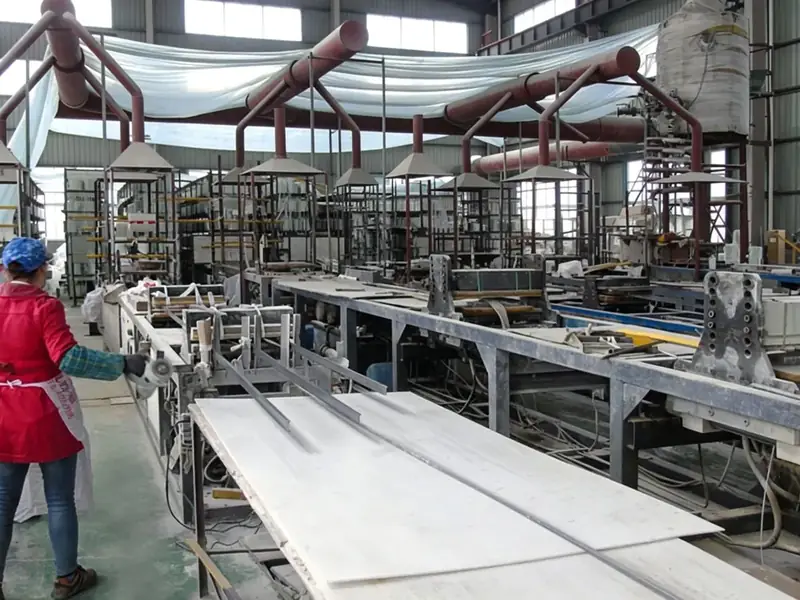
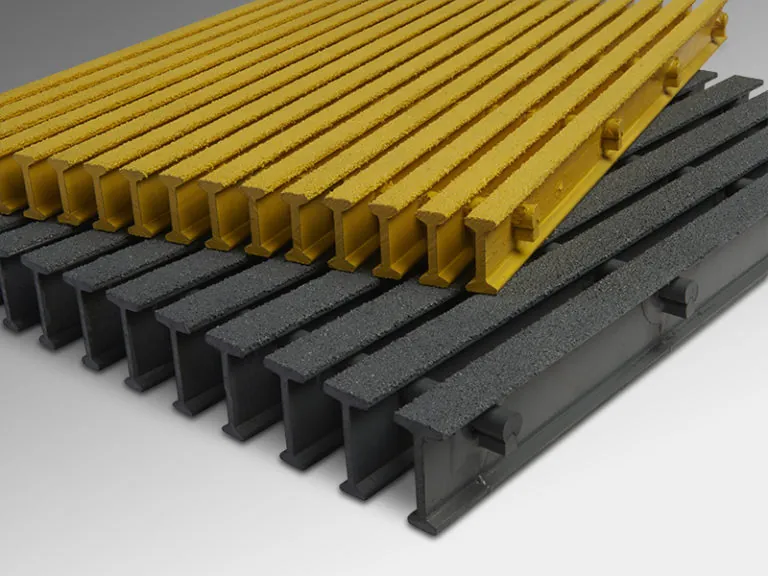
Unlike molded grating, pultruded fiberglass grating is produced by pulling continuous glass fiber rovings through a heated resin bath and die, creating I-bar and T-bar profiles with aligned glass fibers and the highest strength-to-weight ratio of any FRP grating. This makes pultruded grating ideal for long spans and heavy point loads found in pipeline racks and equipment platforms. A 38mm I-bar pultruded panel with 600mm span typically supports uniform loads above 15 kN/m², with deflection below 1/100 of span, matching steel grating performance at a fraction of the weight.
3. Fire-Retardant Performance
Fire safety is critical around hydrocarbons. Oil & gas pultruded fiberglass grating is available with fire-retardant additives that meet ASTM E84 Class 1 (flame spread index below 25) and, in phenolic resin systems, FM 4910 requirements for clean-room and offshore applications. The resin-rich surface chars rather than burning, and the material self-extinguishes when the flame source is removed. Fire-retardant FRP grating is commonly specified for offshore platforms under SOLAS and IMO requirements, and for onshore plants following NFPA and local codes.
4. Non-Sparking and Non-Conductive Safety
In classified areas where flammable gas may be present, non-sparking tools and materials are mandatory. FRP grating is naturally non-sparking: a dropped tool or dragged object cannot strike a spark from a fiberglass surface. FRP is also electrically non-conductive, protecting workers from stray currents and allowing safe access near live equipment and cathodically protected pipelines. For pipeline walkways running parallel to high-voltage lines or near cathodic protection systems, non-conductive pultruded FRP grating eliminates grounding and corrosion-coupling problems that steel grating creates.
5. Corrosion Resistance to H2S and Chemicals
Sour gas, hydrogen sulfide (H2S), salt spray and aggressive cleaning chemicals rapidly destroy carbon steel. Oil & gas pultruded fiberglass grating is immune to H2S corrosion and is resistant to a wide range of hydrocarbons, acids, alkalis and solvents. Vinyl ester resin is recommended for the most aggressive chemical environments, while isophthalic polyester is suitable for general hydrocarbon service. The result is a maintenance-free service life of 20+ years, versus frequent repainting and replacement cycles for steel.
6. Applications in Oil and Gas Facilities
- Pipeline walkways and valve access platforms
- Pipe racks, cable trays and equipment platforms
- Well pads and drilling rig access flooring
- Compressor and pump station walkways
- Offshore platform decks, gangways and helideck surrounds
- Loading terminals, tank farms and flare structures
7. Installation and Fixing
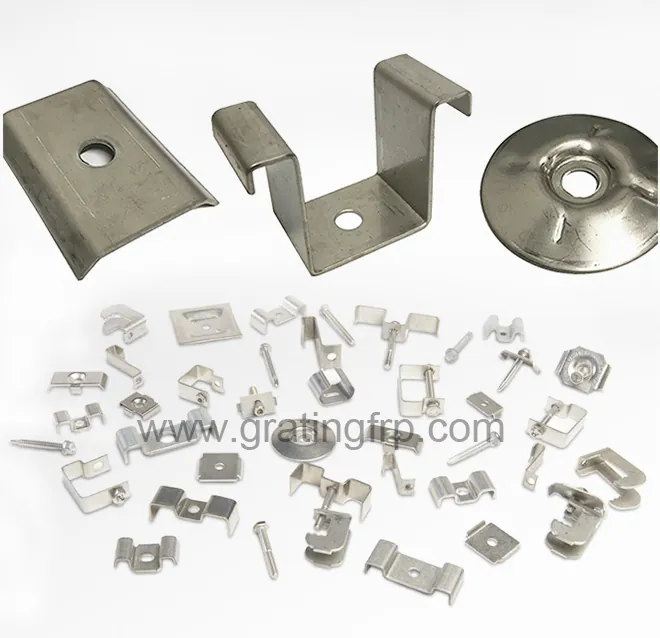
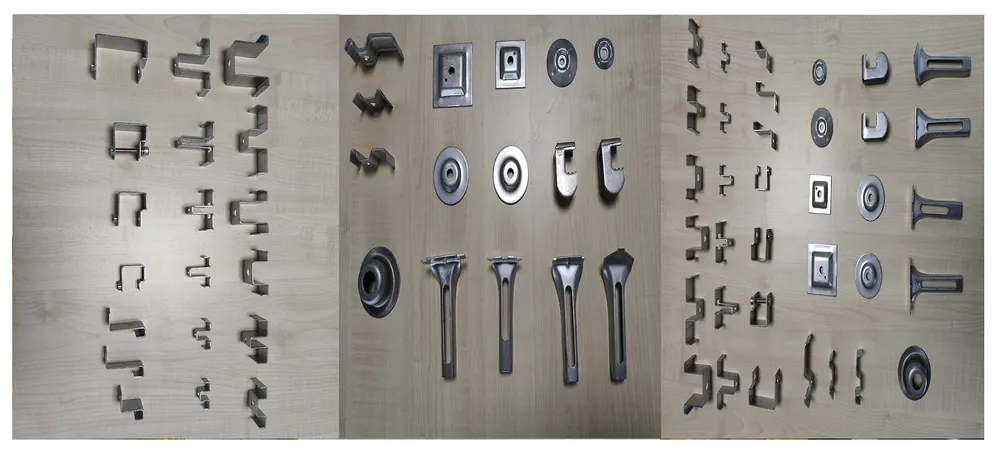
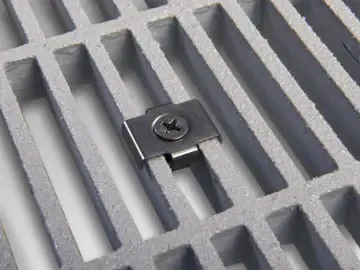
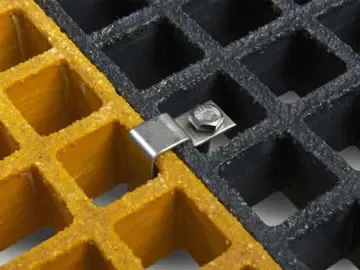
Pultruded grating is installed with the same stainless steel clips and fasteners used across the FRP grating range: M-clips for top fixing, C-clips for side fixing, and saddle clips for heavy-duty applications, in SS304 or SS316. Panels are cut with a diamond blade, and cut edges are sealed with resin to maintain corrosion resistance. Provide a minimum 38mm bearing on supports and allow 3-5mm expansion gaps. For walkways on pipe racks, specify a grit-top surface for safe access in rain and oil spray conditions.
8. Why ZEALL for Oil and Gas Projects
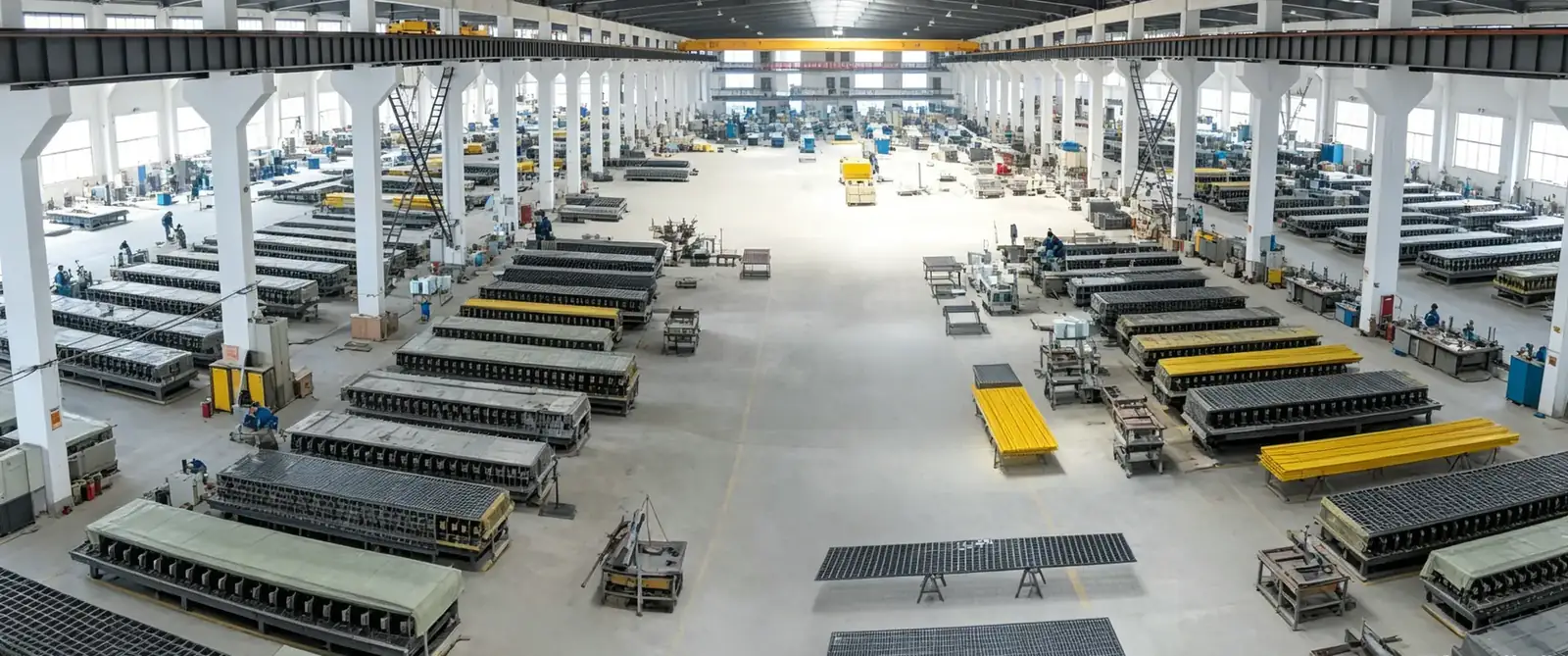
ZEALL (ZeAllgrate) supplies oil & gas pultruded fiberglass grating to EPC contractors and operators worldwide, with 20+ years of pultrusion experience and export to 45+ countries. We provide fire-retardant and vinyl ester options, custom panel sizes, load tables and project documentation. Contact our engineering team for specifications, samples and quotations for your pipeline and facility project.