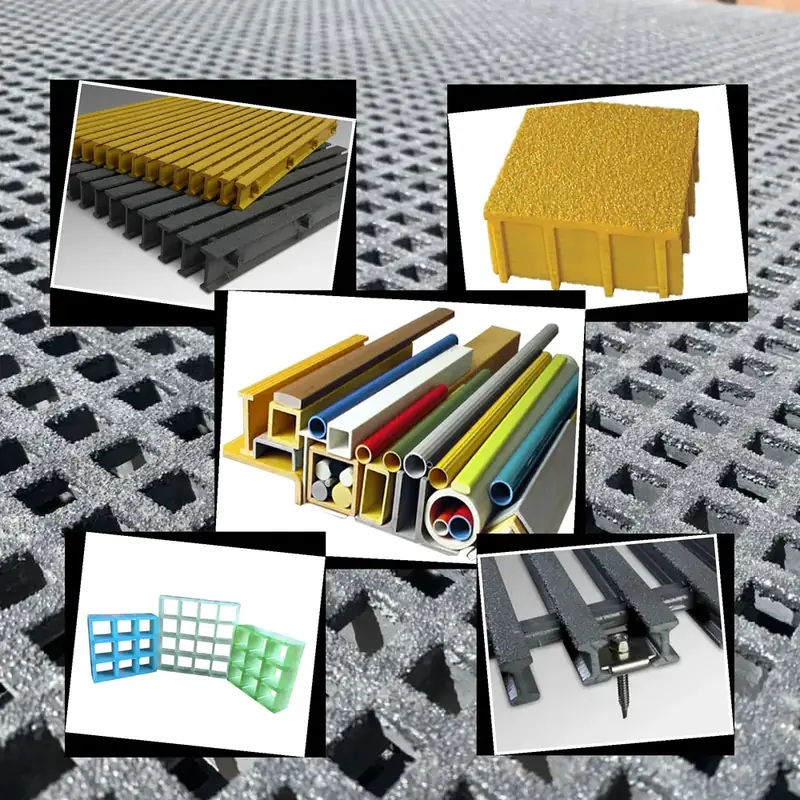
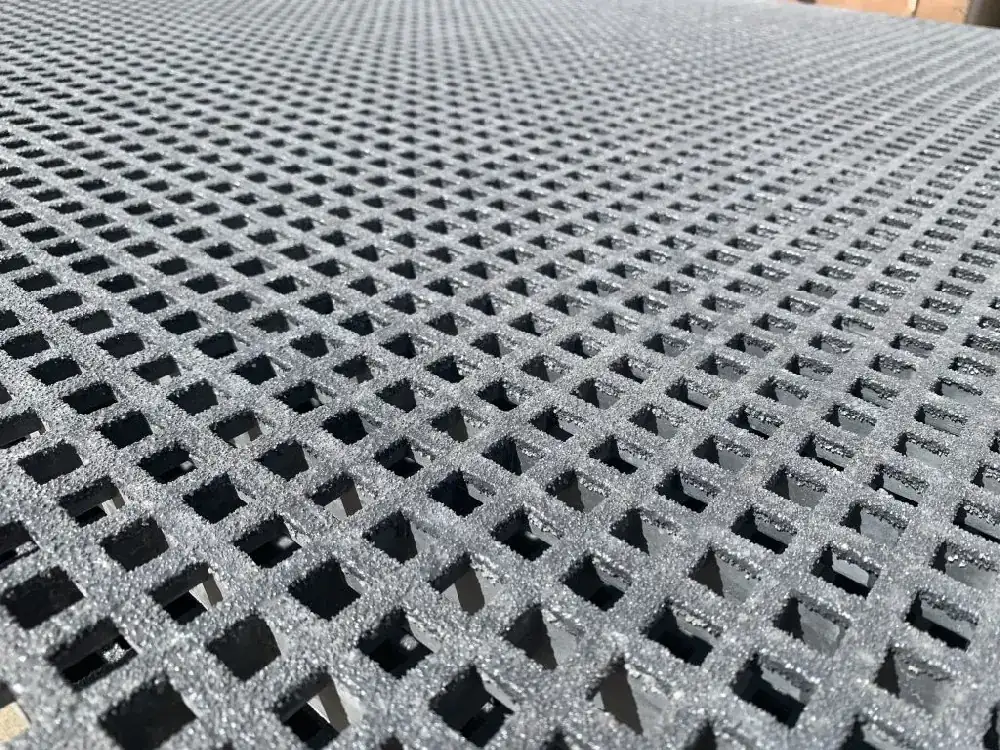
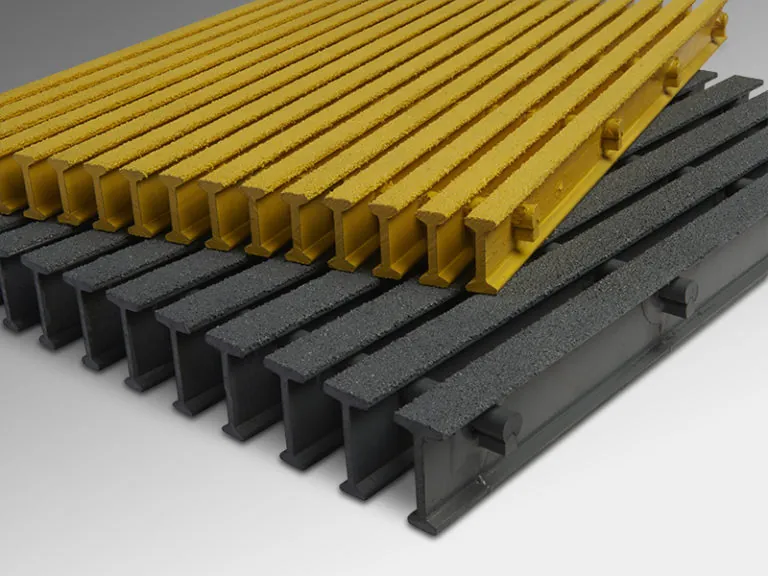
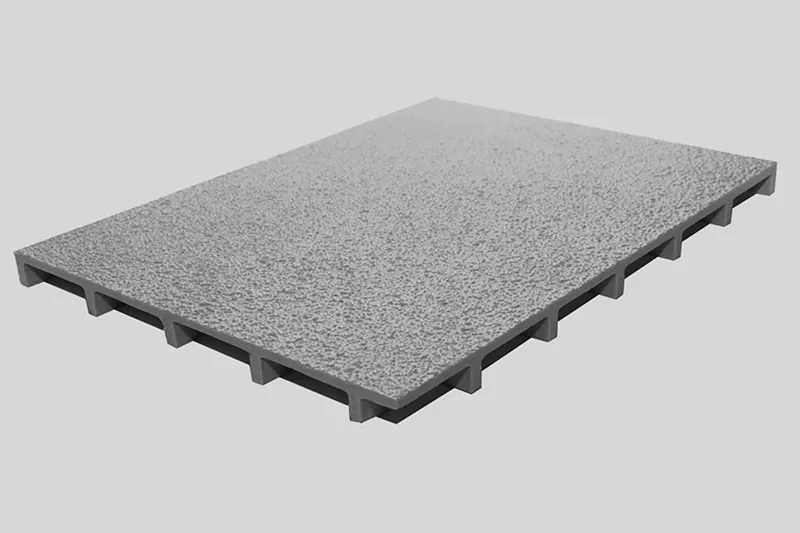
Wastewater plants pick FRP grating for H₂S, chlorine and moisture resistance that destroys steel; molded FRP with chemical-resistant resin covers the full treatment train.
- Best for: WWTP walkways, chlorine rooms, sludge and scum areas
- Choose molded for: chemical/impact service; grit top for: wet walkways
- Key spec: chemical-resistant resin, FR where required
1. Why Wastewater Treatment Plants Need FRP Grating
Wastewater treatment plants are among the most corrosive industrial environments due to hydrogen sulfide (H2S) gas produced by anaerobic bacteria, which converts to sulfuric acid (H2SO4) on moist surfaces. This acid attacks concrete, steel, and even galvanized steel, causing rapid corrosion and structural failure. Galvanized steel grating typically fails in 3-5 years in wastewater environments, requiring frequent replacement and plant shutdowns. FRP (fiberglass reinforced plastic) grating is immune to H2S and sulfuric acid corrosion, providing 20+ year service life with zero maintenance. Nearly 43% of municipal wastewater plants in the USA now use FRP grating for covers and walkways.
2. Corrosion Challenges in Wastewater
H2S Gas: produced by sulfate-reducing bacteria in anaerobic zones (sewers, digesters, primary clarifiers). Converts to H2SO4 on moist, aerobic surfaces (crowns of pipes, walkway undersides). pH can drop to 1-2 in severe cases. Chlorine/Bleach: used for disinfection, sodium hypochlorite (NaOCl) up to 15% concentration. Aggressive to most metals. UV Exposure: outdoor plants have constant UV exposure, degrading non-stabilized materials. Temperature: wastewater is typically 15-35°C, but digesters can reach 55°C (mesophilic) or 70°C (thermophilic). Mechanical Wear: grit, sand, and debris cause abrasion on walking surfaces. Biological Growth: algae and bacteria can grow on surfaces, requiring periodic cleaning.
3. Resin Selection for Wastewater Applications
Preliminary Treatment (screens, grit chambers): mild corrosion, Isophthalic Polyester is sufficient. Primary Clarifiers: moderate H2S, Isophthalic Polyester or Vinyl Ester. Aeration Basins: constant moisture, some H2S, Isophthalic Polyester (UV-stabilized). Anaerobic Digesters: high H2S, moderate temperature, Vinyl Ester recommended. Chlorine Contact Tanks: high bleach concentration, Vinyl Ester (excellent NaOCl resistance). Sludge Handling / Dewatering: moderate corrosion, Isophthalic Polyester. Headworks / Influent Pumping: highest H2S, Vinyl Ester recommended. General Rule: For plants >50 MGD (million gallons per day) or with known H2S problems, use Vinyl Ester throughout. For smaller plants (<10 MGD), Isophthalic Polyester is usually sufficient and more economical.
4. Specific Application Areas & Product Recommendations
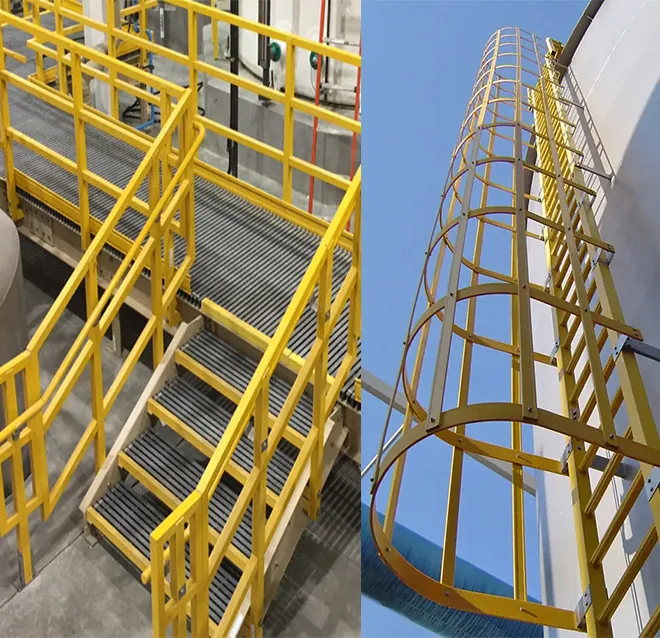
Clarifier Walkways: 38mm molded grating, 38×38mm mesh, isophthalic or vinyl ester, grit surface, yellow color (high visibility). Aeration Basin Platforms: 38mm or 50mm molded, vinyl ester for severe H2S, custom cutouts for equipment. Trench & Channel Covers: 38mm solid cover (no openings), grit surface, prevents debris falling into channels. Pump Station Access: 38mm molded, mini mesh (19×19) for tool safety, vinyl ester for high H2S. Digester Access Platforms: 50mm heavy-duty or pultruded, vinyl ester, high temperature resistance. Stair Treads: 38mm molded stair treads, grit surface, FRP or SS316 nosing. Handrail Systems: FRP round tube (48mm OD), vinyl ester, OSHA compliant, never rusts.
5. Case Study: Municipal Wastewater Plant — Germany
Project: 120,000 m³/day municipal wastewater treatment plant in Germany. Problem: Existing galvanized steel grating failed in 4 years due to H2S corrosion, requiring plant shutdowns for replacement. Solution: 1,850 m² of 38mm molded FRP grating, vinyl ester resin, grit surface, yellow color. Installation: clarifier walkways, aeration basin platforms, pump station access. Results: Installed 2019, zero maintenance required, no corrosion observed after 7 years, estimated 20+ year service life. Customer reported 60% savings on maintenance and replacement costs compared to steel.
6. Case Study: Industrial Wastewater — Chemical Plant, Netherlands
Project: Chemical plant wastewater treatment facility handling mixed industrial effluent. Problem: Mixed chemicals (acids, alkalis, solvents) destroyed steel grating in 2 years. Solution: 750 m² of 38mm molded FRP grating, vinyl ester resin, custom cutouts for piping, FRP handrail system. Results: Operating since 2020, no corrosion, no maintenance, plant managers report "the only material that has survived in this environment." Key lesson: mixed chemical environments always require vinyl ester, never polyester.
7. Maintenance & Inspection Recommendations
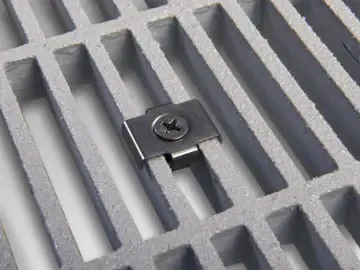
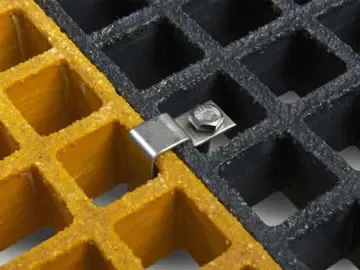
FRP grating in wastewater requires minimal maintenance: quarterly visual inspection (check for cracks, loose clips, surface wear), annual cleaning with high-pressure water (remove algae and biofilm), check clip tightness annually, inspect cut edges for sealing (re-seal if damaged), replace any panels with impact damage. Unlike steel, FRP does not require painting, rust treatment, or galvanizing repair. Expected service life: 20-30 years in wastewater environments, compared to 3-5 years for galvanized steel.
Frequently Asked Questions
FRP (Fiberglass Reinforced Plastic) grating is a molded or pultruded fiberglass composite grid used for corrosion-resistant walkways, platforms and floorings. It combines glass fiber reinforcement with thermoset resin (polyester, vinyl ester, epoxy) for superior strength-to-weight ratio, zero rust and 20+ year service life.