Calgary: Alberta’s Inland Energy and Corporate Hub
Calgary sits on the eastern edge of the Rocky Mountains and is the corporate and engineering headquarters of Canada’s oil and gas industry. The city itself has no ocean port, but it is one of the most important inland intermodal hubs on the Canadian prairies, with rail yards, distribution centres, oilfield services yards, feedlots and food-processing plants, and a large municipal infrastructure portfolio. For owners, EPC contractors and fabricators in and around Calgary, FRP grating provides a lightweight, non-corroding walkway material that stands up to drilling fluids, brine, de-icing chemicals and extreme temperature swings.
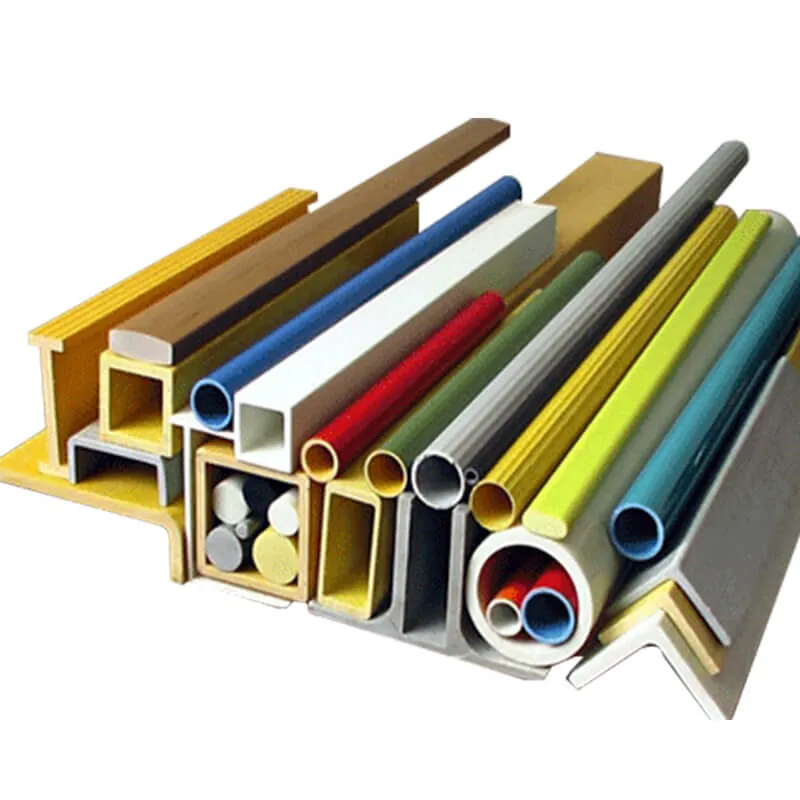
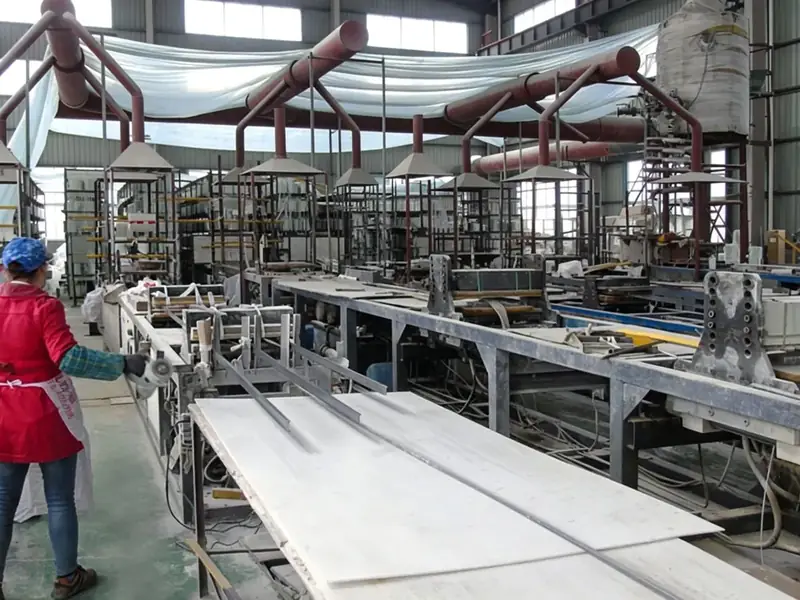
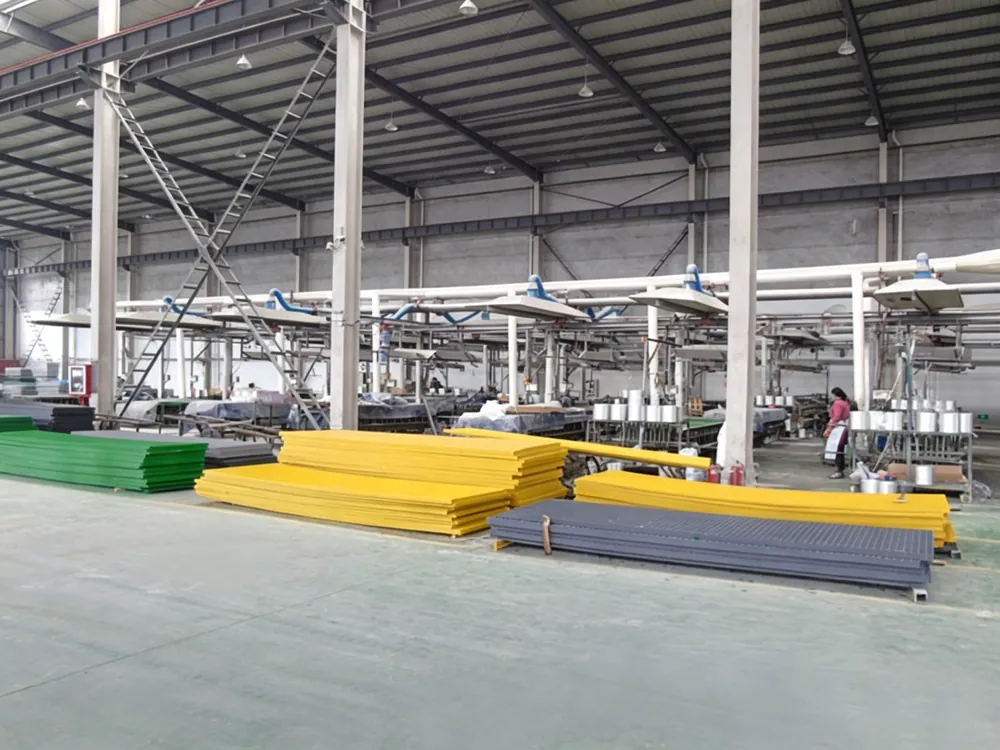
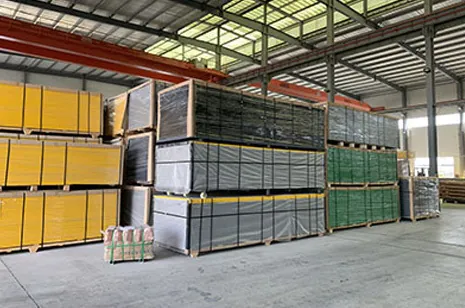
As a direct FRP grating manufacturer, NANTONG ZEALL supplies Calgary and Alberta project teams with molded and pultruded fiberglass grating, stair treads, covers and clips, supported by in-house engineering and factory-direct pricing from USD 15–95 per square meter.
No Ocean Port: How Containers Reach Calgary by Rail
Because Calgary is landlocked, every container of FRP grating arriving from China discharges at a west-coast port and then moves inland by rail. The typical path is direct trans-Pacific service from Shanghai or Ningbo to the Port of Vancouver (typically about 15–22 days port-to-port), after which intermodal rail on CN or CPKC travels east across the British Columbia interior and the Rocky Mountain passes to Calgary. Industry references put the Vancouver-to-Calgary rail leg at roughly 2–3 days terminal-to-terminal, with drayage at the port and at the Calgary intermodal yard.
The Port of Prince Rupert is an alternative discharge point, with a shorter trans-Pacific crossing and a direct CN rail line that also reaches Calgary; it is sometimes chosen to avoid Vancouver congestion. Winter rail movement through the mountain passes can add a day or two during heavy snow or wind events, so we build a small buffer into the inland leg of the lead time.
Import clearance is handled by the Canada Border Services Agency (CBSA), typically at the first inland or port location, through the CARM portal using a commercial invoice and a Commercial Accounting Declaration. Duties and GST are assessed on the value for duty; your customs broker confirms the current rate for the applicable HS classification.
Calgary & Alberta Industries Specifying FRP Grating
- Oilfield Services & Midstream — pumpjack pads, meter stations, compressor stations, tank battery walkways and rig mats that resist brine, drilling mud and sour-service chemicals.
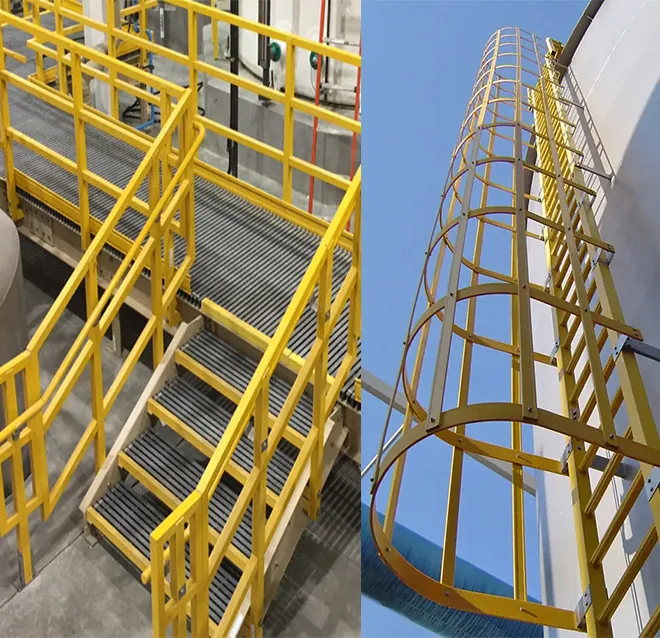
- Energy Corporate & Field Camp Facilities — walkways, stair towers and access platforms at offices, yards and remote accommodation camps across southern Alberta.
- Agriculture & Food Processing — feed mills, grain handling, dairy and meat plants where wash-down, manure acids and sanitation chemicals attack steel.
- Municipal Water & Wastewater — Calgary, Airdrie, Cochrane and Okotoks treatment plants use FRP walkways, odor-control covers and wet-well grating that resist H2S and chlorine.
- Road, Bridge & Civic Works — trench covers, anti-slip stair treads and non-conductive access platforms for electrical and utility crews.
- Fabrication & Rebuild Yards — Calgary-area steel and composite fabricators buy FRP panels for resale and sub-assembly into custom platforms.
Chinook Winds and Extreme Cold: Resin Selection for Alberta
Calgary is famous for its chinook winds, which can swing temperatures by 20°C or more in a single day in winter, alternating between deep frost and rapid melt. This repeated freeze-thaw cycling, combined with genuine cold snaps that drop below -30°C, is harder on materials than steady cold. FRP grating becomes stiffer and somewhat less impact-resistant as temperature falls below the resin glass-transition range, but the fiber reinforcement retains structural integrity; properly formulated vinyl-ester or isophthalic polyester gratings are routinely specified for Canadian prairie winter service down to roughly -40°C.
Gritted surfaces maintain traction on icy stair towers and tank pads, and the composite will not rust from road de-icing salt spread heavily on Calgary’s Deerfoot Trail and ring-road network. For exposed oilfield and yard installations, UV-stabilized resin with a surface veil slows chalking under high prairie sunlight and snow reflection. For sour-service or chemical-contaminated sites, vinyl ester is the recommended resin rather than standard polyester.
Standards Reference for Alberta Engineering Submittals
Our FRP gratings are tested to ASTM E-84 for surface burning characteristics and ASTM F3059 for fiberglass grating, and are produced under an ISO 9001 quality management system. Structural engineers in Alberta commonly consult CSA S806 (design of building structures with fibre-reinforced polymers) and CSA S807 (FRP material specification) alongside the Alberta Building Code when sizing walkways, platforms and stair towers; these are design references rather than a mandatory product listing for industrial grating.
We state the certifications the company holds — ISO 9001, ASTM E-84, ASTM F3059, ABS, Intertek, SGS and CE — without reference numbers or expiry dates, and we do not claim CSA or ULC marks the company does not hold. Load tables, resin data sheets and mill certificates are provided to support EPC and AHJ submittals.
Recommended Grating for Inland Alberta Platforms
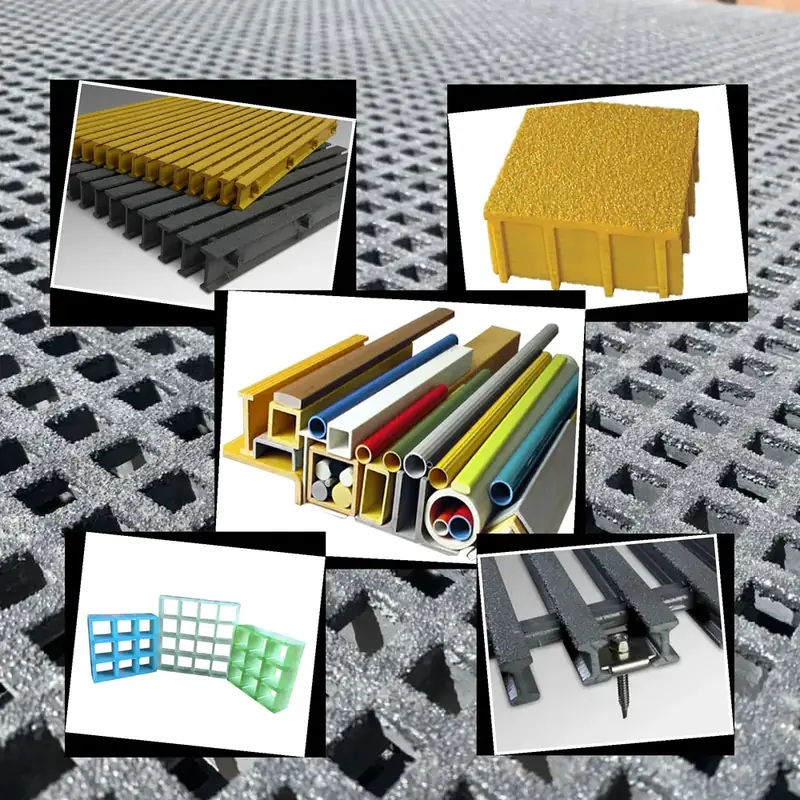
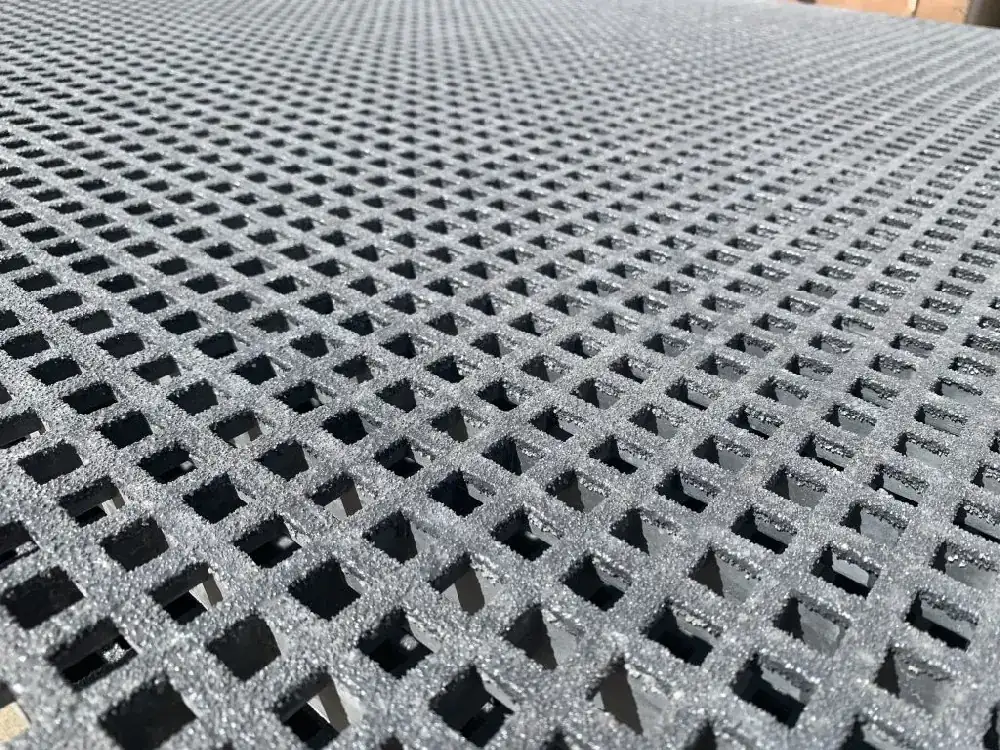
- 38 mm Molded FRP Grating — bi-directional strength for general yard walkways, meter platforms and access stairs; grit or concave surface.
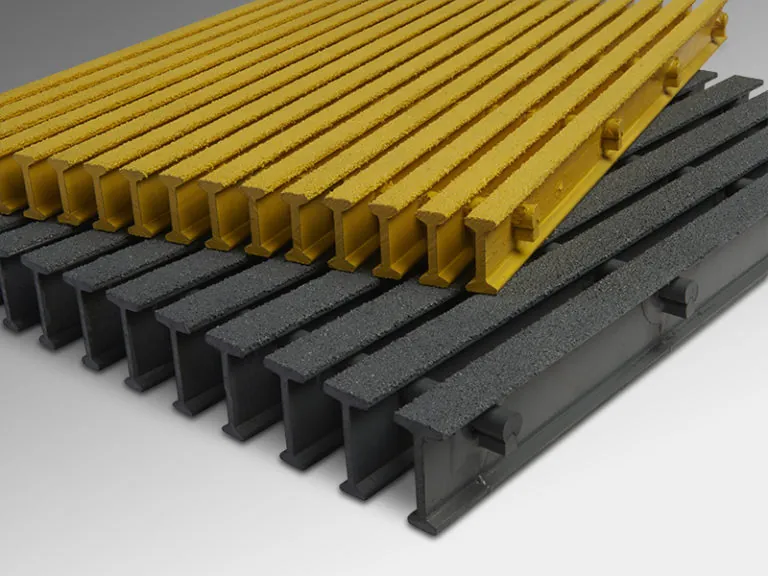
- 50 mm Pultruded FRP Grating — high uni-directional span capacity for long tank-battery walkways and compressor station platforms.
- Vinyl-Ester Resin Option — for sour-service, brine, acid gas and chemical-contaminated oilfield environments.
- FRP Stair Treads — anti-slip, nosing-integrated treads for cold-weather field stair towers and plant access.
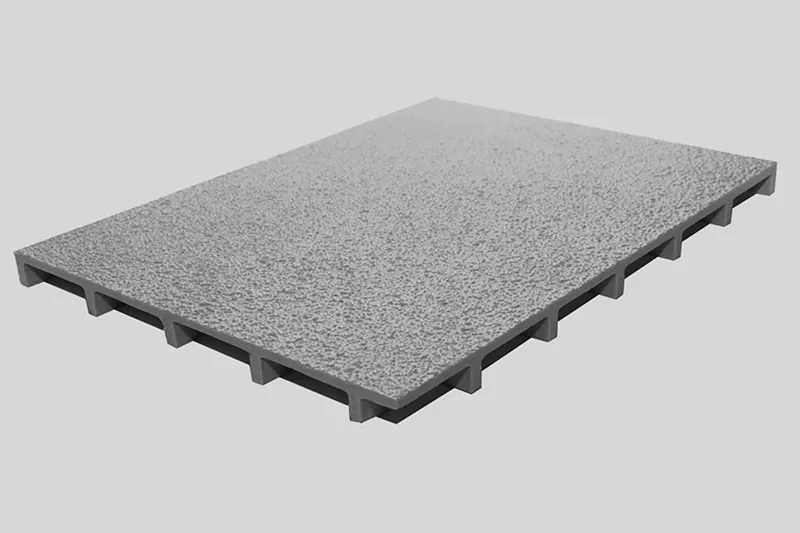
- Solid Covers & Trench Panels — odor and splash containment at wastewater and oilfield sump locations.
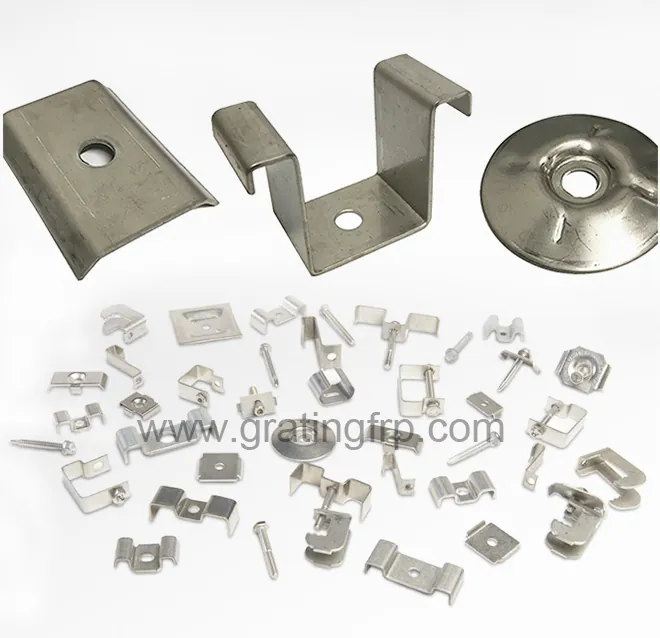
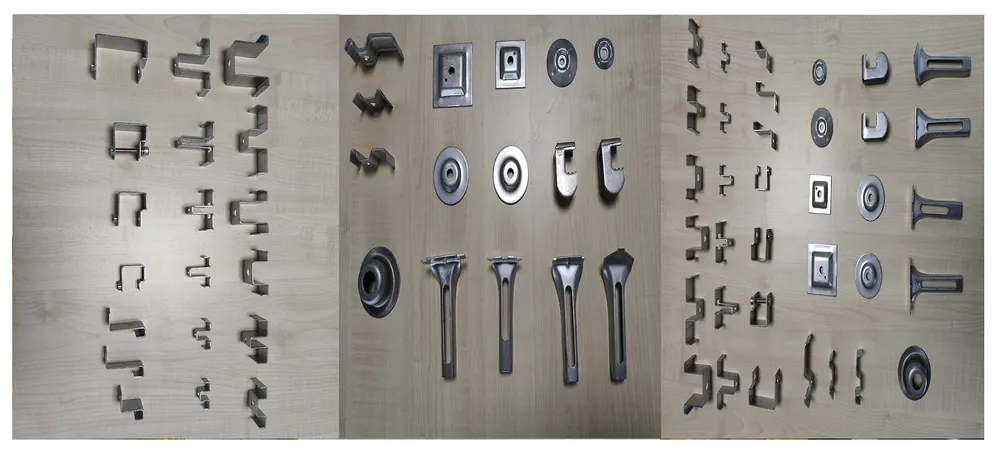
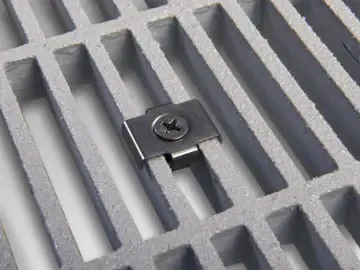
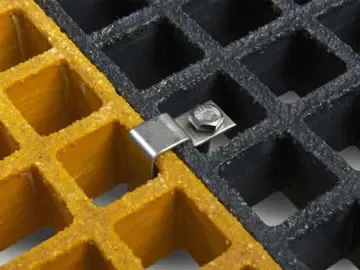
- M, C and L Clips — 316 stainless or FRP fasteners for secure, corrosion-free mounting in exposed yards.
Why Calgary Buyers Choose Factory-Direct ZEALL Supply
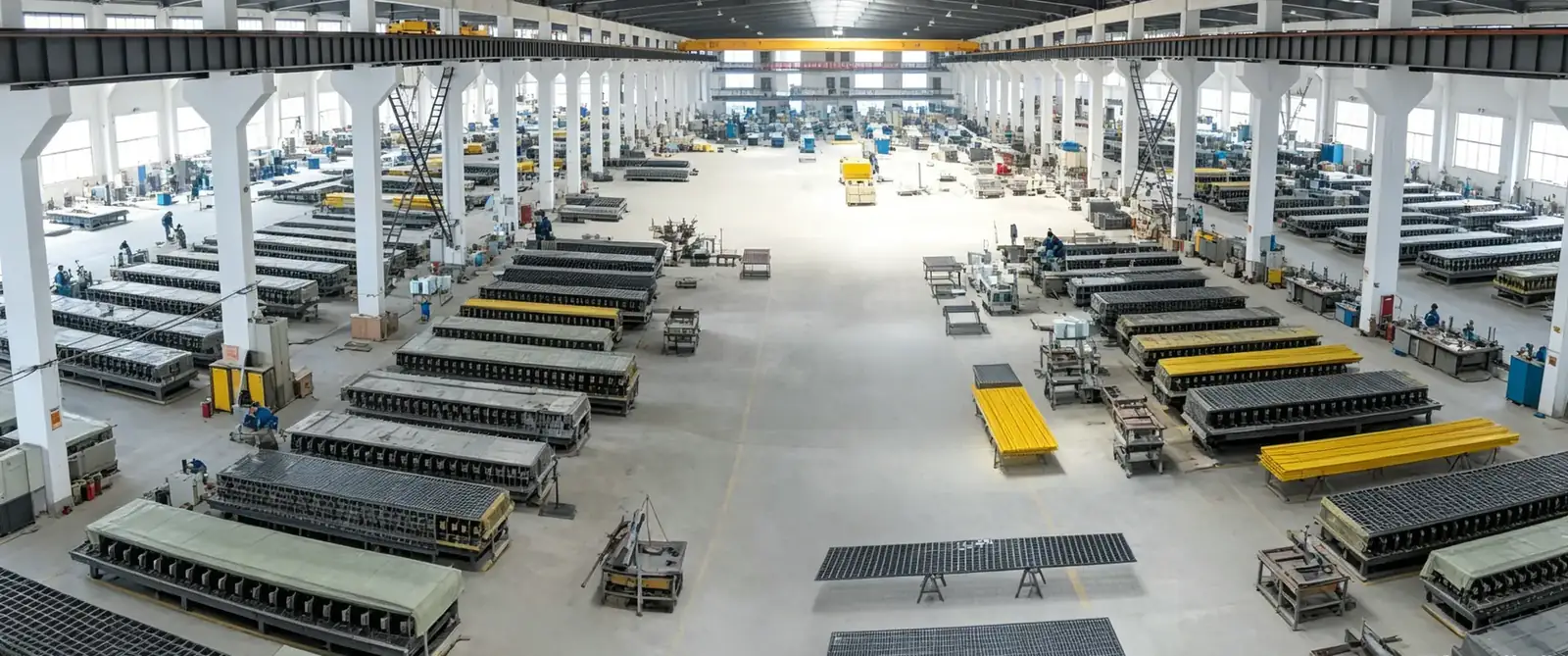
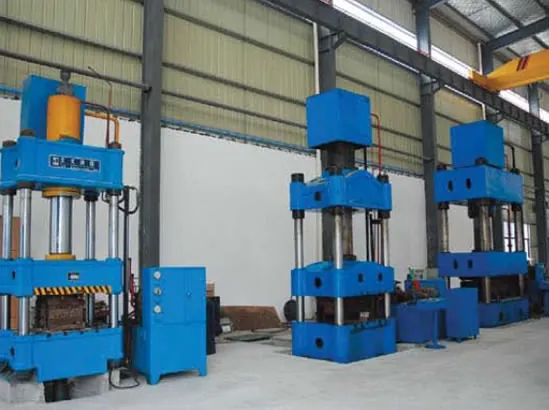
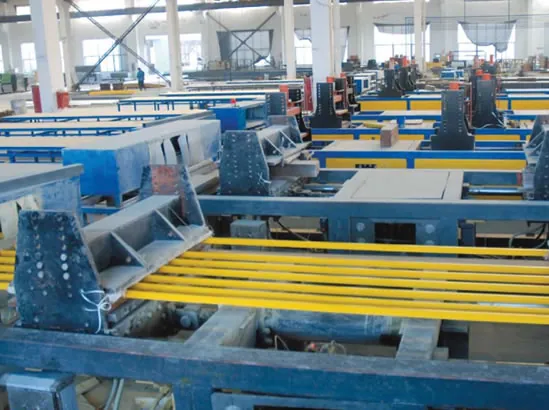
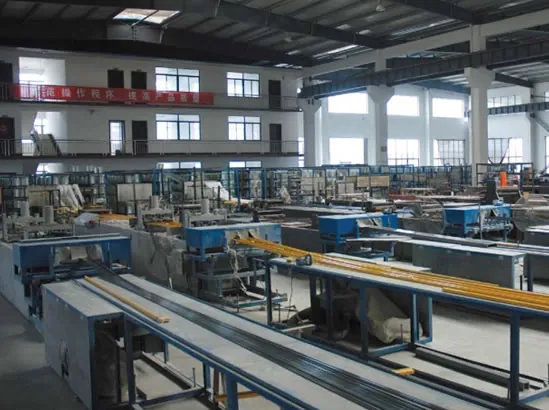
Factory-direct sourcing cuts out the distributor margin that Canadian composite yards typically layer onto imported grating, while keeping full engineering control on resin, thickness and panel layout. Our 20,000+ m² plant has operated since 2004 with 200+ staff and an export record across 45+ countries, supported by 541 customer reviews at an average of 4.9 out of 5. Standard sizes are produced in 15–25 days, with overall delivery of 12–36 working days depending on specification, sailing schedule and the Vancouver-to-Calgary rail leg; the production minimum order is 10 square meters, and a one-piece sample can be supplied separately for evaluation.
All prices are quoted in USD, typically in the range of 15–95 per square meter depending on resin, thickness and mesh. Duties and GST are assessed separately by CBSA and are not included in the product price. Free engineering support covers load calculations, resin selection and panel layout, and a single WhatsApp sales line plus sales email keeps quoting and order tracking straightforward for Calgary project managers and EPC buyers.
Frequently Asked Questions
The intermodal rail leg between Vancouver and Calgary is typically about 2-3 days terminal-to-terminal, plus drayage at each end. Winter mountain-pass weather can add a day or two, which we build into the overall delivery window.