FRP grating is the standard solar-rooftop walkway because it is light, non-conductive, UV-stable and corrosion-free — protecting PV panels and installers alike.
- Best for: PV plant walkways and rooftop maintenance access
- Specify when: non-conductive, lightweight and UV-stable are required
- Key spec: UV-stabilized resin, non-conductive, light molded panels
1. Why FRP Grating is Ideal for Solar Rooftops
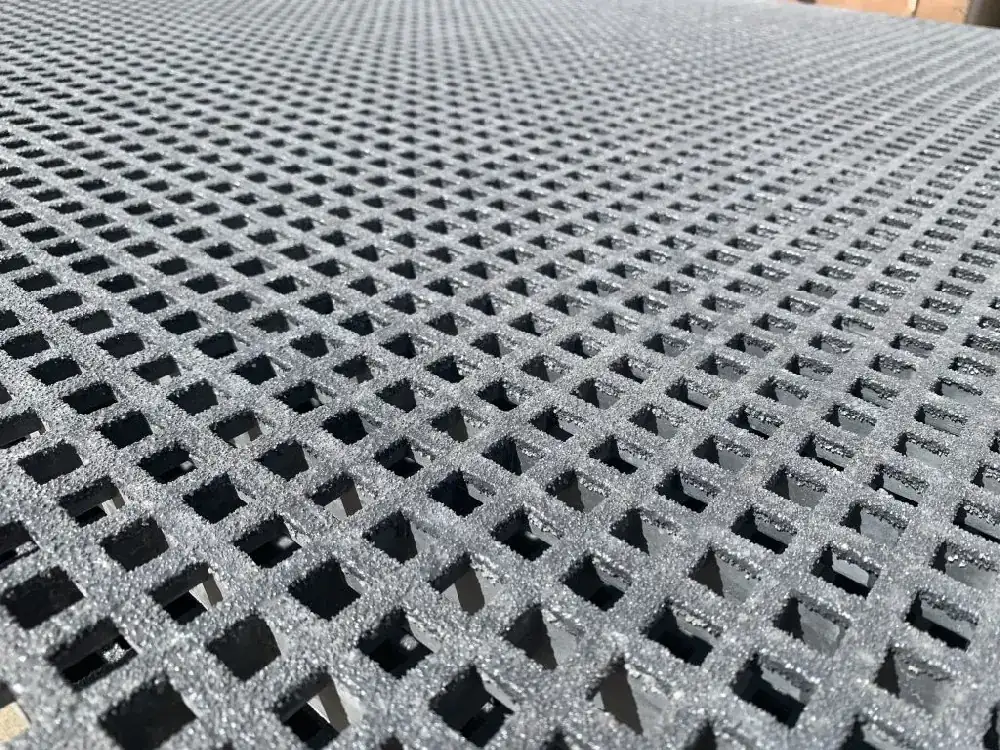
Solar rooftop installations present unique challenges: roof load capacity is limited, electrical safety is critical (DC voltages up to 1500V), UV exposure is constant, and maintenance access must be safe for technicians. FRP grating solves all these challenges: Non-Conductive: FRP is an excellent electrical insulator, preventing shock hazards when working near live DC circuits — this is the #1 reason solar installers choose FRP over steel. Lightweight: FRP weighs only 15-20 kg/m2, compared to 40-60 kg/m2 for steel, minimizing roof structural loading. UV Resistant: UV-stabilized vinyl ester or isophthalic polyester provides 20+ year outdoor life. Corrosion Proof: No rust, no maintenance, even in coastal solar farms with salt exposure. Mini Mesh Option: 19x19mm mesh prevents tools and parts from falling through to roof below.
2. Electrical Safety Advantages (Critical for Solar)
Solar PV systems operate at DC voltages of 600-1500V, presenting significant electrocution risk during maintenance. Steel grating is conductive — a dropped tool or damaged cable can energize the entire grating, creating a fatal hazard. FRP grating is non-conductive (dielectric strength >10 kV/mm), providing a safe working platform even if a live cable contacts the grating. OSHA and NFPA 70 (NEC) require non-conductive materials in certain electrical work areas. Additional safety: FRP is non-magnetic, so it does not interfere with electrical equipment or cause induction heating. For solar farms with battery storage systems, FRP non-conductive property is even more critical.
3. Roof Loading & Structural Considerations
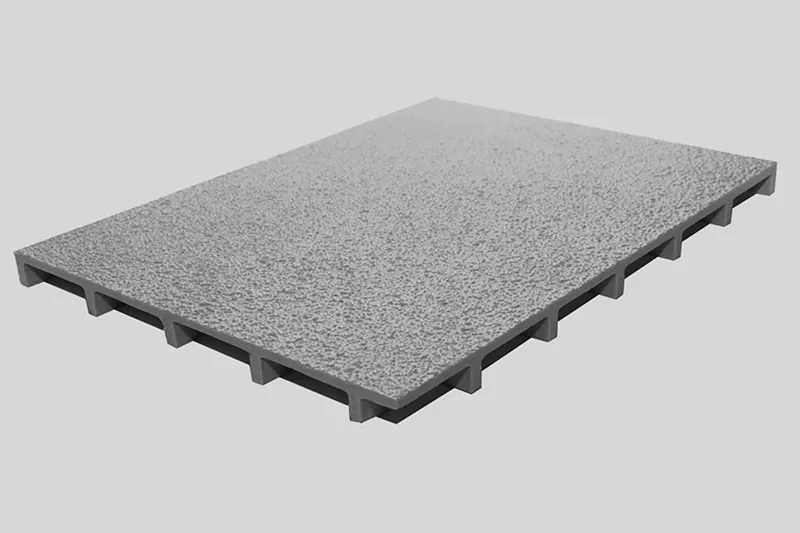
Roof load capacity is often the limiting factor for solar installations. Typical commercial roof design loads: 1.0-2.5 kN/m2 (including snow, wind, maintenance). Steel grating weighs 40-60 kg/m2 (0.4-0.6 kN/m2), consuming 20-60% of available roof load capacity. FRP grating weighs only 15-20 kg/m2 (0.15-0.20 kN/m2), consuming only 10-20% of capacity. This leaves more load capacity for solar panels, or allows installation on roofs that cannot support steel grating. For rooftop walkways, typical specification: 38mm molded grating, 19x19mm mini mesh, isophthalic polyester (UV-stabilized), 0.6m wide walkways, supported by roof curbs or ballasted supports (no roof penetration required).
4. Solar Farm Application Types
Rooftop Solar (Commercial/Industrial): FRP walkways between panel rows for maintenance access, 38mm mini mesh, lightweight, non-conductive. Ground-Mount Solar: FRP walkways over inverter and combiner boxes, 38mm standard mesh, isophthalic polyester. Solar Carports: FRP walkways for panel maintenance at height, 38mm molded, lightweight reduces carport structural requirements. Floating Solar (FPV): FRP grating for maintenance access on floating platforms, must be buoyant and corrosion-proof — FRP is ideal. Battery Storage Facilities: FRP walkways and platforms around battery racks, non-conductive safety critical. Inverter/Transformer Platforms: FRP grating around electrical equipment, non-conductive, anti-slip grit surface.
5. Case Study: Commercial Rooftop Solar — Australia
Project: 2.4 MW commercial rooftop solar installation on a warehouse in Queensland, Australia. Problem: Roof load capacity was limited (1.5 kN/m2 design load), steel grating would have consumed too much capacity. Electrical safety was a major concern with 1000V DC system. Solution: 2,400 m2 of 38mm molded FRP grating, 19x19mm mini mesh, UV-stabilized isophthalic polyester, gray color. Installation: Ballasted support system (no roof penetration), 0.6m wide walkways between panel rows. Results: 30% faster installation than steel due to lightweight, roof load reduced by 60% vs steel, zero maintenance after 4 years, electrical safety inspectors praised the non-conductive design. Customer has standardized FRP for all future solar projects.
6. Case Study: Utility-Scale Solar Farm — USA
Project: 150 MW utility-scale solar farm in California, including inverter stations and battery storage facility. Problem: Multiple electrical hazards (1500V DC, 480V AC), high UV exposure, coastal location with salt air. Solution: 800 m2 of 38mm molded FRP grating, vinyl ester resin (for salt corrosion), grit surface, around all inverter stations and battery racks. FRP handrail systems for elevated platforms. Results: Installed 2022, zero corrosion, zero electrical incidents, maintenance technicians report feeling much safer on FRP than steel. Key benefit: mini mesh prevented tools from falling onto expensive equipment below.
7. Specification & Installation Best Practices
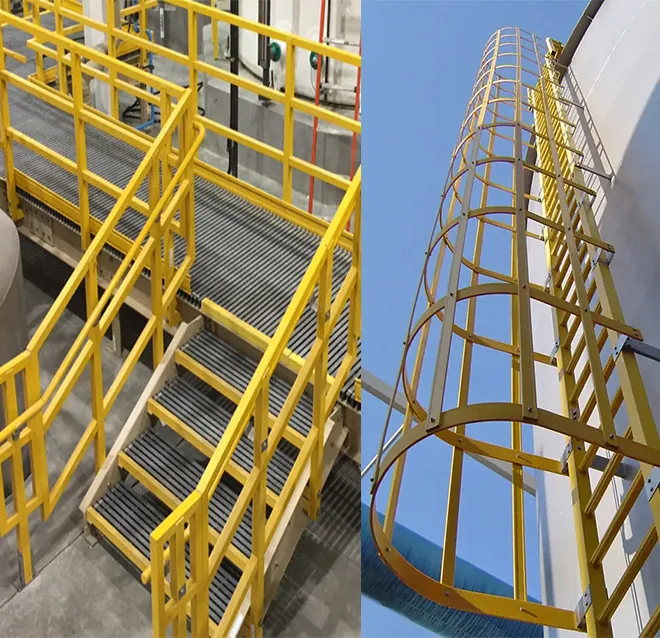
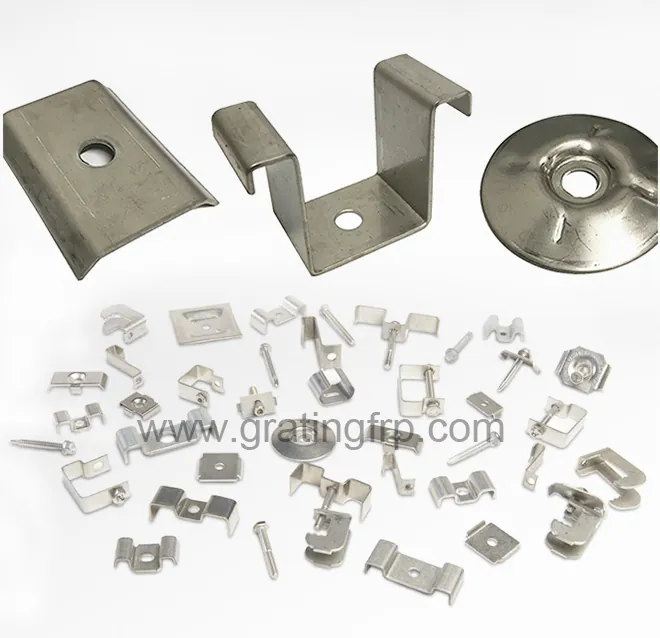
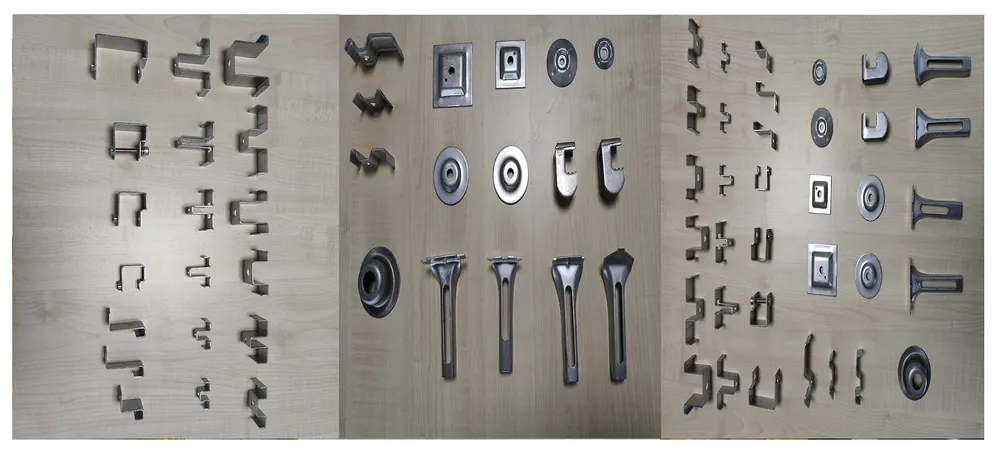
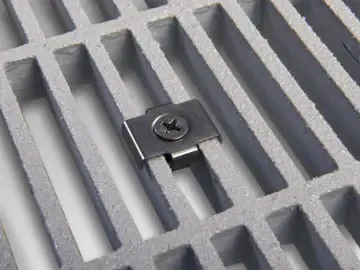
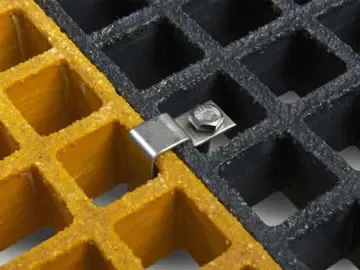
Standard Specification for Solar Rooftops: 38mm thickness, 19x19mm mini mesh, isophthalic polyester (UV-stabilized), grit or concave surface, 0.6m width, 1220mm panel lengths, SS304 clips. Installation Methods: Ballasted (no roof penetration, recommended for most roofs), Roof curb attachment (for high wind areas), Adhesive mounting (for membrane roofs). Walkway Layout: 0.6m minimum width for single person, 1.0m for two-way traffic, every 2-3 panel rows, around all inverters and combiner boxes. Safety Features: Yellow color for high visibility, edge trim to prevent snags, handrails for elevated areas >2m. Maintenance: Annual inspection, pressure wash if dirty, check clip tightness, expected 20+ year service life.
Frequently Asked Questions
FRP (Fiberglass Reinforced Plastic) grating is a molded or pultruded fiberglass composite grid used for corrosion-resistant walkways, platforms and floorings. It combines glass fiber reinforcement with thermoset resin (polyester, vinyl ester, epoxy) for superior strength-to-weight ratio, zero rust and 20+ year service life.