Why Wastewater Plants Are Rebuilding in FRP
Municipal and industrial wastewater environments are among the most corrosive places a walking surface can be. Sewage releases hydrogen sulphide (H2S), which bacteria convert into biogenic sulfuric acid that attacks steel reinforcement, steel grating and even ordinary concrete. Carbon steel platforms rust and shed, stainless steel is attacked by chloride and acid, and heavy concrete structures crack and spall. Fiberglass (FRP/GRP) grating resists this acid atmosphere, stays non-slip when wet, and is light enough to span tank walls and clarifier bridges without overloading them.
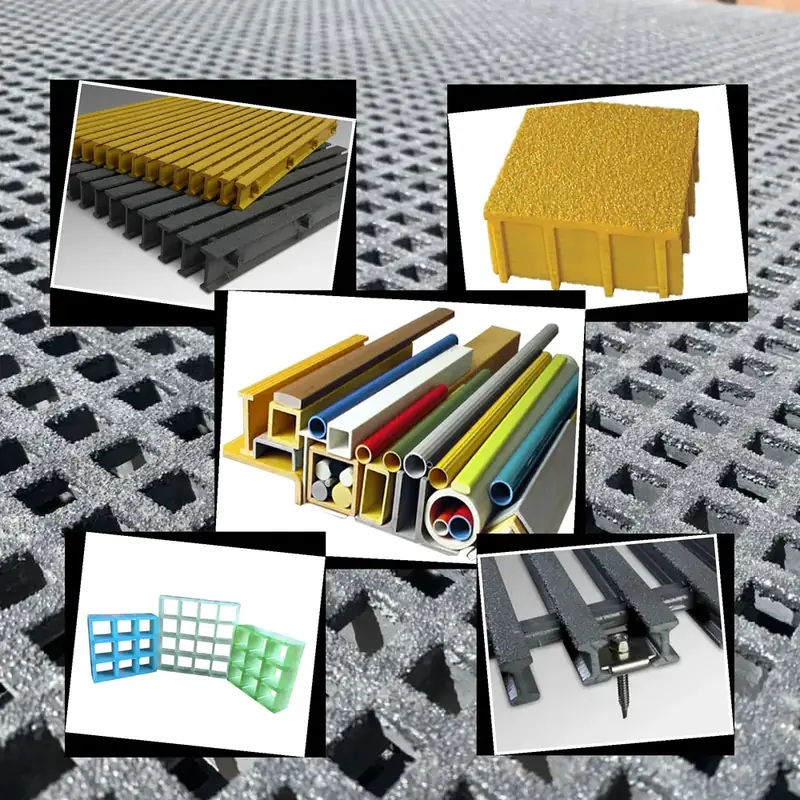
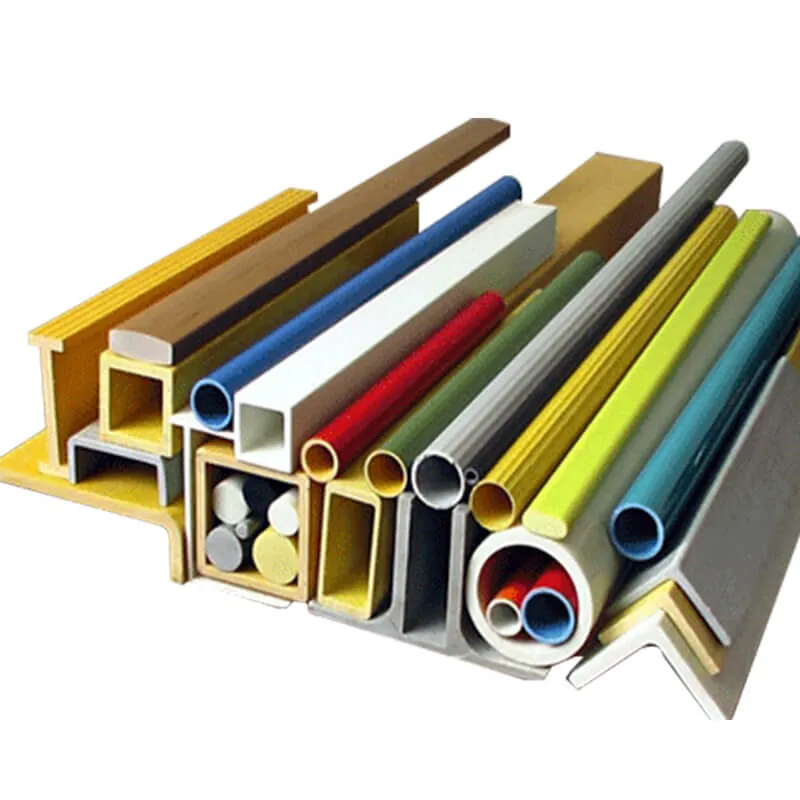
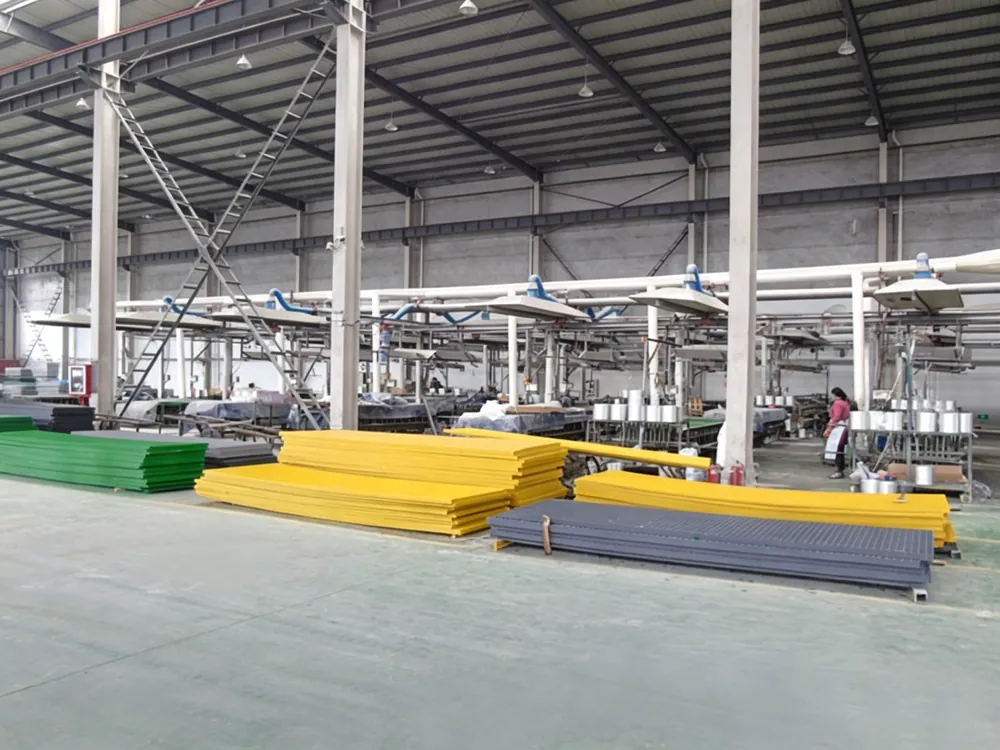
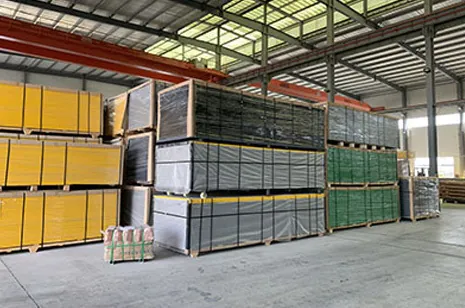
NANTONG ZEALL supplies molded and pultruded FRP walkway grating, solid trench and tank covers, stair treads and clips to US wastewater and water-treatment projects, factory-direct from China at USD 15-95 per square meter, with engineering support for resin selection and load design.
Where FRP Platforms and Covers Fit in a Treatment Plant
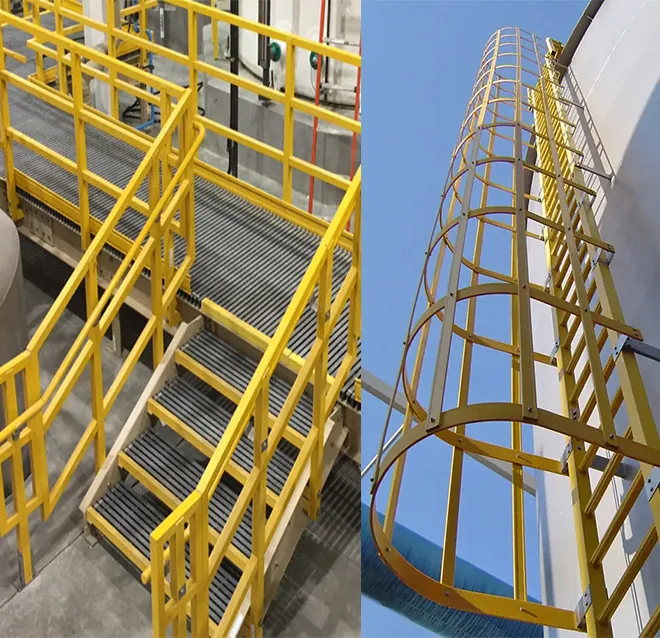
- Clarifiers & Oxidation Ditches — walkways around and across circular and rectangular settling tanks, including bridge-side and peripheral walkways.
- Aeration Basins & Wet Wells — access platforms over deep, odorous and moisture-saturated tanks where steel would corrode quickly.
- Odor Control & Channels — covers over grit chambers, primary channels and odor-treatment ducts to contain H2S and protect workers.
- Pump Stations & Grit Handling — valve platforms, wet-well access and grit-washing areas exposed to abrasives and chemicals.
- Chemical Feed & Disinfection — platform grating around chlorine, peroxide and polymer feed areas where acids and caustics are present.
- Sludge Processing & Dewatering — walkways around belt presses, thickeners and hauling areas facing wet, corrosive slop.
Importing to US Municipal and Industrial Projects
FRP grating ships by ocean container to the US port nearest the project — a West Coast, Gulf or East Coast port depending on the plant location — and then by truck to site. Port-to-port transit varies by route (direct Pacific, or Panama Canal to the Gulf/East Coast) and is quoted per routing rather than fixed. Import entry is handled by US Customs and Border Protection (CBP) under the correct HTS classification, supported by a commercial invoice and packing list. The United States applies duties rather than a value-added tax; the project’s customs broker confirms the current rate and any trade measures. We prepare the export documentation municipal and industrial buyers need for a clean entry.
Standards & Safety for Plant Walkways
US plant walkways are designed to OSHA walking-working surface requirements, including guardrails, toe-boards and slip resistance for wet areas. Our gratings are tested to ASTM E-84 for surface burning characteristics and ASTM F3059 for fiberglass grating, and are produced under an ISO 9001 quality management system. For clarifier bridges and tank covers, engineers verify deflection against the actual support spacing and the specified live load, and we supply load and deflection tables for submittals.
We state only the certifications we hold — ISO 9001, ASTM E-84, ASTM F3059, ABS, Intertek, SGS and CE — without reference numbers or expiry dates, and we do not claim marks we do not hold.
Recommended Products for Wastewater Service
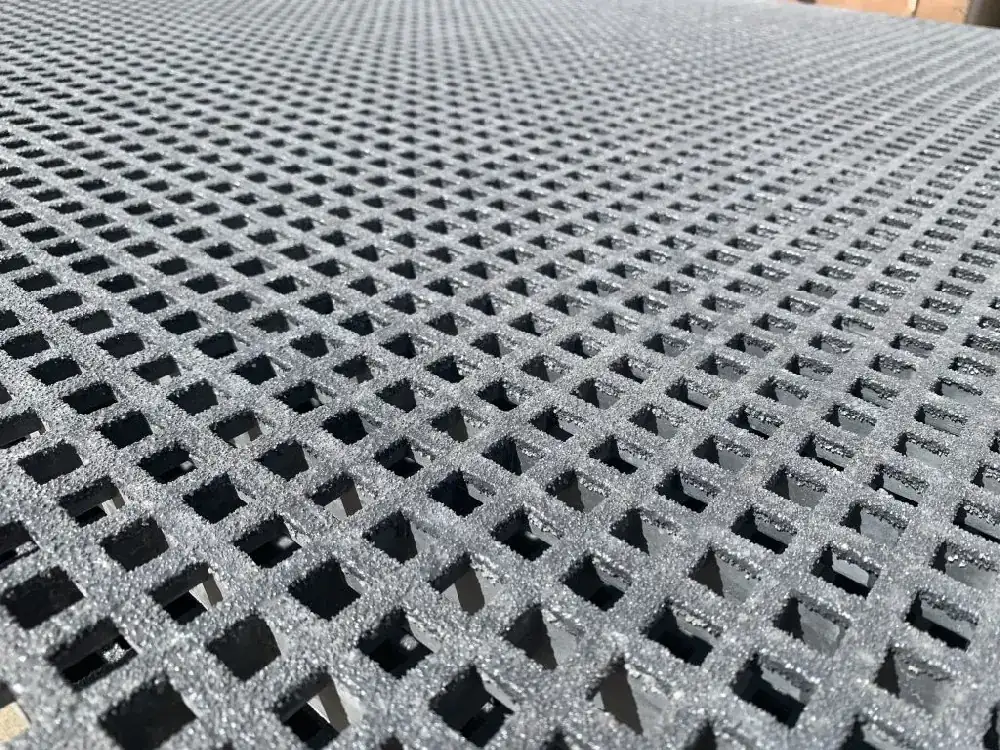
- 38 mm Molded FRP Grating — bi-directional, grit-top walkway panels for clarifier and channel access with good wet traction.
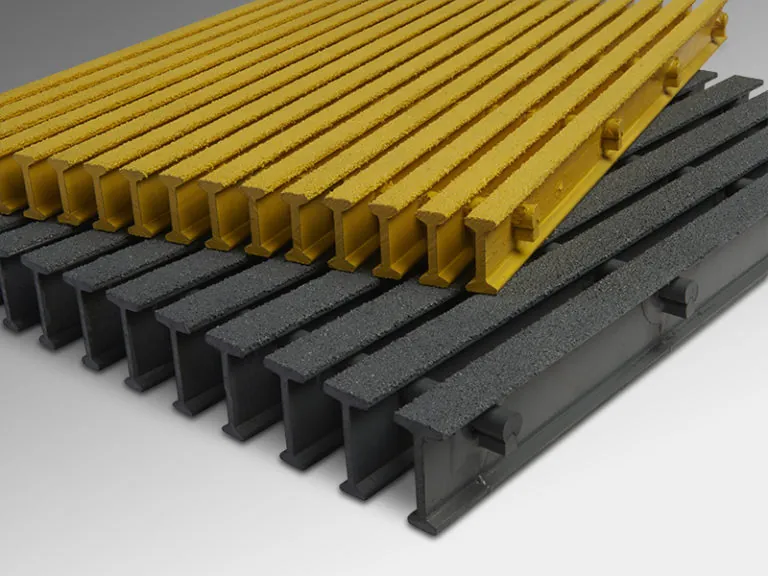
- 50 mm Pultruded FRP Grating — long-span panels for tank walls, bridge walkways and equipment platforms.
- Vinyl-Ester Resin Grating — the recommended grade against H2S, biogenic sulfuric acid and chemical-feed exposure.
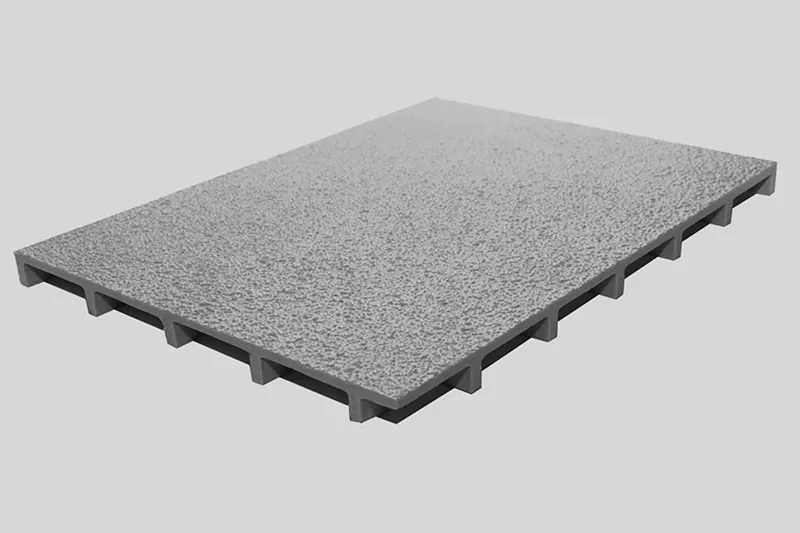
- Solid FRP Covers — flat and curved covers over channels, wet wells and odor-control points, with daylighting and access options.
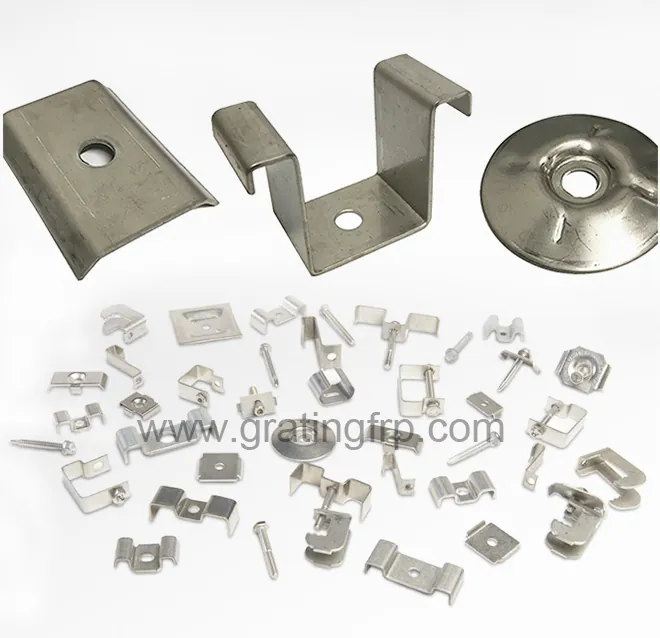
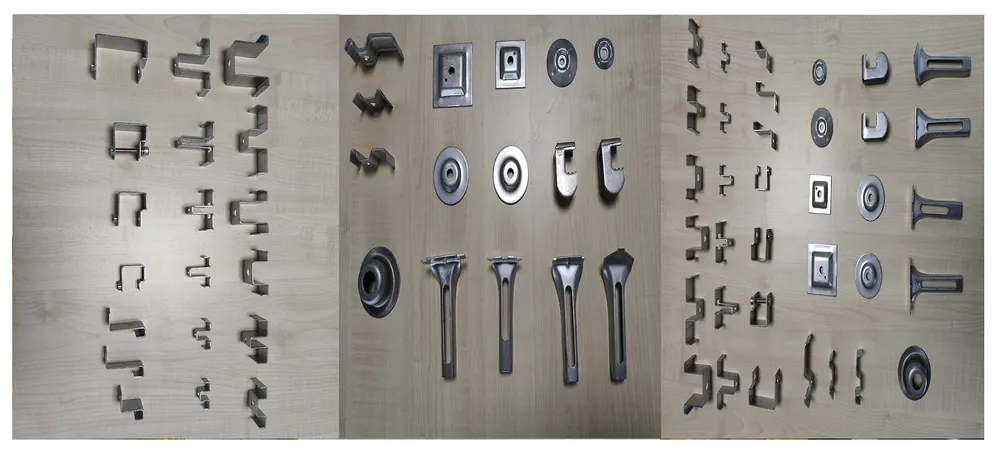
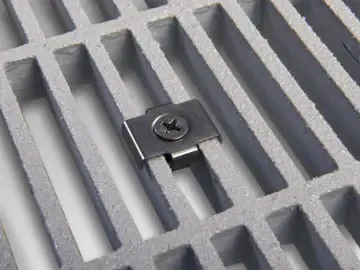
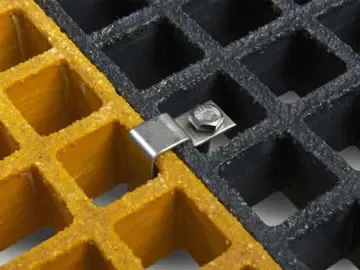
- FRP Stair Treads & Clips — anti-slip treads and non-corroding M, C and L fasteners for long-term, low-maintenance fixing.
The Corrosion Chemistry: Why Steel Fails and FRP Lasts
In collection systems and treatment tanks, sulphate-reducing bacteria produce hydrogen sulphide gas. Above the waterline, other bacteria oxidize that gas into dilute sulfuric acid, which attacks concrete and eats away at carbon steel and, over time, chloride-exposed stainless steel. This is why wastewater structures show crumbling concrete and rusted platforms within years. A vinyl-ester or properly specified isophthalic FRP system is inherently resistant to dilute acids and will not rust, spall or require repainting; its light weight also reduces the structural demand on aging tank walls and clarifier bridges during upgrades. Gritted surfaces add the wet-weather traction that worker safety requires over constantly damp tanks.
Why Municipalities and EPCs Source Direct from ZEALL
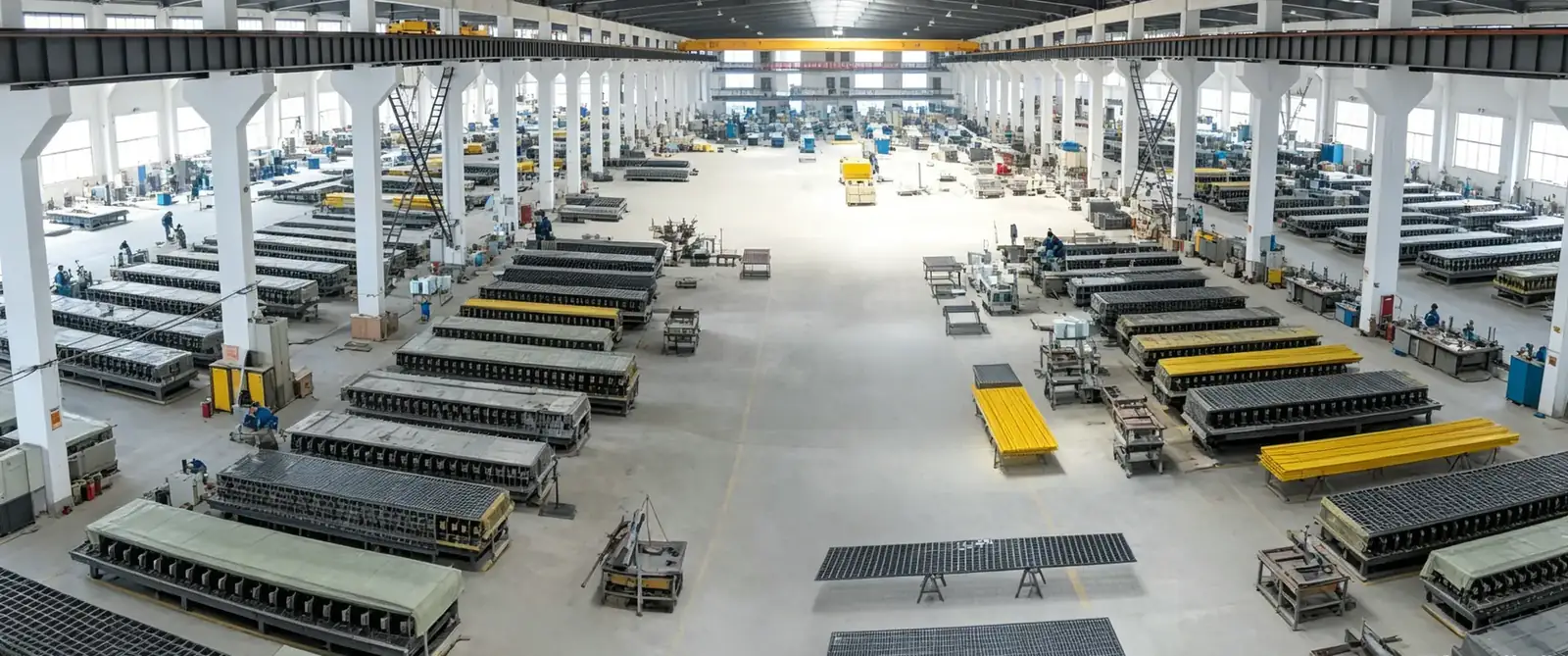
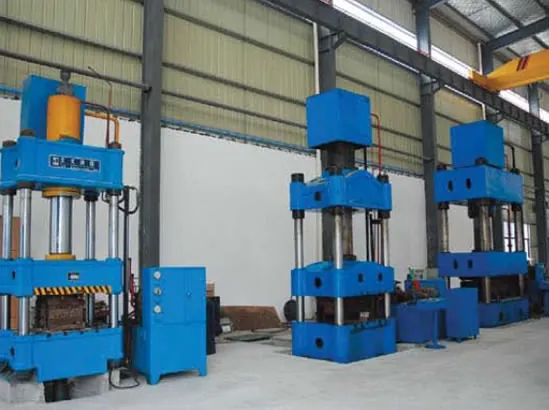
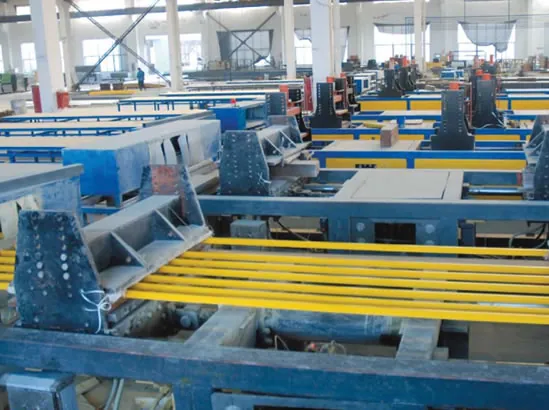
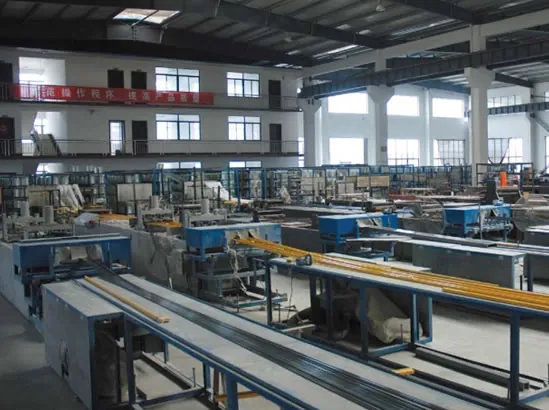
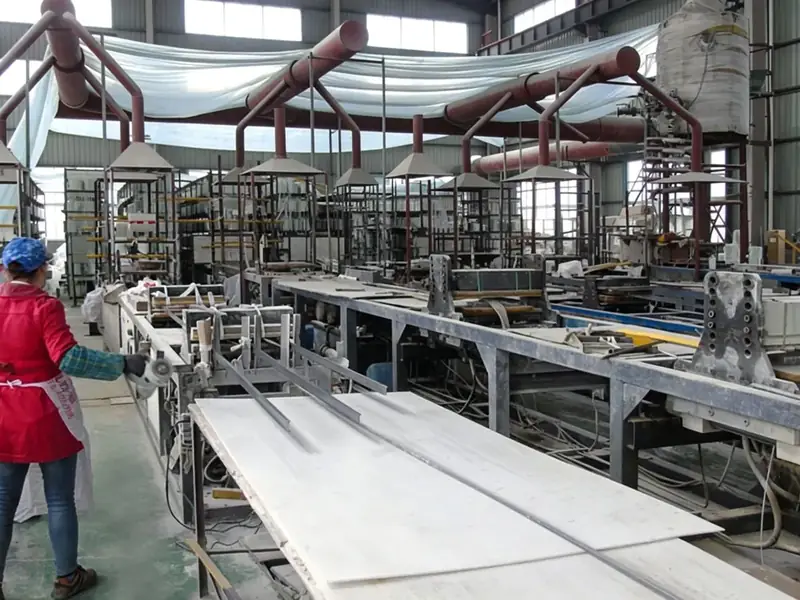
Factory-direct procurement removes specialty grating supplier margins while keeping resin and engineering decisions in our hands. Standard panels are produced in 15–25 days, with overall delivery of approximately 12–36 working days depending on specification and routing to the plant; the minimum order is 10 square meters. We have exported to 45+ countries, supported by 541 reviews averaging 4.9 out of 5. Operating since 2004 with more than 200 employees, we provide free load calculations, acid-service resin selection, panel and cover layout, plus the export documentation your broker needs for CBP entry.
Frequently Asked Questions
Wastewater H2S converts to biogenic sulfuric acid that rusts carbon steel and attacks chloride-exposed stainless. FRP, especially in vinyl-ester resin, resists dilute acids, does not rust, needs no painting and is light enough to span aging tank walls.
- United States FRP Grating Supplier
- Houston
- Los Angeles
- Long Beach
- New York
- Savannah
- Oil Gas Walkway
- Wastewater Platform (this page)