Why Oil & Gas Operators Specify FRP Walkway Grating
Upstream, midstream and downstream oil and gas facilities demand walking surfaces that are non-sparking, electrically non-conductive and resistant to hydrocarbons, hydrogen sulphide, acids and salt-laden air. Carbon steel grating rusts, requires continuous painting and can create ignition risk; aluminium is conductive and corrodes in caustic service; concrete is heavy and cracks under cyclic loading. Fiberglass (FRP/GRP) grating solves all three: it will not spark, does not conduct electricity, resists sour and chemical service, and weighs roughly a quarter of steel for easier installation on elevated pipe racks and platforms.
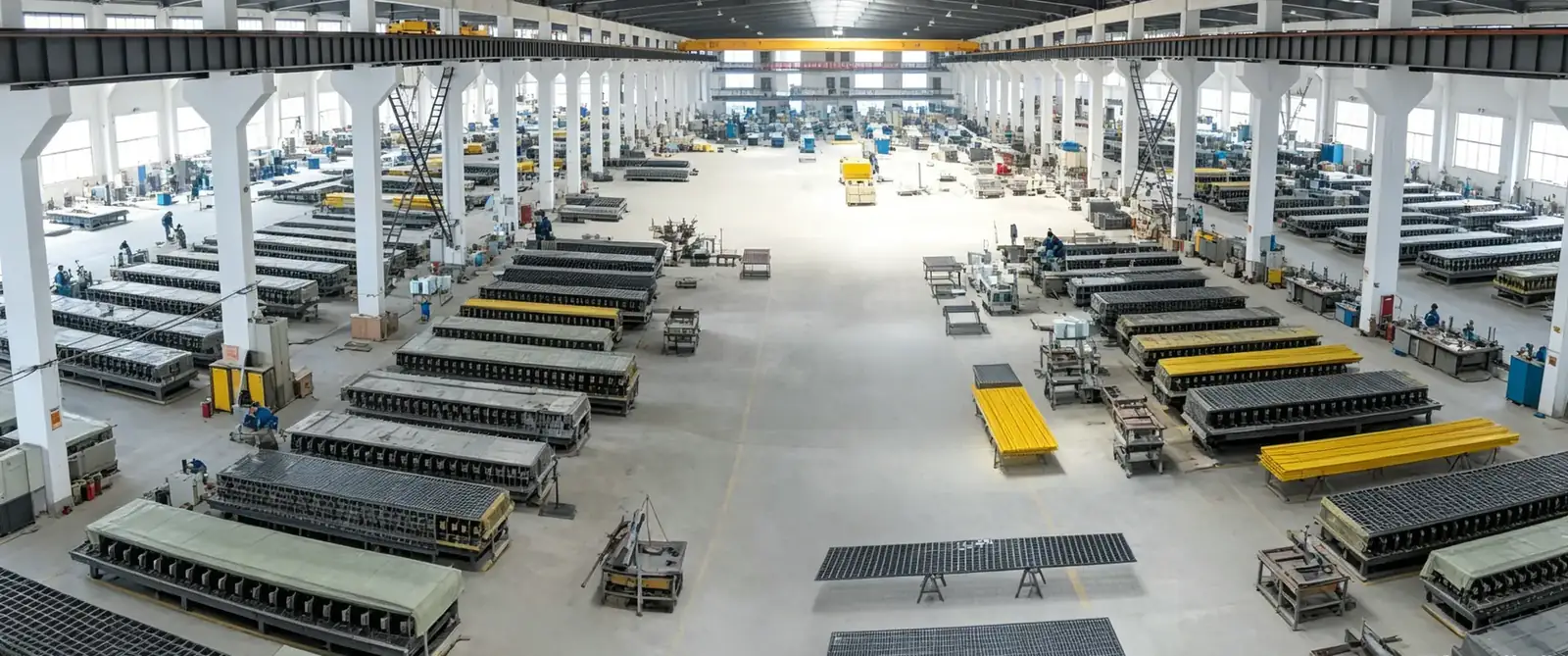
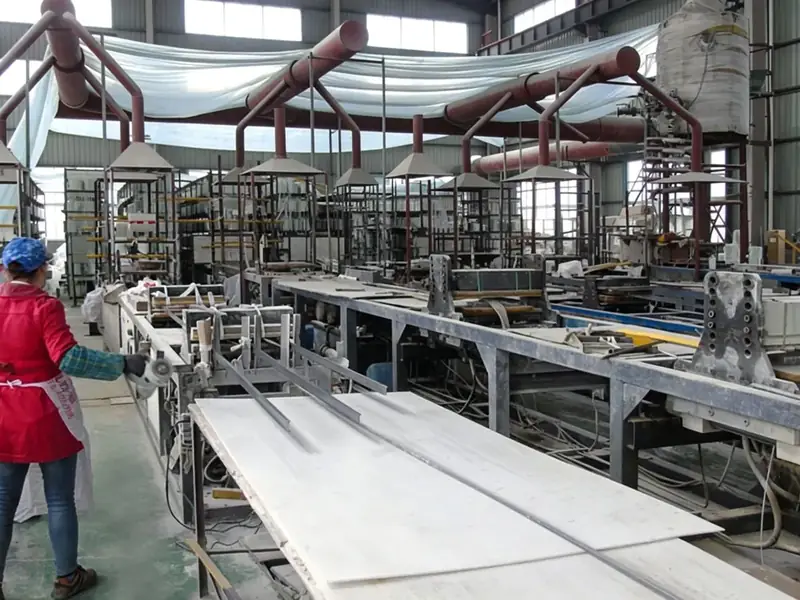
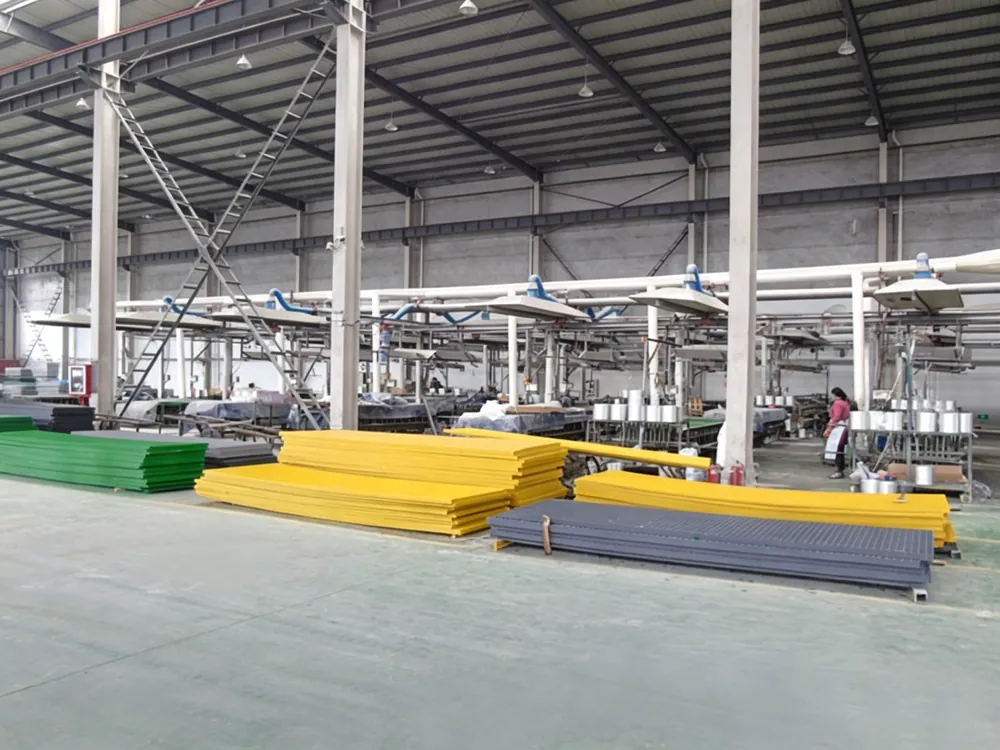
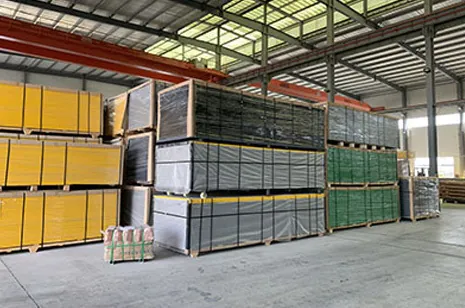
NANTONG ZEALL supplies molded and pultruded FRP walkway grating, stair treads, solid covers and matching handrails to US oil and gas projects, factory-direct from China at USD 15-95 per square meter, with engineering support for load and resin selection.
Where FRP Walkways Are Used Across the Oil & Gas Value Chain
- Upstream — Well Pads & Production Sites — access walkways around wellheads, separators and tank batteries where non-sparking and non-conductive flooring matters.
- Midstream — Compressor Stations & Metering — elevated walkways, valve-operating platforms and pipeline crossing structures exposed to vibration and outdoor weather.
- Downstream — Refineries & Petrochemical Plants — pipe-rack walkways, process-unit platforms and flare-area access in sour-service and chemical environments.
- LNG & Storage Terminals — tank-farm access, dike walkways and non-conductive flooring around cryogenic and hydrocarbon handling.
- Marine & Offshore Support — onshore loading jetties, pump stations and coastal terminals facing salt spray.
- Fleet & Maintenance Yards — wash-down and equipment platforms where oil, grease and de-icing chemicals are present.
Sourcing and Importing to US Oil & Gas Sites
Whether a project is in the Permian Basin, the Gulf Coast, the Rockies or the Midwest, material ships by ocean container to the nearest US port and then by truck or rail to site. Depending on the destination coast, transit may run direct across the Pacific to a West Coast port, or via the Panama Canal to a Gulf or East Coast port; these port-to-port times vary and are quoted per routing rather than fixed. Import entry is handled by US Customs and Border Protection (CBP) under the correct HTS classification, supported by a commercial invoice and packing list. The United States applies duties rather than a value-added tax, and your broker confirms the current rate and any applicable trade measures for the shipment.
Safety, Standards & Certification Context
US industrial walkways are designed to OSHA walking-working surface requirements, including guardrail, toe-board and slip-resistance expectations. Our gratings are tested to ASTM E-84 for surface burning characteristics and ASTM F3059 for fiberglass grating, produced under an ISO 9001 quality system. Because FRP is non-sparking and non-conductive, it is commonly preferred around hydrocarbon and electrical hazards; engineers still size panels from published load and deflection tables for the actual span and live load.
We state only the certifications we hold — ISO 9001, ASTM E-84, ASTM F3059, ABS, Intertek, SGS and CE — without reference numbers or expiry dates, and we do not claim marks we do not hold.
Recommended Products for Oil & Gas Walkways
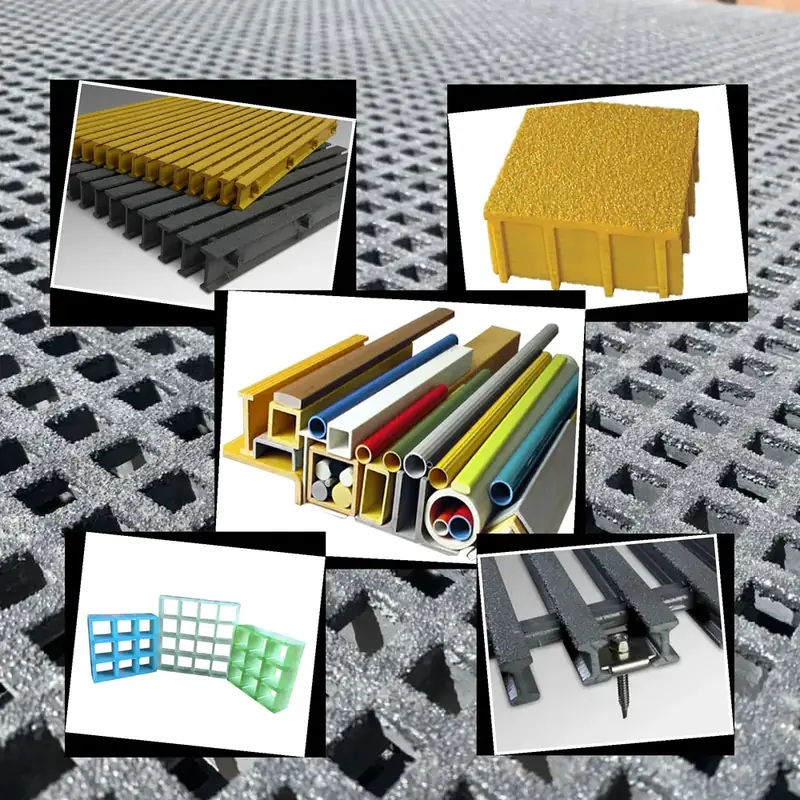
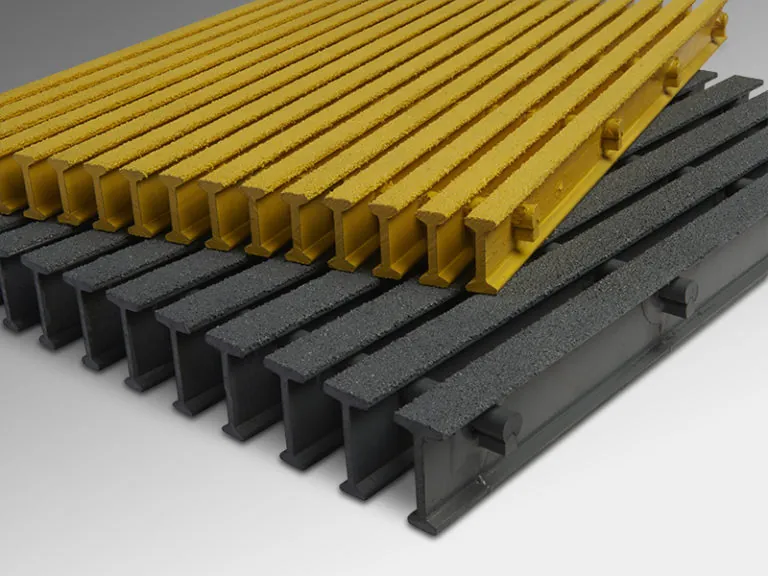
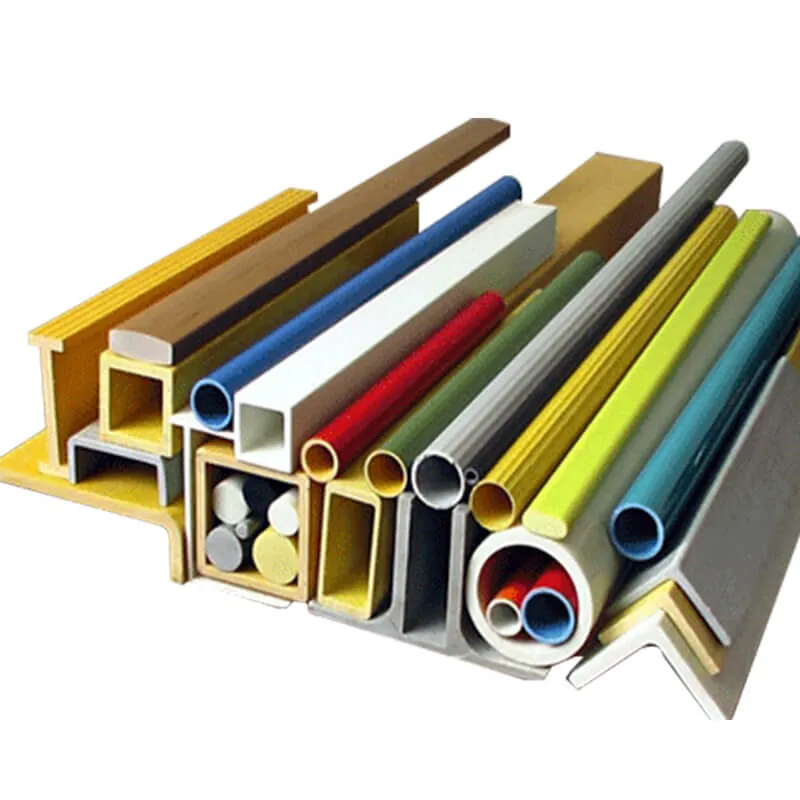
- 50 mm Pultruded FRP Grating — high uni-directional capacity for long pipe-rack spans and elevated equipment platforms.
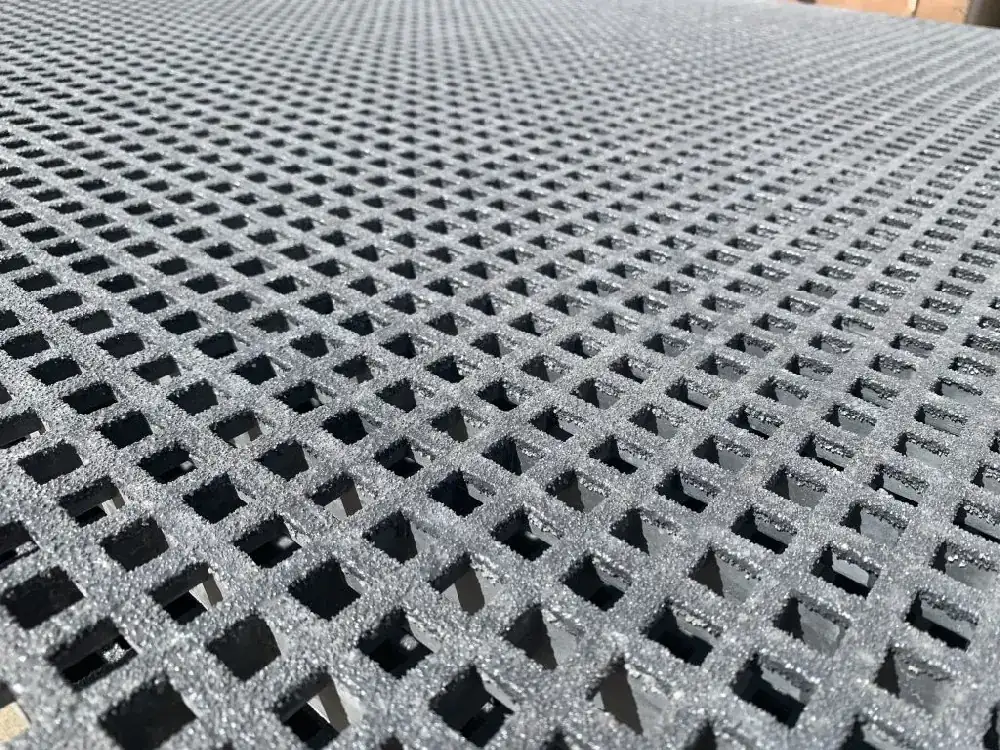
- 38 mm Molded FRP Grating — bi-directional, grit-top walkway panels for general access and valve platforms.
- Vinyl-Ester Resin Grating — preferred for sour service, hydrogen-sulphide, acids and heavy chemical exposure.
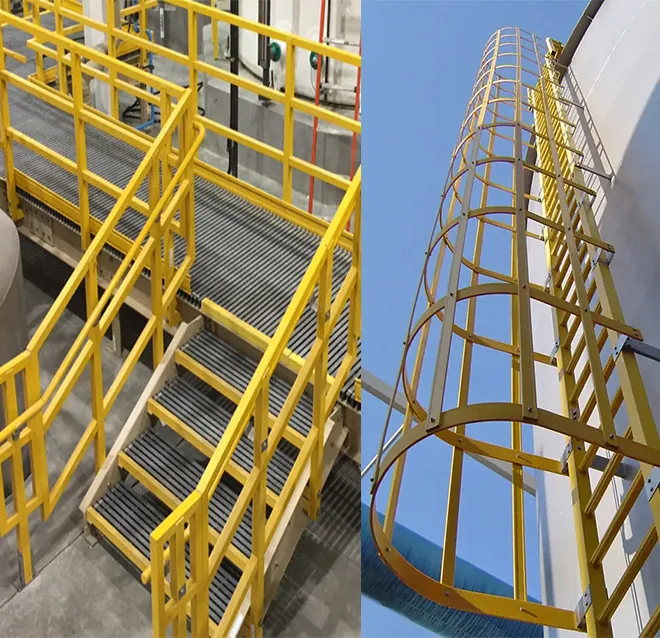
- FRP Stair Treads & Handrails — anti-slip treads paired with non-corrosive FRP railing for stair towers and access platforms.
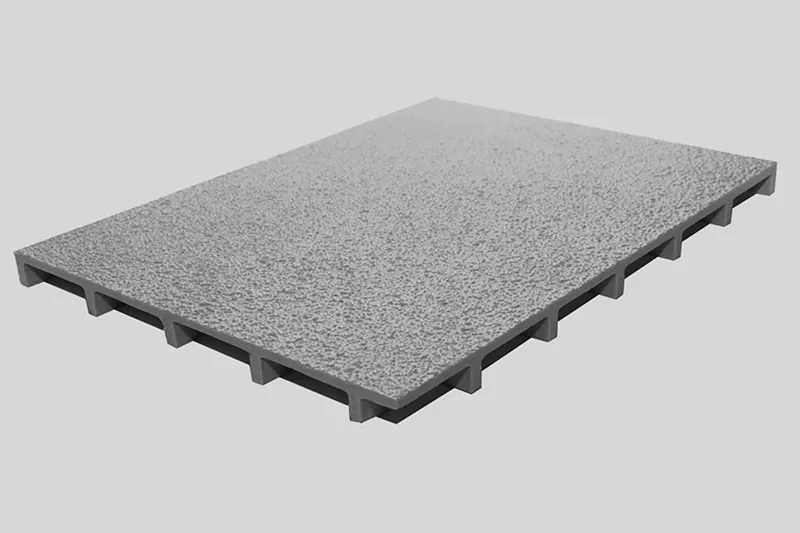
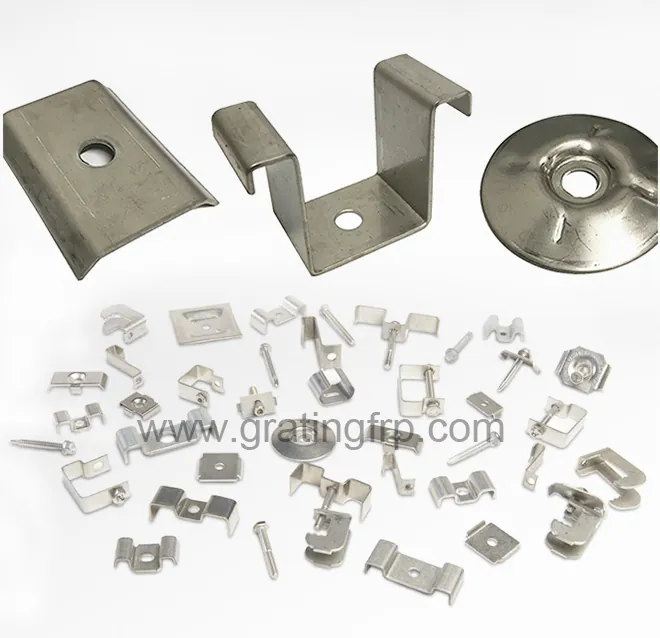
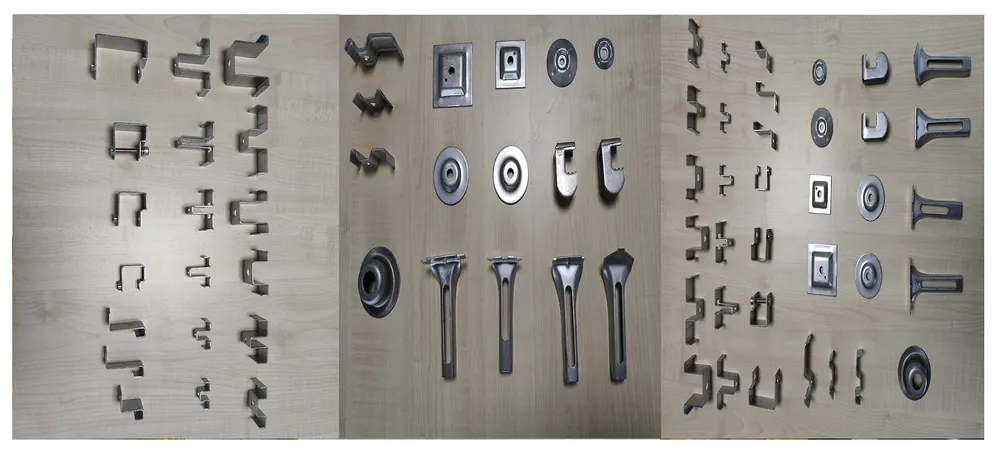
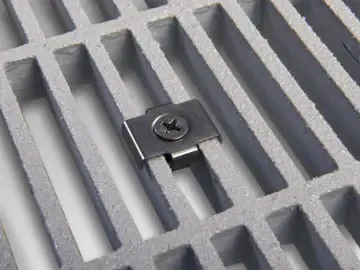
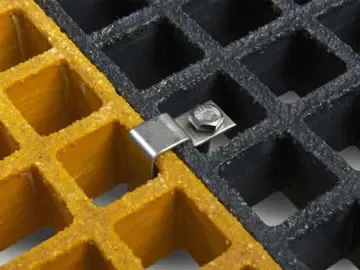
- Solid Covers & Clips — trench, ditch and pit covers with M, C and L fasteners for secure, non-sparking fixing.
Resin Selection for Sour Service and Harsh Outdoor Exposure
Resin choice drives long-term performance in oil and gas service. General-purpose polyester suits mild, non-corrosive walkways; isophthalic polyester handles moderate moisture and chemical exposure; vinyl-ester resin is the standard for sour service, hydrogen sulphide, acids, caustics and salt spray because it retains strength and resin-barrier properties where cheaper systems blister or degrade. For outdoor installations we add UV stabilization and a surface veil to limit chalking and fibre prominence under strong sun, while gritted or concave surfaces retain traction when walkways are wet, icy or oil-misted. Because the composite will not rust or spark, maintenance repainting and ignition-inspection burdens fall away over the asset life.
Why Operators and EPCs Source Direct from ZEALL
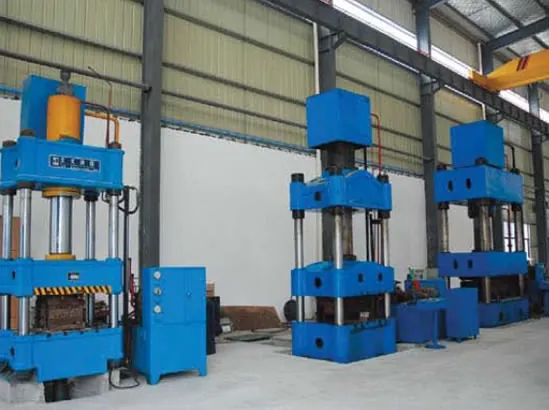
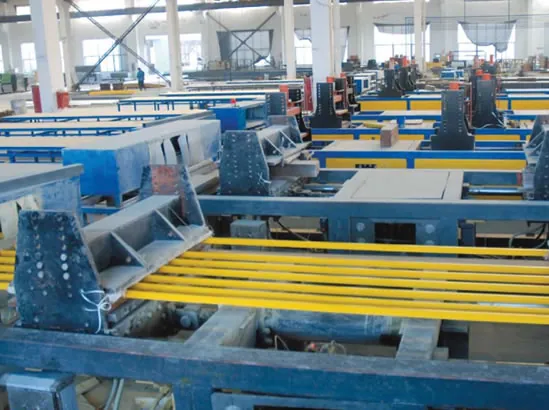
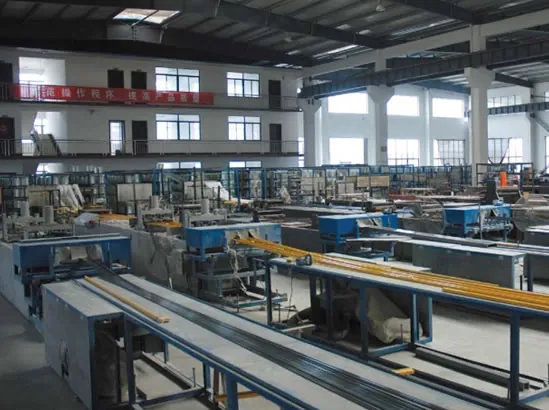
Direct manufacturer supply removes the margins of specialty grating distributors while keeping engineering control in our hands. Standard panels are produced in 15–25 days, with overall delivery of approximately 12–36 working days depending on specification and routing to your region; the minimum order is 10 square meters. We have exported to 45+ countries, supported by 541 reviews averaging 4.9 out of 5. Operating since 2004 with more than 200 employees, we provide free load calculations, resin selection for sour service, panel layout and the export documentation your broker needs for CBP entry.
Frequently Asked Questions
Yes. FRP does not spark and is electrically non-conductive, which is why it is widely used on well pads, compressor stations, refinery walkways and tank-farm platforms where carbon steel presents ignition and conductivity concerns.
- United States FRP Grating Supplier
- Houston
- Los Angeles
- Long Beach
- New York
- Savannah
- Oil Gas Walkway (this page)
- Wastewater Platform