Los Angeles: The West Gate of United States Trade
Los Angeles is the economic engine of the US West Coast and, together with the adjacent Port of Long Beach, forms the busiest container gateway in the Americas. The twin ports handle the bulk of trans-Pacific container volume moving between Asia and the United States, feeding the Los Angeles metro, the Inland Empire distribution centres and, by rail, the entire Midwest and East Coast. Around this gateway sit refineries along the Wilmington shoreline, aerospace and defence campuses in El Segundo and Long Beach, film and studio lots, and a dense network of warehouses, intermodal yards and wastewater plants.
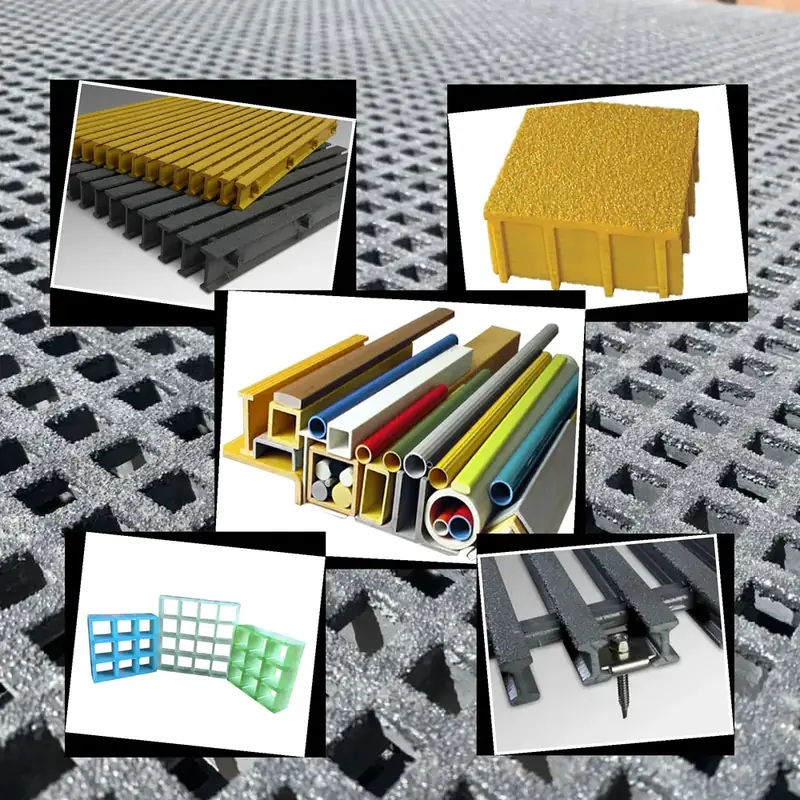
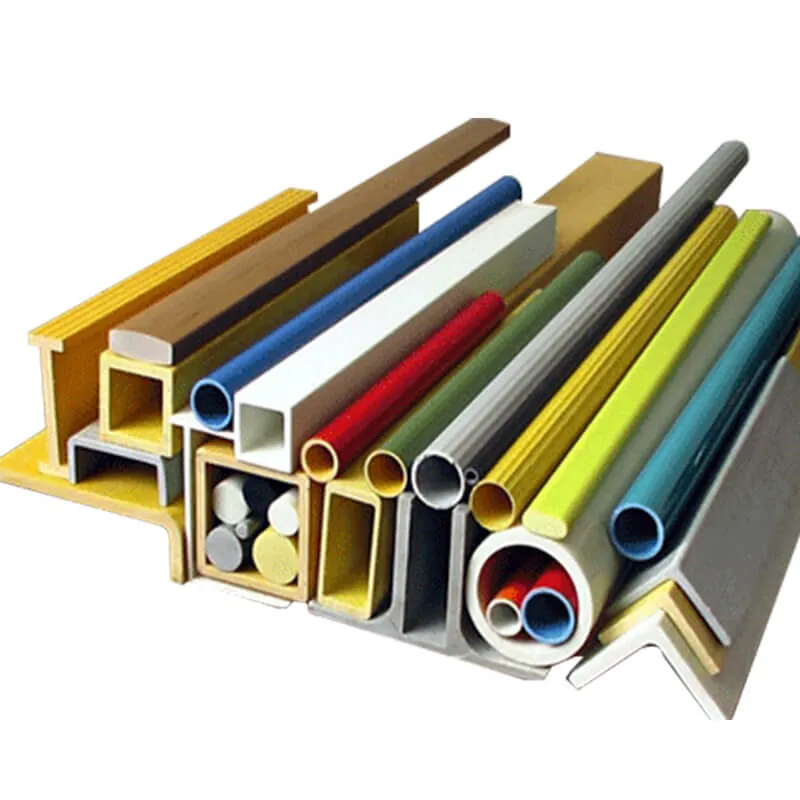
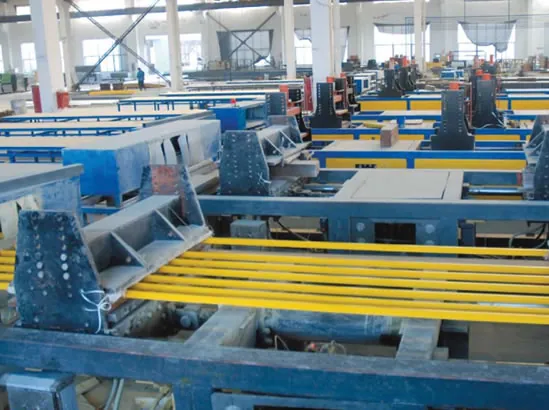
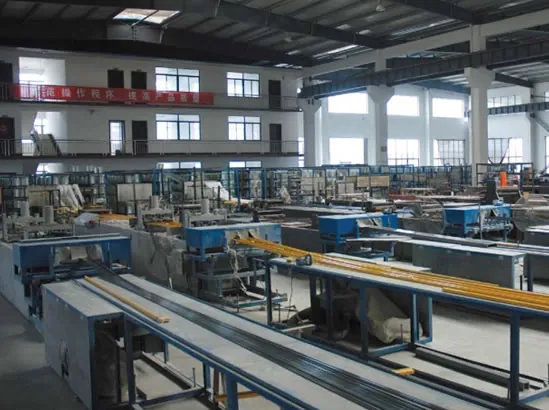
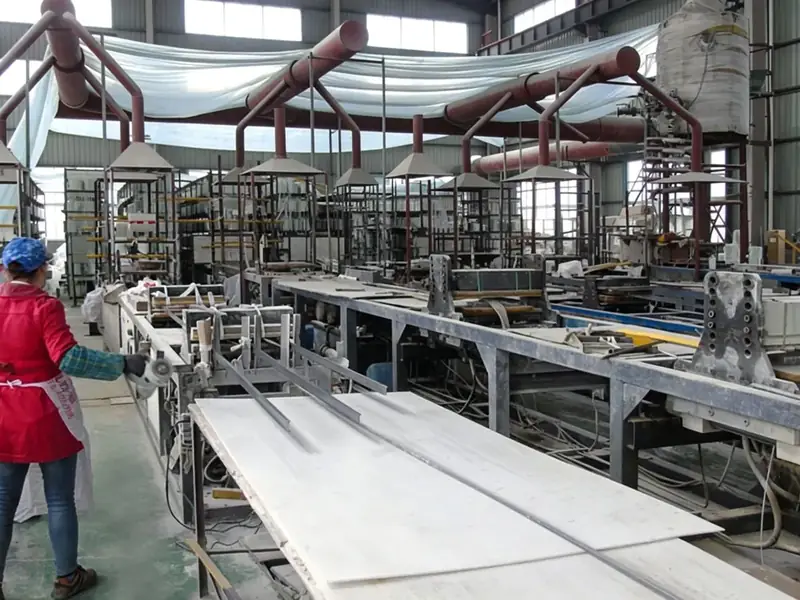
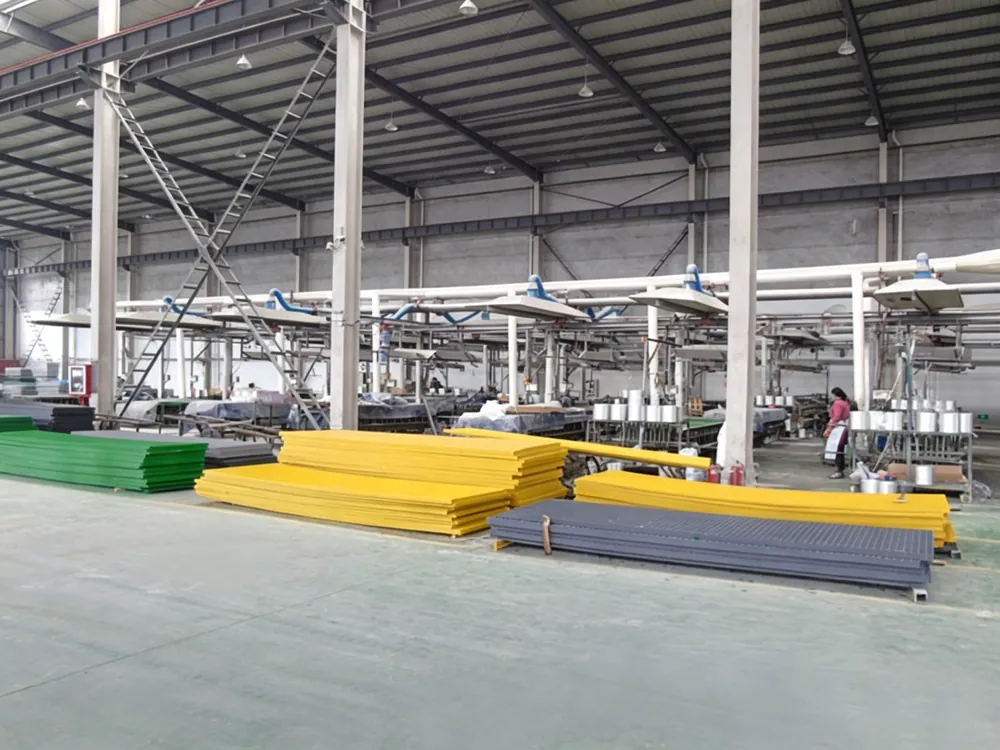
For owners, contractors and EPC firms in this corridor, FRP grating offers a lightweight, non-sparking and non-conductive walkway surface that shrugs off coastal salt air, wash-down chemicals and the constant vibration of port and industrial sites. As a direct fiberglass grating manufacturer, NANTONG ZEALL supplies molded and pultruded GRP panels, stair treads, solid covers and clips to Los Angeles-area projects with factory-direct pricing from USD 15-95 per square meter.
How Grating Reaches Los Angeles: Direct Trans-Pacific Service
Because Los Angeles faces the Pacific, material from our Nantong plant sails directly across the ocean rather than around a canal. Containers leave Shanghai, Ningbo or Yantian on regular transpacific services and discharge at the Port of Los Angeles, typically taking approximately 16–21 days port-to-port depending on carrier routing, blank sailings and terminal berth windows. From the dock, the Alameda Corridor and the regional freeway network move cargo by double-stack rail or truck to the Inland Empire and points inland, which adds a short but variable overland leg.
Import clearance is handled by US Customs and Border Protection (CBP) against the correct HTS classification, supported by a commercial invoice and packing list prepared to US requirements. The United States assesses import duties rather than a value-added tax; your licensed customs broker confirms the current duty rate and any applicable trade measures for the specific shipment. We provide the documentation your broker needs so the container clears without delay.
Key Los Angeles & Southern California Industries Using FRP Grating
- Ports, Terminals & Intermodal — dock aprons, container-yard walkways, crane access and truck-rail transfer bridges exposed to salt spray and constant traffic.
- Petroleum Refining & Storage — Wilmington-area refineries and tank farms needing non-sparking, chemical-resistant platforms and pipe-rack walkways.
- Aerospace & Defence — manufacturing and test facilities where non-conductive, cleanable flooring supports sensitive assembly and electrical safety.
- Logistics & Distribution — mezzanines, loading docks and equipment platforms across the Inland Empire warehouse belt.
- Water & Wastewater — coastal treatment and pumping facilities such as the Hyperion system facing corrosive gases and constant moisture.
- Marine & Coastal — piers, marinas, seawalls and boardwalks where steel rusts and concrete spalls in salt air.
Standards & Safety Context for Southern California Buyers
Industrial walking-working surfaces in the United States are specified under OSHA requirements, and our panels are tested to ASTM E-84 for surface burning characteristics and ASTM F3059 for fiberglass grating, produced under an ISO 9001 quality management system. Engineers select panel depth and bar spacing from published load and deflection tables matched to the actual support span and live load, and we supply these tables for submittals.
We state only the certifications the company actually holds — ISO 9001, ASTM E-84, ASTM F3059, ABS, Intertek, SGS and CE — without reference numbers or expiry dates, and we do not claim marks we do not hold.
Recommended Products for Los Angeles Projects
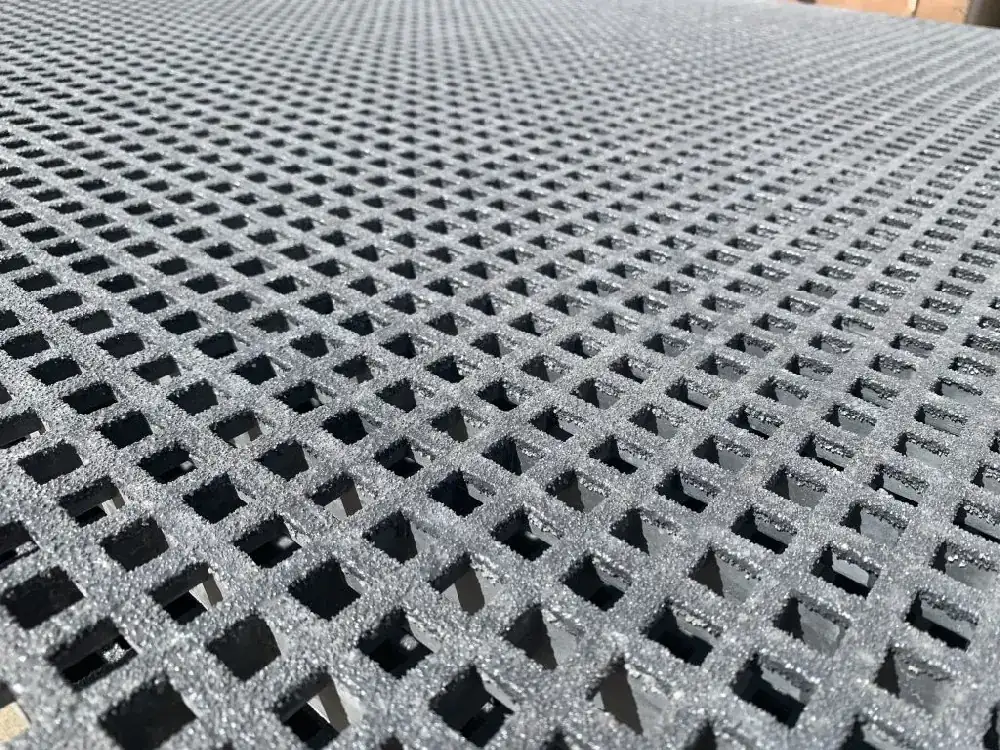
- 38 mm Molded FRP Grating — bi-directional strength for general walkways, grit-top or concave anti-slip surface.
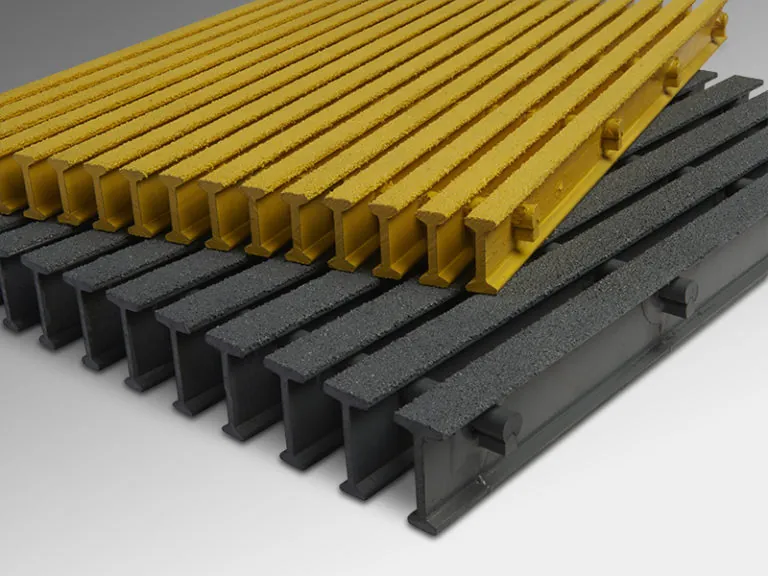
- 50 mm Pultruded FRP Grating — high uni-directional capacity for long spans on pipe racks and equipment platforms.
- Vinyl-Ester Resin Grating — upgraded corrosion resistance for refinery, tank-farm and heavy chemical areas.
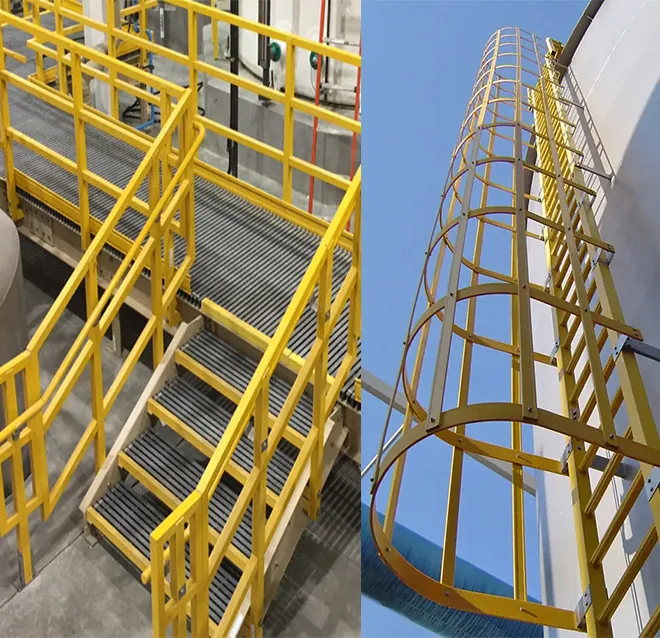
- FRP Stair Treads & Handrails — nosing-integrated, anti-slip treads and paired railing for process structures and stair towers.
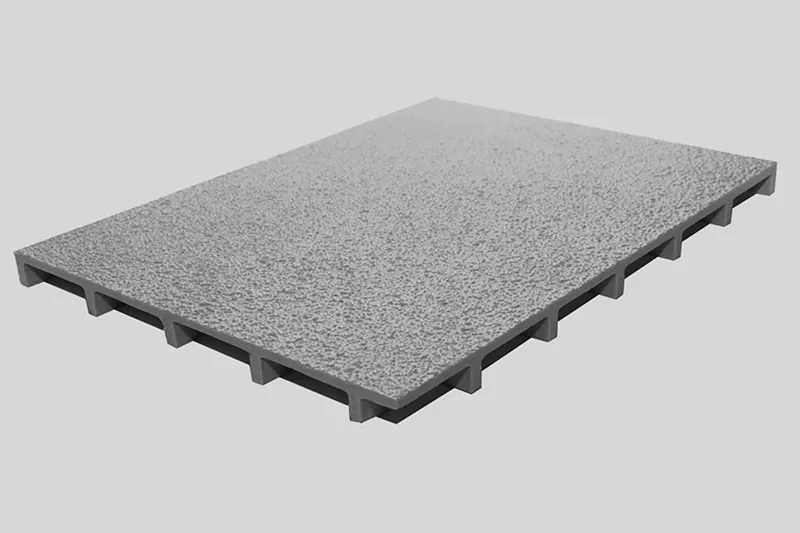
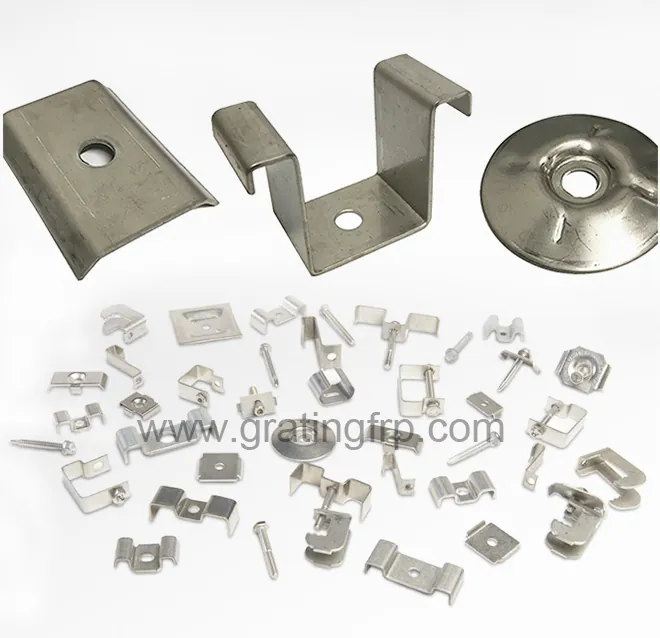
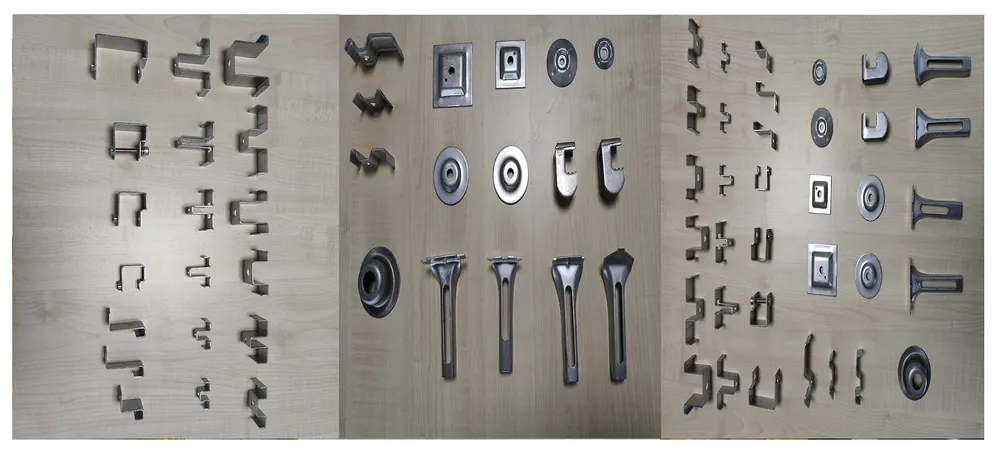
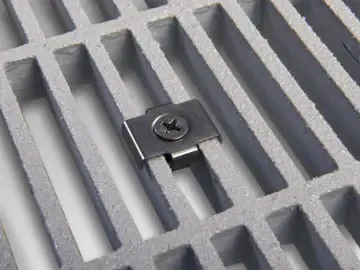
- Solid Covers & Clips — trench and equipment covers with M, C and L fasteners for dock and yard use.
Sun, Salt Air & Seismic Performance
Southern California combines intense year-round ultraviolet radiation, marine salt air along the coast, Santa Ana winds carrying dust, and mild but damp winter spells. A resin-rich surface veil and UV-stabilized formulation slow chalking and fibre prominence under strong sun, while gritted surfaces retain traction when wet. Unlike steel, the composite will not rust from salt exposure and needs no painting cycle. A further advantage in earthquake country is weight: FRP is roughly a quarter the weight of steel grating, which lowers dead load on platforms, bridges and roof structures and eases both installation and seismic demand on supporting steel.
Why Los Angeles Buyers Source Direct from ZEALL
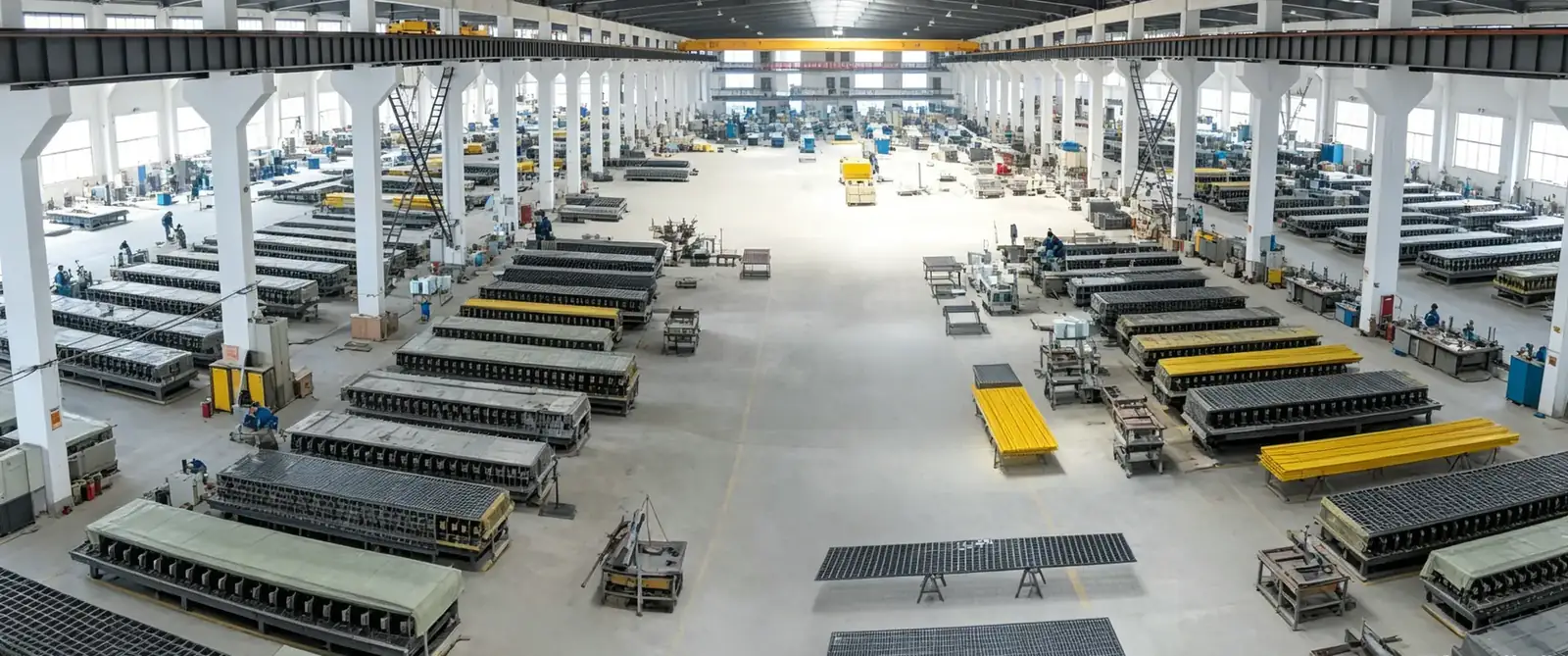
Factory-direct sourcing removes distributor and importer margins while keeping full engineering control in our hands. Standard panels are produced in 15–25 days, with overall delivery of approximately 12–36 working days depending on specification and ocean routing; the minimum order is 10 square meters. We have exported to 45+ countries, supported by 541 customer reviews at an average rating of 4.9 out of 5. Since 2004 we have grown to more than 200 employees, and our engineering team provides free load calculations, resin selection and panel layout. A single sales line and sales email keep quoting, documentation and order tracking straightforward for Los Angeles project schedules.
Frequently Asked Questions
Direct transpacific service from Shanghai, Ningbo or Yantian to the Port of Los Angeles typically runs approximately 16-21 days port-to-port, followed by a short rail or truck leg into the Inland Empire. Actual time varies with carrier schedule, blank sailings and terminal availability.