New York: The United States’ Original East Coast Gateway
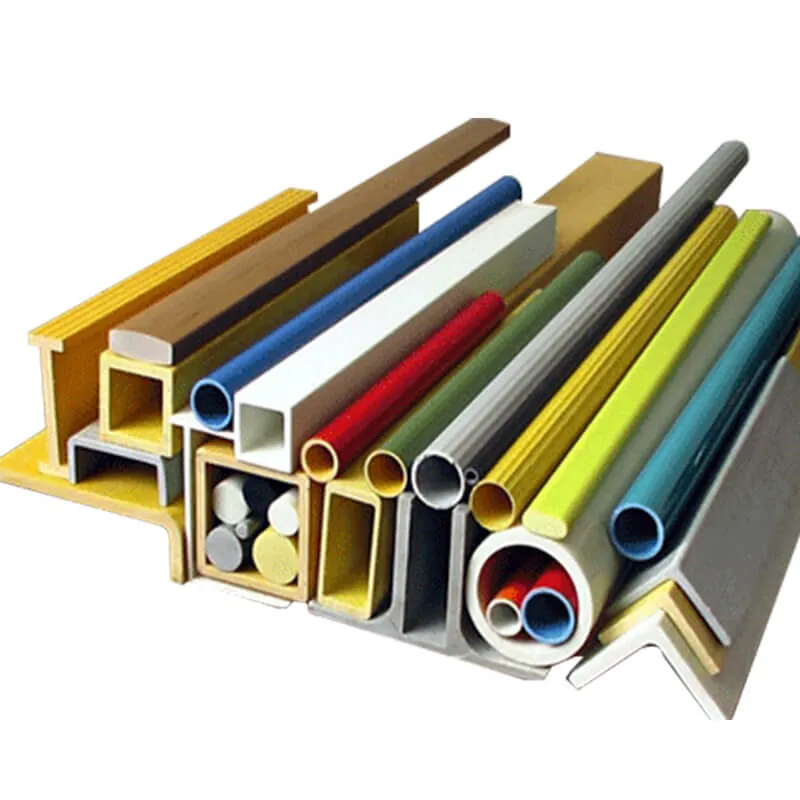
The Port of New York and New Jersey, centred on Newark Bay, the Elizabeth Marine Terminal and GCT Bayonne, is one of the busiest container ports on the US East Coast and the historic entry point for goods bound for New York City, the Northeast corridor and the American interior. Around it sit dense pharmaceutical and food-processing districts, waterfront and transit infrastructure, power and wastewater assets, and a vast building and facilities-maintenance market. Where steel grating rusts from winter road salt and harbour moisture, FRP grating gives a lightweight, non-slip, corrosion-proof walking surface.
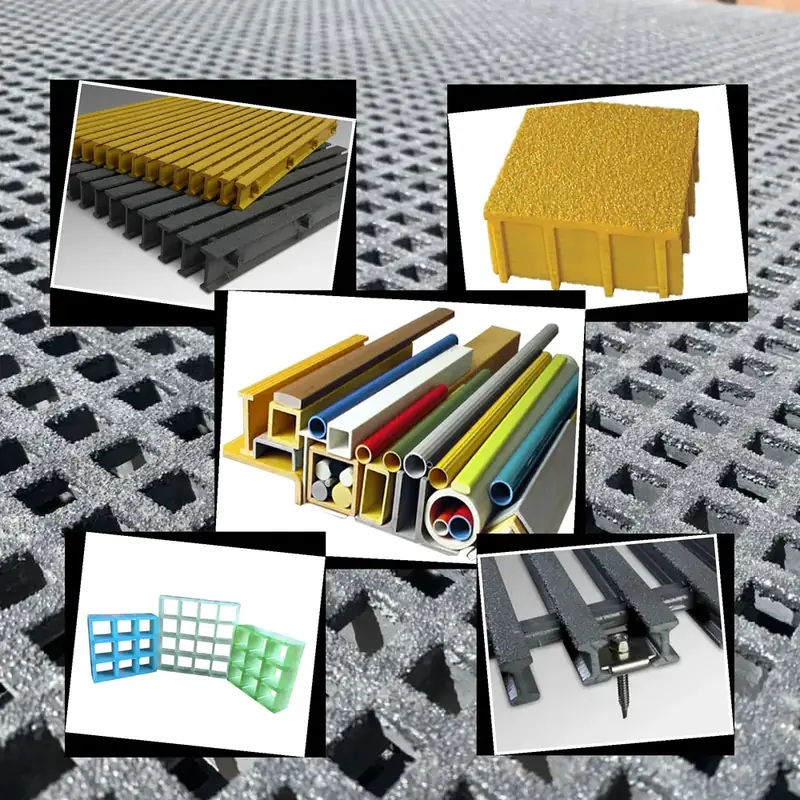
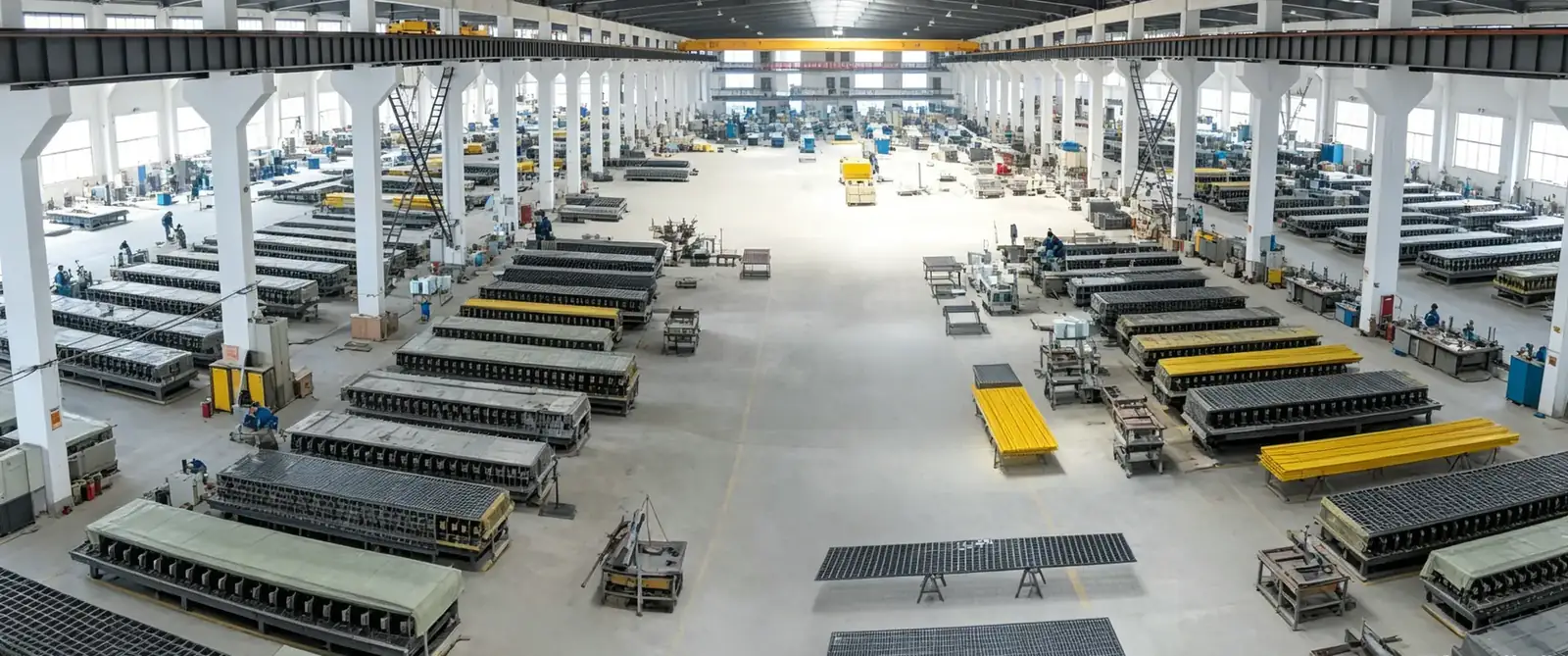
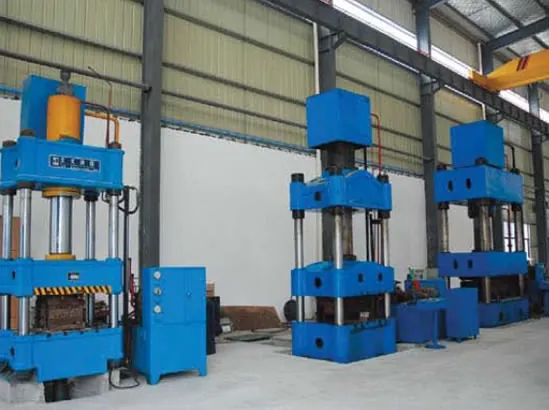
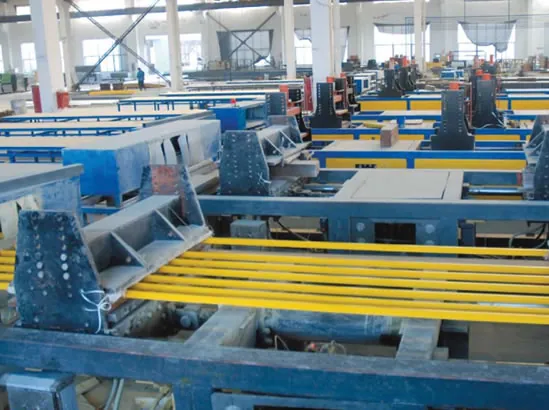
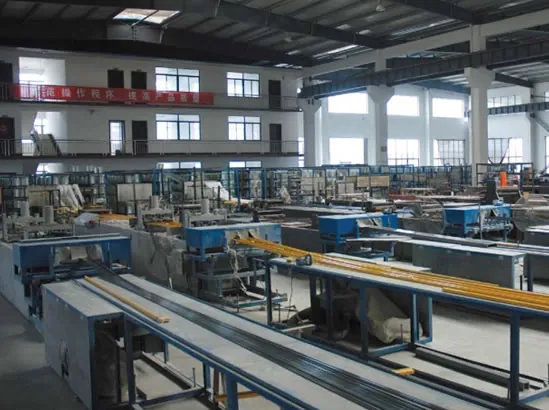
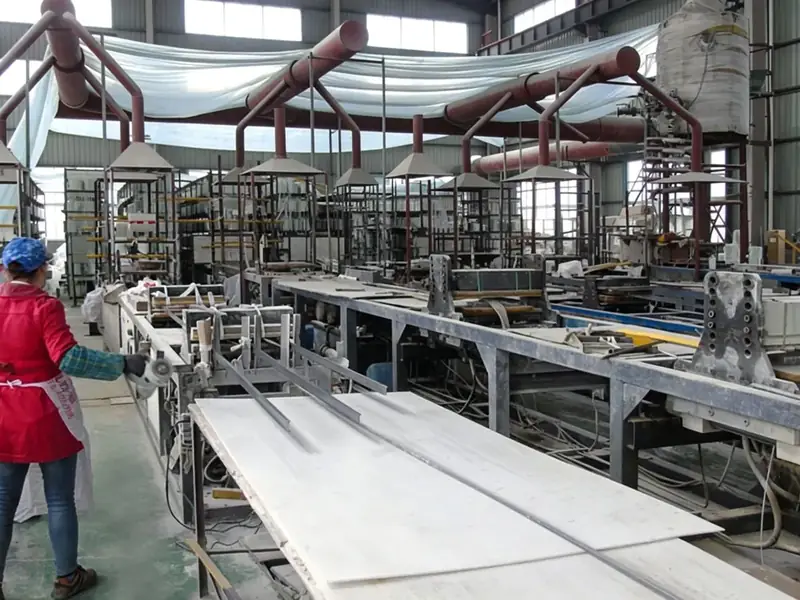
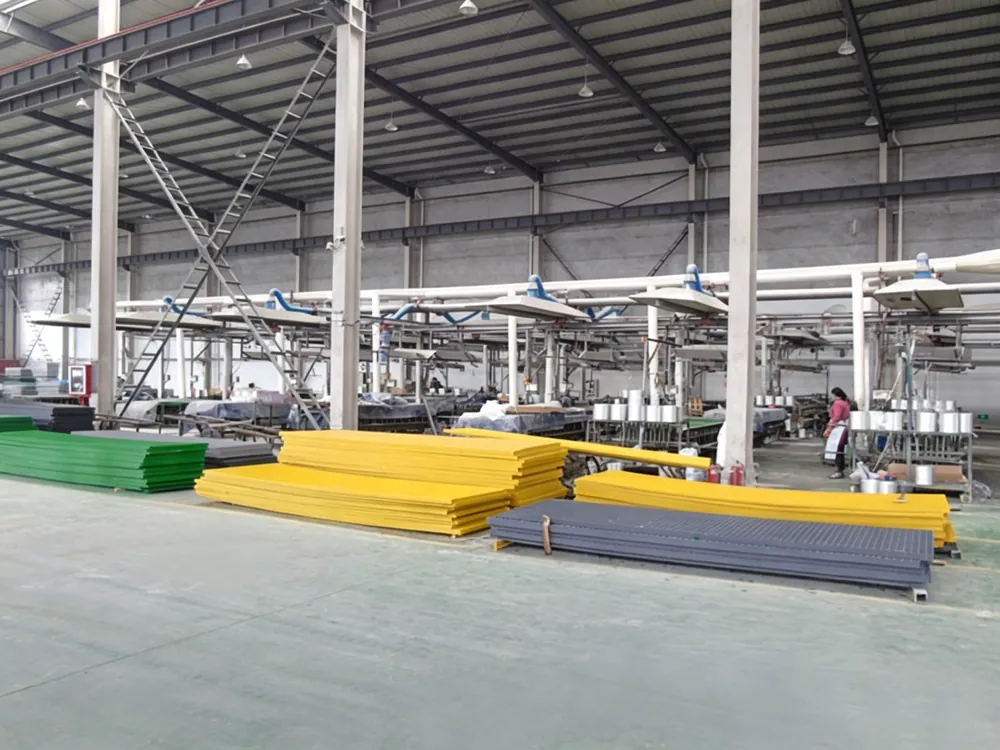
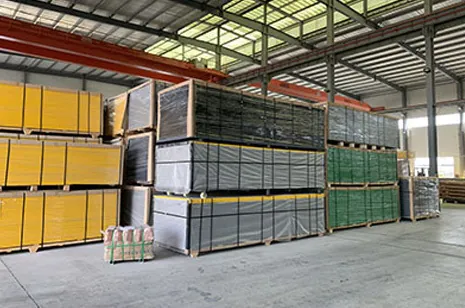
NANTONG ZEALL supplies molded and pultruded fiberglass grating, stair treads, solid covers and clips to New York and East Coast project owners, engineers and contractors, at factory-direct pricing from USD 15-95 per square meter, with in-house engineering support from our plant in China.
Reaching New York: Panama, Suez or West-Coast-and-Rail
Unlike the Pacific ports, New York is reached by longer all-water routing. The common service sails from Shanghai or Ningbo across the Pacific, through the Panama Canal and up the East Coast to Newark Bay, typically taking approximately 30–40 days port-to-port depending on canal transit, backlog and vessel schedule. An alternative all-water route goes westbound via the Suez Canal, across the Mediterranean and out through Gibraltar to New York. A third option discharges on the West Coast at Los Angeles or Long Beach and continues by intermodal rail across the United States, which can shorten calendar time but adds rail handling and inland freight.
Clearance is handled by US Customs and Border Protection (CBP) under the correct HTS classification, supported by a commercial invoice and packing list. The United States applies duties rather than a value-added tax; your broker confirms the current rate and any applicable trade measures. We prepare the documents your broker needs for a timely entry.
New York & Northeast Industries Using FRP Grating
- Pharma & Life Sciences — cleanable, non-particle-shedding walkways and mezzanines for production and utility areas.
- Food & Beverage Processing — wash-down floors, trench covers and drainage grating that resist acids and sanitizers.
- Water & Wastewater — plants such as Newtown Creek and Deer Island-style facilities facing H2S, moisture and winter salt.
- Waterfront, Bridges & Transit — piers, boardwalks, station platforms and maintenance walkways exposed to salt spray and de-icing.
- Power & Heavy Industry — generating stations, substations and industrial platforms needing non-conductive flooring.
- Commercial & Architectural — roof walkways, plaza drains and stair treads where rust staining on stone and concrete is unacceptable.
Standards & Safety for Northeast Projects
US walking-working surfaces are designed to OSHA requirements. Our panels are tested to ASTM E-84 for surface burning characteristics and ASTM F3059 for fiberglass grating, and are produced under an ISO 9001 quality management system. Engineers select depth and spacing from published load and deflection tables for the actual support span, and we supply these tables for municipal and private submittals.
We state only the certifications we hold — ISO 9001, ASTM E-84, ASTM F3059, ABS, Intertek, SGS and CE — without reference numbers or expiry dates, and we do not claim marks we do not hold.
Recommended Products for New York Conditions
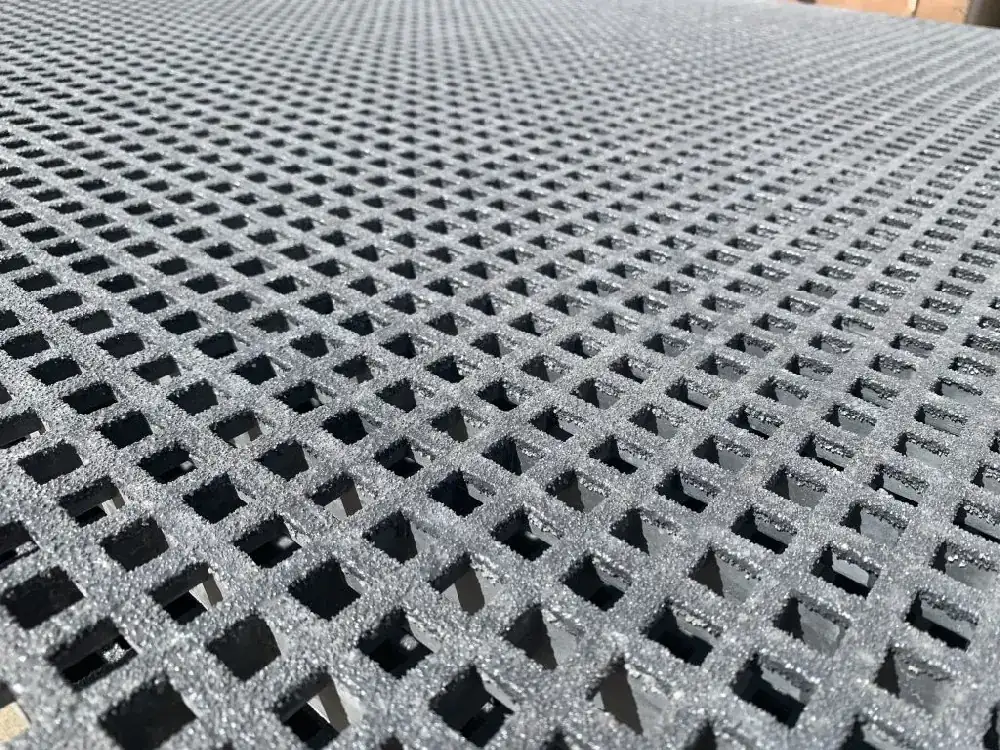
- 38 mm Molded FRP Grating — bi-directional, grit-top panels for general walkways and wash-down areas.
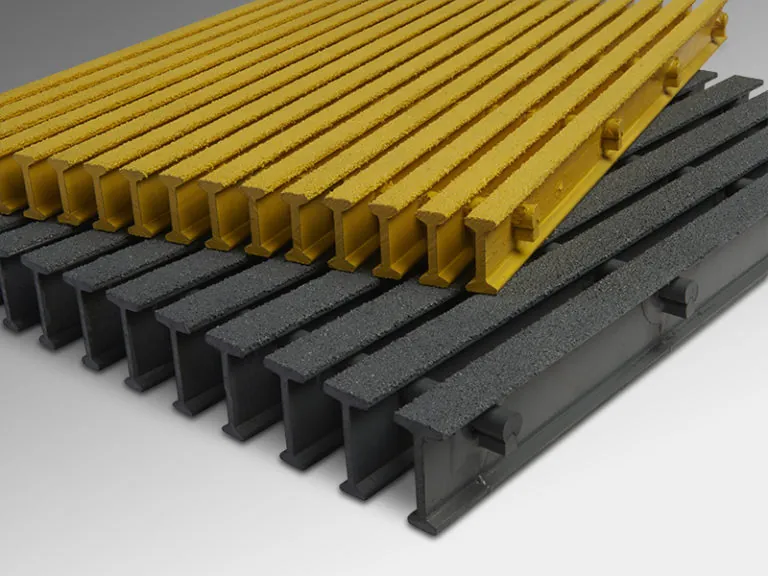
- 50 mm Pultruded FRP Grating — long-span capacity for elevated platforms, pipe racks and roof walkways.
- Vinyl-Ester Resin Grating — upgraded resistance to food acids, sanitizers and wastewater chemicals.
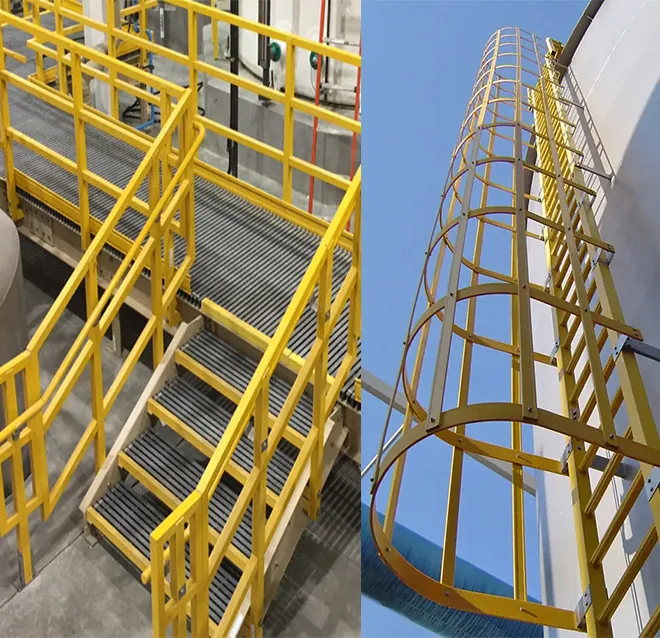
- FRP Stair Treads & Handrails — anti-slip, nosing-integrated treads for exterior and stair-tower use in winter conditions.
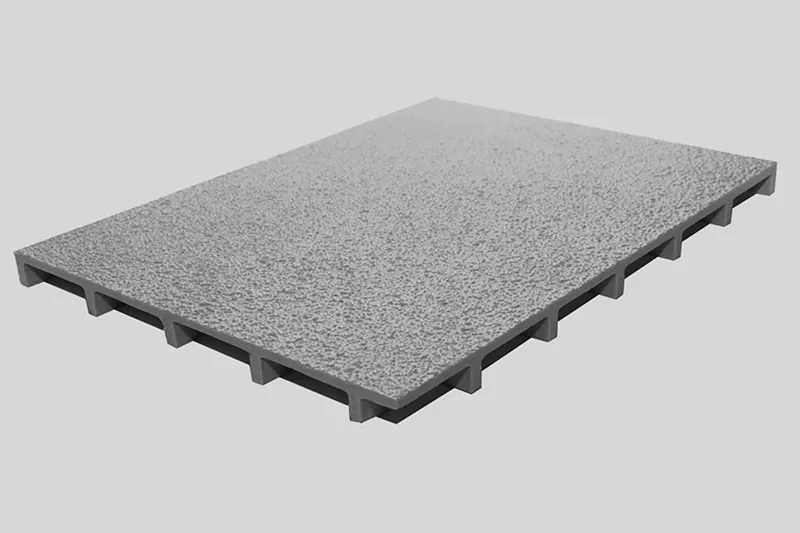
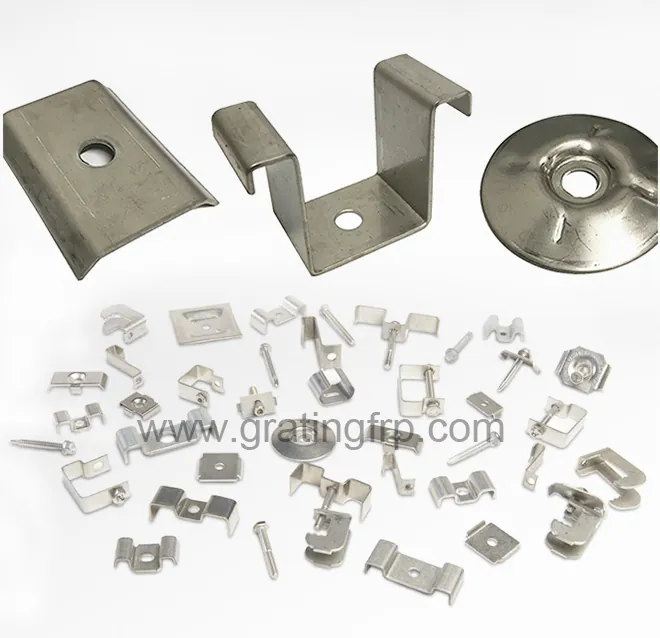
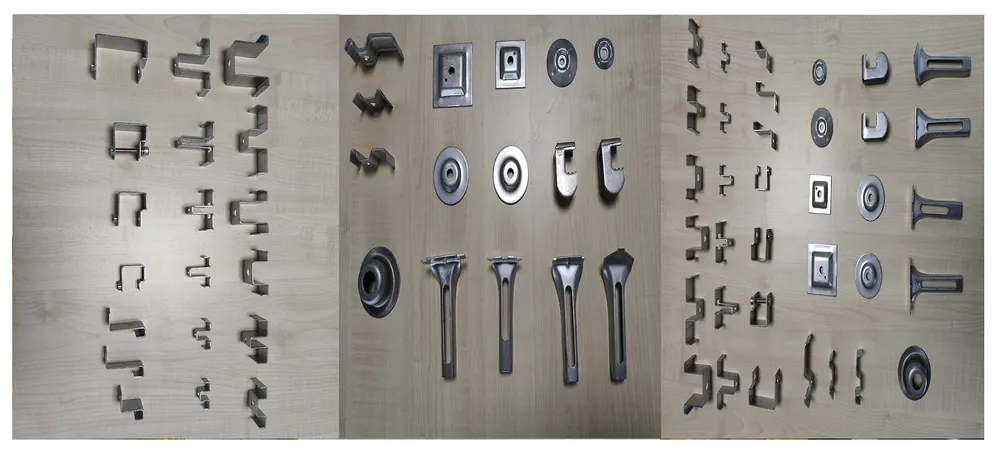
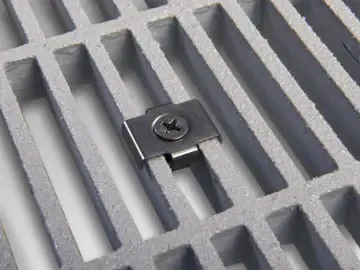
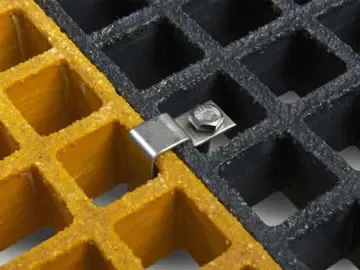
- Solid Covers & Clips — trench, drain and pit covers with M, C and L fasteners that will not rust from salt runoff.
Winter Cold, De-Icing Salt and Freeze-Thaw
The New York climate brings freezing winters, repeated freeze-thaw cycles, and heavy use of road-de-icing salts on roads, walkways and waterfront structures. Carbon steel grating rusts rapidly in this environment, and salt-laden runoff stains concrete and stone; ordinary concrete spalls as trapped water freezes. FRP is unaffected by chloride salts, does not corrode, and tolerates freeze-thaw without degradation. In summer, high humidity and harbour moisture are equally handled by the resin system, and UV-stabilized panels resist chalking on exposed waterfront and roof installations.
Why New York Buyers Source Direct from ZEALL
Direct manufacturer pricing cuts out East Coast importer and distributor layers while retaining full engineering control. Standard panels are produced in 15–25 days, with overall delivery of approximately 12–36 working days depending on specification and whether routing goes via Panama, Suez or West-Coast rail; the minimum order is 10 square meters. We have exported to 45+ countries, supported by 541 reviews averaging 4.9 out of 5. Operating since 2004 with more than 200 employees, we provide free load calculations, resin selection and panel layout, plus the export documentation your broker needs for CBP entry at the Port of New York and New Jersey.
Frequently Asked Questions
The common all-water route transits the Panama Canal to Newark Bay, typically approximately 30-40 days port-to-port; a Suez routing is an alternative. Discharging on the West Coast and railing inland can shorten calendar time but adds overland handling. We advise on the best balance of cost and schedule.