Warsaw: Poland's Inland Capital on the Vistula Served Through Baltic Gateways
Warsaw (Warszawa) sits on the Vistula in the Masovian plain; it is the national capital and the largest inland business and industrial centre, without any coastal port. Around the city and toward Radom, activity spans cross-border logistics parks, Tier-1 and Tier-2 automotive suppliers, electrical and electronics assembly, food and beverage plants plus pharmaceutical packaging, machinery and metal fabrication, and building-materials works. Decks over production lines, mezzanine aisles, machine foundations, maintenance stairways and drainage covers here meet cutting fluids, workshop grease, periodic wash-down, food-grade moisture and plastic vapours — not the salt load of a quay.
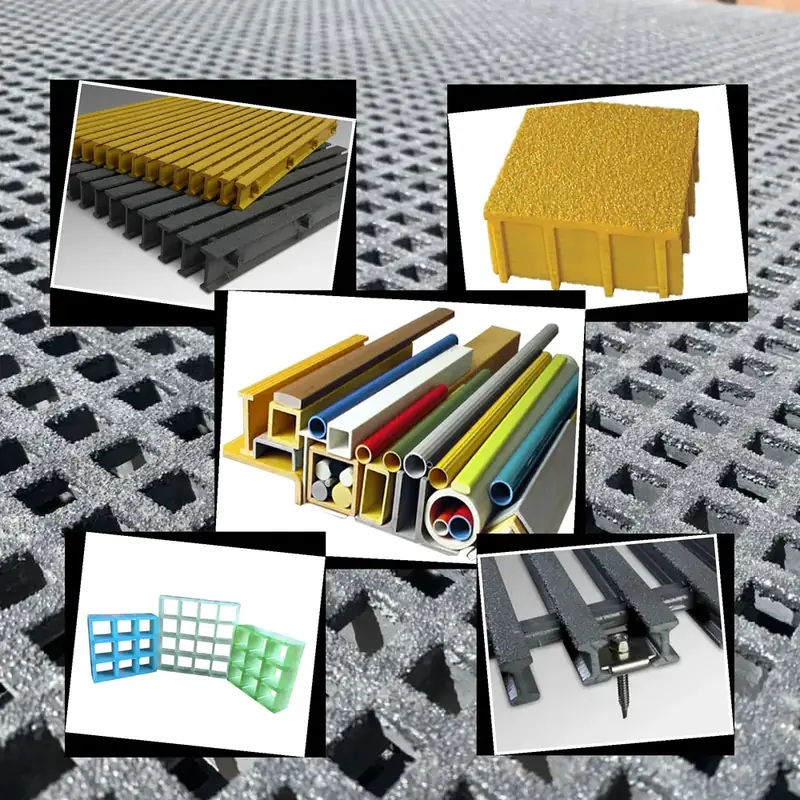
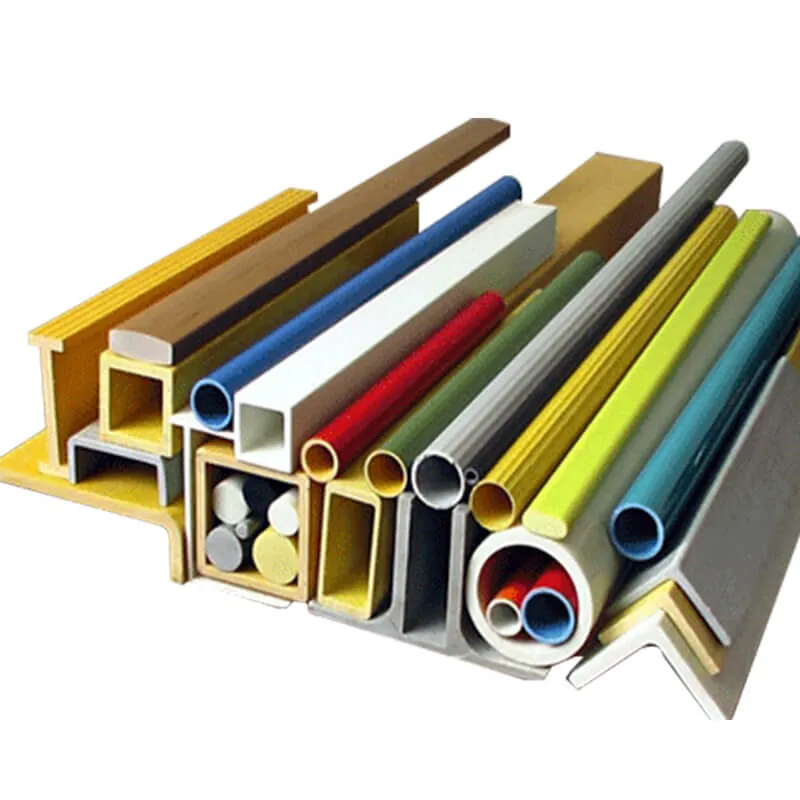
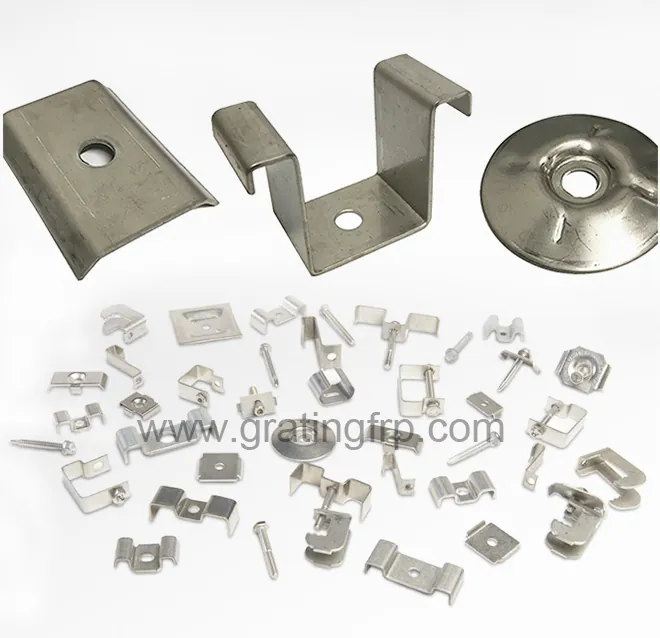
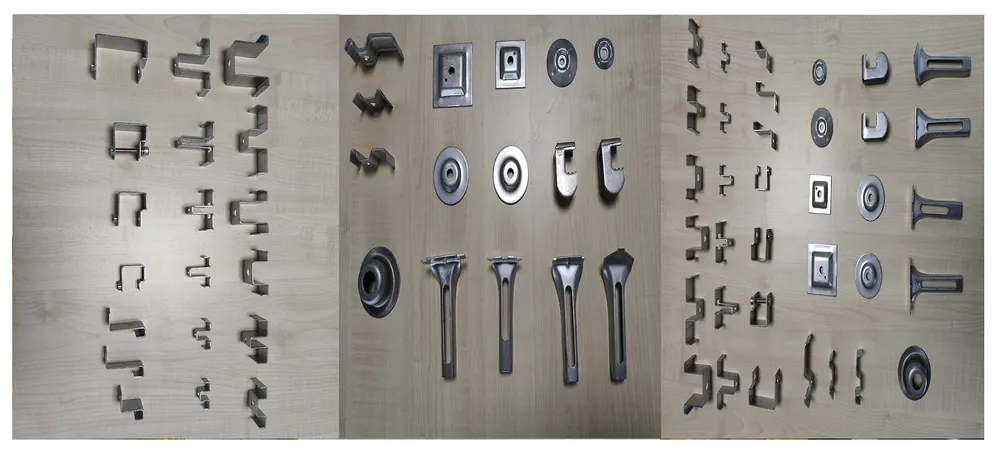
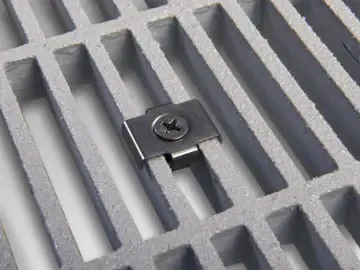
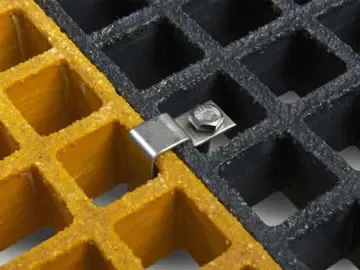
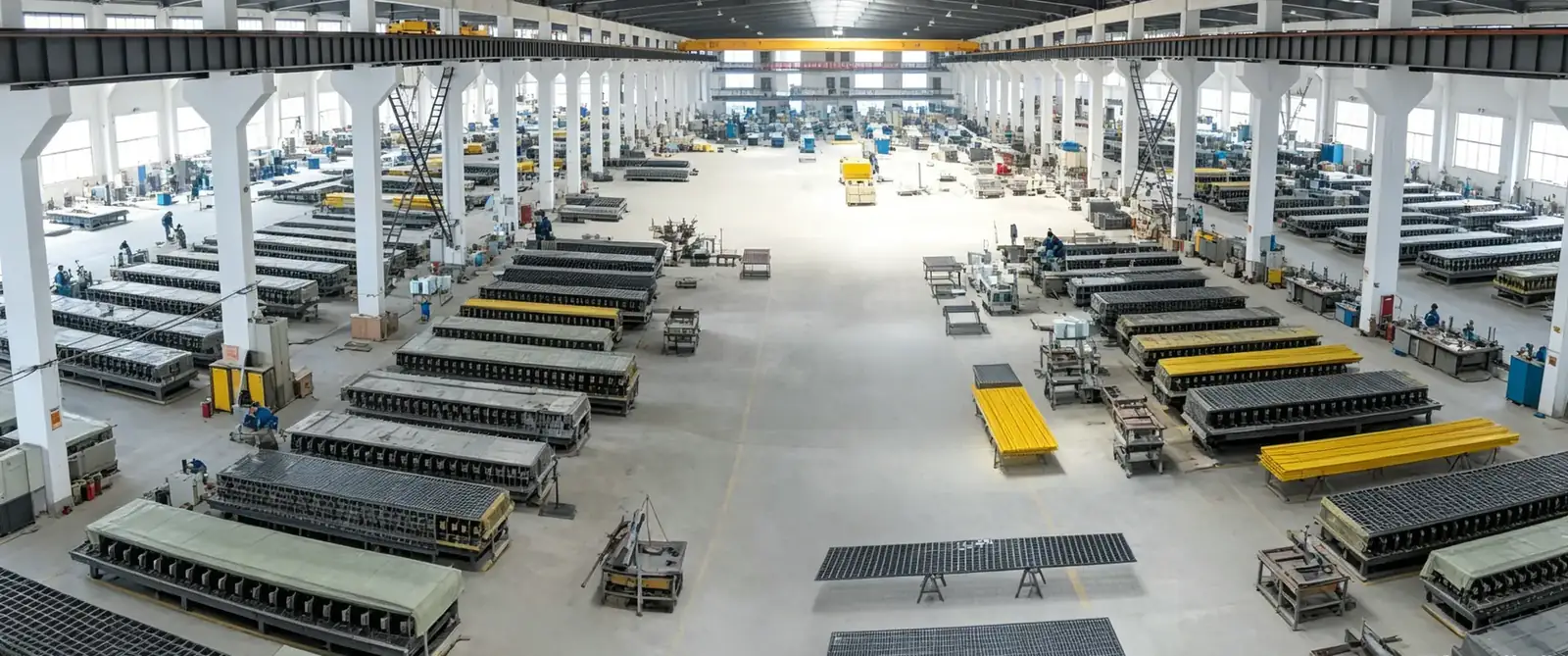
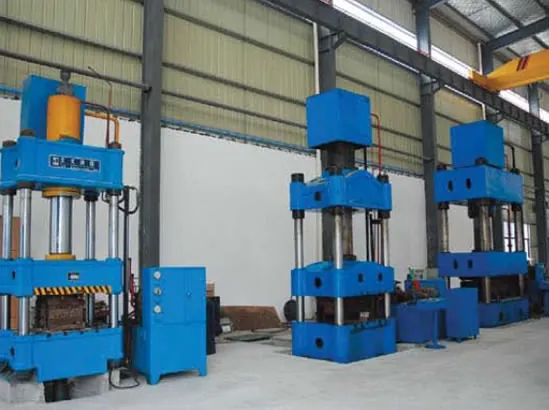
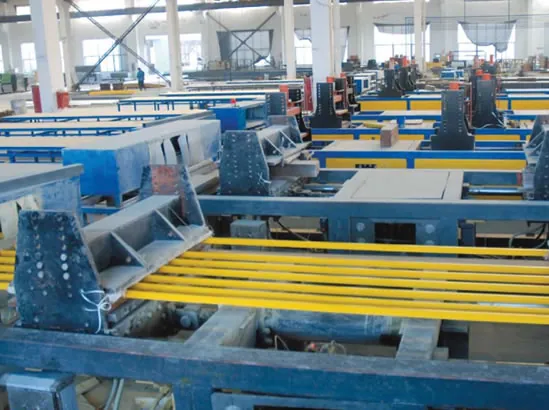
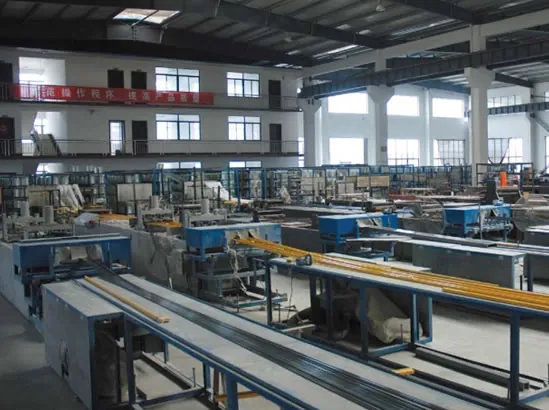
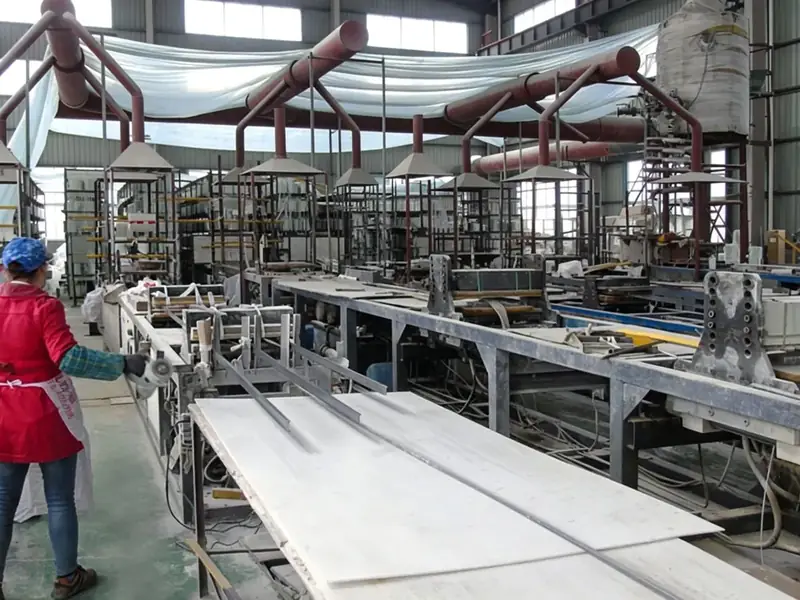
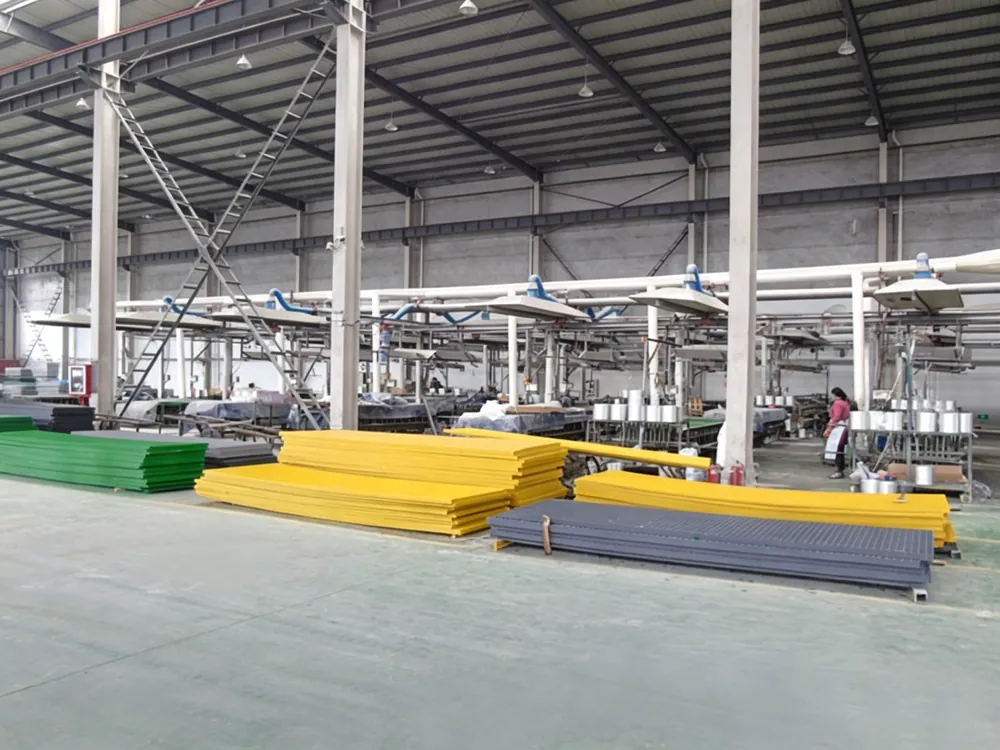
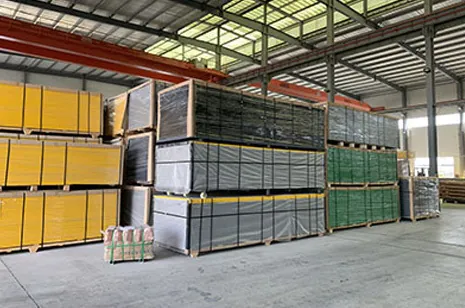
ZEALL has manufactured composite grating since 2004; from our own plant we ship molded and pultruded panels, treads, solid covers and fastening clips, and our engineering staff help with resin choice and layout rather than passing the job to a trader. The product range is listed on the FRP/GRP grating catalogue page, with panel pricing from USD 15–95/m² depending on resin, thickness and mesh.
Inland Delivery: Baltic Port Feeder onto Masovian Rail and Road
Since Warsaw has no deep-water anchorage, orders first call at Gdańsk or Gdynia on the Baltic, with some cross-feed via Hamburg, Rotterdam or Antwerp; China–Europe sailings run roughly 32–40 days port-to-port by Suez or Cape rotations. Rail and truck then carry the containers inland through Pomerania and central Masovia to the plant gate; Vistula-valley rail corridors also feed regional depots, so the sea leg is followed by a short overland move. FOB Shanghai or Ningbo; LCL consolidation is available for shutdown and retrofit packages.
A licensed Polish broker lodges the entry with the Krajowa Administracja Skarbowa (KAS) under the matching HS code; duty and the standard 23% Polish VAT are assessed by customs, with the precise duty confirmed through your broker. Invoice, packing list, bill of lading and certificate of origin accompany the shipment; after release the goods move freely within the EU single market between Baltic quays and Masovian sites.
Warsaw and Masovian Industries Served
- Logistics and Distribution Parks — mezzanine decks, loading aprons, parcel and freight aisles against damp, dust and truck traffic.
- Automotive and Component Supply — line-side platforms, parts racks, maintenance stairs and battery-room access in vehicle and component plants.
- Electronics and Electrical Goods — dry assembly aisles, equipment plinths and cable-cover runs requiring an insulating surface.
- Food, Drinks and Pharmaceuticals — wash-down decks, drainage grates and channel covers in dairies, breweries, confectionery and pharma.
- Machine Building, Metalworking, Construction Materials — fabrication floors, conveyor galleries, machine platforms and repair stairs against oils, wear and dust.
- Water, Energy and Municipal Infrastructure — pump halls, Vistula-side treatment plants, substations and cable trenches in persistent damp.
Continental Weather, Vistula Damp and Workshop Atmosphere
Warsaw’s interior position gives a humid continental regime: cold winters with frost and occasional snow, warm summers, steady precipitation and river moisture along the Vistula corridor. Plant floors add grease, coolant, swarf dust and humidity; food and pharma areas add rinsing water, detergents and organic residue; plastics and metal shops add solvents, resin fumes and vapours. Where wash-down and condensation settle under steel decks, carbon steel corrodes and scales. Composite grating does not rust or flake, keeps production halls free of rust particles, and its resin-rich skin stands up to water, oils and mild reagents; insulating composite treads and rails suit electronics, battery and electrical rooms, while gritted or concave profiles keep wet walkways and drain decks underfoot safely.
Documentation and Quality Expectations in Polish Engineering Tenders
Polish design offices and EPC bids commonly ask for documented capacity, material data and traceable manufacture. Our production follows an ISO 9001 quality system; panels are tested to ASTM E-84 surface fire behaviour and ASTM F3059 grating performance, and we keep ABS, Intertek, SGS and CE supporting records that tenders request. Load and deflection tables size each panel for its span and live load, and resin compatibility sheets let your process engineer match the grade to site chemicals. Certifications are stated as held, without reference numbers or expiry dates, and we do not cite marks we do not hold; where a tender points to European or Polish harmonized standards, your consultant can map our test data onto those clauses.
Recommended Products for Warsaw Projects
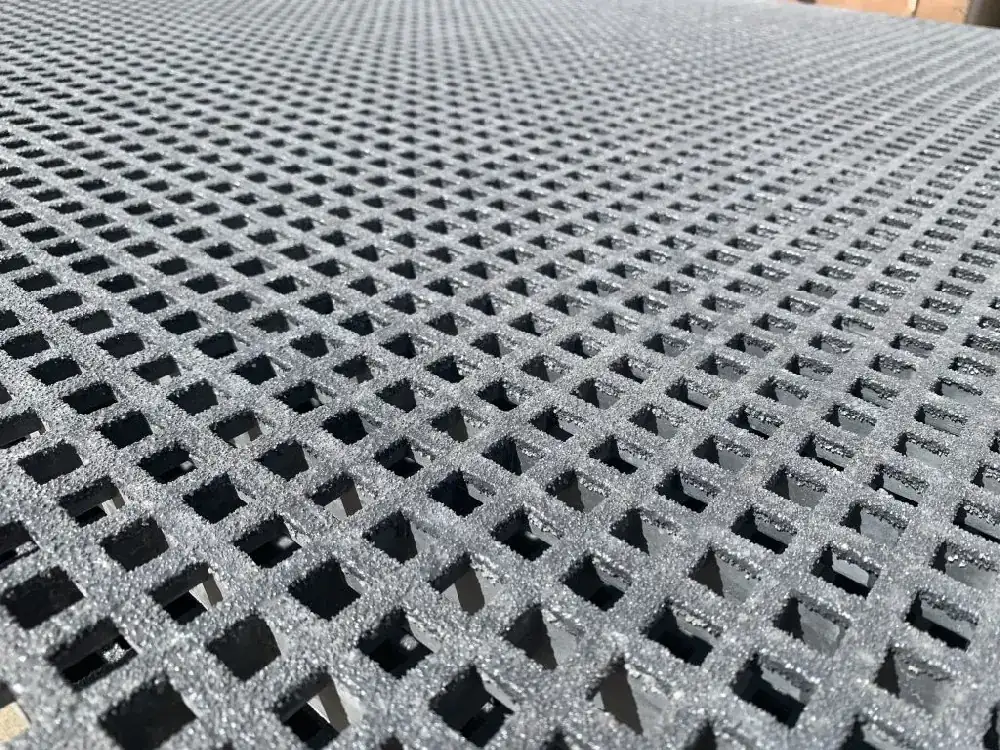
- 38 mm Molded FRP Grating — production, store and aisle walkways; gritted or smooth profile.
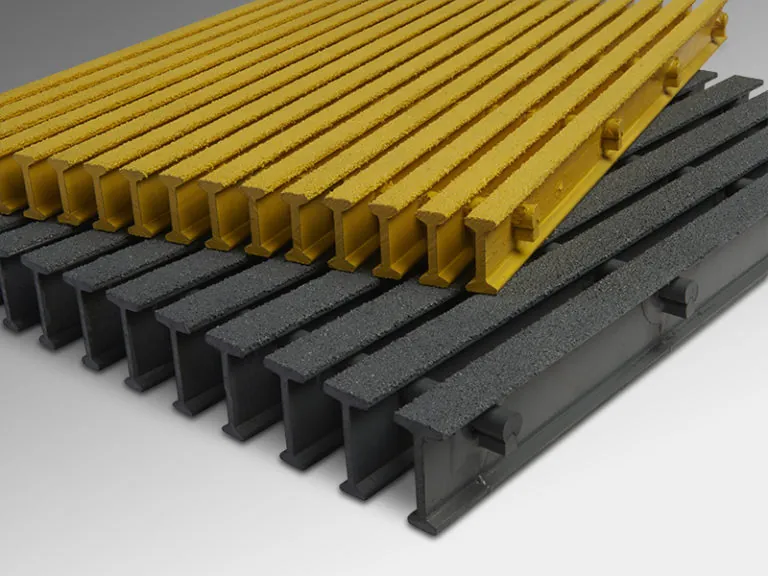
- 50 mm Pultruded FRP Grating — machine platforms, conveyor galleries and long-span plant frames.
- Isophthalic and Vinyl-Ester Resin Grades — rinsing, effluent, solvent and plastic-vapour areas.
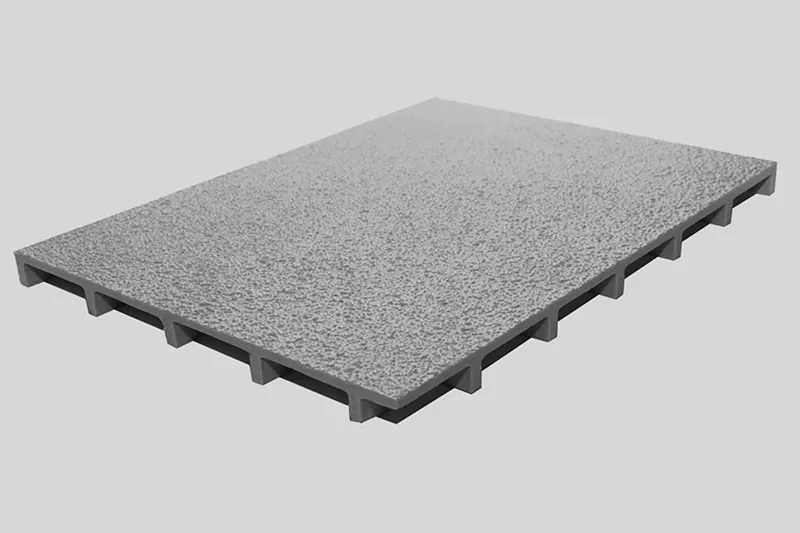
- FRP Drainage Grates and Channel Covers — open drainage grates plus sealed channel and cable-trench lids.
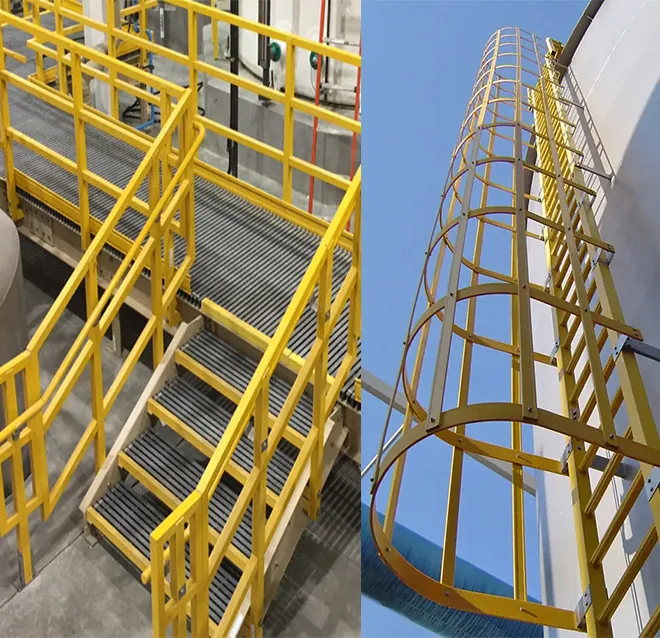
- FRP Treads and Rail Profiles — nosing treads and composite rails for mezzanines and stair towers.
Why Masovian Buyers Buy Direct from the Manufacturer
Founded in 2004, our plant now employs 200+ people, serves 45+ countries and carries 541 reviews averaging 4.9/5. Cutting out agents and resellers keeps pricing direct, while the internal engineering team handles resin selection, panel arrangement and load checks at no extra charge. Standard grating leaves production in 15–25 days; total lead to Masovia runs 12–36 working days including sea transit, release and inland haulage, from a 10 m² minimum. A single WhatsApp contact and the sales mailbox keep quotes, samples and tracking clear for 3PL operators, suppliers, machine builders, electronics firms and food plants in Warsaw, Radom and Masovia.
Whether a line-platform renewal, a food-plant cover set or a machinery walkway package, we grade resin, thickness, mesh and lid type to the hall exposure and deck load, and cut panels to your CAD before the run starts.
Frequently Asked Questions
Containers discharge at Gdańsk or Gdynia (occasionally Hamburg, Rotterdam or Antwerp on cross-feed services) after roughly 32-40 days port-to-port, then continue by rail or truck inland through Pomerania and central Poland to Warsaw and Masovia; after Polish release, no further border formalities apply within the EU single market.
- Poland FRP Grating Supplier
- Gdansk
- Gdynia
- Warsaw (this page)
- Chemical Mining