Gdynia: the Modern Planned Seaport of the Trójmiasto on the Gdańsk Bay
Gdynia was built as Poland’s deep-water gateway in the 1920s and, together with Gdańsk and Sopot, forms the Trójmiasto metropolitan strip around the Gdańsk Bay. Its harbour combines a deepwater container terminal, ro-ro and ferry berths toward Scandinavia and the Baltic states, passenger and yacht marinas, cold and reefer stores, automotive freight, fisheries and food plants. Aprons, ferry ramps, terminal decks, boarding gangways and yard frames meet bay salt spray, vehicle fluids, rinsing water and damp maritime air, along with the clean finish expected in passenger and marina zones.
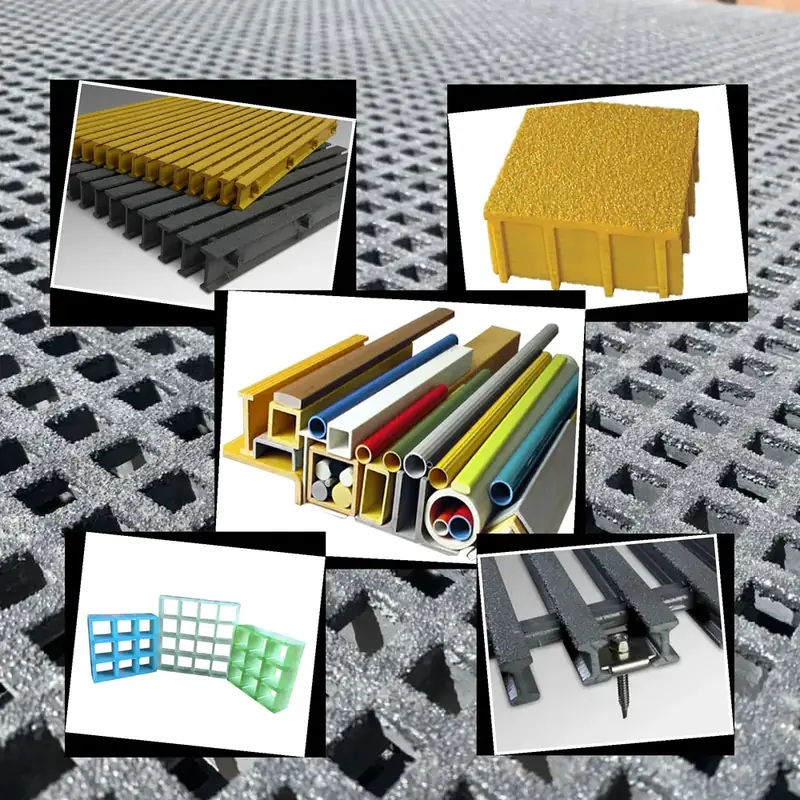
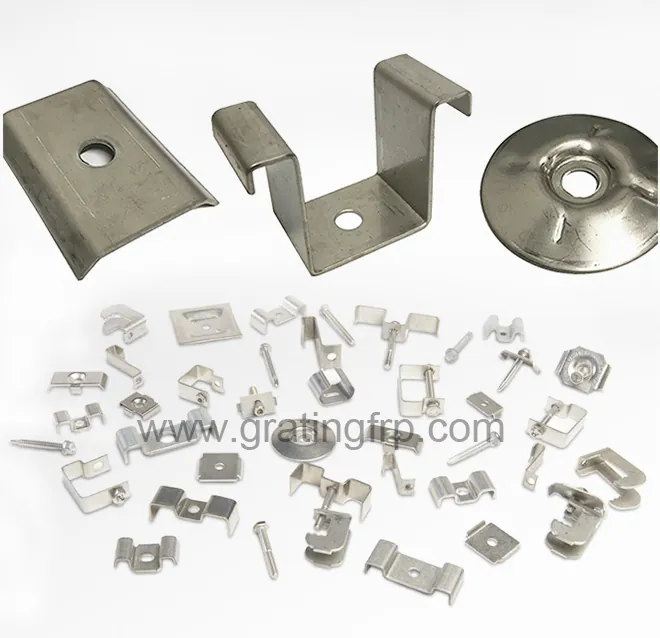
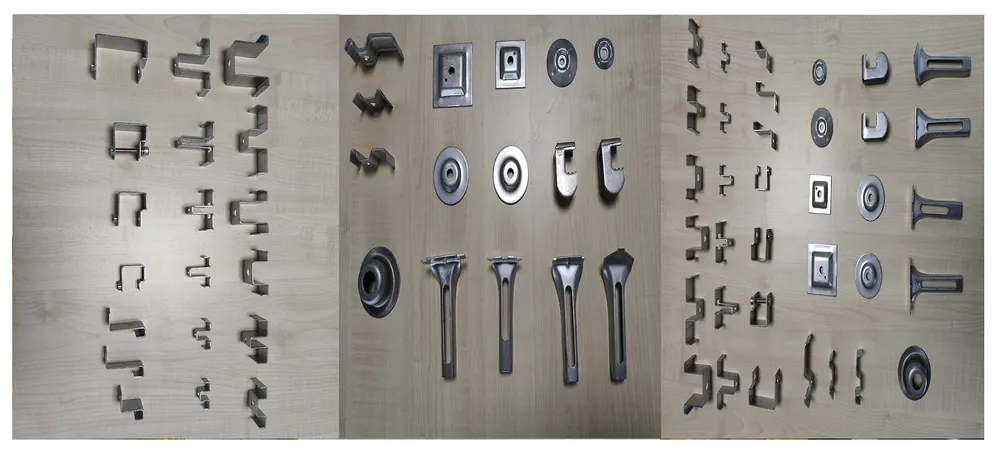
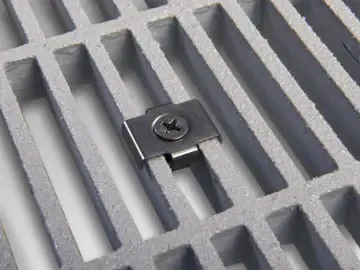
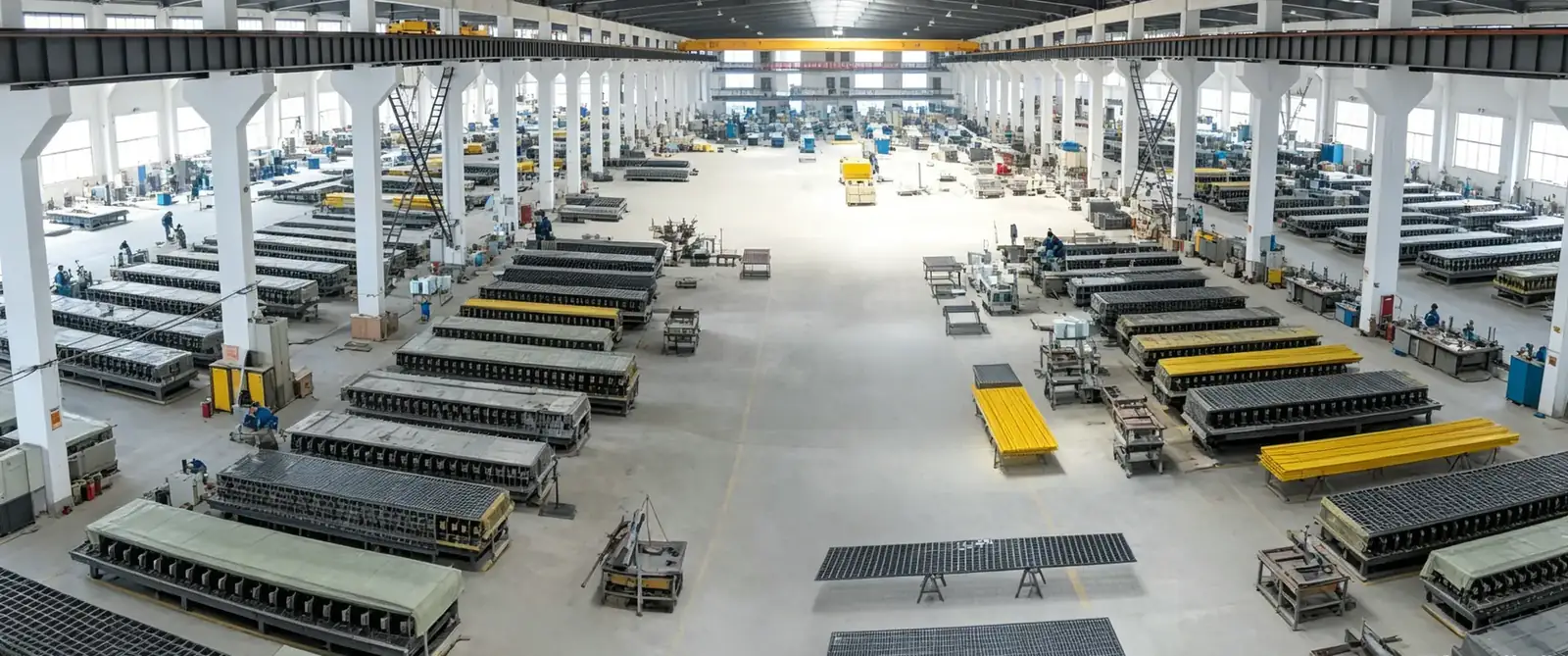
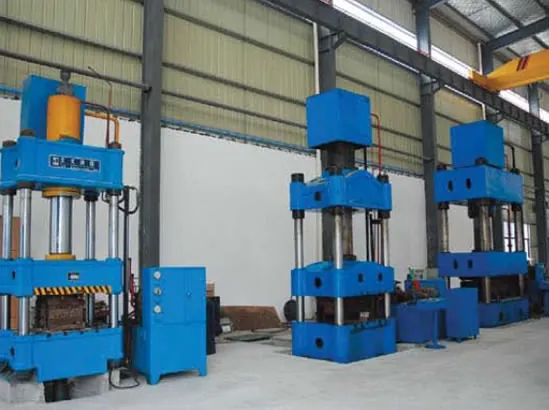
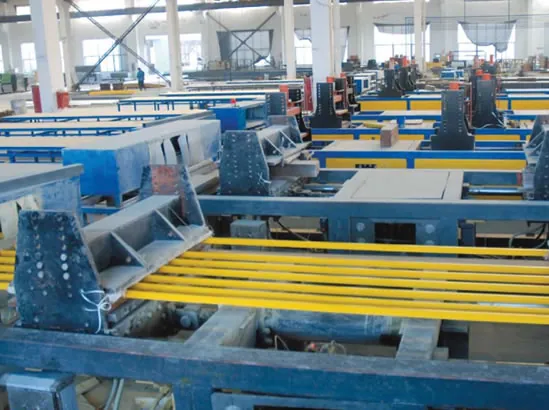
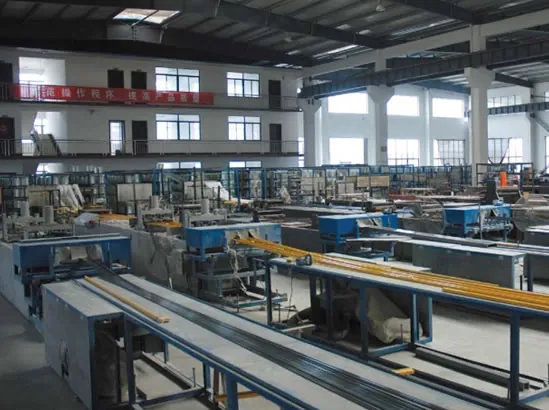
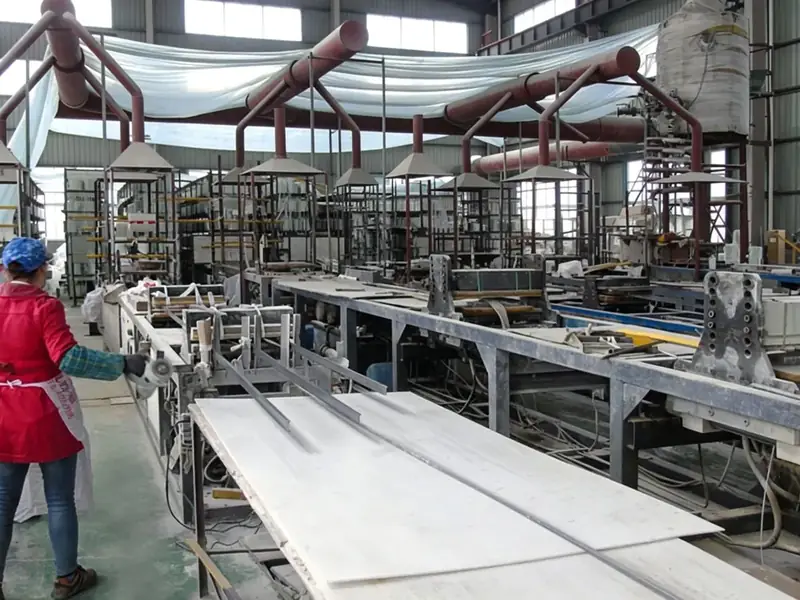
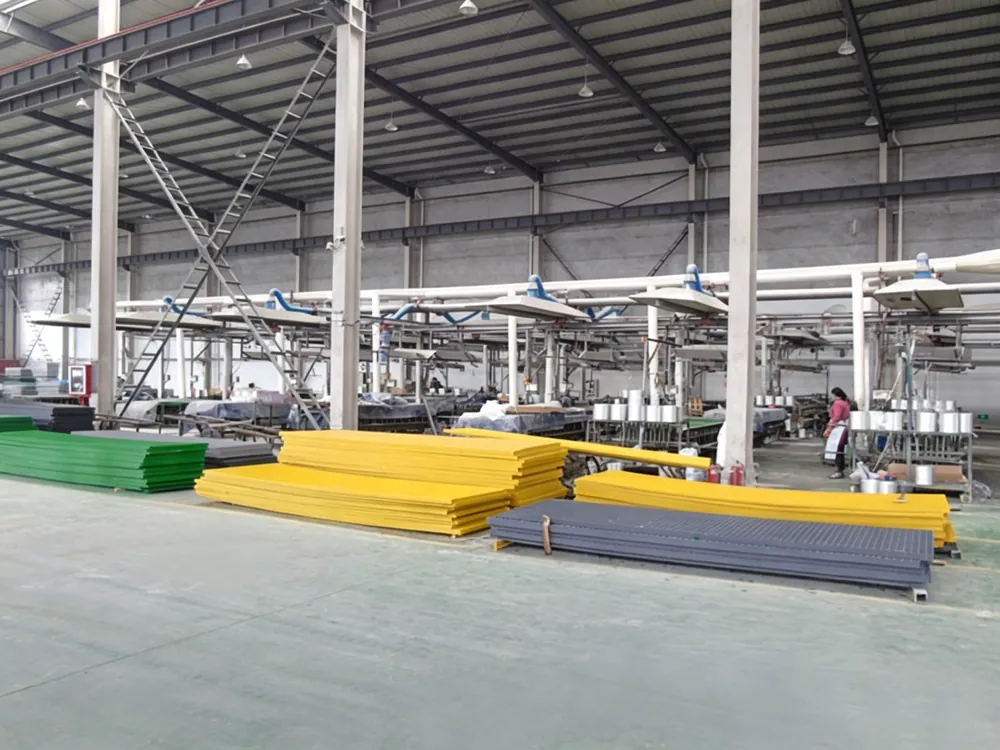
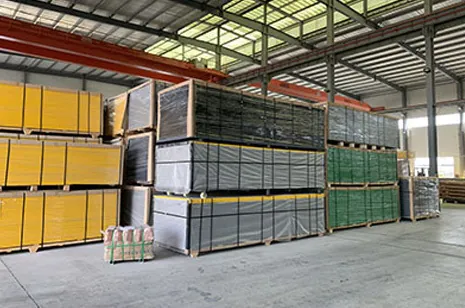
For terminal operators, ferry lines, cold-store firms and contractors across the Tri-City, composite grating gives a light, insulating, spark-free and rust-free walkway that takes on salt air and moisture without repainting steel. ZEALL, a composite grating maker since 2004, ships molded and pultruded panels, treads, solid covers and fastening clips from its own factory, with engineering support and pricing from USD 15–95 per square metre. The supplier link for the product range is the FRP/GRP grating catalogue page.
Sailing to Gdynia: Container and Ferry Access from China
Cargo reaches Gdynia via the China–North Europe loops: South China Sea, Malacca Strait, Indian Ocean, Suez Canal and Gibraltar onto the North Sea and into the Baltic; a few rotations round the Cape of Good Hope instead. Port-to-port time runs roughly 32–40 days, subject to carrier, transshipment and canal passage. The deepwater berths accept large container and ro-ro vessels directly; onward rail, truck and short-sea ferries carry freight toward Scandinavia, Finland and the Baltics. We ship FOB Shanghai or Ningbo and can consolidate LCL parcels for terminal and workshop maintenance.
Release goes through a licensed Gdynia broker with the Polish customs administration (Krajowa Administracja Skarbowa, KAS) under the matching HS code. Duty and the standard 23% Polish VAT are assessed by customs, with the precise duty confirmed by your agent. The commercial invoice, packing list, bill of lading and certificate of origin accompany the shipment; once released, freight circulates freely within the EU single market.
Gdynia Industries Served
- Container Terminal and Yard — quay decks, stacking blocks, crane access walkways and container-farm platforms working in salt spray.
- Ferry, Ro-Ro and Passenger Services — berth aprons, ro-ro ramps, boarding gangways and passenger walks against fuels, oils and rinsing.
- Cold Stores, Reefers and Fisheries — processing decks, reefer aisles and drain covers against moisture, brine and sanitizers.
- Automotive and Freight Logistics — vehicle parks, freight compounds and warehouse mezzanines in damp coastal air.
- Maritime Services, Marina and Offshore Supply — service quays, yacht marina and laydown areas for marine and offshore work.
- Utilities and Port Infrastructure — pump stations, cable trenches, drainage channels and coastal access frames in permanent damp.
Container and Ferry Terminal Walkway Requirements
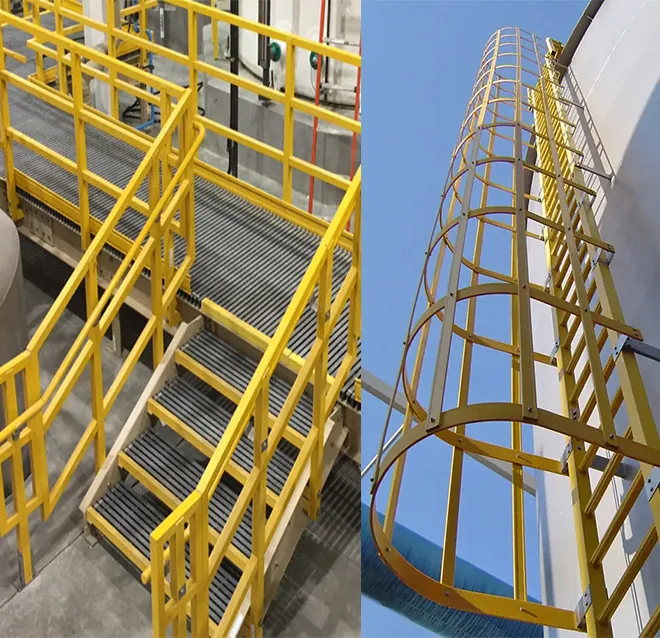
Gdynia terminals mix ro-ro ramps, passenger boarding, heavy container stacking and short-sea ferry work. Walkways and platforms must hold published loads for crew, trolleys, forklifts and occasional service vehicles; keep grip in wet, oily or sprayed conditions; protect trenches, drains and pipe runs along berths and aprons; and stay clean and rust-free where passengers walk. Panels are sized from load and deflection tables for actual span and live load; pultruded panels span quay and yard frames; solid lids seal trench and cable openings; gritted nosing treads serve ramps, gangways and towers; insulating rails support electrical safety around lighting, pumps and substations.
Resin follows the exposure: universal polyester for dry mild access, isophthalic for moderate rinsing and damp, vinyl-ester for fuel, oil and chloride berths. Compatibility notes cover fuels, oils, detergents and any chemicals stored on site.
Recommended Products for Gdynia Projects
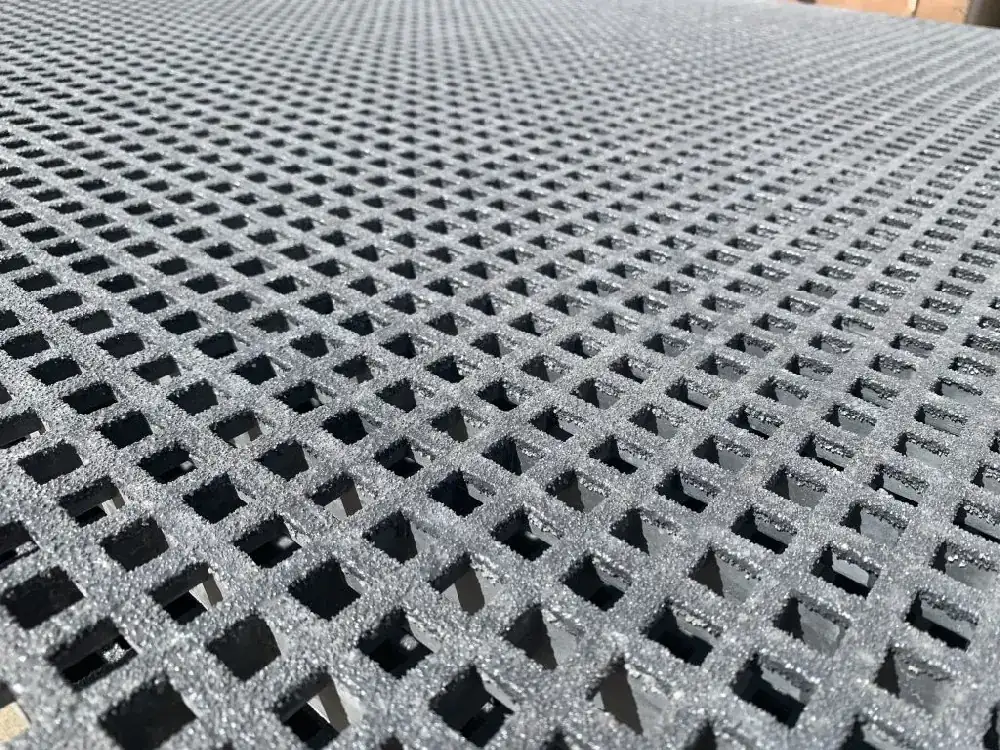
- 38 mm Molded FRP Grating — general terminal, apron and yard walks, gritted for wet salty decks.
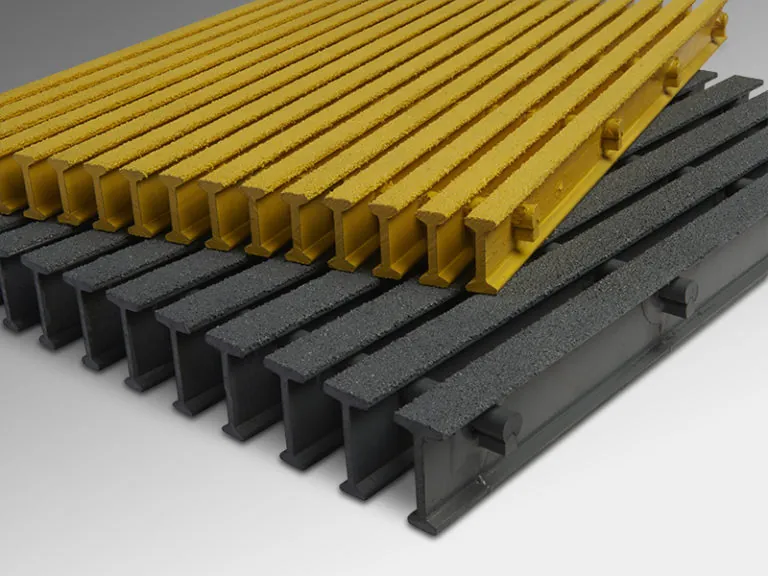
- 50 mm Pultruded FRP Grating — long-span quay platforms, ro-ro aprons and heavy yard frames.
- Vinyl-Ester and Isophthalic Resin Grades — fuel, oil, spray-salt and rinsing zones.
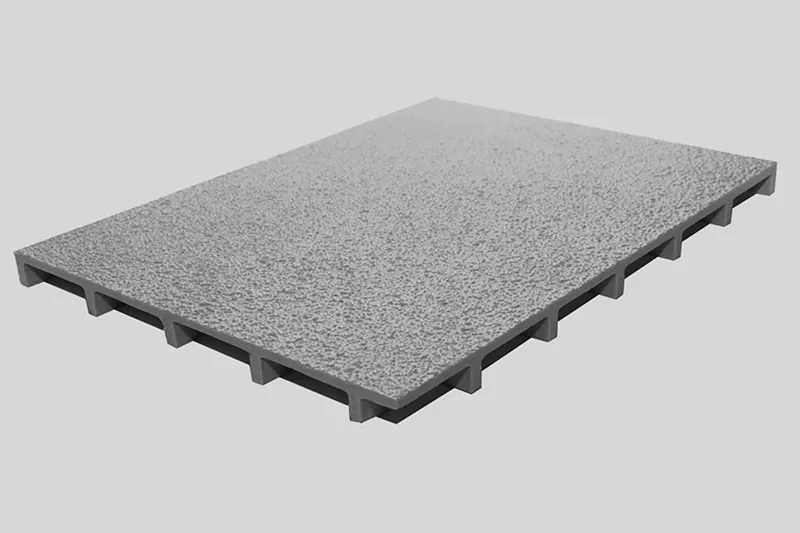
- FRP Treads and Solid Trench Lids — ramp and gangway treads plus sealed channel and cable-trench covers.
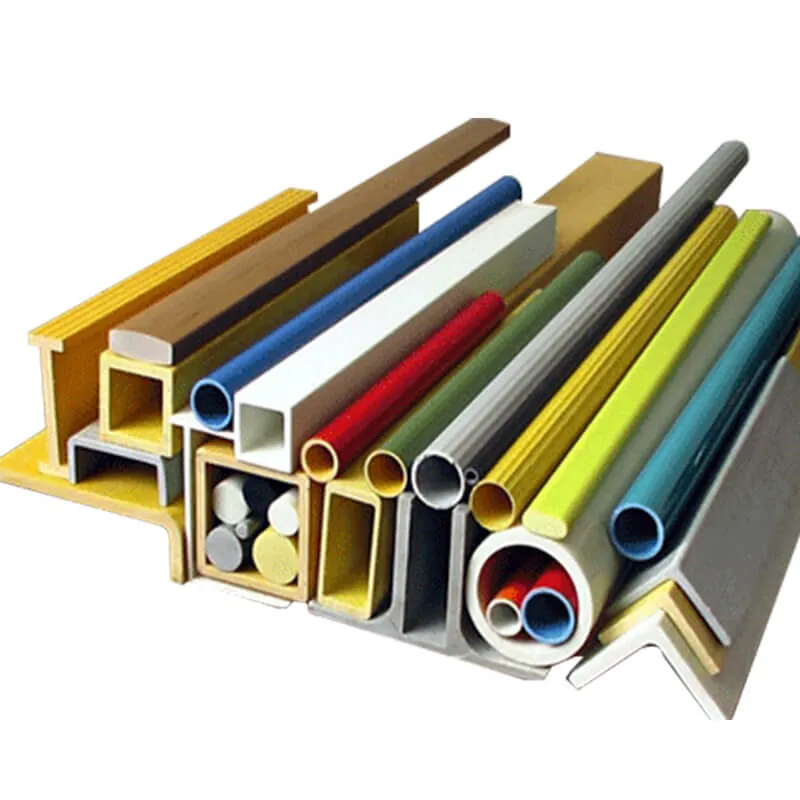
- FRP Rail and Profile Systems — composite rails, beams and channels for quays, aprons and access towers.
Tri-City Maritime Weather and Salt-Air Resistance
The Gdynia coast sits in a humid Baltic climate: cool windy winters, mild summers, frequent rain, sea fog and steady bay spray. Ferry and terminal work adds fuel, lubricants, rinse water and road grime; fisheries and cold stores add brine, moisture and sanitizer; marine servicing adds wear and coolant. Unprotected steel corrodes and scales in that salt-and-moisture setting. Composite grating does not rust or shed rust dust; its resin-rich skin resists damp and oils; gritted or concave profiles keep wet grip; isophthalic or vinyl-ester grades resist the chlorides that shorten steel life, and the composite stays non-sparking near batteries, fuel handling and electrical gear.
Why Gdynia Buyers Buy Direct from ZEALL
Our factory has served 45+ countries since 2004, with 200+ staff and 541 reviews at a 4.9/5 average. Direct mill supply cuts layered trader margins; our engineers assist free of charge with resin choice, span and load design and panel layout. Standard panels are produced in 15–25 days; total delivery is 12–36 working days including sea transit and Polish release, from a 10 m² minimum. One WhatsApp line plus the sales mailbox coordinates quotes, samples and LCL consolidation for terminal operators, ferry companies, cold-store operators and contractors across Gdynia, Gdańsk, Sopot and Pomerania.
For a ferry apron renewal, container-yard walkway package or cold-store cover set, resin grade, thickness and mesh are matched to spray, oil and load conditions, with phased supply aligned to terminal or shutdown schedules.
Frequently Asked Questions
Yes. Molded and pultruded grating goes to ro-ro berths, ferry aprons, container yards, quay decks and warehouse mezzanines, together with treads, trench covers and rails, selected for salt spray, rinsing and vehicle-fluid exposure.
- Poland FRP Grating Supplier
- Gdansk
- Gdynia (this page)
- Warsaw
- Chemical Mining