Gdańsk: Baltic Deep-Water Port on the Motława with Historic Shipyards
Gdańsk sits on the Motława River near its mouth into the Gulf of Gdańsk on the Baltic Sea, and the Port of Gdańsk is Poland’s largest deep-water port, handling containers, grain, coal, crude and liquid bulk, ro-ro and ferry traffic alongside a long shipbuilding and repair tradition. The city’s historic Hanseatic Old Town fronts the Motława quay, while the shipyard grounds, container terminals, bulk berths, cold stores and freight parks spread along the bay and the canal approaches. Dock decks, repair platforms, vessel-access stairs, warehouse mezzanines and plant walkways in these sites are continuously exposed to Baltic salt-tinged air, wash-down water, hull abrasion, workshop oils and damp maritime weather.
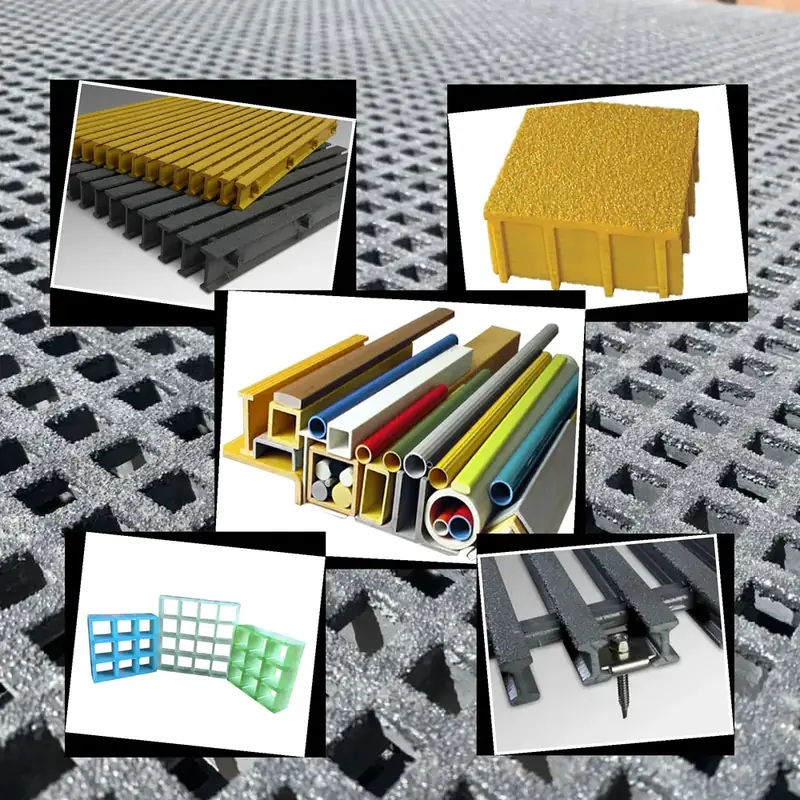
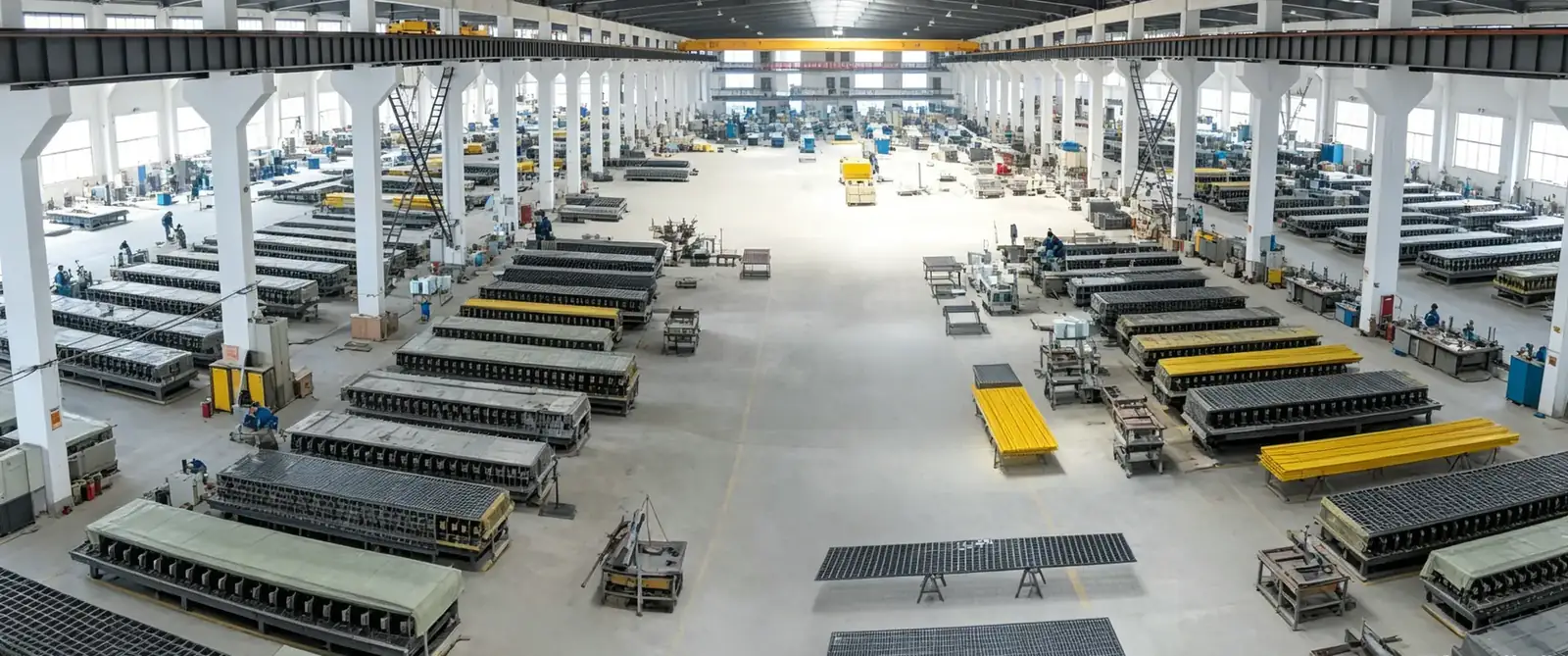
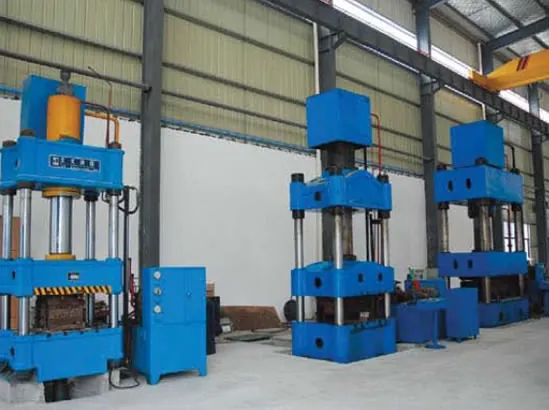
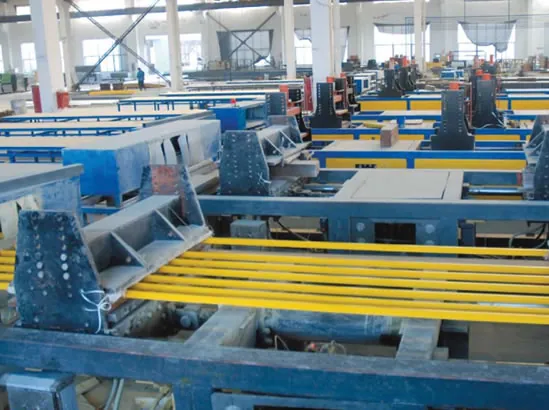
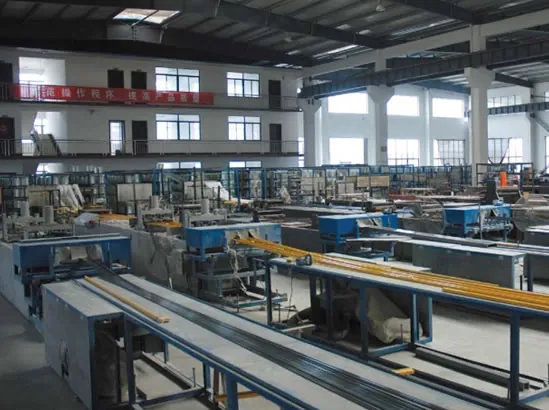
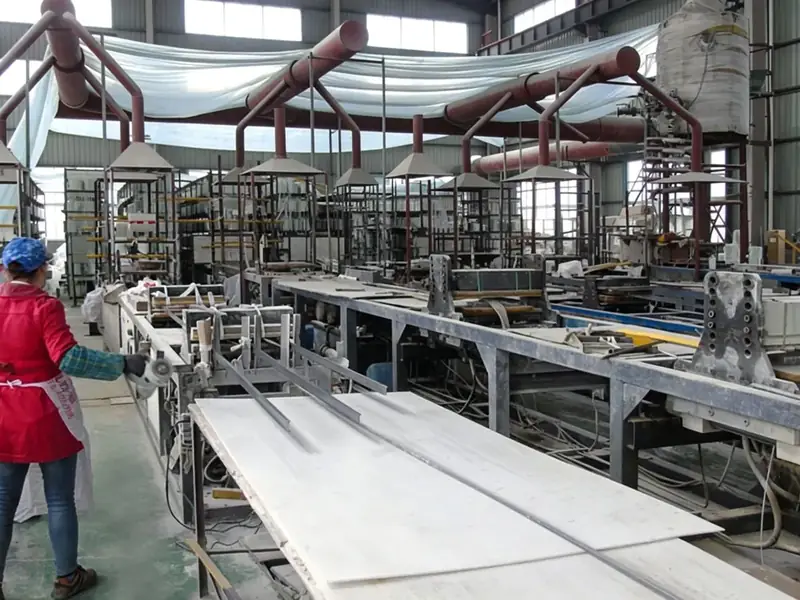
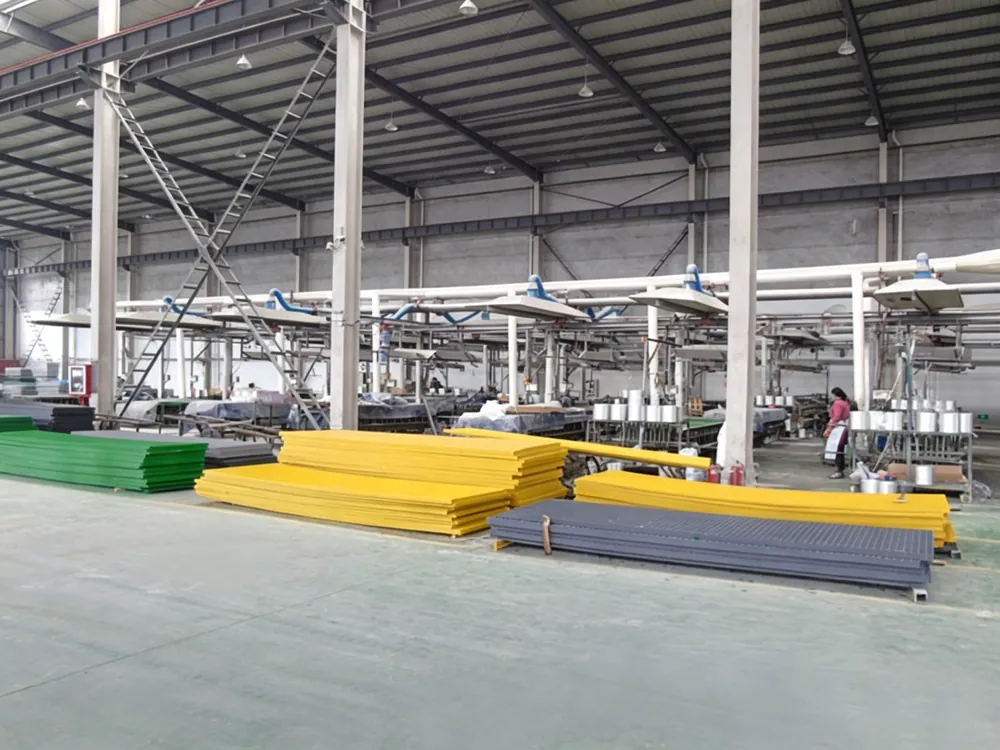
For Gdańsk shipyards, terminal operators, food processors and EPC contractors, FRP/GRP grating provides a lightweight, non-rusting, non-sparking and non-conductive walking surface that handles moisture, salt air and mild chemical exposure without the rust and painting burden of carbon steel. As a direct fiberglass grating manufacturer founded in 2004, NANTONG ZEALL supplies molded and pultruded panels, stair treads, solid covers and clips, with in-house engineering support and factory-direct pricing from USD 15–95 per square metre.
Routing to Gdańsk: China–North Europe Loops into the Gulf of Gdańsk
Material from China reaches Gdańsk on the standard China–North Europe loops. Vessels sail from Shanghai or Ningbo through the South China Sea, the Malacca Strait and the Indian Ocean, via the Suez Canal and the Red Sea, out through the Strait of Gibraltar and north along the Atlantic and North Sea coasts into the Baltic and the Gulf of Gdańsk; some rotations instead use the Cape of Good Hope route. Port-to-port transit is typically approximately 32–40 days depending on carrier, transshipment and canal transit. From the port, containers continue by rail freight, truck and short-sea feeder along the Baltic coast to Gdańsk, Gdynia, Sopot and inland Polish destinations. We ship FOB Shanghai or Ningbo and can consolidate LCL cargo for terminal maintenance, shipyard workshop and spare-parts packages.
Import clearance is handled by the Polish customs administration (Krajowa Administracja Skarbowa, KAS) through a licensed Polish customs broker under the appropriate HS classification. Customs assesses import duty and Polish value-added tax; as an EU member state, Poland applies the standard VAT rate of 23%, with the exact duty figure depending on product code and origin and confirmed by your broker. Once cleared, goods circulate freely within the EU single market. We supply the commercial invoice, packing list, bill of lading and certificate of origin your broker needs for the entry.
Gdańsk Industries Using FRP Grating
- Shipbuilding & Ship Repair — repair quays, slipway decks, outfitting platforms and vessel-access stairs facing salt air, welding sparks, hull abrasion and cutting fluids.
- Port, Container & Bulk Logistics — quay decks, container yards, bulk-berth aprons and warehouse mezzanines in damp, salt-tinged Baltic air and wash-down.
- Food, Cold Storage & Brewing — processing decks, cold-store aisles and drainage covers facing moisture, brine, grain dust and sanitizers.
- Ship Outfitting, Metals & Fabrication — fabrication bays, repair platforms and workshop stairs facing oils, grinding dust and abrasion.
- Offshore & Wind Supply — quayside laydown platforms and assembly areas for marine and wind-industry logistics on the bay.
- Utilities, Pump Stations & Infrastructure — water treatment, pumping facilities, cable trenches and Motława-side promenade structures facing constant damp.
Shipyard and Dock Walkway Requirements
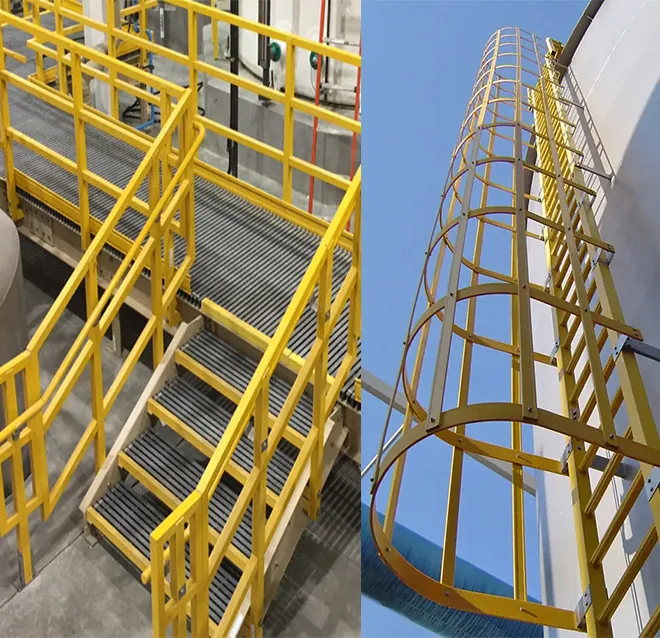
Gdańsk shipyards and terminals combine repair quays, slipways, outfitting berths, container stacking and bulk handling. Walkways and platforms must hold published load for personnel, trolleys, forklifts and occasional service vehicles; stay slip-resistant in wet, oily or salt-spray conditions; protect cable trenches, drainage channels and pipe runs along quays and aprons; and resist the continuous Baltic maritime atmosphere. Panels are sized from load and deflection tables for the actual support spacing and live load; pultruded panels suit long-span quay and yard structures; solid covers seal trench and cable openings; anti-slip treads with integrated nosing serve slipways, stair towers and vessel access; non-conductive handrails support electrical safety in lighting, pump and substation areas.
Resin selection follows the site exposure: general-purpose polyester for dry mild zones, isophthalic polyester for moderate wash-down and damp, vinyl-ester for heavy chemical, fuel-oil and chloride areas. We supply resin compatibility guidance for fuels, oils, detergents and any stored chemicals on site.
Recommended Products for Gdańsk Projects
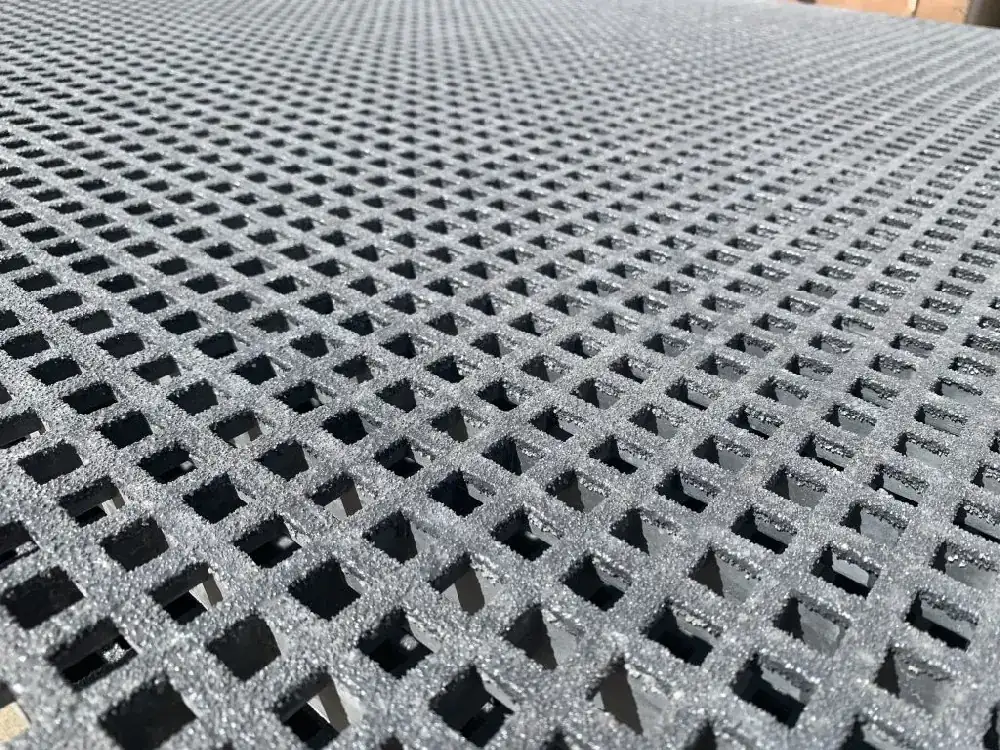
- 38 mm Molded FRP Grating — general terminal, warehouse and shipyard walkways, gritted or concave surface.
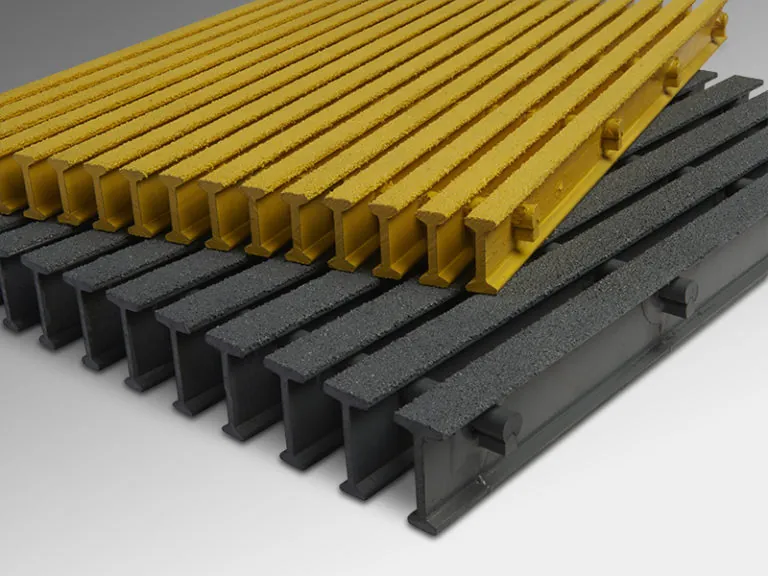
- 50 mm Pultruded FRP Grating — long-span quay platforms, mezzanines and heavy-lift yard structures.
- Isophthalic / Vinyl-Ester Resin Grating — chemical, effluent, wash-down and chloride-exposed zones.
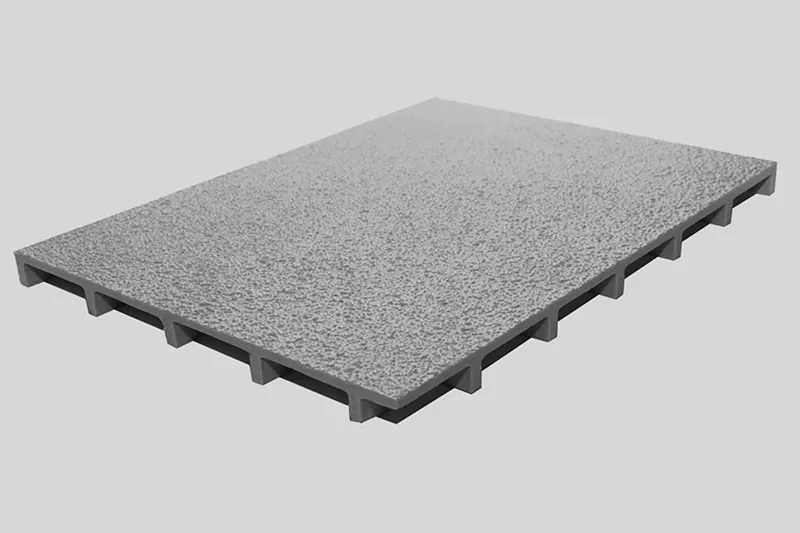
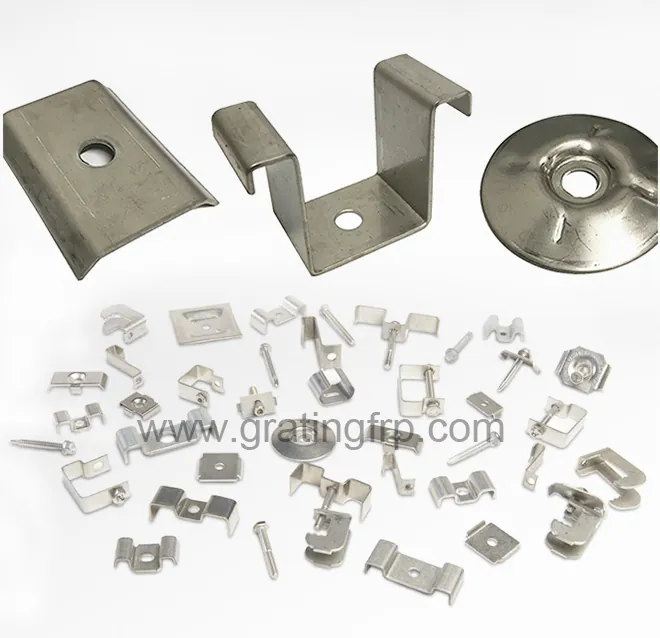
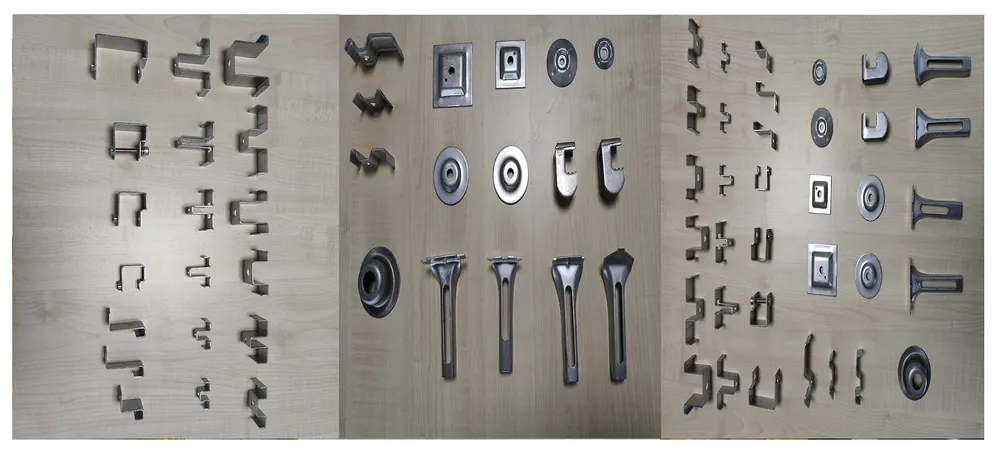
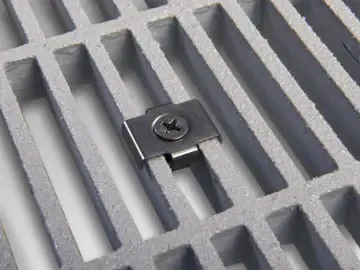
- FRP Stair Treads & Trench Covers — anti-slip nosing treads and sealed channel and cable-trench covers with M/C/L clips.
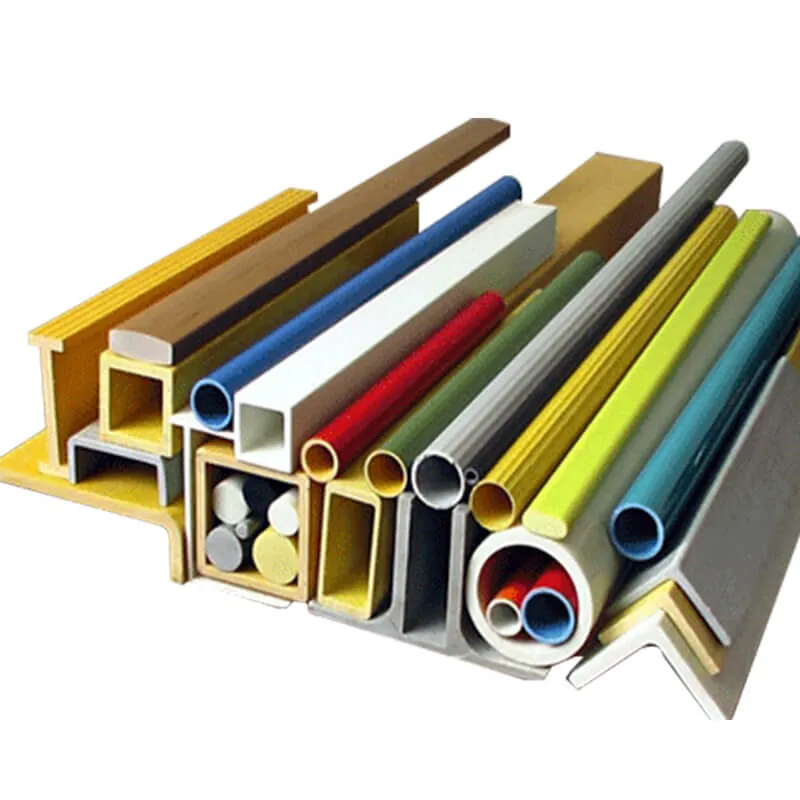
- FRP Handrail & Profile Systems — composite guardrails, beams and channels for terminals, slipways and access towers.
Baltic Sea Climate, Salt Spray and Wash-Down
Gdańsk has a temperate maritime climate influenced by the Baltic Sea and the Gulf of Gdańsk: cool but humid, with year-round rain, damp winds, sea mist and winter frost or snow. Port and shipyard operations add salt-tinged spray, wash-down water, oils and detergents; food and cold-store sites add moisture, brine and sanitizers; fabrication areas add grinding dust and cutting fluids. Carbon steel gratings rust and scale in this damp atmosphere. A resin-rich surface veil and UV-stabilized formulation limit chalking and fibre prominence; gritted or concave surfaces retain grip when wet; and isophthalic or vinyl-ester systems resist the chloride-bearing damp that shortens steel life. Because FRP does not rust, it avoids the recurring blast-and-paint shutdowns that interrupt live shipyard and terminal operations.
Why Gdańsk Buyers Source Direct from ZEALL
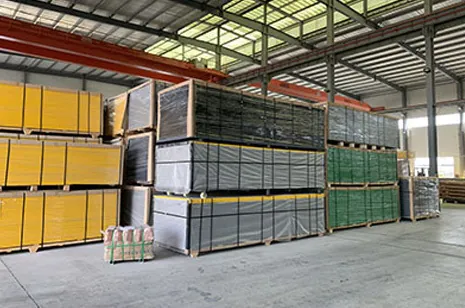
Since 2004, NANTONG ZEALL has grown to 200+ employees, shipped to 45+ countries and earned 541 customer reviews at an average 4.9/5. Factory-direct supply removes intermediary margins while our in-house engineering team supports resin selection, panel layout and load calculations free of charge. Standard gratings are produced in 15–25 days, with overall delivery of 12–36 working days including sea freight and Polish clearance; the minimum order is 10 m². One WhatsApp sales line and the sales email keep quotes, samples and order tracking straightforward for shipyards, terminal operators, food processors and engineering firms across Gdańsk, Gdynia, Sopot and the Pomeranian coast.
Whether a quay walkway renewal, a shipyard repair-platform package, or a cold-store drainage cover set, we match resin grade, thickness and mesh to the moisture, salt, chemical and loading conditions, and align the cut list to your dimensions before production starts. Contact us early in the engineering process so the panel specification fits the installation conditions in and around Gdańsk.
Frequently Asked Questions
Yes. China–North Europe loops reach the Gulf of Gdańsk typically approximately 32-40 days port-to-port; onward rail, truck or short-sea feeder covers the Tri-City and inland Polish destinations. We supply the invoice, packing list, bill of lading and certificate of origin your Polish broker needs for KAS clearance.
- Poland FRP Grating Supplier
- Gdansk (this page)
- Gdynia
- Warsaw
- Chemical Mining