FRP Grating in Wellington: Capital City on a Windswept Harbour
Wellington sits at the southern tip of the North Island, wrapped around a deep harbour where the Tasman Sea meets Cook Strait — a city famous for its relentless wind, steep hills and a working port tucked beside the government and media precinct. As the capital it hosts council and government buildings, the Wellington CentrePort logistics area, heavy engineering workshops, and the farms, vineyards and food processors of the Hutt Valley, Porirua and the Wairarapa. For all of these, FRP/GRP grating is a lightweight, non-corroding decking that shrugs off salt-laden winds, steep-site handling problems and the wet Wellington winter.
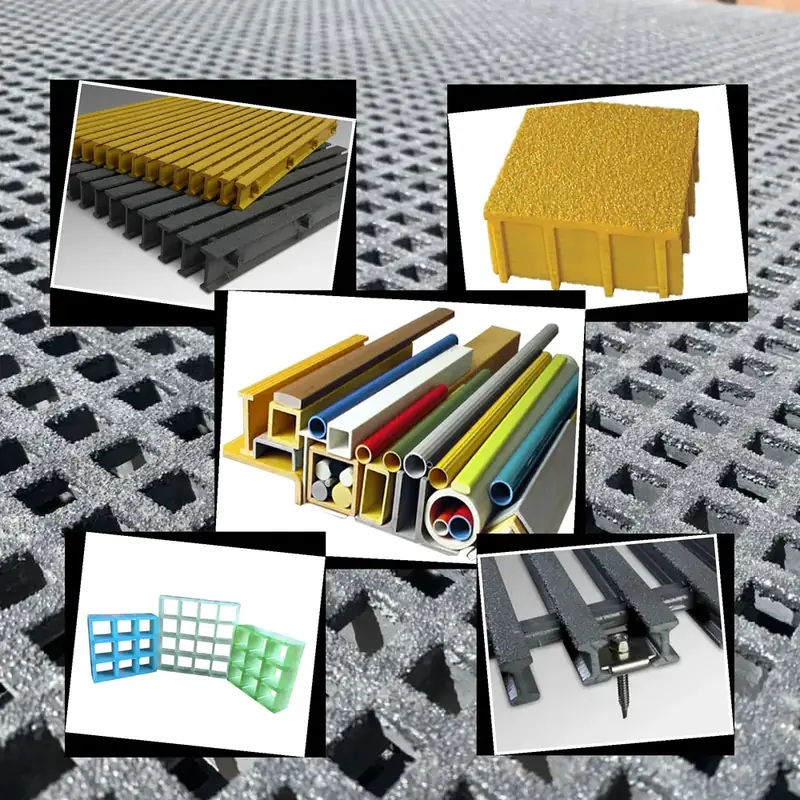
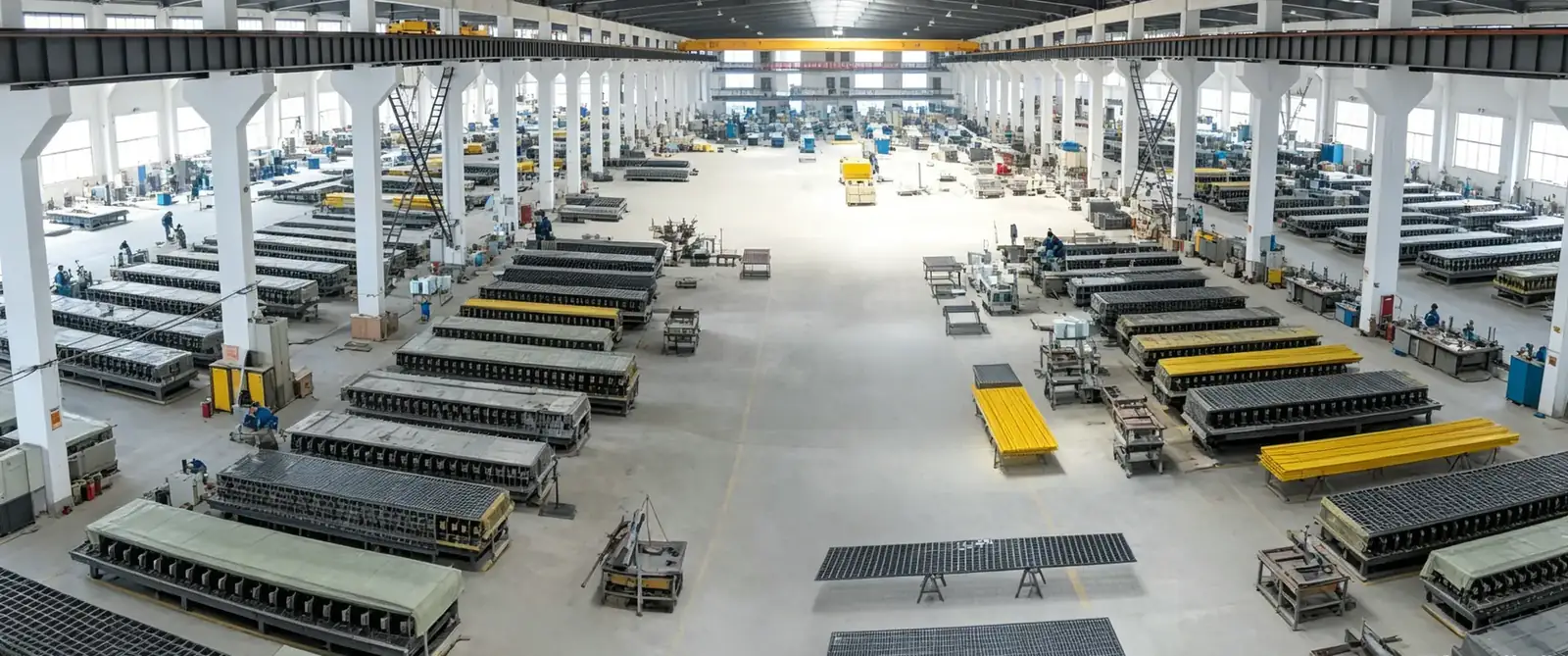
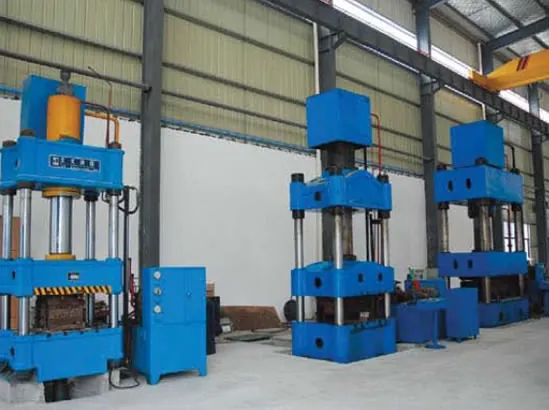
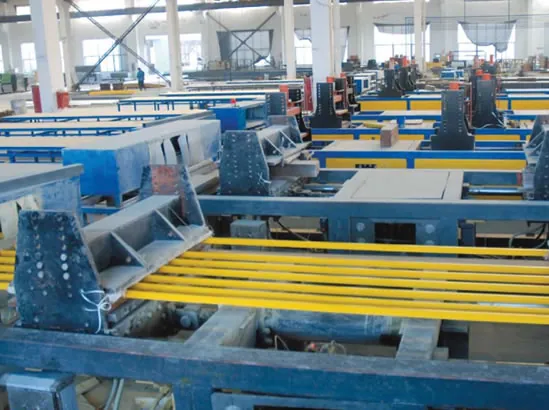
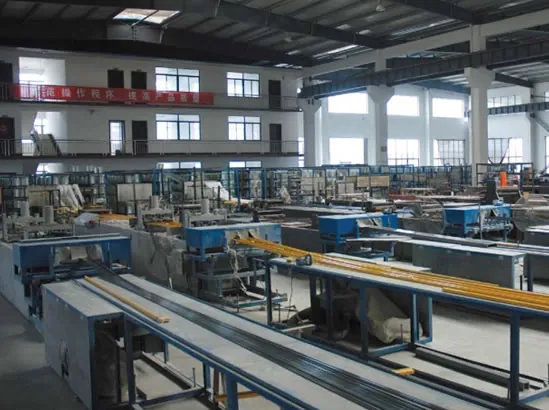
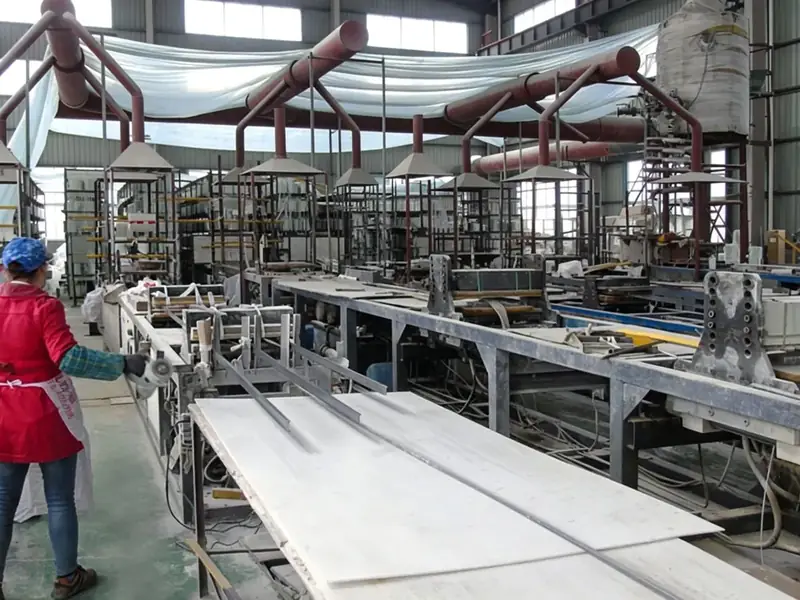
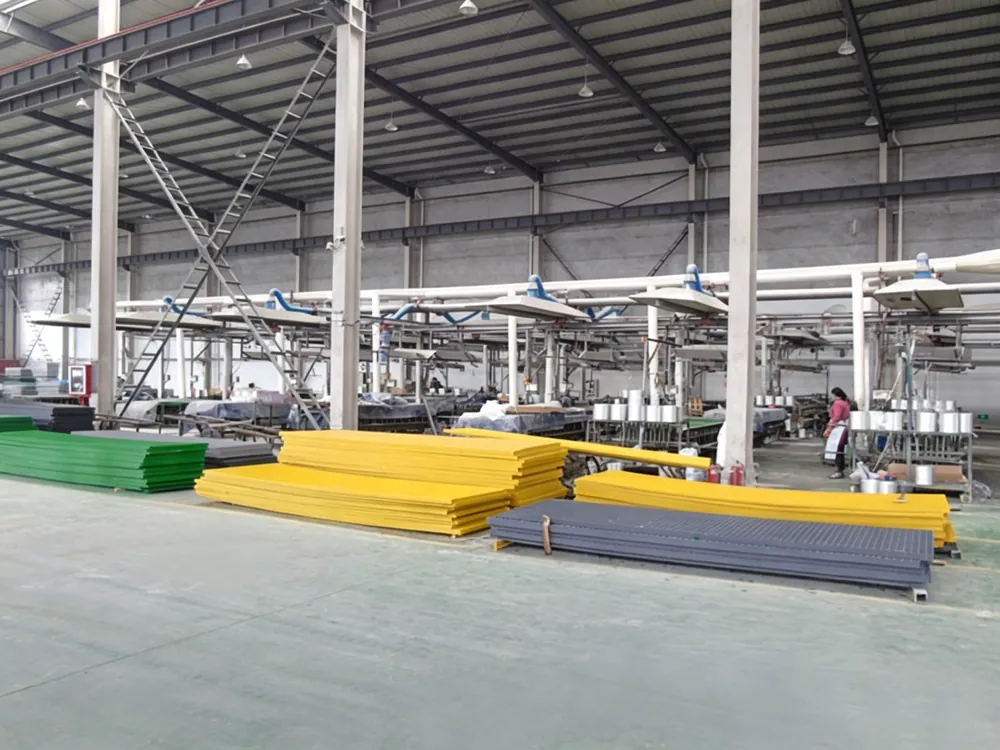
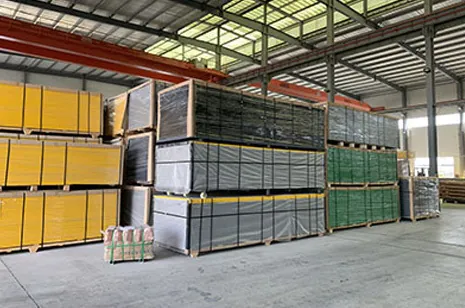
NANTONG ZEALL, a direct fiberglass grating manufacturer founded in 2004 with 200+ employees, supplies Wellington engineers and contractors with molded and pultruded GRP panels, treads and clips at factory-direct USD 15–95 per square meter, MOQ 10 m².
Freight into Wellington: Cook Strait and the Interislander Link
Container cargo reaches Wellington either by direct Pacific call to Wellington Harbour or by transshipment north and down through the country’s rail-and-road network. The city’s special logistics role is the Cook Strait ferry link to Picton and the South Island: once on shore, grating can be railed north or driven south onto the interisland ferries to reach Christchurch and the deep South. Sea transit from Shanghai or Ningbo to Wellington is typically approximately 18–27 days port-to-port depending on transshipment.
Clearance runs through New Zealand Customs Service against the Customs Tariff, with MPI biosecurity checks on packaging. New Zealand GST of 15% may apply to landed value; your broker confirms duty and threshold. We provide the invoice, packing list and bill of lading.
Wellington Region Applications for GRP Grating
- Port & Ferry Infrastructure — CentrePort wharves, ferry ramps and ship-access walkways facing Cook Strait spray and constant vibration.
- Government & Civic Buildings — rooftop plant platforms, external stairs and drainage grating on CBD and parliamentary-precinct buildings.
- Wairarapa & Hutt Valley Food & Wine — winery platforms, meat-processing and dairy-side wash-down decks resistant to acid and effluent.
- Water & Wastewater — Wellington’s harbourside treatment works and pump stations exposed to salt and hydrogen sulphide.
- Film, Engineering & Workshop Fabrication — set and stage access, skid frames and tank platforms needing non-sparking, non-corroding surfaces.
Engineering Standards and Seismic Considerations
Wellington is one of the most earthquake-active capitals on earth, which makes the low weight of GRP especially valuable: lighter walkways mean less seismic mass on elevated structures and retrofits. Panels are produced under ISO 9001 and tested to ASTM E-84 and ASTM F3059, with load and deflection tables for engineer design against local wind and access loads. We state our held certifications — ISO 9001, ASTM E-84, ASTM F3059, ABS, Intertek, SGS, CE — without reference numbers or expiry dates, and never claim marks we do not hold.
Recommended GRP Products for Wellington Sites
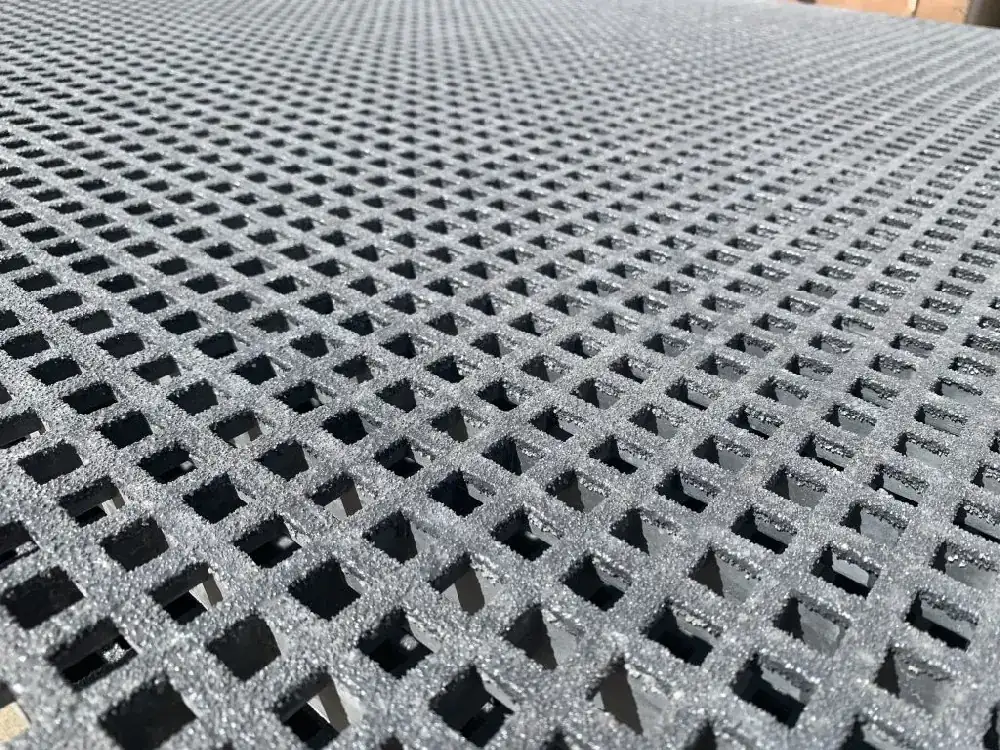
- 38 mm Molded Gritted Grating — safe, drainable footing on windswept wharves and external stairs.
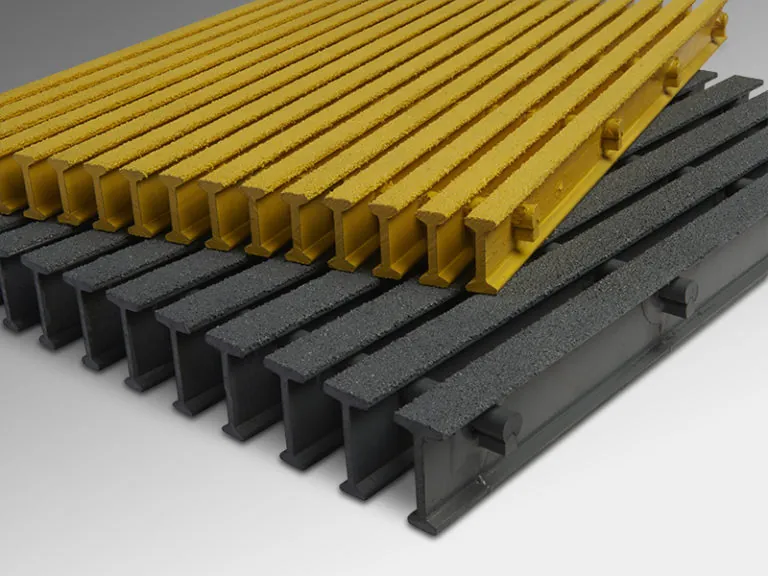
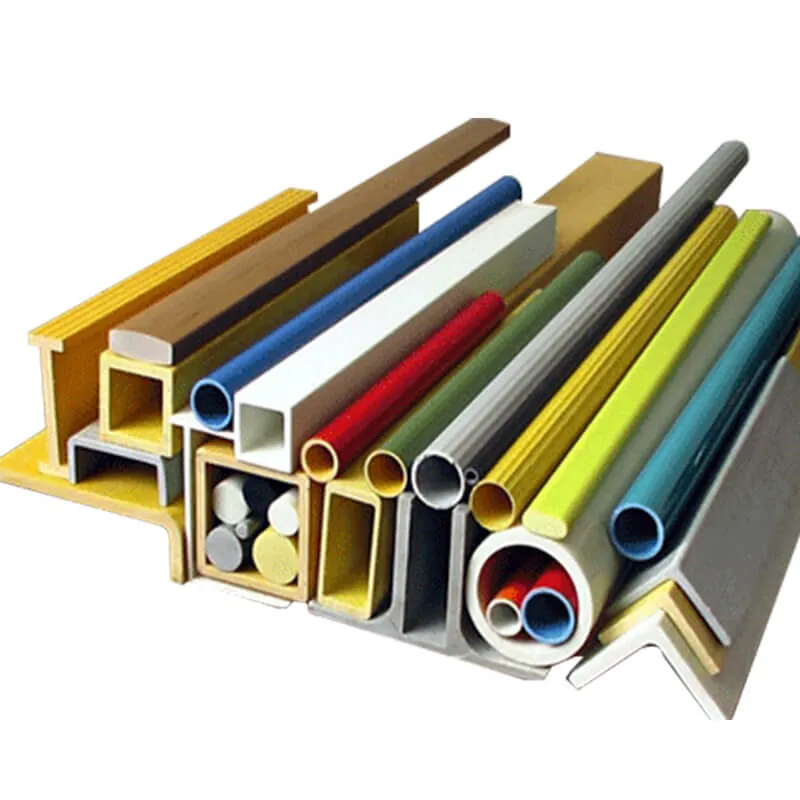
- 50 mm Pultruded Grating — long-span platforms for plant roofs and trench covers where support spacing is wide.
- Vinyl-Ester Grating — salt and acid resistance for ferry terminals, winery effluent and processing wash-down.
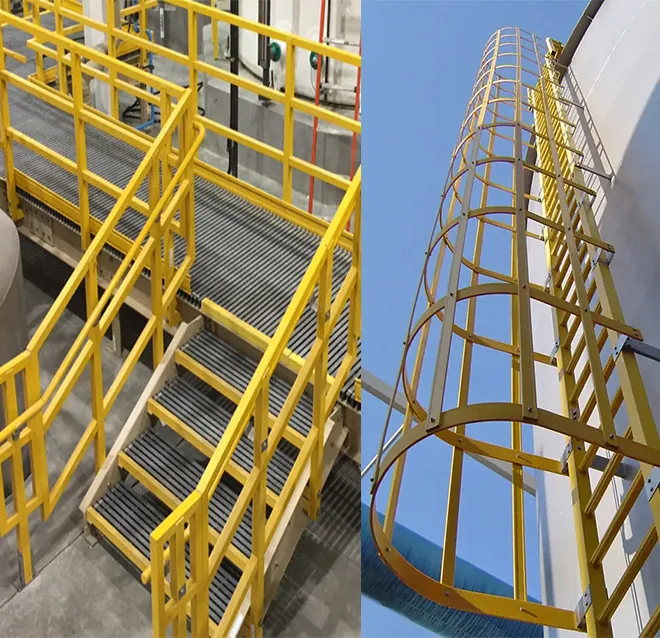
- FRP Stair Treads & Nosing — steep Wellington-site access where slip risk is high in rain and wind-driven spray.
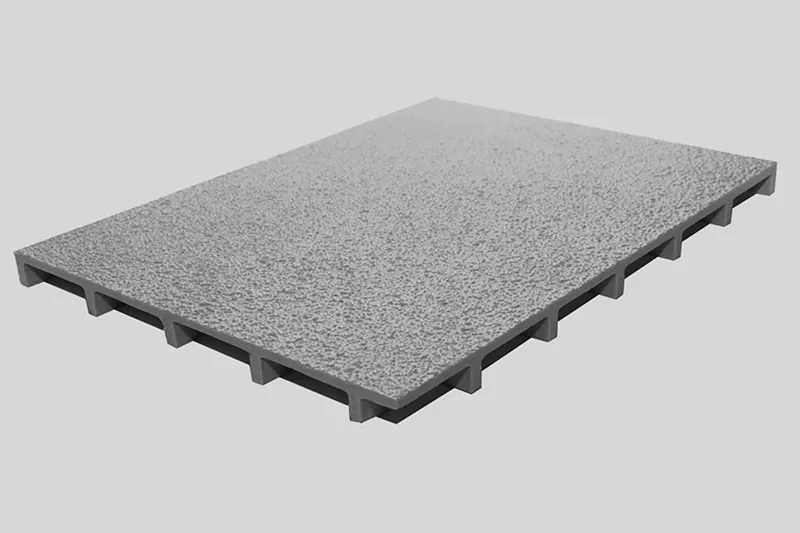
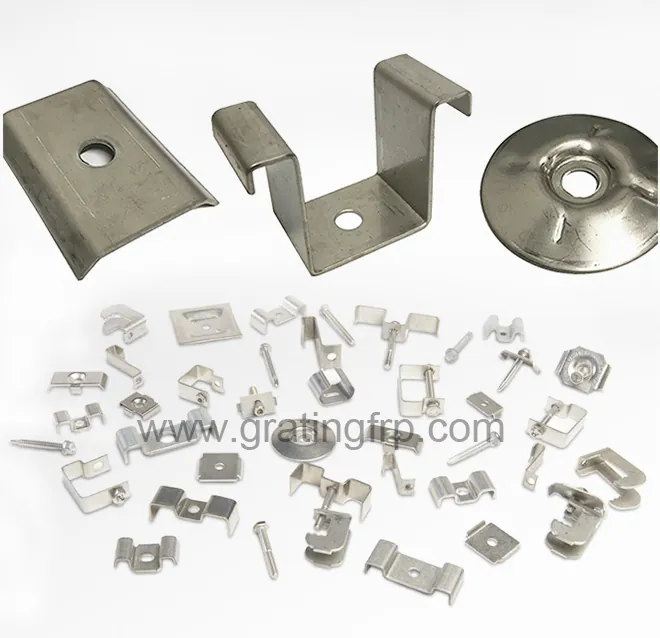
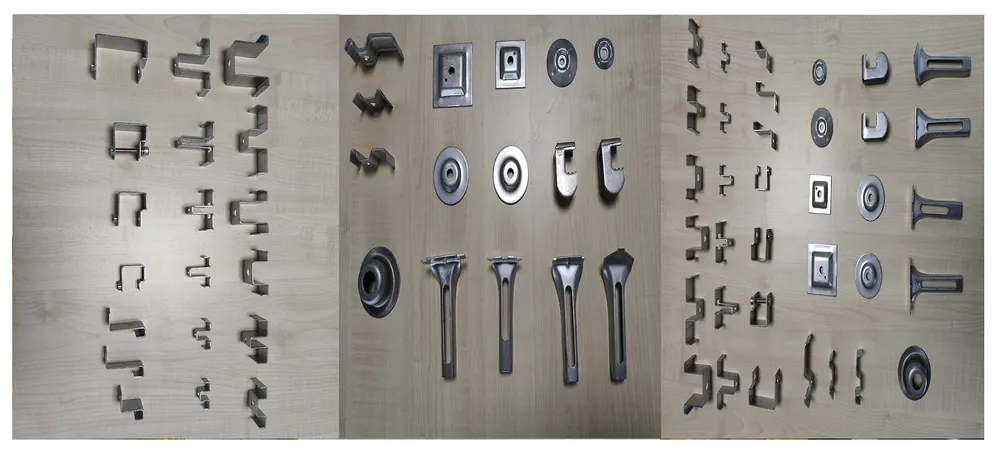
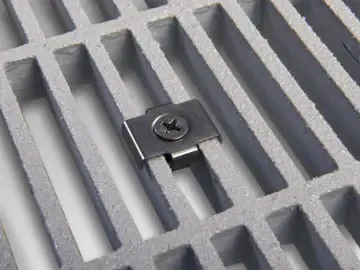
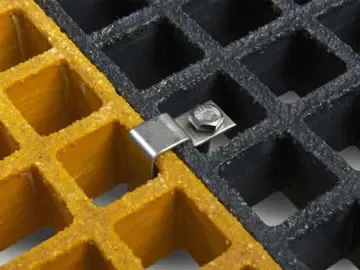
- FRP Covers & Clips — tamper-resistant trench and cable covers for civic and port areas.
The Wellington Wind, Rain and Salt Environment
Wellington’s howling northerlies and southerlies carry salt straight off Cook Strait, driving moisture into every exterior joint, while winter rain is persistent and bright summer sun is strong on the skin. Painted steel on a wharf or rooftop corrodes quickly in that exposure. GRP’s UV-stabilized, resin-veiled surface resists chalking, the gritted mesh drains wind-driven rain instantly, and because the material contains no steel it cannot rust from salt spray or effluent. Its light weight is also a real safety benefit on Wellington’s steep, crane-and-winched sites, where heavy steel panels are awkward and hazardous to manhandle.
Why Wellington Buyers Source Direct from ZEALL
Buying factory-direct removes the local importer margin typical of the New Zealand trade, typically cutting cost while keeping engineering dialogue direct. Standard production runs 15–25 days, with overall delivery of approximately 12–36 working days to Wellington, plus Cook Strait ferry time for South Island onward delivery. We export to 45+ countries with 541 reviews at 4.9/5. Free load calculations, resin selection and cutting layouts support council, port and private projects through a single sales contact.
Frequently Asked Questions
Yes. Cargo enters Wellington Harbour or transships north, then moves by road rail and Cook Strait ferry to Picton, Christchurch and the deep South. Transit from China is typically approximately 18-27 days port-to-port, plus onward ferry time.
- New Zealand FRP Grating Supplier
- Auckland
- Wellington (this page)
- Christchurch
- Dairy Food Processing