Why Dairy and Food Plants in New Zealand Turn to GRP Grating
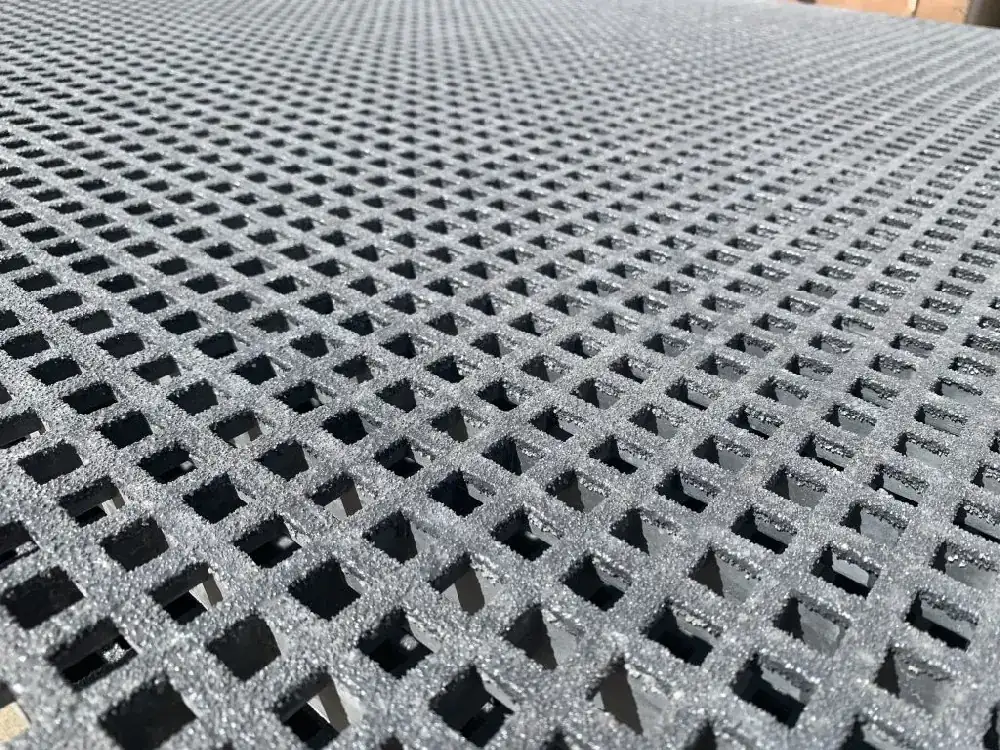
New Zealand is one of the world’s most trade-dependent dairy and food exporters: powder, butter, cheese, casein, meat, kiwifruit, wine and seafood move from rural plants to every continent. Inside those plants the floor environment is brutal — constant hot caustic and acid wash-down, steam, milk stone, blood and brine, effluent trenches, and a food-safety regime that forbids flaking rust, chipped paint or harboured grime. FRP/GRP grating solves this directly: it does not corrode, it drains and washes clean, it is non-sparking and non-slip when wet, and it will not rust onto product or into an effluent stream.
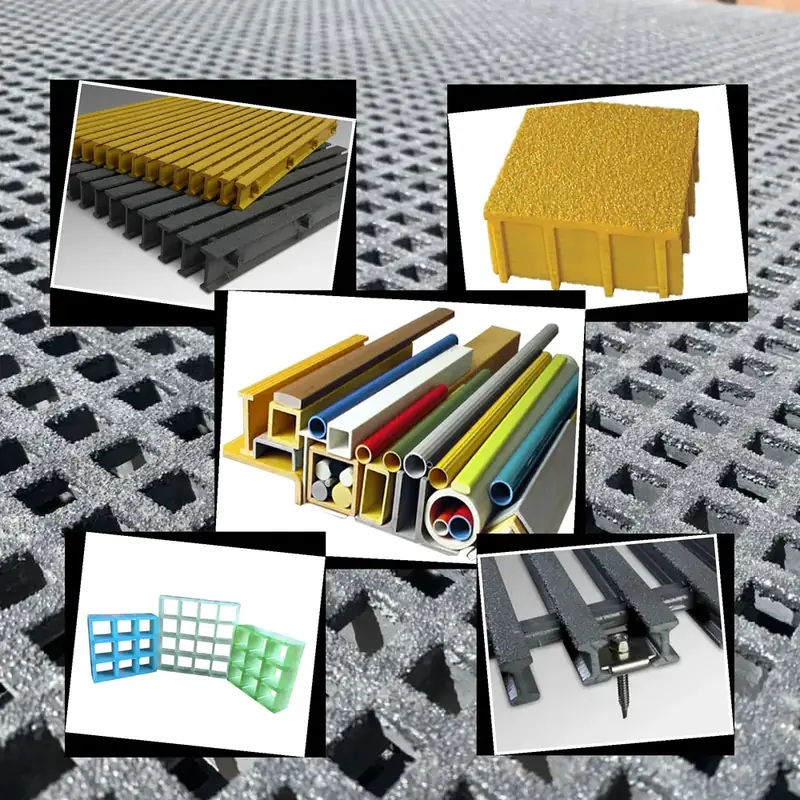
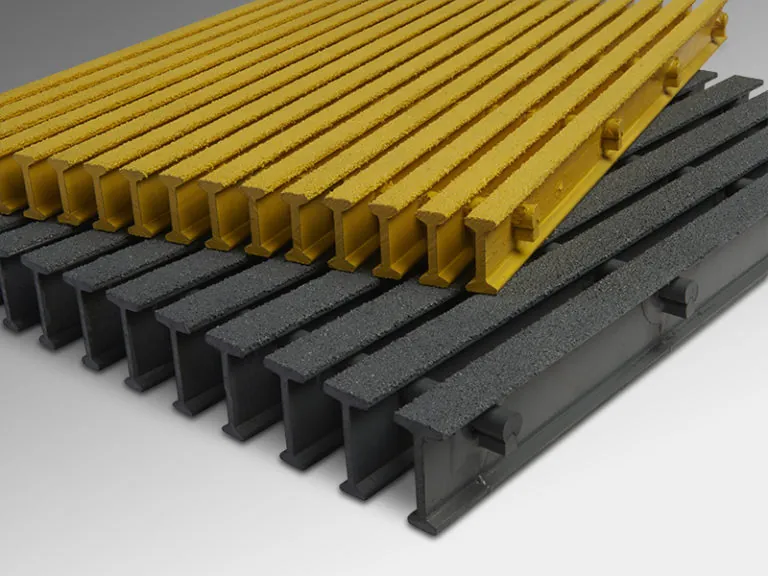
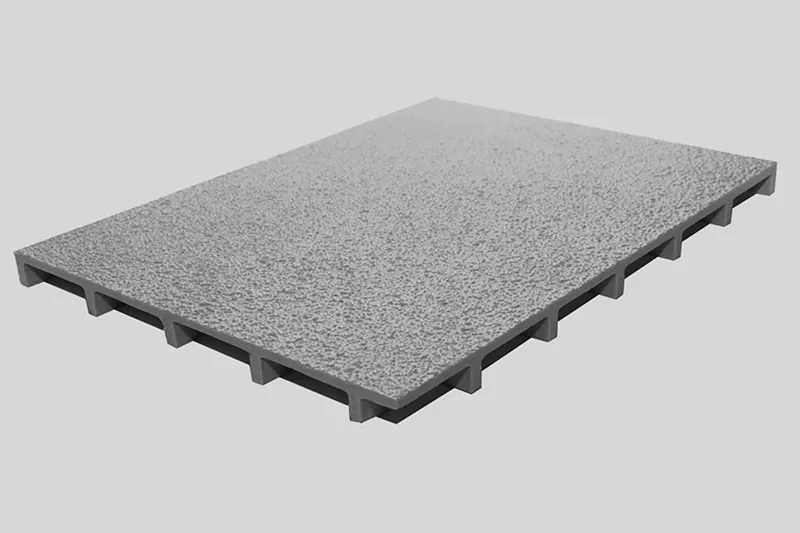
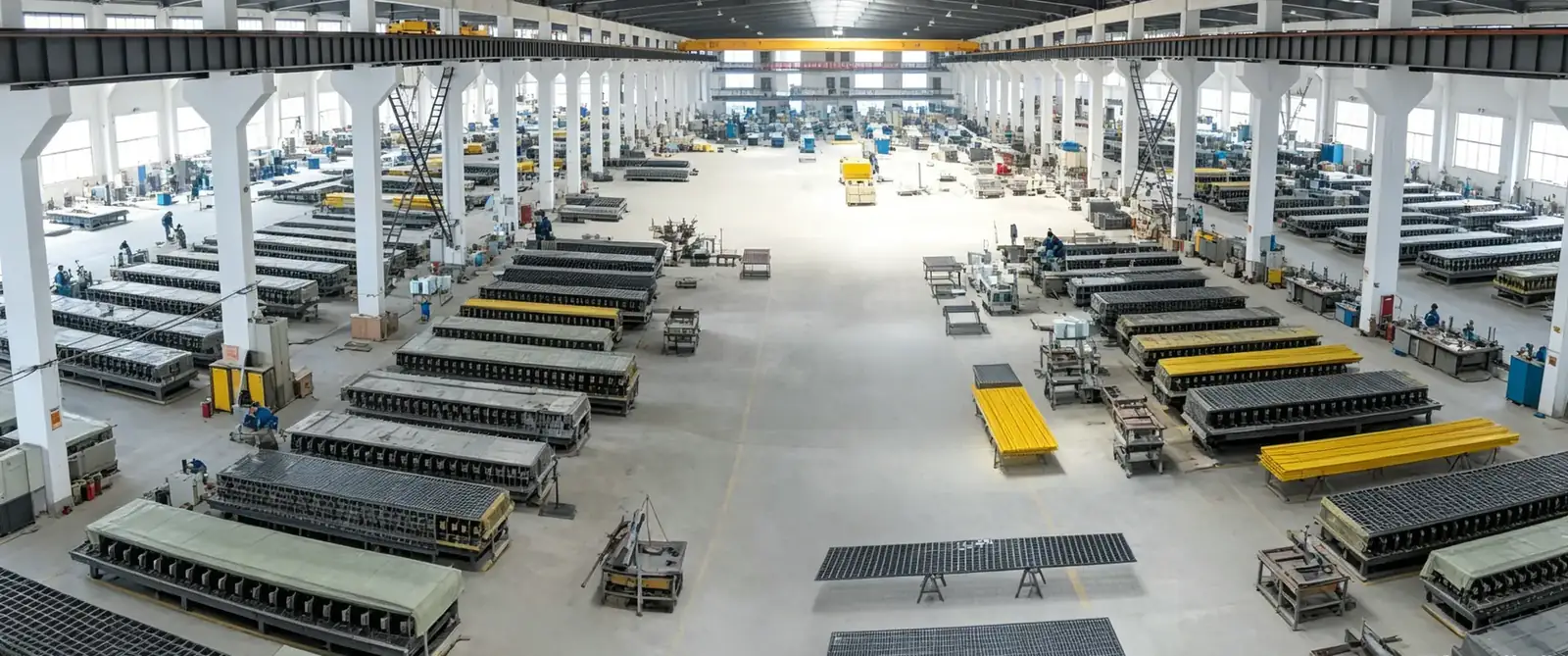
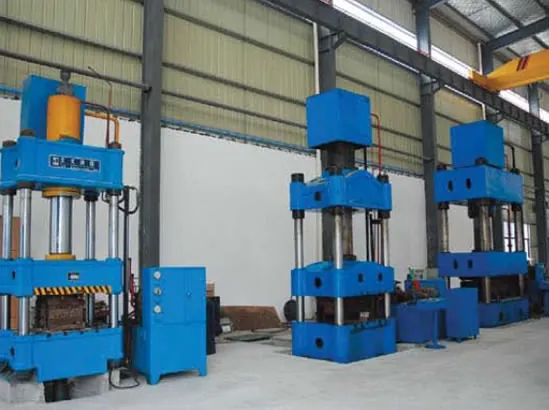
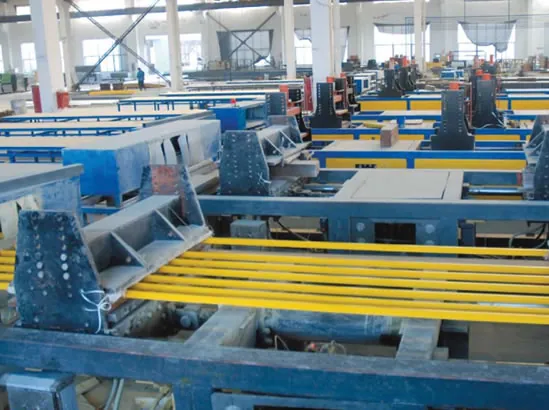
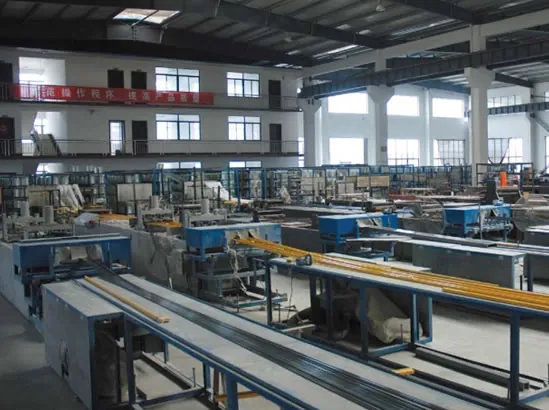
As a direct GRP grating manufacturer, NANTONG ZEALL supplies NZ dairy and food engineers with molded and pultruded panels, anti-slip treads and hygienic covers at factory-direct USD 15–95/m², MOQ 10 m².
Where GRP Grating Sits in a Dairy or Food Plant
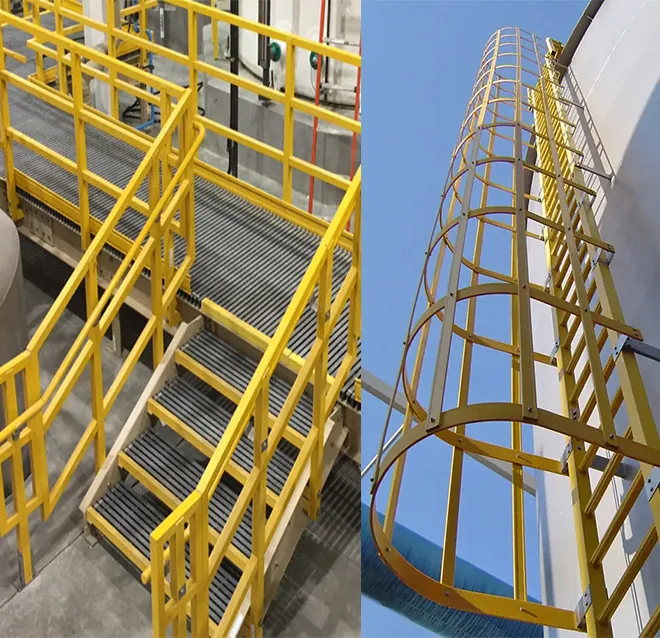
- Process Areas & Platforms — decks around evaporators, dryers, cheese vats and bottling lines that face steam, sugars and sanitizers.
- Effluent Trenches & Drains — drainable mesh covers over floor channels carrying milk, brine and caustic, where steel rusts quickly.
- Wash-Down & CIP Zones — daily hot caustic and acid cycles that attack painted steel and aluminium alike.
- Meat & Seafood Areas — boning rooms, chillers and processing decks facing brine, blood, salt and constant wet.
- Horticulture & Wine — pack-house lines, press decks and coolstore floors exposed to fertilisers, sulphur dioxide and refrigeration.
MPI Food-Safety Context and Hygienic Design
New Zealand’s food exports operate under Ministry for Primary Industries (MPI) food-safety and export-licence expectations, which push plants toward surfaces that are cleanable, non-absorbent and free of product contamination. GRP’s resin-rich, non-porous surface does not support rust flaking into product, and the open mesh lets wash-down water drain straight to the effluent system rather than pooling. We support plants with food-contact-adjacent flooring choices and provide load and material data, while the plant’s own MPI-registered programme and auditor confirm final hygienic design.
Resin Selection for Wash-Down, CIP and Brine
Resin choice drives service life in food plants: general-purpose polyester suits dry packaging and storage areas; isophthalic polyester handles moderate moisture, mild acids and dairy wash-down; and vinyl-ester resin is specified for heavy caustic CIP, brine, bleach and seafood-brine environments where chemical attack is continuous. Gritted or concave top surfaces provide slip resistance under wet boots, while solid covers seal sumps and cable runs where hygiene demands a closed surface. Panels are produced under ISO 9001 and tested to ASTM E-84 and ASTM F3059; we state ISO 9001, ASTM E-84, ASTM F3059, ABS, Intertek, SGS and CE without reference numbers or expiry dates.
Shipping GRP to NZ Food-Plant Project Sites
Panels are containerized from Shanghai or Ningbo and discharge at the nearest port — Auckland for the upper North Island, Tauranga for Bay of Plenty dairy, Wellington for the lower North Island, or Lyttelton for Canterbury and the South Island. Transit is typically approximately 16–28 days port-to-port depending on the port and transshipment. Clearance runs through New Zealand Customs Service against the Customs Tariff, with MPI biosecurity packaging rules; 15% GST may apply to landed value and your broker confirms the current duty and threshold. We keep wooden packaging to ISPM-15 standard to speed biosecurity clearance.
Safety, Slip Resistance and Maintenance in Wet Processing
Wet processing floors are the leading slip-and-fall risk in a food plant. Gritted GRP mesh drains instantly and stays textured when wet, unlike smooth steel plate that becomes an ice-like hazard under wash-down. The material is non-sparking and non-conductive around electrical process equipment, and it will not rust from brine or milk effluent, so there is no annual shutdown to sandblast and repaint a live production line. Light panels are also quick to lift for trench cleaning and re-seat without heavy plant — a real advantage during tight maintenance windows between production runs.
Why NZ Food & Dairy Buyers Specify ZEALL GRP
Factory-direct sourcing removes importer and fabricator margins, typically delivering meaningful savings for rural plants far from city suppliers. Standard panels produce in 15–25 days, with overall delivery of approximately 12–36 working days to whichever NZ port serves the site. We export to 45+ countries, with 541 reviews averaging 4.9/5, and we support food-project teams with free resin selection, load calcs and cutting layouts that fit tight plant footprints — all through a single sales line and email.
Frequently Asked Questions
Yes. GRP is non-corroding, non-porous, drainable and wash-down safe, and will not flake rust onto product. It is widely used around evaporators, CIP zones, effluent trenches, meat lines and pack-houses, subject to your plant's own MPI hygienic-design sign-off.
- New Zealand FRP Grating Supplier
- Auckland
- Wellington
- Christchurch
- Dairy Food Processing (this page)