FRP Grating in New Zealand: A Small Export-Led Industrial Economy
New Zealand is a mountainous, maritime nation of roughly five million people whose economy is built on exporting what its land and sea produce: dairy, meat, wool, timber, kiwifruit and wine, alongside a growing specialist engineering and visitor economy. That industrial base — dairy factories, freezing works, sawmills and pulp mills, coolstores, wharves and marine structures — sits in one of the most exposed, wet and salt-laden climates on earth, where steel walkways rust quickly and painting budgets never end. Fiberglass reinforced polymer (FRP), or glass-reinforced plastic (GRP), grating is a corrosion-resistant, lightweight and non-sparking alternative that keeps access platforms, stairways and trench covers safe through constant rain, coastal salt and wash-down.
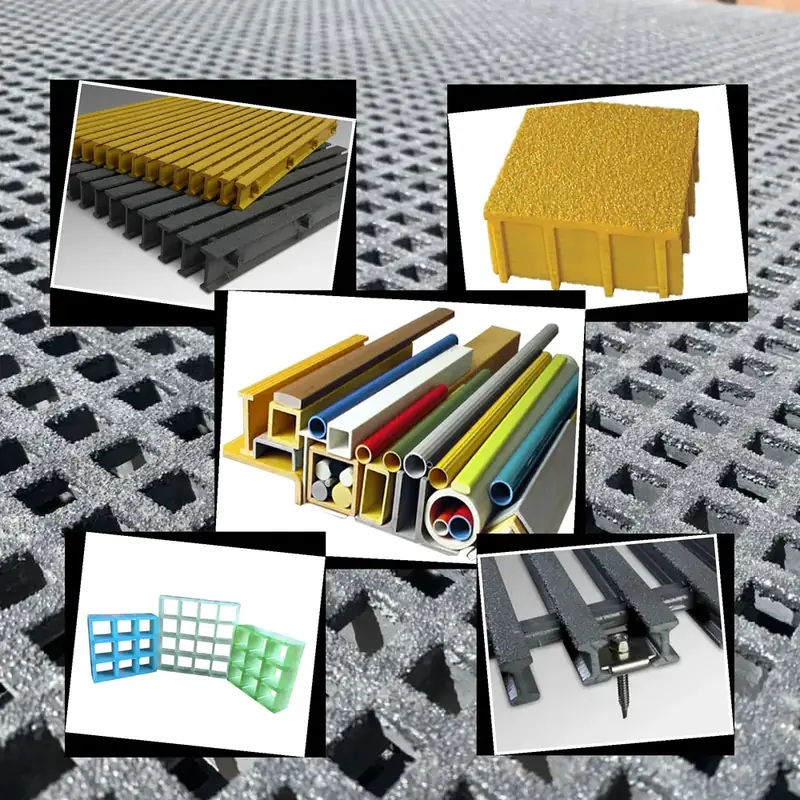
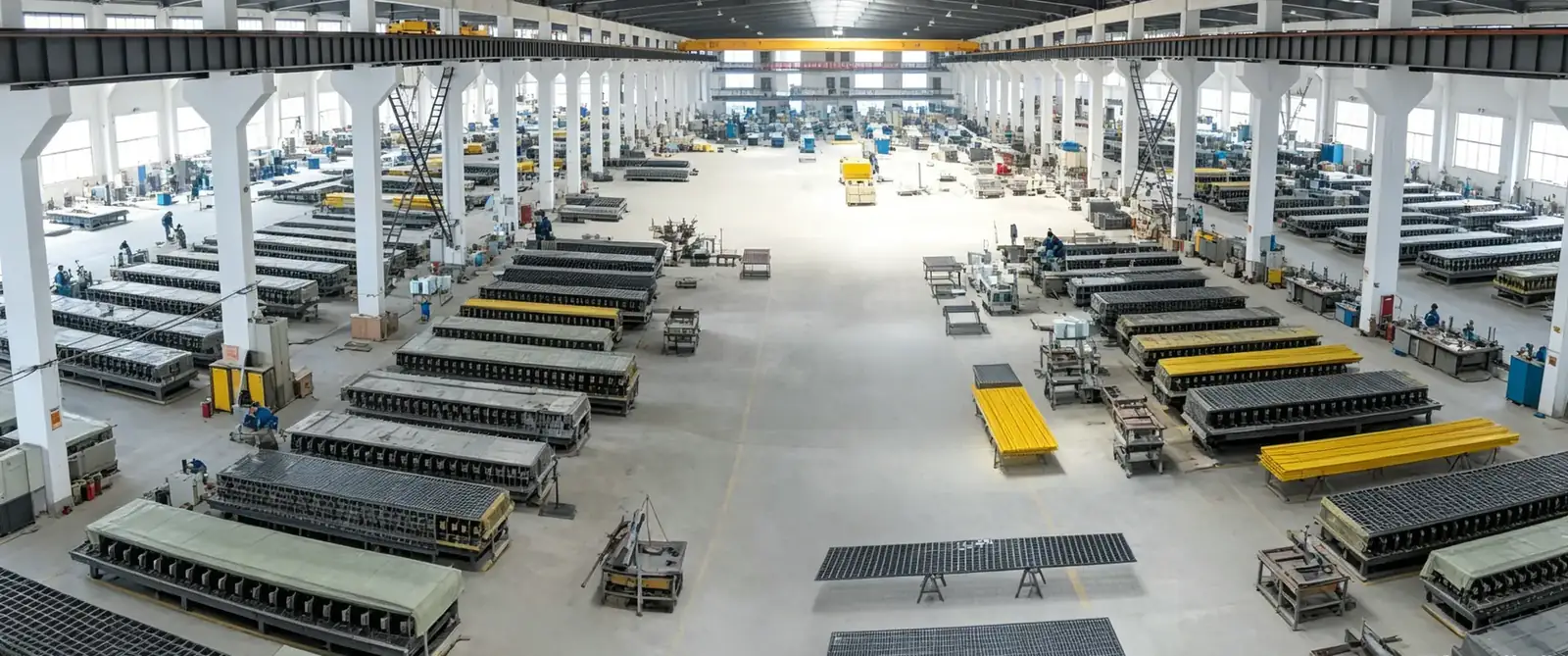
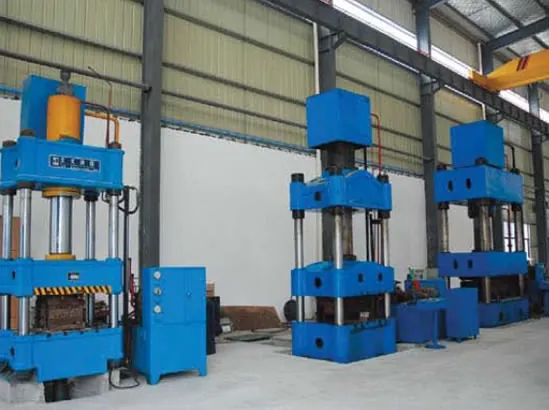
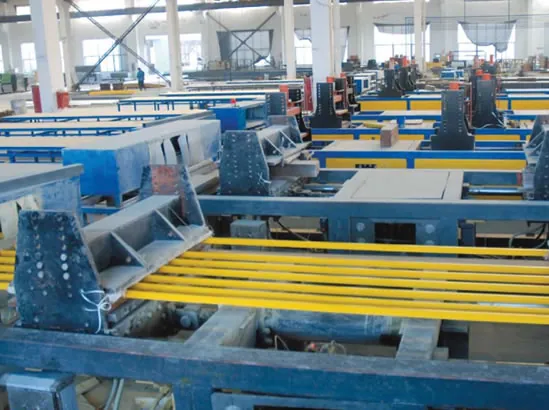
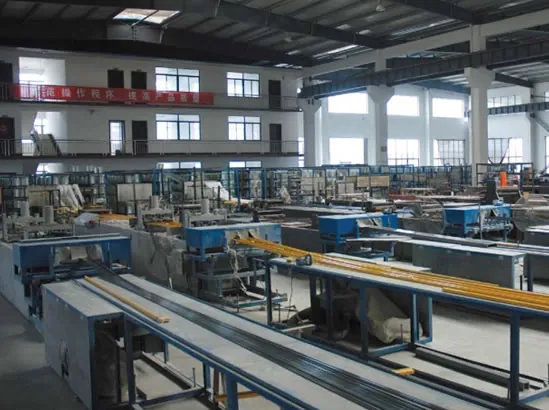
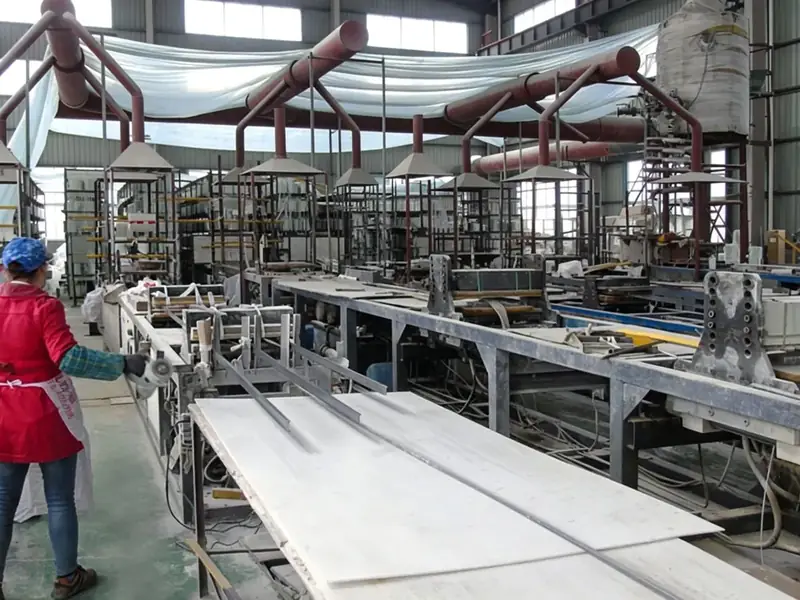
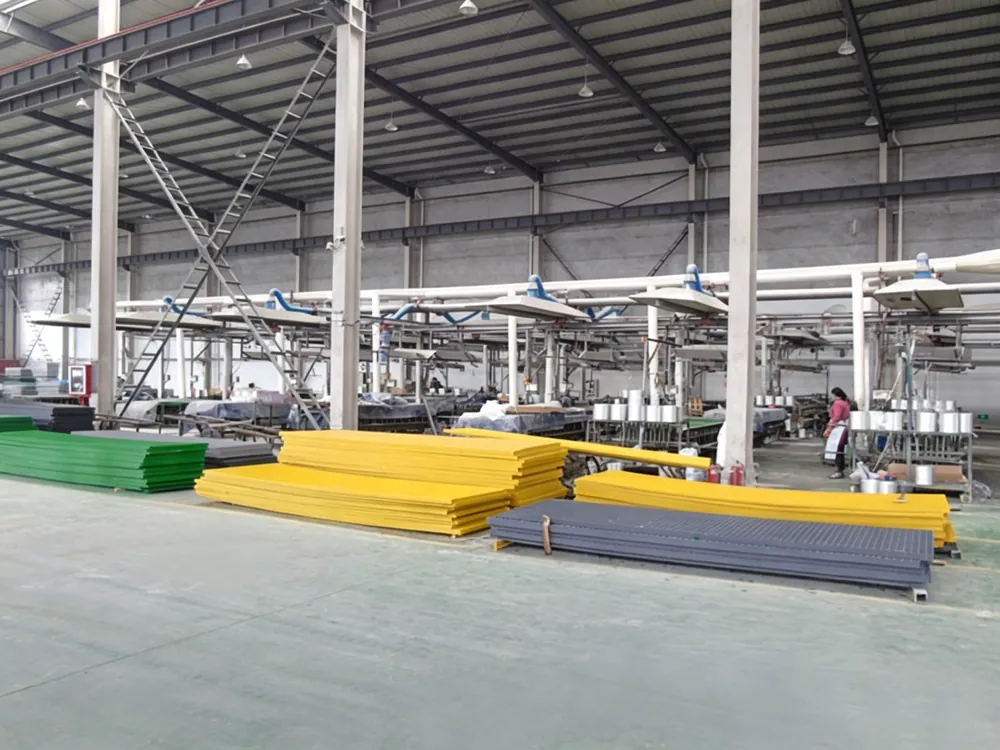
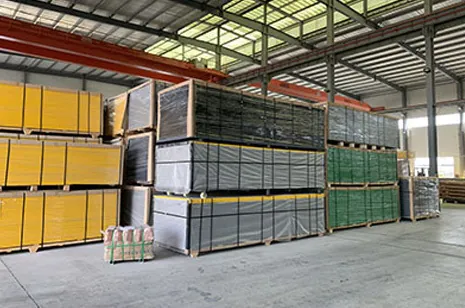
As a direct FRP grating manufacturer founded in 2004 with more than 200 employees, NANTONG ZEALL supplies New Zealand project owners, fabricators and engineers with molded and pultruded GRP grating, stair treads, solid covers and fixing clips. Pricing is factory-direct in USD at roughly 15–95 per square meter depending on resin, thickness and mesh, with a production minimum of just 10 square meters.
How GRP Grating Reaches New Zealand: Pacific Routing and the Main Ports
Containerized grating moves from Shanghai or Ningbo across the western Pacific to New Zealand’s main gateways. The principal North Island port is the Port of Auckland on the Waitemata Harbour, which handles the majority of the country’s container trade; Port of Tauranga at Mount Maunganui is the nation’s largest export port by volume and serves the Bay of Plenty forestry and horticulture hinterland; Wellington Harbour links the North and South Island rail-and-road ferry network; and Lyttelton, near Christchurch, serves the South Island and Canterbury’s agricultural heartland. Transit is typically approximately 16–25 days port-to-port from northern China, depending on transshipment and the direct-service schedule, after which coastal trucking or the Cook Strait rail ferry distributes cargo nationwide.
Import clearance in New Zealand is handled by New Zealand Customs Service against the New Zealand Customs Tariff classification, supported by a commercial invoice, packing list and bill of lading. Because New Zealand has strict biosecurity, the Ministry for Primary Industries (MPI) may inspect shipments for risk material; we advise customers to keep wooden packaging to ISPM-15 standard. Goods and Services Tax (GST) at 15% may apply to the landed value of most imports — your licensed customs broker should confirm the exact duty rate, any de minimis threshold and the GST treatment for your consignment before ordering.
The Industries That Specify FRP Grating Across New Zealand
- Dairy & Food Processing — milk powder, cheese and casein plants with daily caustic and acid wash-down, where non-corroding, hygienic decking resists sanitizers and slippery wet floors.
- Forestry, Sawmills & Pulp & Paper — log yards, saw lines, digester and bleach areas exposed to wood moisture, sap, chlorine dioxide and abrasive dust.
- Ports, Marine & Coastal Engineering — wharves, ship-to-shore walkways, marina fingers and seawall access that face constant salt spray and tidal wetting.
- Meat Processing & Freezing Works — chillers, boning rooms and effluent tunnels requiring drainable, easy-to-clean grating that will not flake rust onto product.
- Wine, Horticulture & Coolstores — press decks, packing lines and cold-store floors where corrosion from fertilisers, sulphur dioxide and refrigeration chemicals shortens steel life.
- Water, Wastewater & Treatment — pump stations, chlorination and odour-control channels handling corrosive gases and permanent damp.
Standards, Safety and the New Zealand Built Environment
Industrial access in New Zealand is generally delivered to Australian/New Zealand structural and occupational-safety practice, with walkway width, edge protection and load assumptions set by the project engineer. Our panels are produced under an ISO 9001 quality management system and tested to ASTM E-84 for surface burning characteristics and ASTM F3059 for fiberglass grating, with published load and deflection tables sized to the actual support spacing. We hold the certifications the company actually maintains — ISO 9001, ASTM E-84, ASTM F3059, ABS, Intertek, SGS and CE — and we supply these without reference numbers or expiry dates, and never claim marks we do not hold.
For an earthquake-prone building culture, the light weight of GRP is a genuine advantage: panels are a fraction the weight of steel, reducing seismic mass and making manual handling and rooftop installation far safer for installers working on multi-level food plants and wharf structures.
Recommended GRP Grating Products for New Zealand Conditions
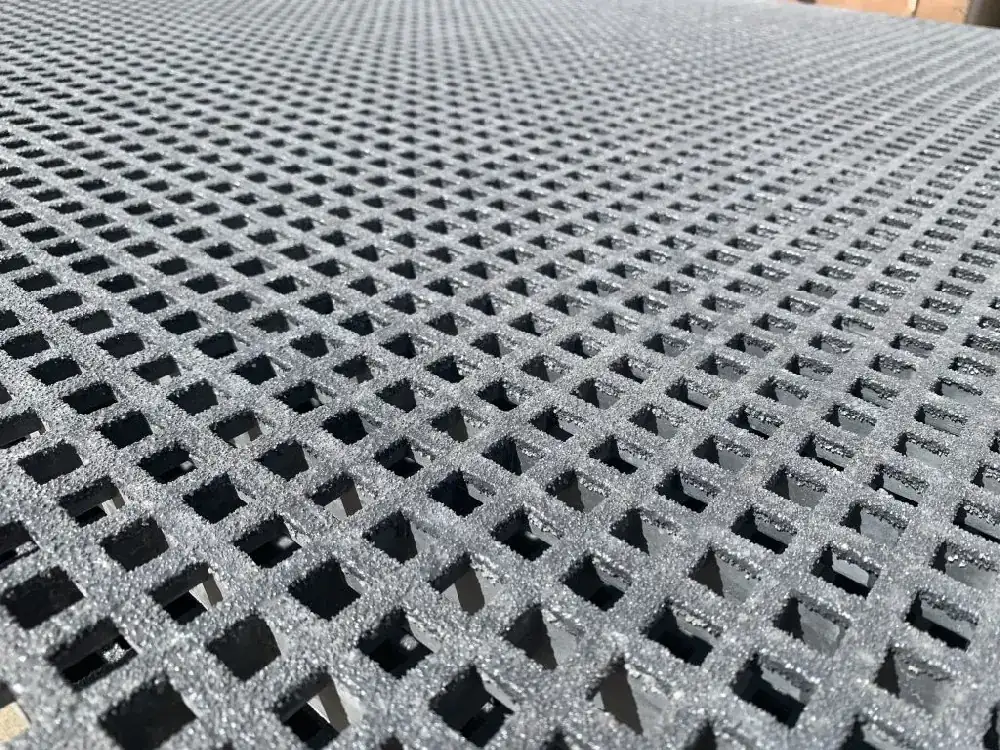
- 38 mm Molded FRP Grating — bi-directional strength with a gritted or concave surface for general plant walkways and wash-down areas.
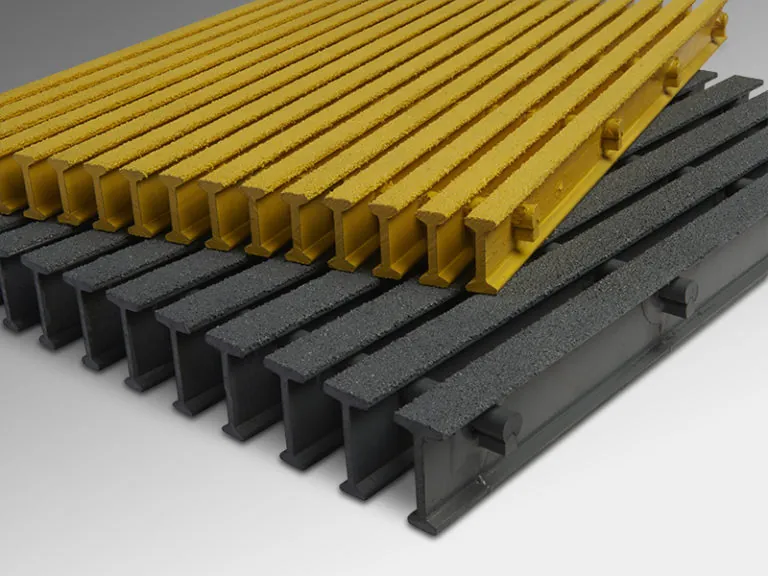
- 50 mm Pultruded FRP Grating — high uni-directional capacity for long spans over trenches and heavy-duty platforms.
- Vinyl-Ester Resin Grating — upgraded chemical resistance for bleach plants, caustic dairy areas and marine splash zones.
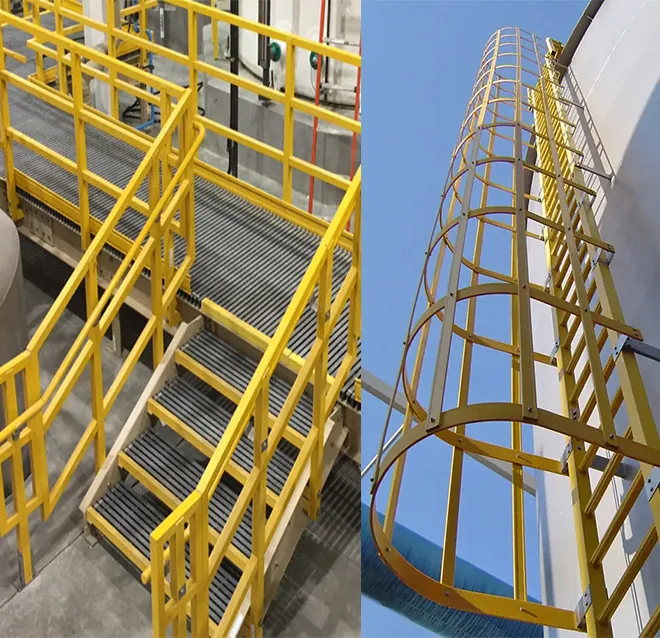
- FRP Stair Treads & Nosing — anti-slip treads for mill towers, wharf ladders and exterior stairs exposed to rain.
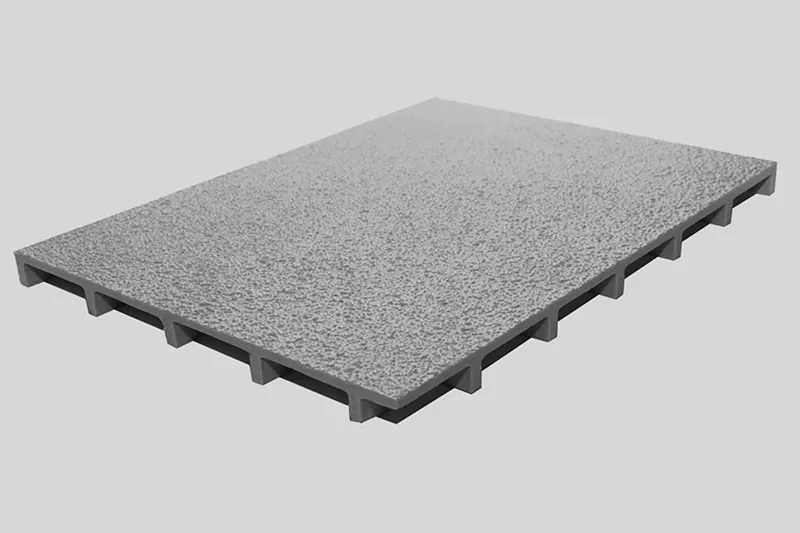
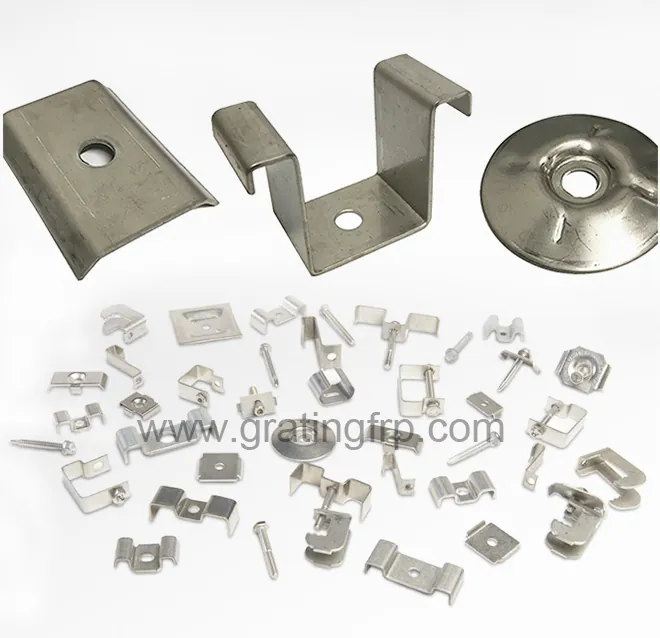
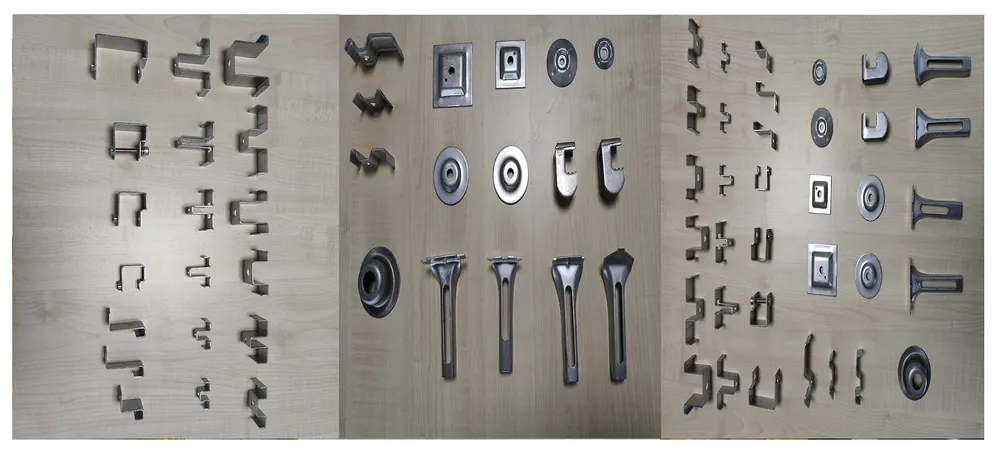
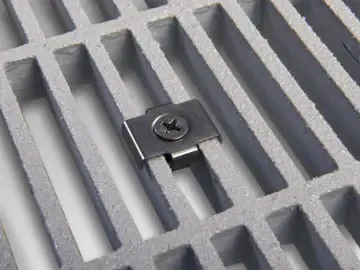
- Solid Covers & Fixing Clips — trench, sump and cable-trunk covers with M, C and L clips for tamper-resistant, corrosion-free fixing.
Rain, Salt Fog and UV: Why GRP Outlasts Steel in This Climate
New Zealand’s weather ranges from the wet, wind-blasted west coast of the South Island to the frosty, bright inland basins of Canterbury — a combination of high rainfall, strong coastal salt loading, intense southern ultraviolet and occasional frost. A resin-rich surface veil and UV stabilizer slow chalking and fibre prominence under clear southern skies, while gritted surfaces retain traction on permanently damp dairy and horticulture floors. Because the composite contains no steel, salt-laden sea air, effluent and caustic wash-down cannot start red rust, and there is no annual sandblasting and repainting cycle that shuts down production areas. Drainable mesh also sheds rain quickly, keeping wharf and log-yard walkways safer than solid steel plate after a downpour.
Why New Zealand Buyers Source GRP Grating Direct from ZEALL
New Zealand buyers are used to long freight chains and local importer margins. Sourcing factory-direct removes the middle layer and typically delivers meaningful savings against buying through a domestic stockist, while keeping engineering control in-house. Standard panels are produced in 15–25 days, with overall delivery of approximately 12–36 working days depending on specification, port and transshipment. Our export track record spans 45+ countries, supported by 541 customer reviews at an average rating of 4.9 out of 5. Engineering support is free: load calculations, resin selection and panel layout to suit New Zealand spans and snow-or-plant loads, coordinated through a single sales line and email so quoting and order tracking stay simple.
Frequently Asked Questions
Yes. Containerized cargo sails from Shanghai or Ningbo, typically approximately 16-25 days port-to-port to Auckland, Tauranga, Wellington or Lyttelton, then distributes by road or Cook Strait ferry. We provide the commercial invoice, packing list and bill of lading your broker needs for Customs and MPI clearance.
- New Zealand FRP Grating Supplier (this page)
- Auckland
- Wellington
- Christchurch
- Dairy Food Processing