FRP/GRP slender rods are sold as driveway markers (snow stakes), tree stakes and vineyard trellis posts. They are hollow or solid pultruded fiberglass rods that do not rot, do not rust, and flex under snow load instead of snapping. The buying decision is diameter (stiffness vs insertion ease), length (visible above snow or tree trunk), reflective tape height (for winter driving), insertion depth (anchor in frost line), and bulk packaging (bundles per pallet).
- Diameter: chosen by stiffness needed and ground hardness; common diameters are confirmed per order
- Length: 48 in and 60 in are standard for driveway markers; tree stakes match trunk height
- Reflective tape: applied at the height drivers see above snow; color and band count per spec
- Insertion depth: anchored below the frost line or into undisturbed ground, confirmed per climate
What FRP slender rods are used for
Pultruded fiberglass rods are long, slender, non-corroding and non-conductive. The same pultrusion line makes three product families that buyers often group together: driveway markers (also called snow stakes or lane markers), tree stakes (supporting young or transplanted trees), and vineyard or horticultural trellis posts. They are not grating; they are slender pultruded profiles sold by the piece or the bundle.
| Product | Typical use | Key spec | Why FRP |
|---|---|---|---|
| Driveway marker / snow stake | Marks lane edge under snow | Length, reflective tape | Flexes under snowplow, does not rust |
| Tree stake | Supports young or transplanted tree | Length vs trunk, galvanized tie | Does not rot like wood |
| Trellis / vineyard post | Row support for vines and crops | Length, row spacing | Non-corroding in fertilized soil |
| Plant / nursery stake | Supplies upright growth in nursery | Diameter, straightness | Light, reusable, no splinters |
Note: This page is a selection and bulk-buying guide for slender FRP rods. It links to the product pages for driveway markers, GRP driveway markers and tree guards; it is not a grating specification.
Driveway markers (snow stakes): sizing
A driveway marker has to stand above the snow line, flex when a plow or snowbank hits it, and stay visible to drivers in low light. The two standard lengths carried as stock items are 48 in and 60 in; longer or shorter rods are produced to order. Diameter is chosen by stiffness: a thinner rod inserts more easily but flexes more, a thicker rod stands stiffer but needs a pilot hole in hard or frozen ground.
| Parameter | Standard / option | Selection note |
|---|---|---|
| Length | 48 in or 60 in standard | Longer rod for deeper snow regions |
| Diameter | Confirmed per order | Thicker = stiffer, harder to drive in |
| Color | Orange, green, white per spec | High-visibility orange common for snow |
| Top | Pencil point or blunt end | Pencil point eases insertion |
| Hollow vs solid | Confirmed per order | Hollow flexes more; solid stiffer |
The exact diameter and wall thickness for a given climate and ground type are confirmed per order rather than assumed. A municipal snow route and a residential driveway do not need the same rod.
Reflective tape and visibility
A bare orange rod is visible in daylight but not in headlight beam at dusk. Reflective tape is the safety feature that matters. The tape is applied at the height drivers see above the snow line; a band near the top of the rod catches headlights, and a second band lower down helps when the first is buried by drifted snow.
| Detail | Guidance | Purpose |
|---|---|---|
| Tape color | Silver or white reflective per spec | Headlight reflection at night |
| Band position | Upper band visible above snow | Drivers see the lane edge |
| Number of bands | One or two per spec | Second band for drifted snow |
| Tape application | Factory-applied, durable adhesive | Stays on through winter |
| Length above snow | Confirm against local snow depth | Rod must clear the expected drift |
Tape color, band count and band height are set by the buyer's spec or municipal standard. Confirm these before ordering, because they are applied at the factory and cannot be field-retro-fitted easily.
Insertion depth and ground anchoring
A marker that wobbles out of the ground in spring is a wasted order. The rod must be driven or pushed into undisturbed ground below the frost line or into a depth that holds it upright through winter and plow impact. In soft soil a pencil-point rod can be driven directly; in hard, rocky or frozen ground a pilot hole is recommended to avoid splitting the rod.
| Ground type | Insertion method | Anchoring note |
|---|---|---|
| Soft loam | Drive directly, pencil point | Push past surface sod |
| Hard or compacted soil | Pilot hole then drive | Prevents rod splitting |
| Frozen ground | Pilot hole, wait for thaw if possible | Avoid hammering frozen FRP |
| Rocky soil | Pilot hole, set in sand or gravel | Holds rod upright without rock damage |
| Frost-prone climate | Drive below frost line | Stops heave in spring |
The exact insertion depth is confirmed per local frost line and soil survey. As a rule of thumb, the visible portion must clear the expected snow depth; the buried portion must anchor the rod through winter movement.
Tree stakes and vineyard posts
Tree stakes support young or transplanted trees against wind until the root ball establishes. A single or double stake, a soft tie, and a rod long enough to reach the lower trunk are the standard detail. FRP rod beats wood here because it does not rot in damp soil and does not splinter. Vineyard and horticultural trellis posts are the same pultruded rod in longer lengths, used as row ends or intermediate posts.
| Use | Length guidance | Fixing | Why FRP over wood |
|---|---|---|---|
| Single tree stake | Reaches lower trunk | Soft tree tie, not wire | No rot, no splinters |
| Double tree stake | Two rods either side | Tie through trunk | Stable in exposed sites |
| Vineyard end post | Longer, stiffer | Wire trellis attachment | No corrosion from fertilizer |
| Nursery plant stake | Matches pot size | Loose tie for upright growth | Light, reusable |
| Trellis intermediate post | Row spacing per design | Wire clip | Non-conductive, long life |
For tree stakes, always use a soft, wide tree tie rather than wire or rope that can cut into the bark. The stake is temporary; remove it once the tree is established.
Bulk packaging, bundles and lead time
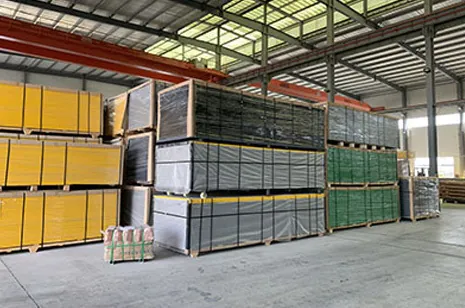
Slender rods are sold by the piece for small projects and by the bundle or pallet for municipal, landscape or vineyard orders. Bundling protects the reflective tape during shipping and makes field distribution easier. Production lead time is 12 to 36 working days depending on diameter, length, tape configuration and destination; stock lengths may be shorter, confirmed per order.
| Order scale | Packaging | Lead time | Notes |
|---|---|---|---|
| Small / residential | Loose or small bundle | Per stock confirmation | Try standard 48 in / 60 in |
| Landscape contractor | Bundles per pallet | 12 to 36 working days | Confirm tape color and band count |
| Municipal / snow route | Palletized, labeled bundles | 12 to 36 working days | Specify diameter and length |
| Vineyard / nursery | Bundles by length | 12 to 36 working days | Bulk post order, no tape needed |
| Custom length or color | Made to order | 12 to 36 working days | Confirm drawing and spec |
Note: Unit pricing is confirmed per project conditions: diameter, length, tape configuration, bundle count and destination all move the price. Send the required spec for a quote rather than assuming a per-piece rate.
Why pultruded FRP rod beats wood and steel
Wood stakes rot in damp soil and splinter; steel posts rust and conduct; PVC bends permanently in sun and snow. Pultruded fiberglass rod stays straight, does not rot, does not rust, flexes under load and returns to shape, and is non-conductive. It is the default choice where a slender, long-lived, lightweight rod is needed.
| Material | Rot / rust | Behavior under load | Conductive | Field life |
|---|---|---|---|---|
| Wood stake | Rots in damp soil | Breaks or splits | No | Seasonal, replacement |
| Steel post | Rusts | Stays rigid, bends permanently | Yes | Rust-through over years |
| PVC rod | No rot | Bends permanently in sun | No | Becomes brittle in UV |
| FRP pultruded rod | No rot, no rust | Flexes, returns to shape | No | Long service life outdoors |
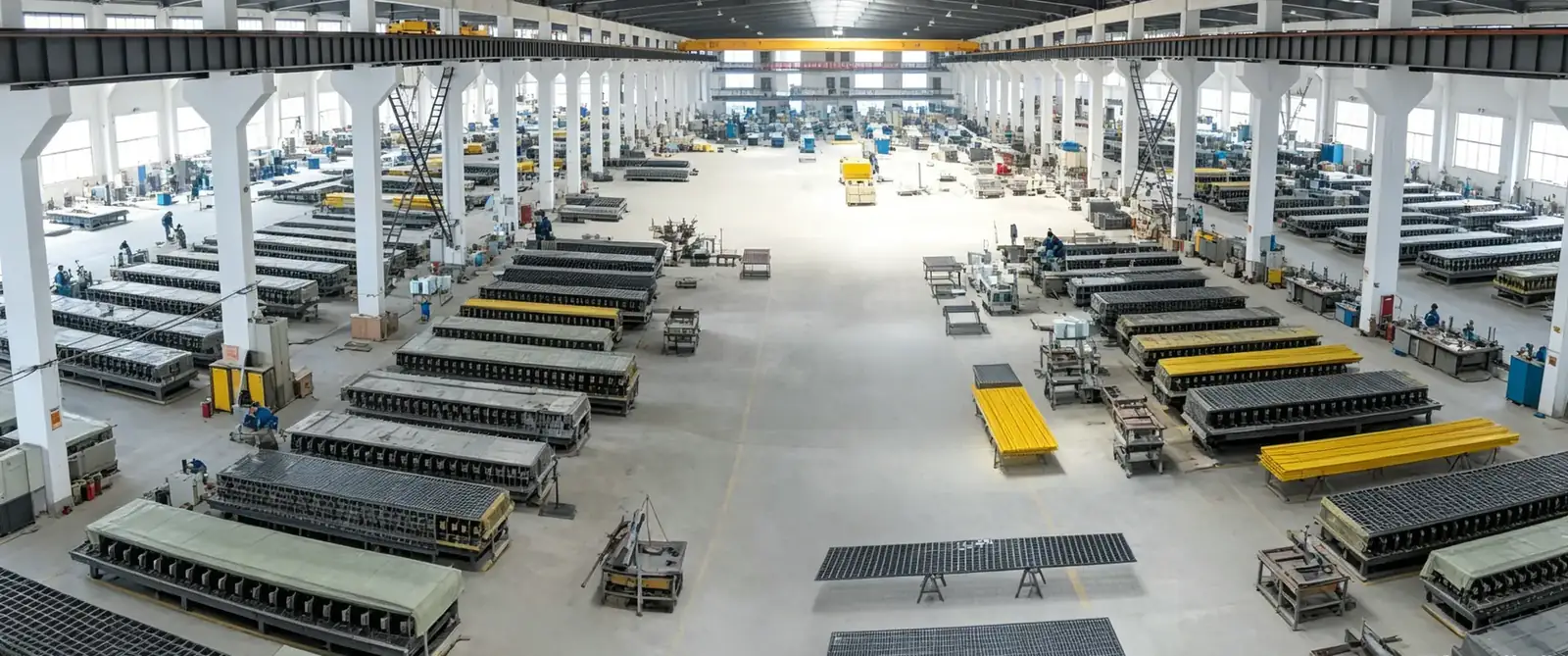
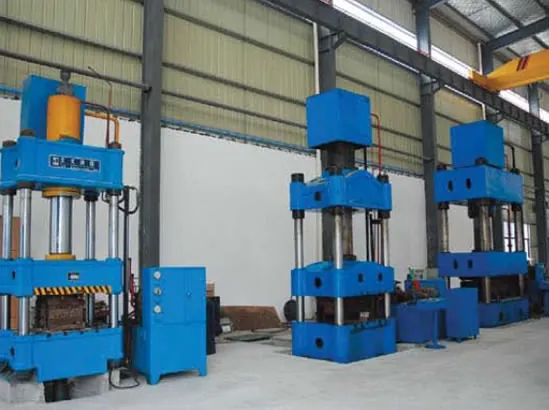
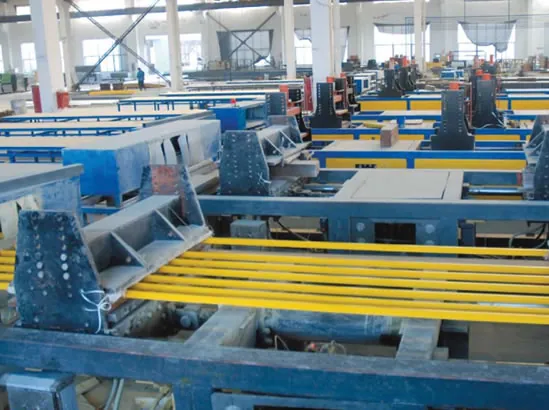
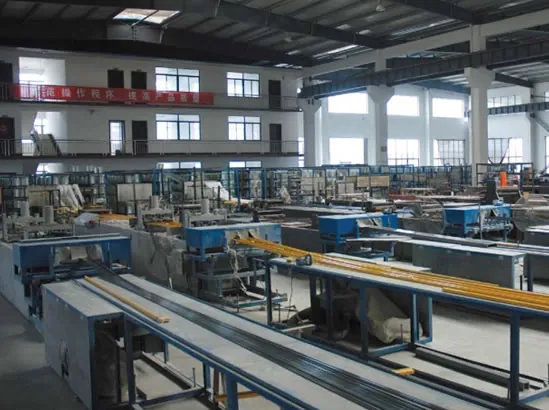
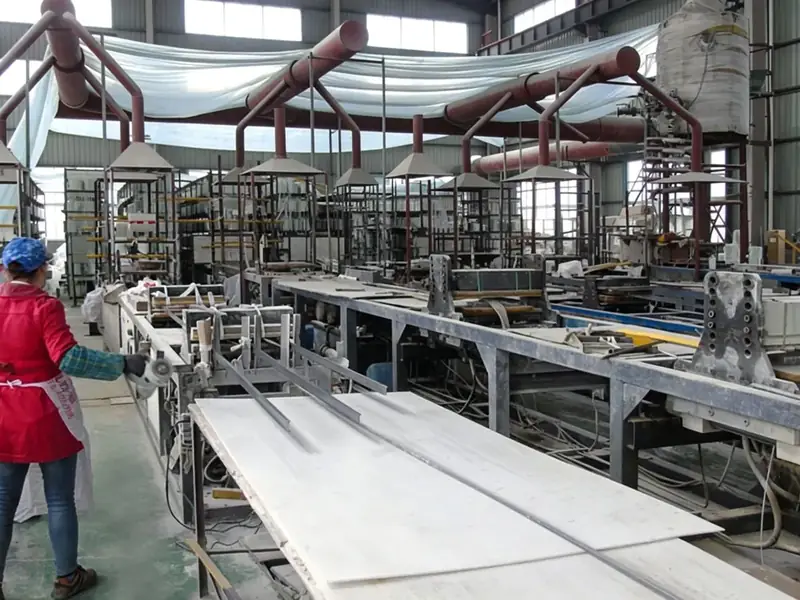
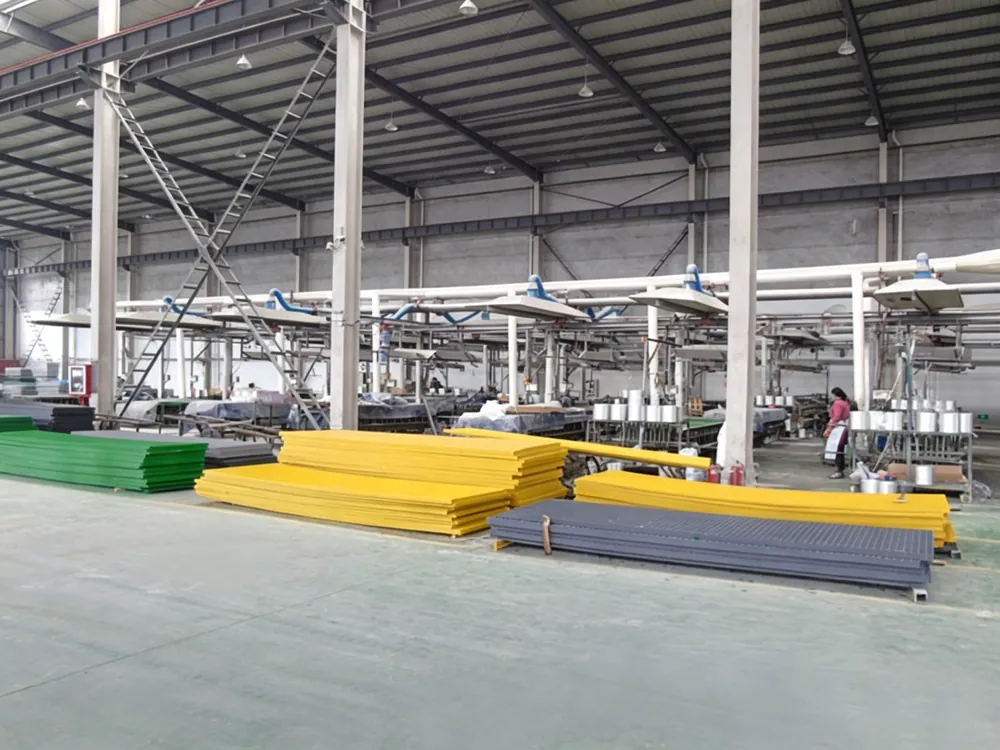
Our pultrusion line produces FRP and GRP rods and profiles alongside our grating panels. The factory has run composites since 2004, covers 20,000 plus square meters and employs more than 200 people. For a bulk order of driveway markers, snow stakes or tree stakes, send the diameter, length, tape requirement and bundle count for a sizing and lead-time confirmation.
Order checklist for a bulk rod purchase
A bulk rod order goes wrong when one parameter is left to assumption. The checklist below closes the common gaps before the order reaches the factory.
- Confirm the product: driveway marker, tree stake or trellis post.
- Confirm diameter, wall (hollow vs solid) and length.
- Confirm reflective tape: color, number of bands, band height.
- Confirm top shape: pencil point or blunt.
- Confirm bundle count, pallet packing and destination.
- Confirm insertion guidance for the local soil and frost line.
- Confirm lead time against project schedule: 12 to 36 working days.
With those seven items on the order sheet, the factory can quote and produce without a round of clarification that pushes the delivery date.
Matching the rod to the application
Buyers often mix up driveway markers, tree stakes and trellis posts because they look like the same rod. The diameter, length and end preparation differ, and ordering one in place of the other causes field returns. The table below maps the three families so the spec sheet goes to the factory correctly the first time.
| Family | Typical length | Reflective tape | End preparation |
|---|---|---|---|
| Driveway marker / snow stake | 48 in or 60 in | Factory-applied bands | Pencil point for insertion |
| Tree stake | Matches lower trunk | None | Blunt or pointed per spec |
| Trellis / vineyard post | Row design length | None | Cut square, drilled holes per spec |
| Nursery plant stake | Matches pot height | None | Cut square |
When in doubt, send a sketch or a photo of the installed example. The factory matches the pultrusion die, the cut length and the tape line to the sketch rather than guessing from a product name.
Field installation tips
A pultruded FRP rod is tough but not indestructible. Hammer it into frozen ground without a pilot hole and it can split; tie it with bare wire and it will girdle the tree; bend it past its elastic limit and it will set permanently. The installation tips below keep a bulk order performing as expected.
| Tip | Do | Do not |
|---|---|---|
| Driving the rod | Pilot hole in hard or frozen ground | Hammer directly into rock or frost |
| Tree tie | Soft, wide, loose tie | Wire or tight rope around bark |
| Reflective side | Face tape toward traffic | Install tape facing the hedge |
| Winter check | Re-stand rods pushed over by plow | Leave bent rods through spring |
| Rod removal | Pull straight, reuse if intact | Cut off and leave buried length |
FRP rods are reusable. A driveway marker pulled intact after the snow season can be cleaned, re-checked for tape, and stored dry for the next winter rather than discarded.
Documentation and order files
A bulk rod order leaves the factory with a packing list that records diameter, length, tape configuration and bundle count. For municipal or landscape projects, keep that list with the site record so a reorder two years later matches the first batch exactly.
| Document | What it records | Why to keep it |
|---|---|---|
| Packing list | Diameter, length, bundle count | Matches reorder to first batch |
| Tape spec | Color, band count, band height | Keeps winter visibility consistent |
| Lead-time note | 12 to 36 working days confirmed | Plans the next winter order ahead |
| Installation photo | Insertion depth and spacing | Guides field crew next season |
Our factory has run FRP and GRP pultrusion since 2004, covers 20,000 plus square meters and employs more than 200 people. Driveway markers, snow stakes and tree stakes leave the same production line as our grating profiles, with the same quality system applied.
Frequently Asked Questions
What lengths do FRP driveway markers come in?
48 in and 60 in are the standard stock lengths. Longer or shorter rods are produced to order. Choose the length so the visible portion clears the expected snow depth in your region, and confirm the diameter for the local ground type.
Do the reflective tapes stay on in winter?
Factory-applied reflective tape with durable adhesive is designed to stay on through winter snowplow and salt. Specify tape color, band count and band height before ordering, because these are applied at the factory and not easily retro-fitted in the field.
How deep should a snow stake be driven?
Drive the rod into undisturbed ground, below the frost line in frost-prone climates, and deep enough to anchor it through winter heave and plow impact. In hard, rocky or frozen ground, drill a pilot hole first to avoid splitting the rod.
Can FRP rods be used as tree stakes?
Yes. Pultruded FRP tree stakes support young or transplanted trees without rotting like wood or rusting like steel. Use a soft, wide tree tie rather than wire, and remove the stake once the root ball is established.
How long is lead time for a bulk order?
Production lead time is 12 to 36 working days depending on diameter, length, tape configuration and destination. Unit pricing is confirmed per project conditions. Send the diameter, length, tape requirement and bundle count for a quote.