Venezuela's Industrial Map and Where Composite Grating Is Needed
Venezuela’s industrial activity does not spread evenly: it follows a narrow Caribbean coastline, a highland capital valley, an inland manufacturing plateau and oil-bearing regions to east and west. On the central coast, La Guaira in Vargas sits about 30 km from Caracas and acts as the capital’s nearest sea gateway; Puerto Cabello in Carabobo anchors the deep-water side of the trade. Inland, Valencia concentrates industry and warehousing; to the west, the Maracaibo basin and Lake Maracaibo carry the country’s historic oil fields; to the east, the Orinoco heavy and extra-heavy crude belt crosses Anzoátegui, Monagas and Bolívar, while Ciudad Guayana hosts steel and aluminum production. Salt-laden trade winds, tropical damp, process acids, sour gas and crude derivatives attack steel walkways, rack supports and trench covers at these different sites.
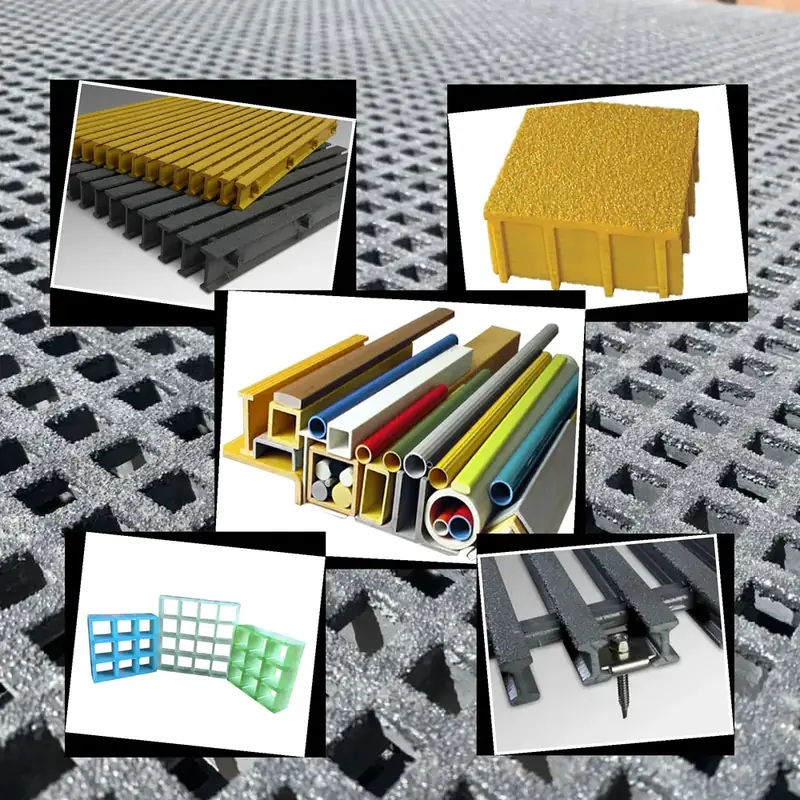
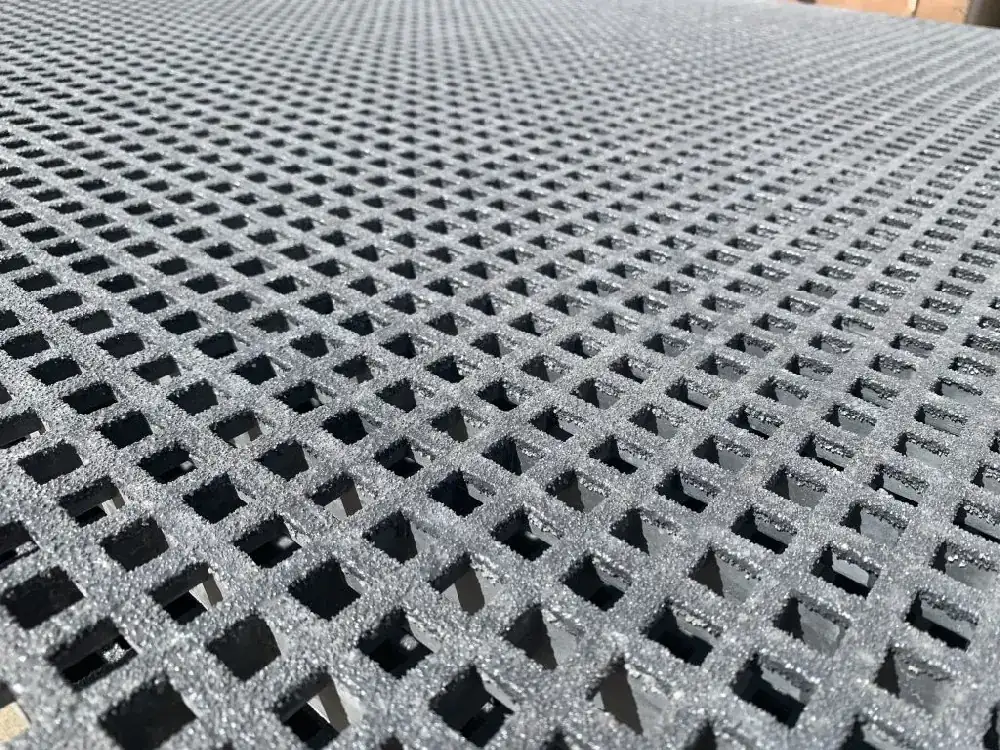
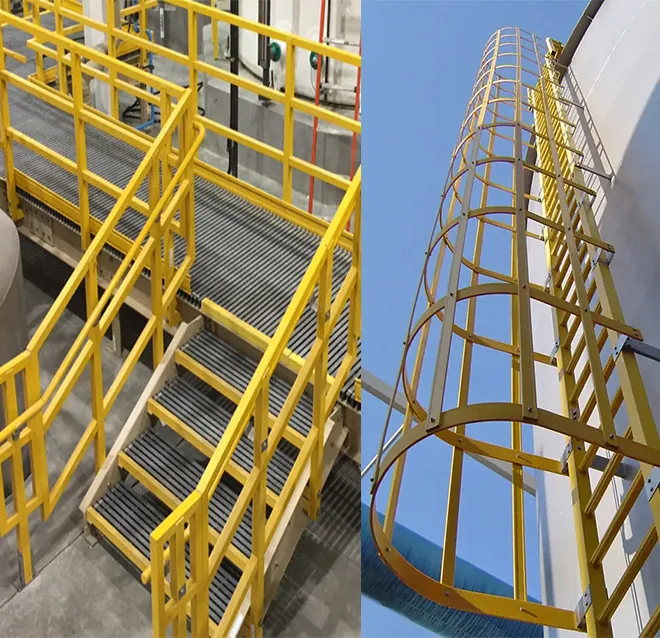
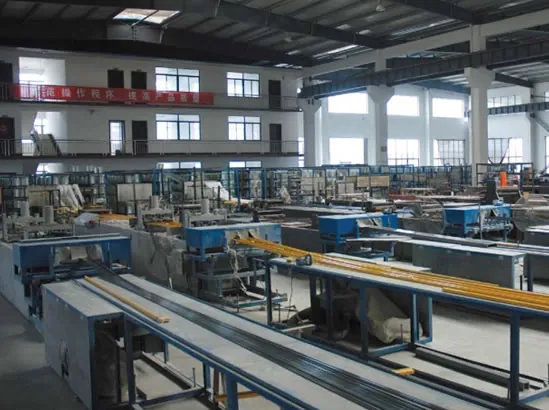
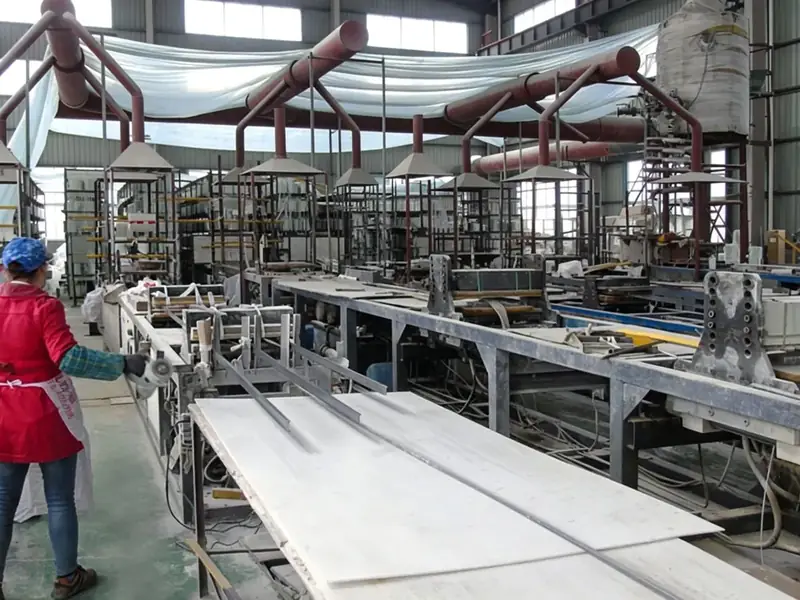
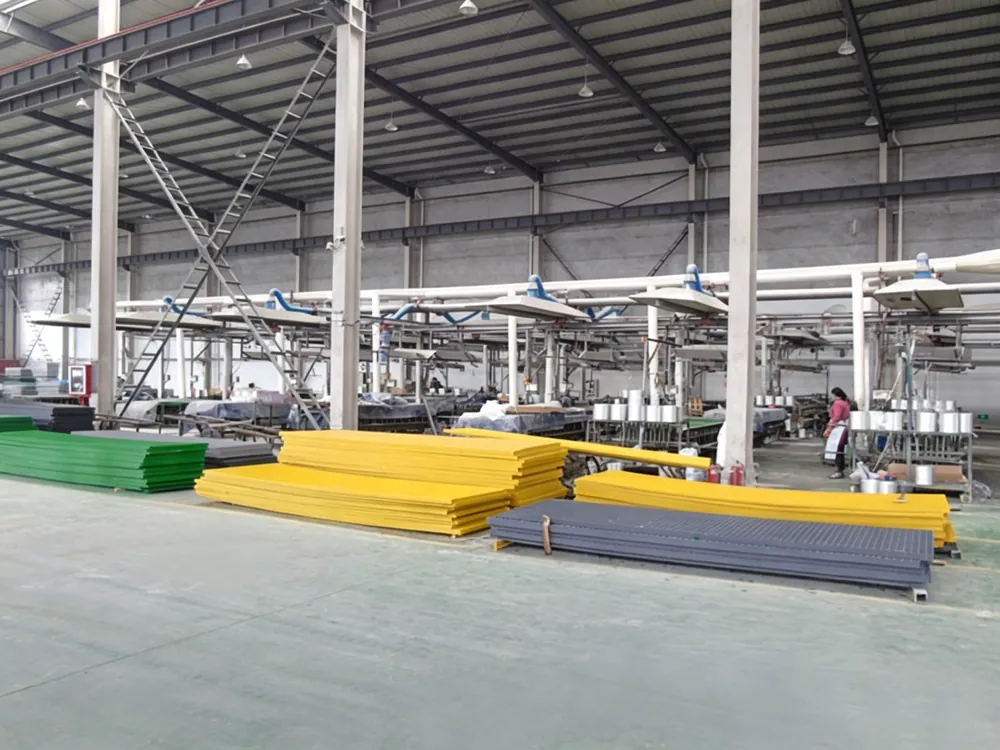
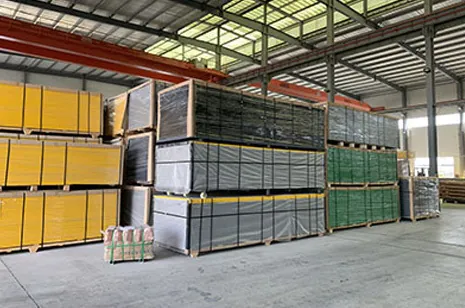
Across these installations, FRP/GRP grating replaces steel where oxidation, electrical conductivity or sparking matter. The composite panel will not corrode in damp or chemical exposure, does not carry current and does not produce sparks in classified areas; it also weighs less than steel, which eases handling and lowers support-frame loads. NANTONG ZEALL, manufacturing since 2004, sells molded and pultruded composite panels, stair nosings, solid trench covers and matching clips to Venezuelan engineering firms, EPC contractors, plant operators and maintenance teams, with panel pricing in the USD 15–95 per square metre band depending on resin, mesh and thickness.
Freight to La Guaira, Puerto Cabello and SENIAT Customs Entry
Our plants near Shanghai and Ningbo load containers onto transpacific services that reach Caribbean waters after passing the Panama Canal. Most consignments discharge at La Guaira or Puerto Cabello; the port-to-port leg runs roughly 35–45 days, an estimate shaped by canal waiting time, sailing schedule and possible transshipment. Trucking then carries cargo toward Caracas, Valencia, the Maracaibo area and other inland destinations; urgent spares and sample panels can move by air. Terms are FOB Shanghai or Ningbo, and LCL consolidation is available when a maintenance order or distributor shipment does not fill a container.
Venezuelan entry is filed through SENIAT (Servicio Nacional Integrado de Administración Aduanera y Tributaria) by a licensed local customs broker. The broker presents the declaration under the right HS heading, and SENIAT levies import duty and value-added tax; the domestic IVA standard rate stands at 16%, while the duty figure itself varies with the tariff line, origin country and applicable trade arrangement. Our package to the broker includes commercial invoice, packing list, bill of lading and certificate of origin, and documents can be formatted to Venezuelan importer practice; the broker remains the one to confirm the duty and IVA treatment on each shipment.
Sectors Across Venezuela That Call for Composite Grating
- Energy and refining tied to PDVSA and contractors — tank farms, pump and compressor stations, refinery blocks and production fields facing sour gas and hydrocarbons.
- Petrochemical processing — process decks, rack bridges and access platforms where acids, caustic solutions and sour vapors are present.
- Caribbean port operations — La Guaira and Puerto Cabello docks, container yards, storage sheds and waterside walkways in salt air.
- Food, seafood and beverage plants — wash-down floors, channel covers and drainage gratings in coastal processing halls.
- Water and wastewater utilities — treatment lines, pump stations and clarifier decks under constant damp and corrosive vapor.
- Guayana steel, aluminum and associated mining — platform decks, conveyor galleries and stairs exposed to dust, moisture and process reagents.
Tropical Coast, Lake Maracaibo Heat and How Composites Resist Corrosion
From the Caribbean shore to the Maracaibo basin, Venezuela’s service climate combines high year-round humidity, trade-wind salt, intense UV and, near energy plants, sour gas and heavy-crude fumes; inland valleys introduce cooler altitude variation. Steel on these decks pits, rusts and eventually sheds scale, and repainting a live production area requires shutdown time. Our composite panels carry a resin-rich top veil that slows surface chalking and fibre exposure under strong sun; gritted or concave mouldings keep footing when decks are wet; isophthalic polyester suits moderate acid and wash-down exposure, while vinyl-ester grades are chosen for sour, chloride-bearing or reagent-heavy locations. Because the matrix does not oxidize, the recurring blast-and-repaint cycle disappears.
Test Data, Resin Compatibility and Documentation for Tenders
Panels are manufactured under an ISO 9001 quality system and evaluated to ASTM E-84 surface fire performance and ASTM F3059 fiberglass grating criteria. Supporting ABS, Intertek, SGS and CE documentation accompanies the submittal packages EPCs and owners request. Engineering buyers receive load and deflection tables matched to actual support spacing and live load, plus resin compatibility guidance for the chemicals on site; where a tender names Venezuelan COVENIN references, consultants can map our test results onto those clauses. Documentation is issued without reference numbers or expiry dates.
Composite Panel Range for Venezuelan Sites
- Vinyl-ester resin grating — sour-service, chemical and reagent areas where corrosion exposure is heaviest.
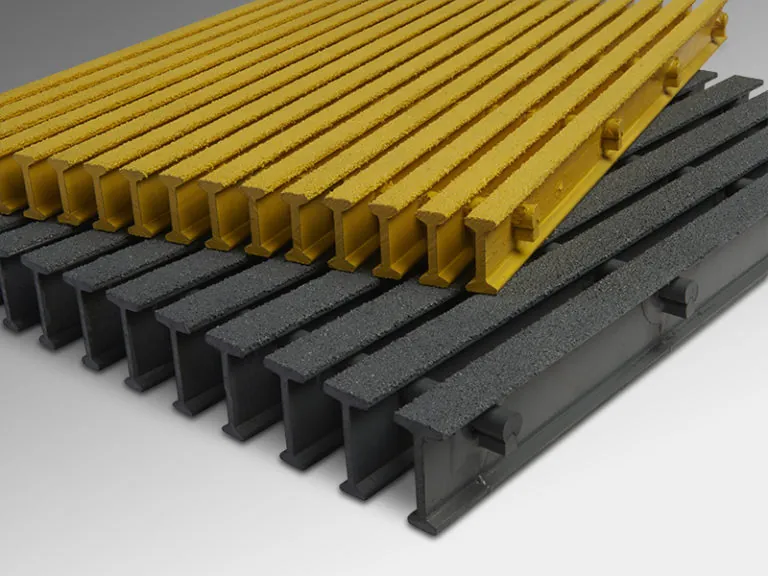
- 50 mm pultruded panel — long-span rack bridges and heavy-duty industrial platforms with directional load demand.
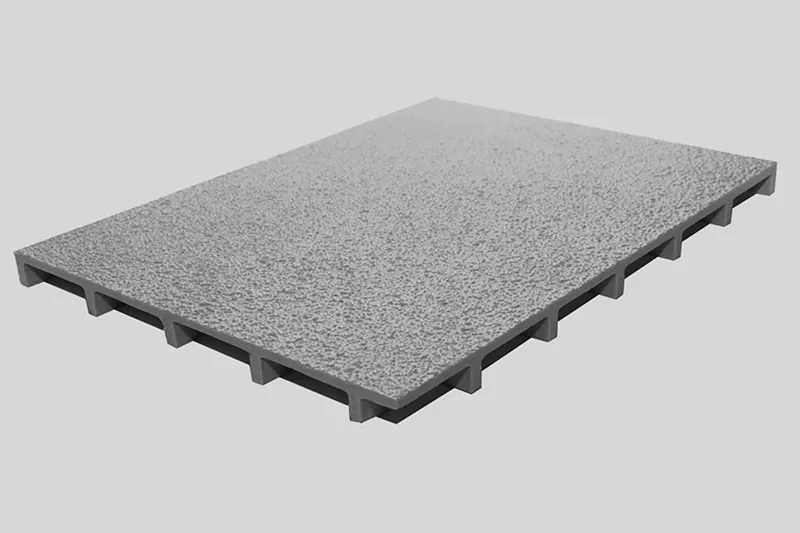
- 38 mm molded panel — general plant walkways and square yards, gritted or concave finish.
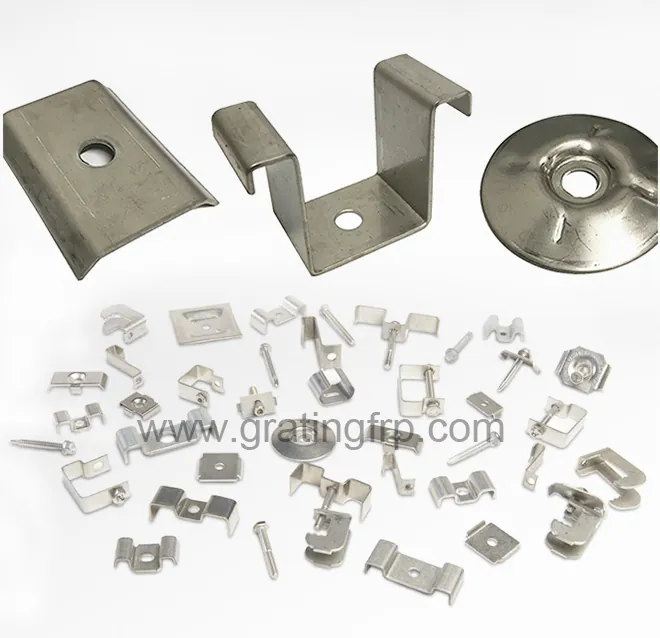
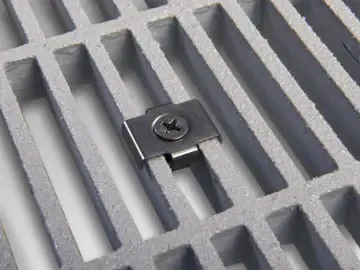
- Stair treads and solid covers — anti-slip nosing steps plus watertight channel and tank covers with M/C/L clips.
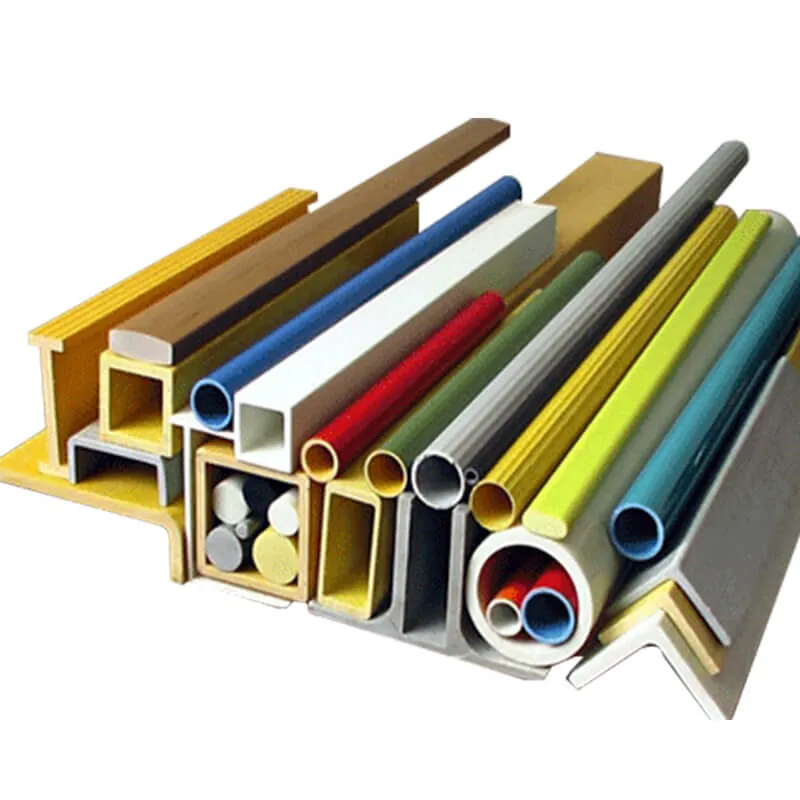
- Handrail and profile systems — composite guardrails, beams and channels for platforms and access towers.
What a Direct Factory Relationship Means for Venezuelan Buyers
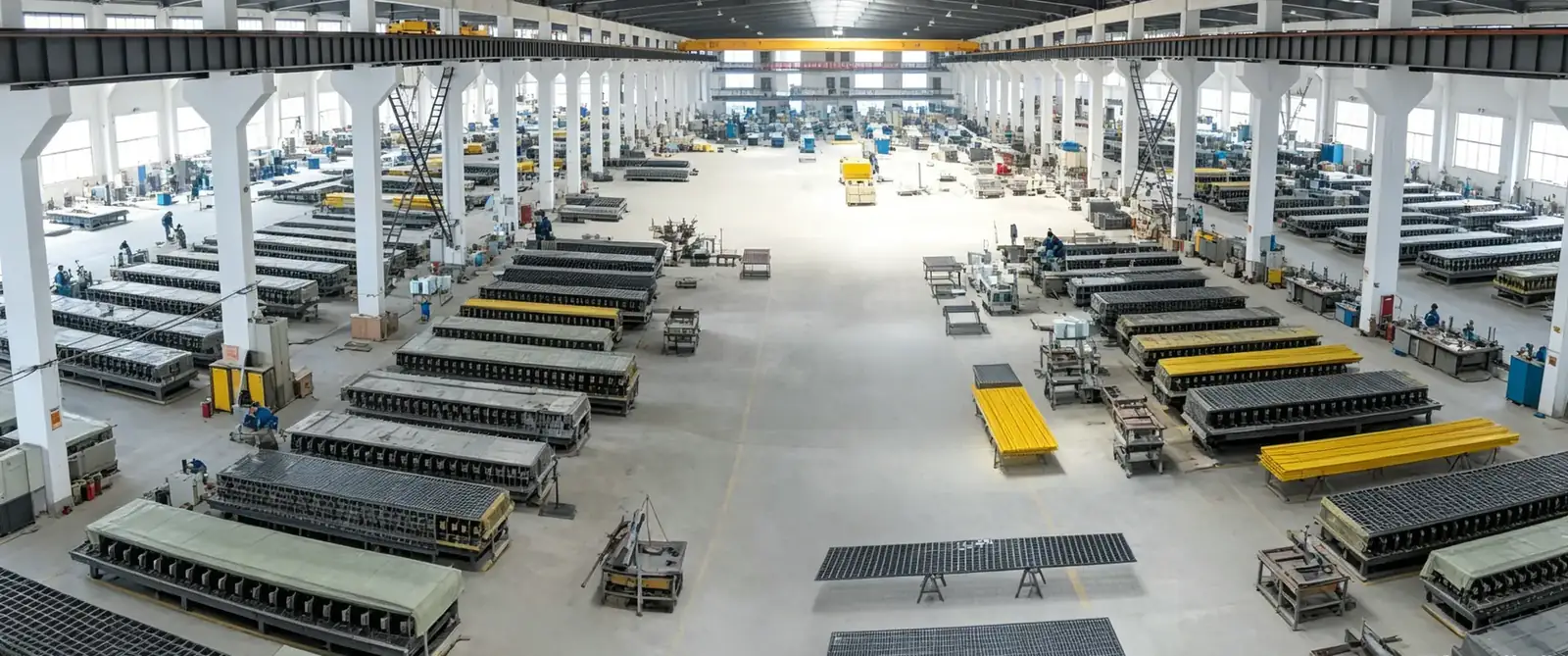
The factory behind these panels has operated since 2004, grown to 200+ employees, shipped to 45+ countries and collected 541 customer reviews averaging 4.9/5. Buying direct removes the layer of agent and distributor markup common in Venezuelan industrial supply, and our engineers assist with resin choice, span layout and load calculations at no separate charge. Standard panels leave production in 15–25 days; door-to-site delivery, sea freight plus SENIAT entry, runs 12–36 working days in total; the production minimum is 10 m². A single WhatsApp contact carries quotes, sample requests and shipment tracking for buyers around Caracas, Maracaibo, Valencia, Puerto Cabello and La Guaira.
Whether the need is a maintenance replacement for an operating unit, a mid-size EPC package for a refinery or process line, or the full deck-and-cover scope for a water project, our engineering review aligns the bill of materials to your CAD drawings. Contact us early so resin grade, panel thickness and surface finish can be matched to the Venezuelan installation conditions before quoting.
Frequently Asked Questions
Yes. Containers sail from Shanghai or Ningbo across the Pacific and through the Panama Canal to La Guaira or Puerto Cabello in roughly 35-45 days port-to-port, then move inland by truck. The invoice, packing list, bill of lading and certificate of origin are supplied for your SENIAT broker.
- Venezuela FRP Grating Supplier (this page)
- La Guaira
- Puerto Cabello
- Oil Gas