Venezuela's Energy Map: PDVSA, Maracaibo, the Orinoco Belt and Refineries
Venezuela’s energy system revolves around the national oil company PDVSA and its contractors, spread across three major blocks. The western block is the historic Lake Maracaibo basin in Zulia; the eastern block is the Orinoco heavy and extra-heavy crude belt (Faja Petrolífera del Orinoco) running through Anzoátegui, Monagas and Bolívar; the refining block gathers the Paraguaná complex (Amuay and Cardón, Falcón), El Palito in Carabobo and Puerto La Cruz in Anzoátegui, alongside natural-gas works, pipelines, compressor stations and tank farms. These sites expose walkways to sour gases such as hydrogen sulphide, hydrocarbons, heavy crude and derivatives, process acids, abrasive dust and wet-deck conditions. Ferrous steel corrodes, rusts and sheds scale here, and iron materials raise a sparking risk in classified zones.
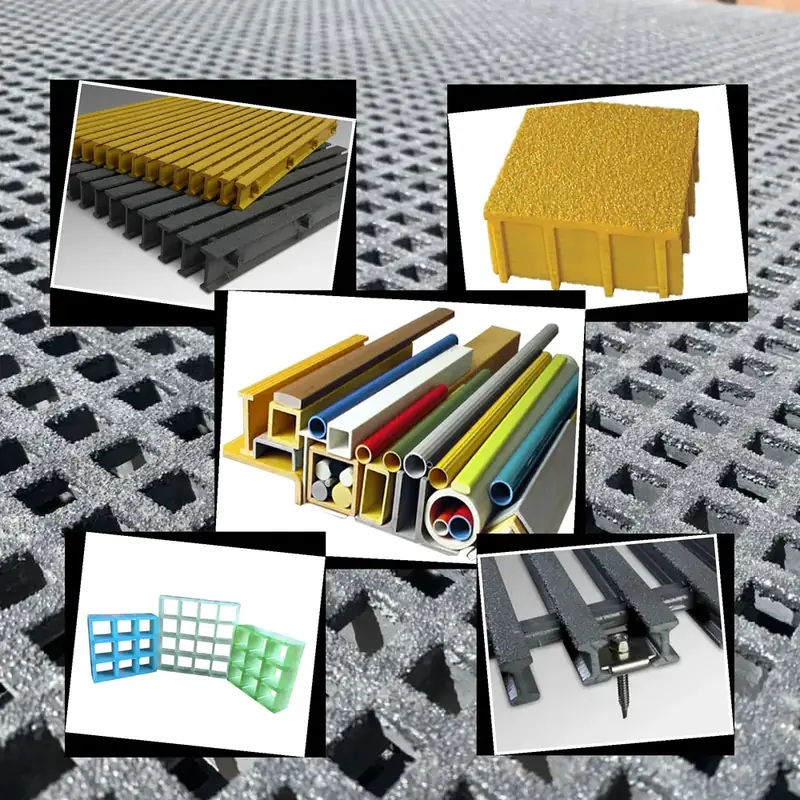
Composite FRP/GRP grating addresses that service with a non-sparking, non-conductive platform surface that does not oxidize and skips repeated repainting. NANTONG ZEALL, manufacturing since 2004, supplies Venezuelan energy operators, contractors, EPC teams and maintenance crews with molded and pultruded GRP panels, stair nosings, solid covers and clips, panel pricing from USD 15–95 per square metre.
Basin-to-Terminal Supply Chains and Project Entry at SENIAT
Field work splits between the Maracaibo basin in the west, the Orinoco belt and Puerto La Cruz area in the east, and the Falcón and Carabobo refining centers in the center, tied together by pipelines, pump stations, compressor stations and tank farms. Imported grating and spares usually reach La Guaira, Puerto Cabello or eastern coastal ports after the transpacific leg via the Panama Canal, about 35–45 days port-to-port, before trucking to basin fields, refineries and plant sites; urgent items can be air-freighted. FOB Shanghai or Ningbo terms apply, and LCL consolidation covers site maintenance packages.
Project entry goes through SENIAT via a broker licensed for the operator, EPC or trading company, under the matching HS heading. Duty and IVA are levied there — the standard Venezuelan IVA rate is 16% — and the duty figure depends on product code, origin and any trade arrangement, as the broker confirms. Commercial invoice, packing list, bill of lading and certificate of origin accompany the project entry.
Where Composite Grating Serves Venezuelan Hydrocarbon Operations
- Refineries and process units — process frames, rack bridges, access decks and stair towers facing acids, caustics and sour duty.
- Pipelines, pump and compressor stations — station decks, valve platforms and tank-battery approaches needing non-sparking surfaces.
- Production sites and tank farms — non-conductive walkways, bund edges and tank-roof access where electrical safety matters.
- Heavy-crude belt operations — decks and walkways handling heavy oil, asphaltene deposits and wet-deck exposure.
- Marine loading and storage terminals — jetties, loading decks and tank terminals exposed to salt air and hydrocarbons.
- Utility and water works — substation, pump-room and treatment decks with non-conductive, non-slip flooring.
Heavy Crude, Sour Service and Why Carbon Steel Fails Here
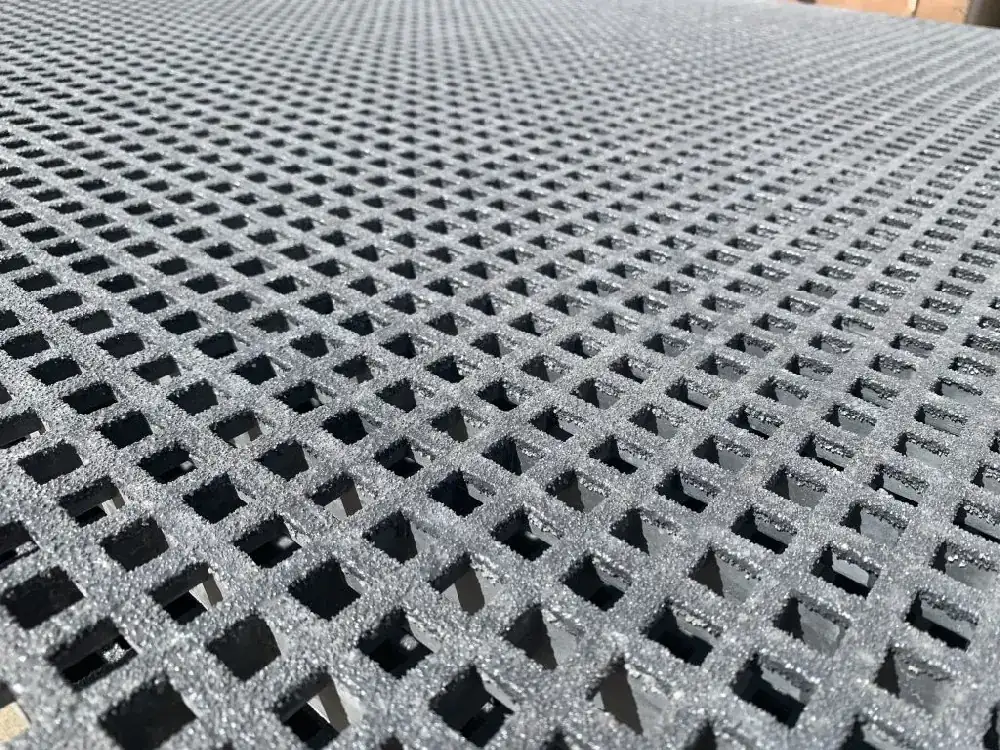
Sour oil and gas duty puts decks against hydrogen sulphide, acidic water and hydrocarbons; heavy-crude operations add viscous oils, asphaltenes, wet decks and process acids. Carbon steel pits and corrodes under this load, and stainless grades can still be attacked by chlorides and certain reagents. Vinyl-ester resin is the specified choice for heavy sour-service, acid and reagent zones; isophthalic polyester carries moderate corrosion and wet general duty; general-purpose polyester stays limited to dry, mild locations. A resin-rich veil limits chemical pickup and fibre exposure, gritted or concave profiles keep grip on wet and oily decks, and the composite neither sparks nor conducts current in classified zones.
Ignition Safety, Load Design and Audit Documentation
Energy and refining sites call for decks that lower ignition risk, remain non-slip on wet and oily surfaces and hold published capacity for personnel, tools and maintenance equipment. Production runs under an ISO 9001 quality system; panels are tested to ASTM E-84 surface burning behavior and ASTM F3059 fiberglass grating performance, backed by ABS, Intertek, SGS and CE documents. Engineers size panels from load and deflection tables for the real support spacing and live load, and resin compatibility tables match the deck to sour gas, crude derivative and chemical exposure. Where a tender cites Venezuelan COVENIN standards, consultants can map our test data across; all documents are issued without reference numbers or expiry dates.
Product Range for Refining, Belt and Terminal Sites
- Vinyl-ester molded/pultruded grating — heavy sour-service, acid and reagent zones inside refineries and process plants.
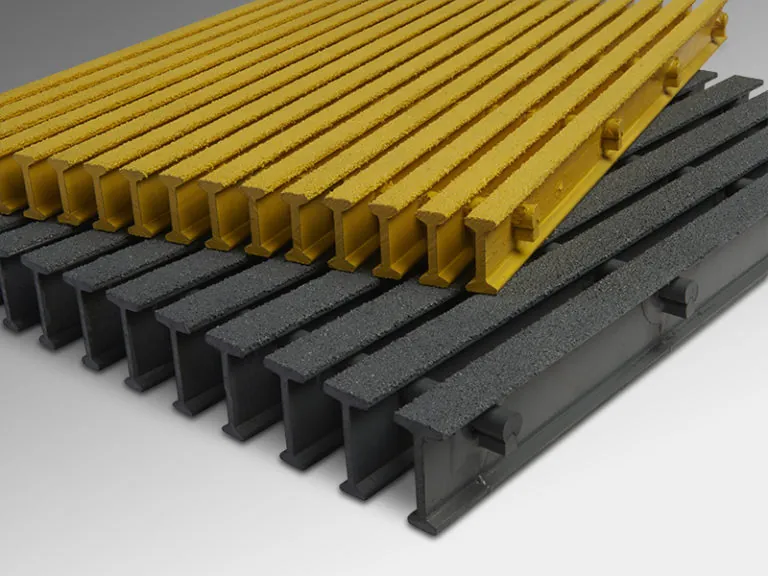
- 50 mm pultruded grating — long-span rack bridges, compressor stations and heavy energy platforms.
- 38 mm molded grating — general refinery and tank-farm walkways, gritted surface.
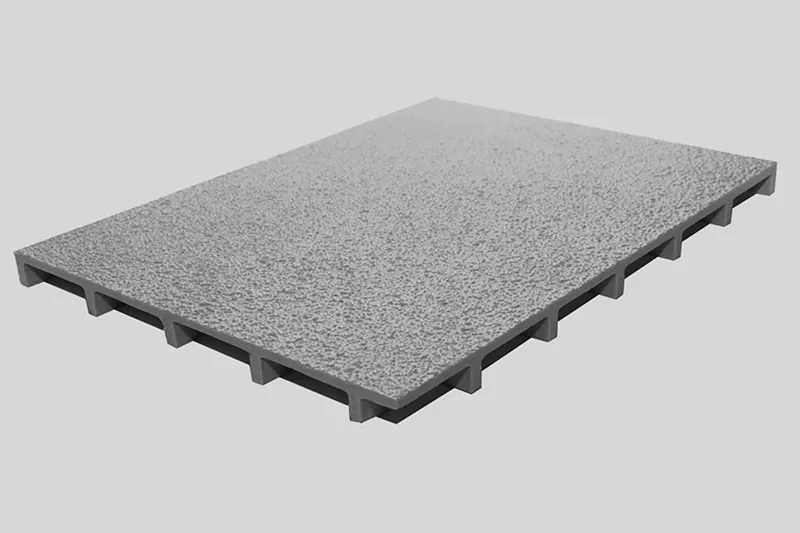
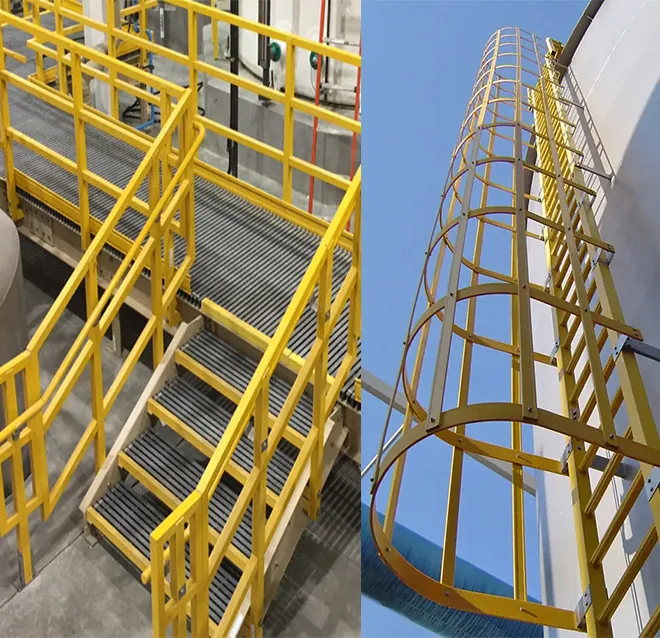
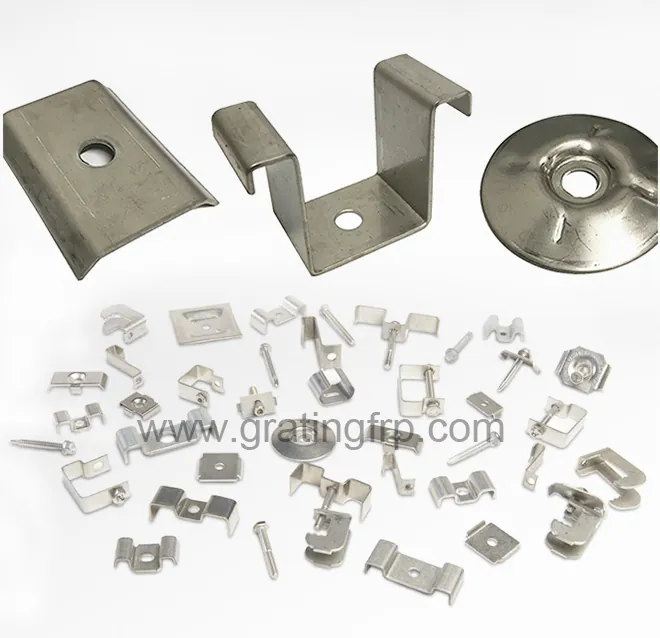
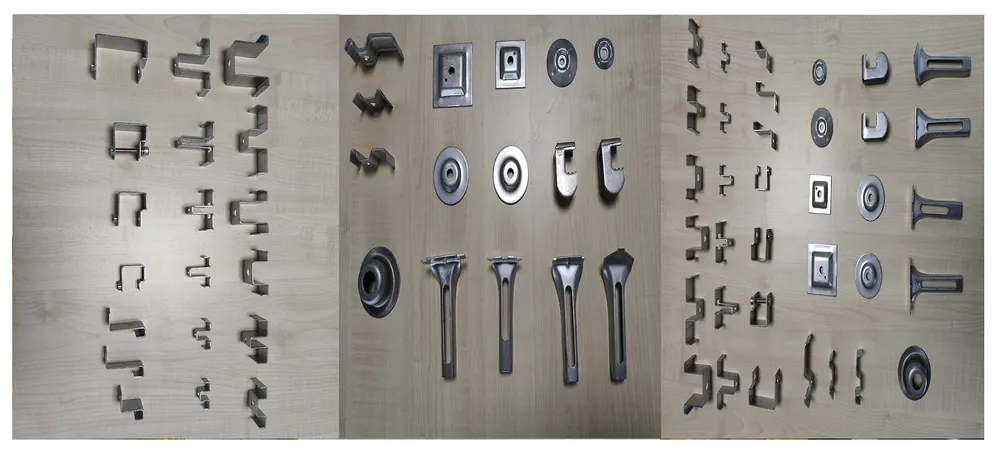
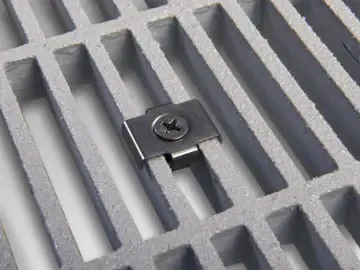
- Treads and solid covers — anti-slip tower steps and sealed trench/tank covers with M/C/L clips.
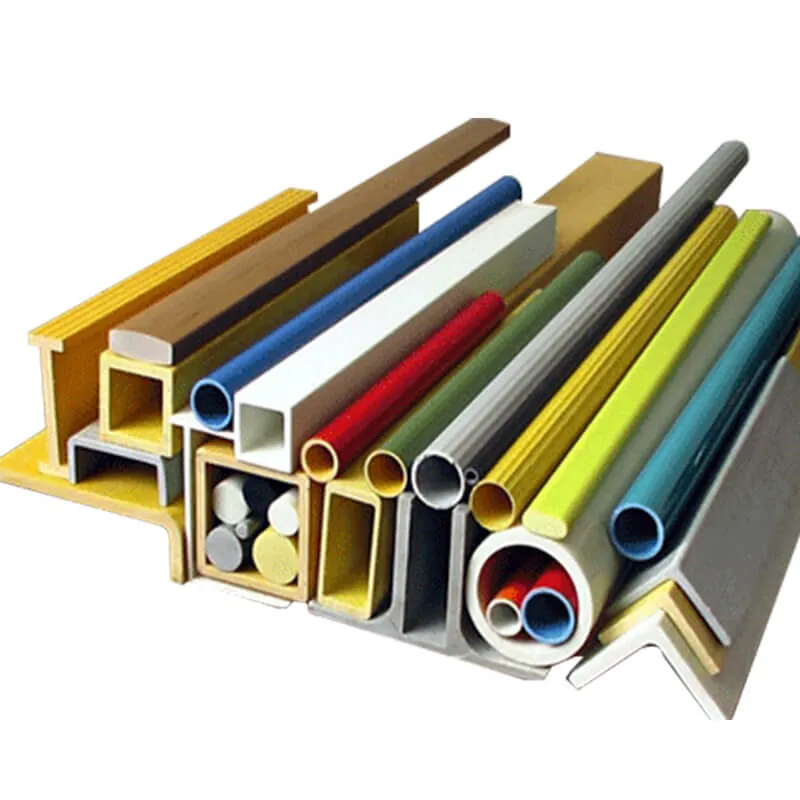
- Handrail and profile systems — non-conductive guardrails, beams and channels for elevated energy structures.
Working Directly with the Composite Manufacturer on Energy Orders
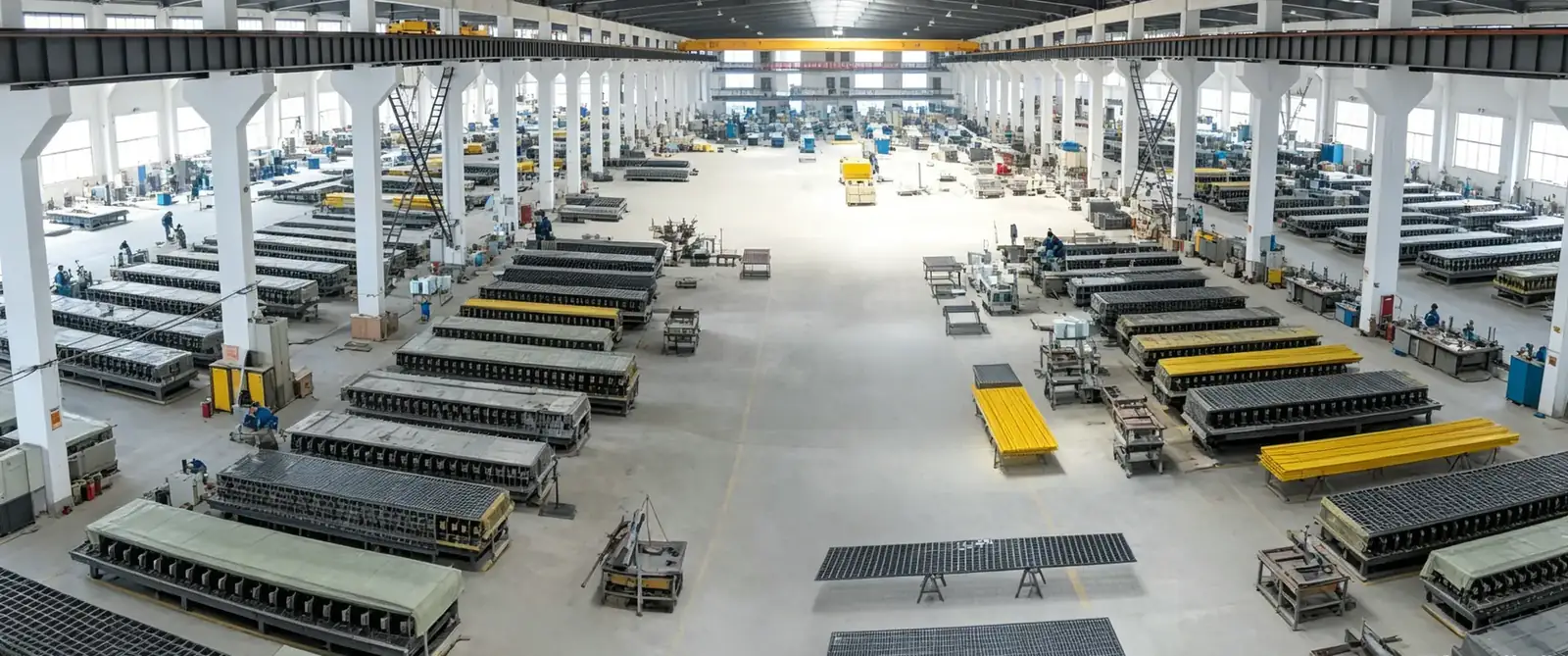
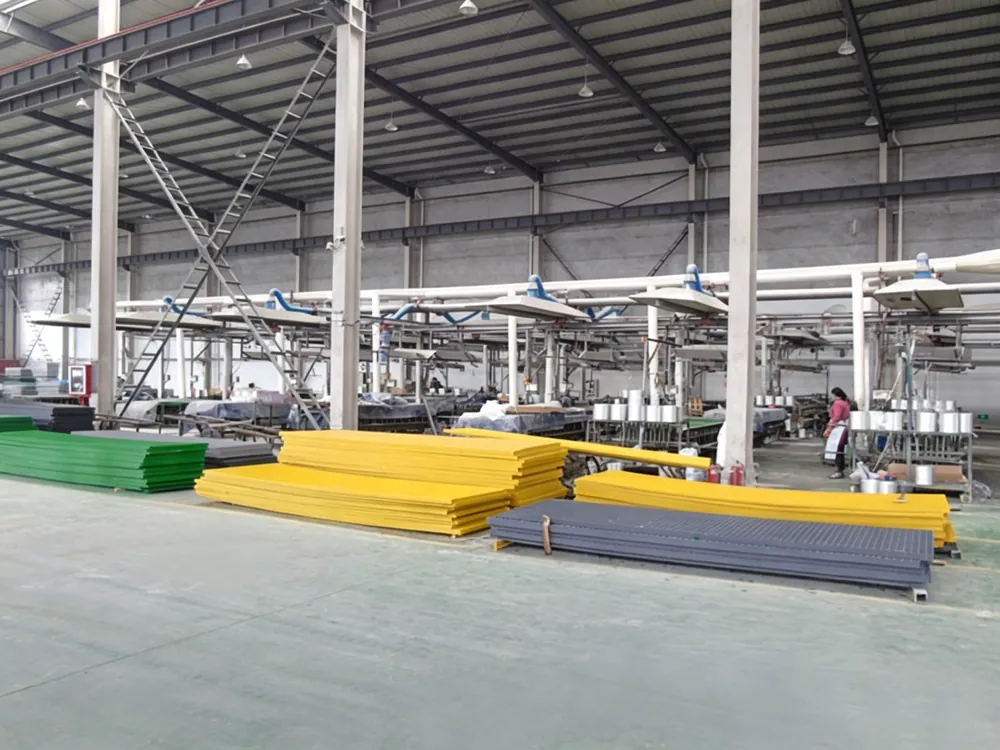
Since 2004, NANTONG ZEALL has operated with 200+ employees, shipped to 45+ countries and earned 541 reviews at 4.9/5. Direct factory supply avoids trader markup, and the engineering team supports resin selection, span and load design and panel layout without separate fees. Standard panels are produced in 15–25 days; total delivery including sea freight and SENIAT entry is 12–36 working days; the order minimum is 10 m². One WhatsApp line and the sales email coordinate quotes, samples and tracking for operators, contractors and EPC teams across Venezuela’s basins, refineries and terminals.
A refinery deck renewal, a compressor station platform or a heavy-crude plant package: resin grade, thickness, mesh and cover type are matched to sour duty, crude exposure and deck loads, and supply can be split into phases aligned to construction or maintenance shutdowns.
Frequently Asked Questions
Vinyl-ester resin grating is the preferred choice for sour-service and chemical zones; 50 mm pultruded panels carry long-span rack bridges and heavy platforms, 38 mm molded panels cover general refinery and tank-farm walkways, and FRP treads and handrails complete the access package.
- Venezuela FRP Grating Supplier
- La Guaira
- Puerto Cabello
- Oil Gas (this page)