Why Uruguay Sources FRP/GRP Grating
Uruguay is a small South American republic on the Atlantic side of the Río de la Plata basin, bounded by Argentina to the west across the Uruguay River and the River Plate estuary, and by Brazil to the north. Its industrial geography runs along several axes: the Montevideo capital and port on Montevideo Bay; the agricultural belt producing beef cattle, soybeans, corn, wheat and dairy products across the southern and western departments; the dairy and cheese plants serving the national and export market; and the large eucalyptus and pine plantations and wood-pulp mills of the interior and the Uruguay River basin. Across these zones, estuary humidity, river moisture, wash-down water, grain and meal dust, vegetable oils, fats, wood acids and effluent chemicals shorten the service life of carbon-steel walkways, pipe racks, stairs and trench covers.
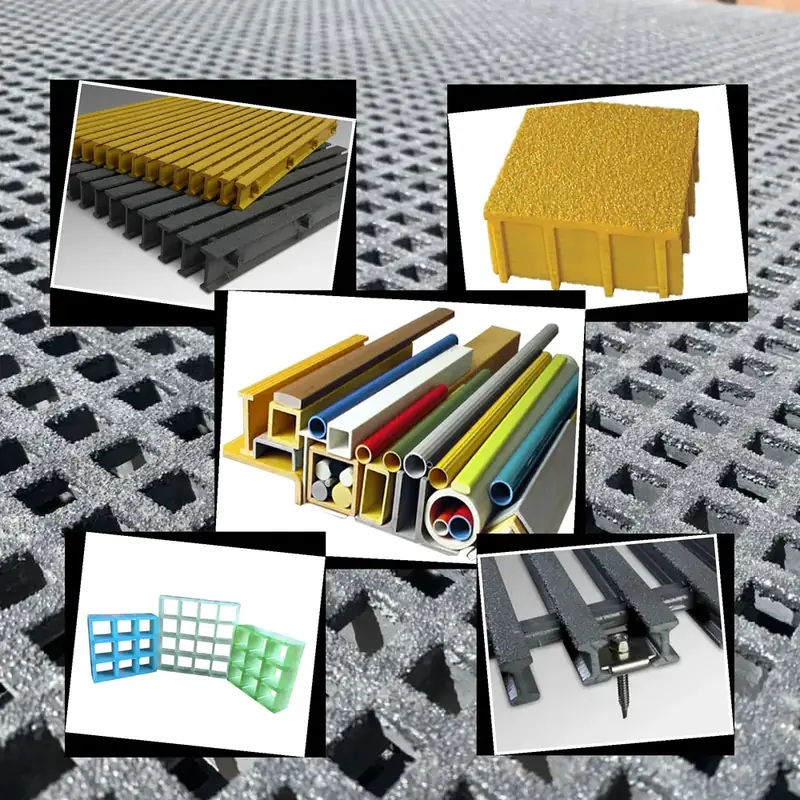
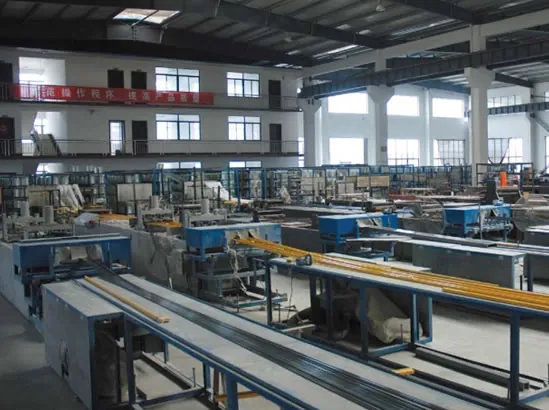
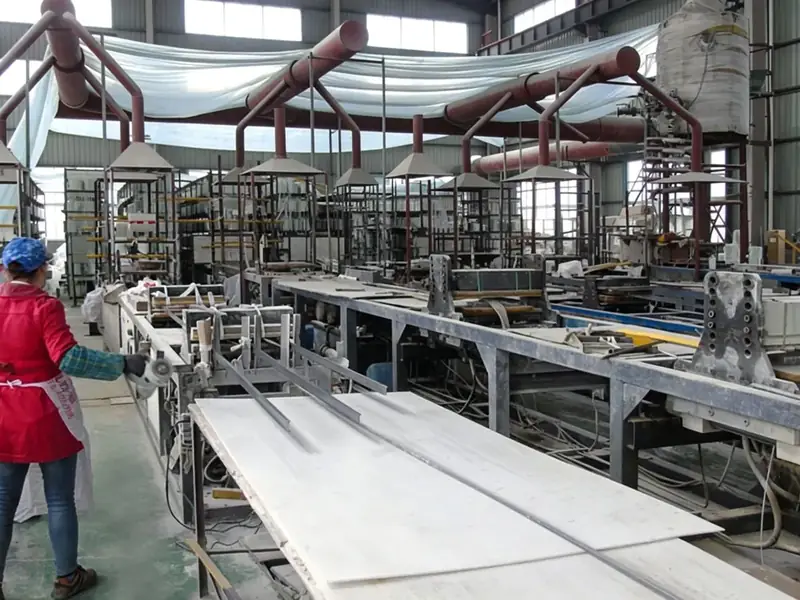
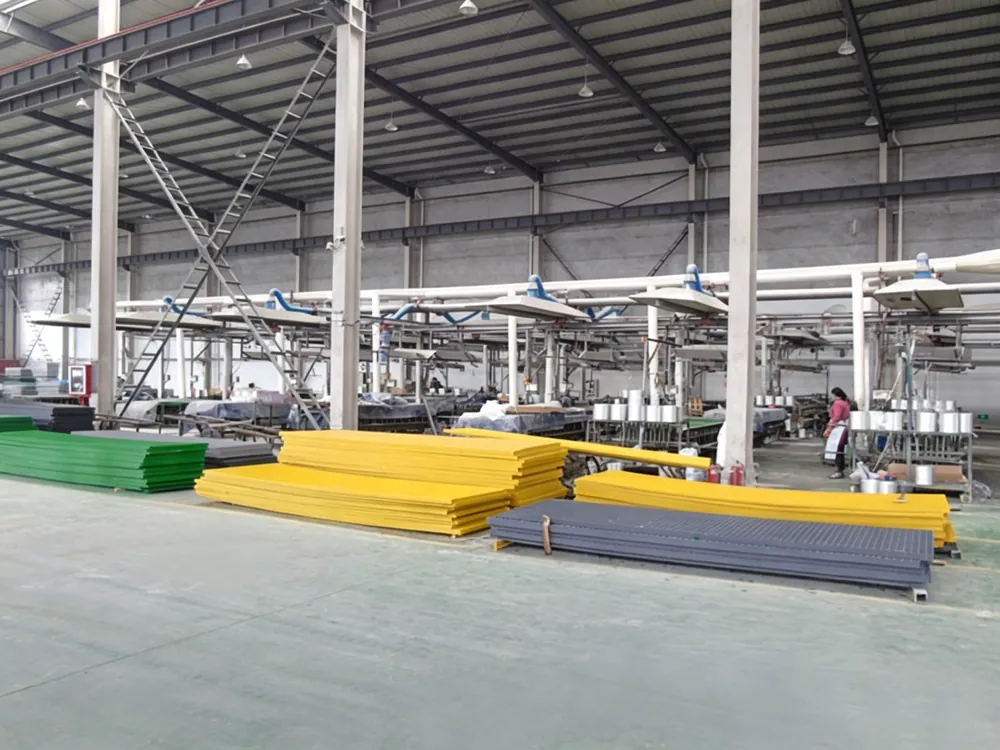
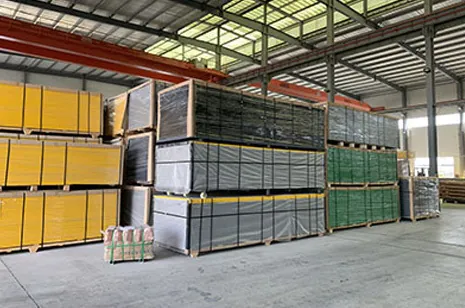
FRP (fiberglass reinforced plastic) grating — also called GRP grating — gives plant owners, EPC contractors and maintenance teams a lightweight, non-rusting, non-sparking and non-conductive walking surface. As a direct FRP grating manufacturer founded in 2004, NANTONG ZEALL supplies Uruguayan engineering firms, contractors, plant owners, dairies, meat works and pulp operators with molded and pultruded GRP panels, stair treads, solid covers and clips, with in-house engineering support and factory-direct pricing from USD 15–95 per square metre.
Shipping to Uruguay & DNA Customs Clearance
Containers from our Shanghai and Ningbo plant typically reach Uruguay on two dependable routing patterns. The all-water route sails east across the Pacific, transits the Panama Canal, enters the South Atlantic and approaches the Río de la Plata estuary to discharge at the Port of Montevideo, typically taking approximately 35–45 days port-to-port depending on canal transit, vessel schedule and any transshipment. A second option rounds Cape Horn at the southern tip of South America before entering the South Atlantic; this avoids canal locks but adds sea miles, and is chosen mainly when canal booking is tight. From Montevideo, cargo continues inland by truck or rail to Colonia del Sacramento, Canelones, San José, Paysandú, Salto, Paso de los Toros and the forestry and dairy departments. We ship FOB Shanghai or Ningbo and can consolidate LCL cargo for smaller orders, maintenance packages and spare-parts lots.
Import clearance is handled by DNA (Dirección Nacional de Aduanas, the Uruguayan national customs authority) through a licensed Uruguayan customs broker (agente aduanero). The broker lodges the entry under the appropriate HS classification, and DNA assesses import duty and value-added tax; Uruguay’s standard IVA rate is 22%, with the exact duty figure depending on the product code, country of origin and any applicable trade arrangement. We supply the commercial invoice, packing list, bill of lading and certificate of origin your broker needs, and can prepare documents in the format Uruguayan importers request. Your broker confirms the current duty and IVA treatment for the shipment.
Uruguayan Industries That Specify FRP Grating
- Beef Cattle, Meat Works & Rendering — abattoirs, meat processing and cold-storage halls, feedlots and rendering plants facing wash-down, fats, proteins and sanitation chemicals.
- Soybean, Grain & Feed Processing — crushing and storage plants, silo complexes, meal and oil terminals and feed mills facing dust, moisture, vegetable oils and mild alkalies.
- Dairy, Cheese & Beverages — milk reception, cheese and powder plants and bottling halls with wash-down floors, channel covers and drainage gratings.
- Forestry, Sawmills & Wood Pulp — pulp mills, chip yards, wood yards, conveyor galleries and treatment areas exposed to wood acids, extractives, chlorides and effluent.
- Ports, Warehousing & Logistics — Montevideo docks, container yards, free-zone warehouses, mezzanines and waterfront walkways in estuary and sea air.
- Water, Wastewater & Utilities — treatment plants, pumping stations, clarifier bridges and effluent channels facing constant moisture and corrosive gases.
Humid Temperate Climate, Estuary Air & Corrosion Context
Uruguay has a humid temperate climate: hot summers, mild to cool winters, year-round rainfall, strong ultraviolet exposure and frequent wind off the Río de la Plata and the Atlantic. The Montevideo coastal fringe adds brackish estuary humidity and salt-laden breezes, while the interior agricultural and forestry departments combine river moisture, dust and seasonal heat. In food and feed plants, fats, detergents, sanitizers and meal dust compound the wet surface load; in pulp and wood yards, wood acids, extractives, chlorides and effluent residues attack steel walkways and covers. A resin-rich surface veil and UV-stabilized polyester formulation slow chalking and fibre prominence under strong sun; gritted or concave surfaces retain traction when wet; and isophthalic or vinyl-ester resin systems resist the damp, acidic and chloride environments that cut steel service life. Because FRP does not rust, it avoids the blast-and-paint cycle that shuts down production areas in live Uruguayan plants.
Standards & Quality for Uruguayan Projects
Our gratings are produced under an ISO 9001 quality management system and tested to ASTM E-84 surface burning characteristics and ASTM F3059 fiberglass grating performance. We hold ABS, Intertek, SGS and CE supporting documentation, which EPC contractors, meat and dairy processors and pulp operators regularly request during engineering submittals. We supply load and deflection tables for the actual support spacing and live load, and publish resin compatibility tables so your process engineer can match the panel to the chemical exposure. Where a tender references Uruguayan UNIT standards, your consultant can map our test data to those requirements. All documentation is provided without reference numbers or expiry dates.
Recommended Products for Uruguayan Projects
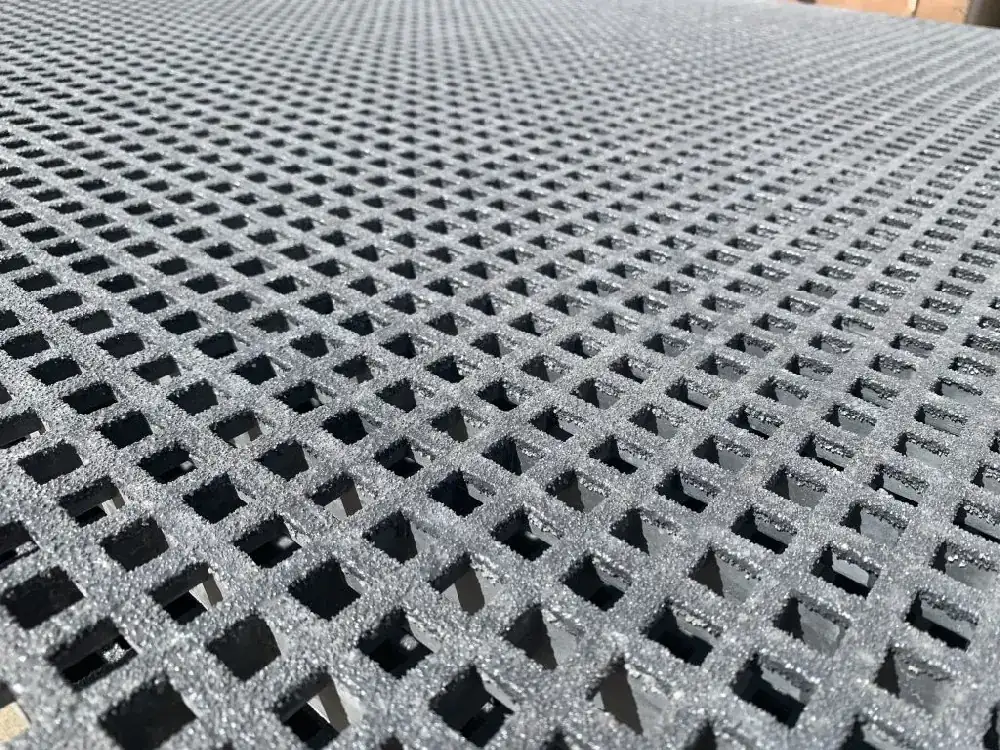
- 38 mm Molded FRP Grating — bidirectional strength for general plant walkways, gritted or concave surface.
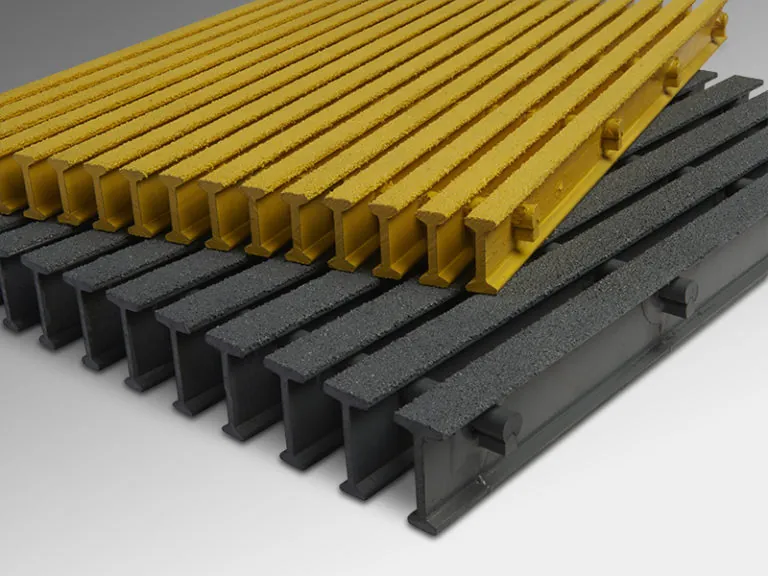
- 50 mm Pultruded FRP Grating — long-span pipe racks, terminal docks and heavy-duty industrial and mill platforms.
- Vinyl-Ester Resin Grating — upgraded corrosion for effluent, caustic, reagent, fat-extraction and pulp-mill zones.
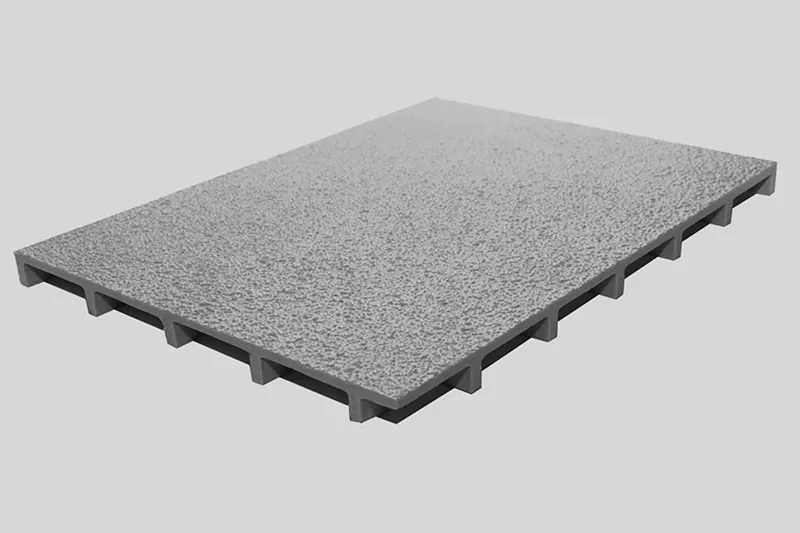
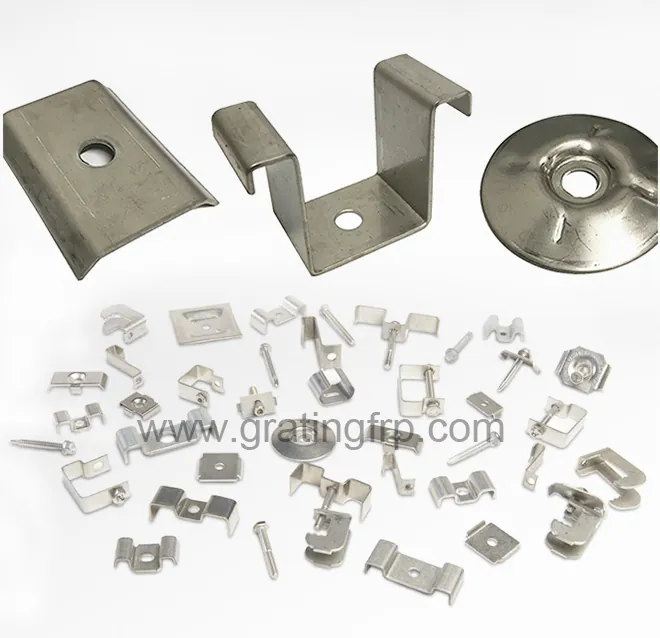
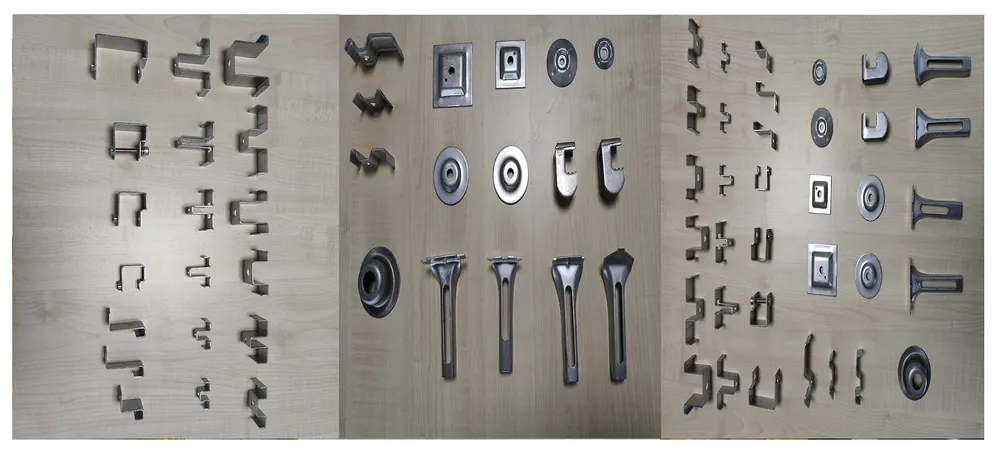
- FRP Stair Treads & Solid Covers — anti-slip treads and watertight trench and tank covers with M/C/L clips.
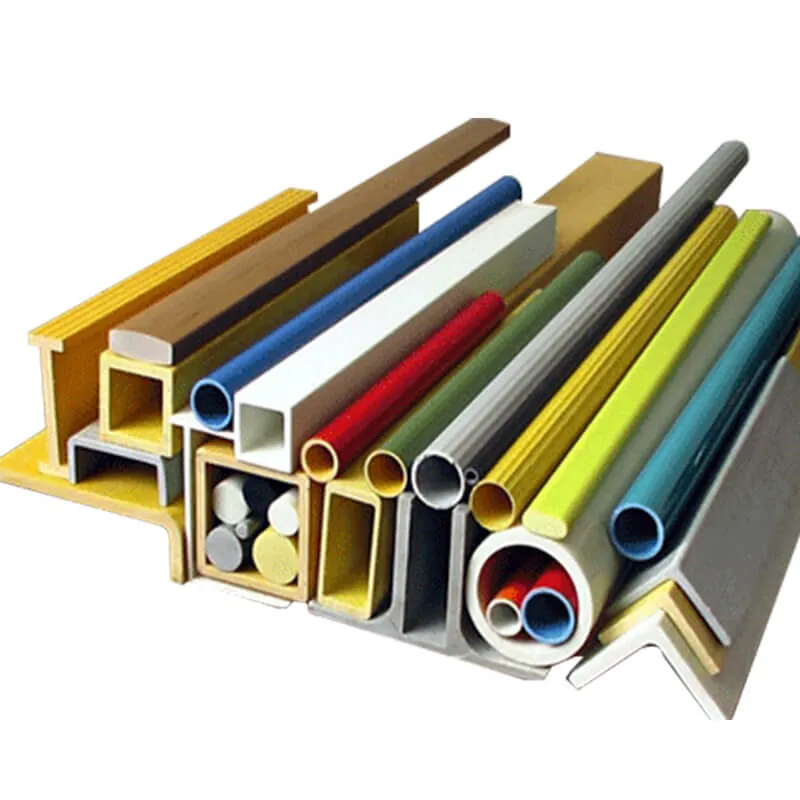
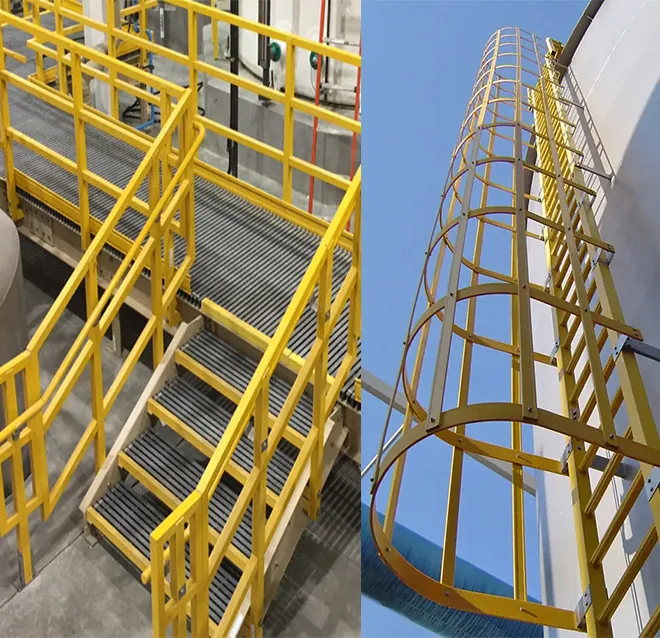
- FRP Handrail & Profile Systems — composite guardrails and structural profiles for platforms, galleries and access towers.
Why Uruguayan Buyers Source Direct from ZEALL
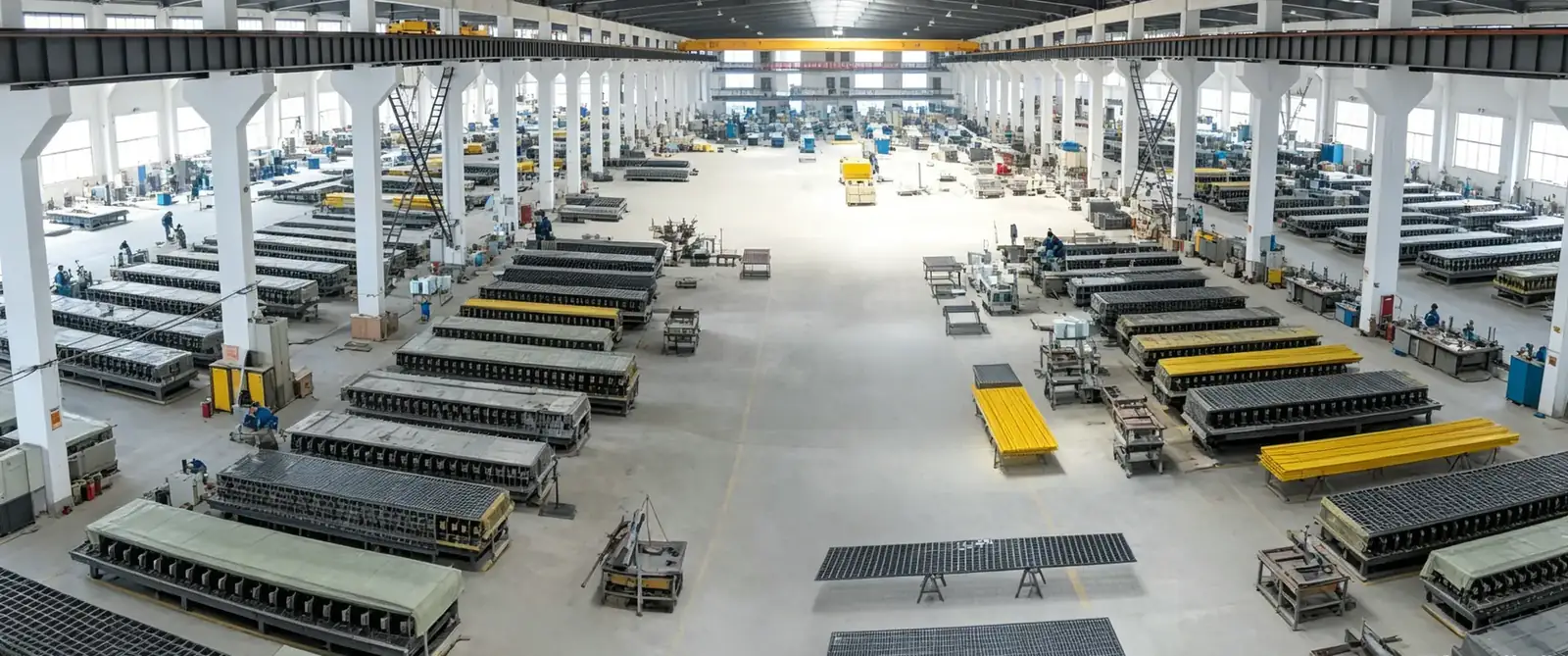
Since 2004, NANTONG ZEALL has grown to 200+ employees, shipped to 45+ countries and earned 541 customer reviews at an average 4.9/5. Factory-direct supply removes the local agent and trader margin typical of Uruguayan industrial procurement, while our in-house engineering team supports resin selection, panel layout and load calculations free of charge. Standard gratings are produced in 15–25 days, with overall delivery of 12–36 working days including sea freight and DNA clearance; the minimum order is 10 m². A single WhatsApp sales line keeps quoting, sample requests and order tracking straightforward for buyers in Montevideo, Colonia, Paysandú, Salto, Paso de los Toros and beyond.
Whether a small maintenance replacement for an existing meat or dairy plant, a medium EPC package for a feed or soy unit, or the full walkway and cover package for a pulp-mill or water project, we apply the same engineering depth and align the bill of materials to your CAD data. Contact us early in the engineering process so we can match resin grade, panel thickness and surface finish to the installation conditions in Uruguay.
Frequently Asked Questions
Yes. Containers sail from Shanghai or Ningbo across the Pacific, through the Panama Canal, to the Río de la Plata and the Port of Montevideo, typically approximately 35-45 days port-to-port; an alternative rounds Cape Horn to reach the South Atlantic. We provide the commercial invoice, packing list, bill of lading and certificate of origin your DNA broker needs.
- Uruguay FRP Grating Supplier (this page)
- Montevideo
- Food Pulp