Montevideo: Atlantic Seaport Capital on the River Plate
Montevideo sits on the north shore of the Río de la Plata, the broad estuary where the Uruguay River watershed opens toward the South Atlantic, and serves as Uruguay’s national capital and its principal maritime gateway. The sheltered bay docks of the Port of Montevideo handle most of the country’s container, general-cargo and refrigerated trade, and the city acts as a regional transshipment point for River Plate landlocked neighbours. The old Ciudad Vieja quarter climbs beside the historic harbour, while the modern port apron, container terminal and adjacent logistics belt run east through Canelones and San José: cold stores, meat and dairy packing plants, soy and pulp consolidation sheds, free-trade zone warehouses, packaging and chemical yards, water-treatment works and fabrication shops line this coastal strip. These structures face estuary mist, salt-laden bay winds, dock wash-down and whatever fumes, detergents, oils or vapours the stored product releases.
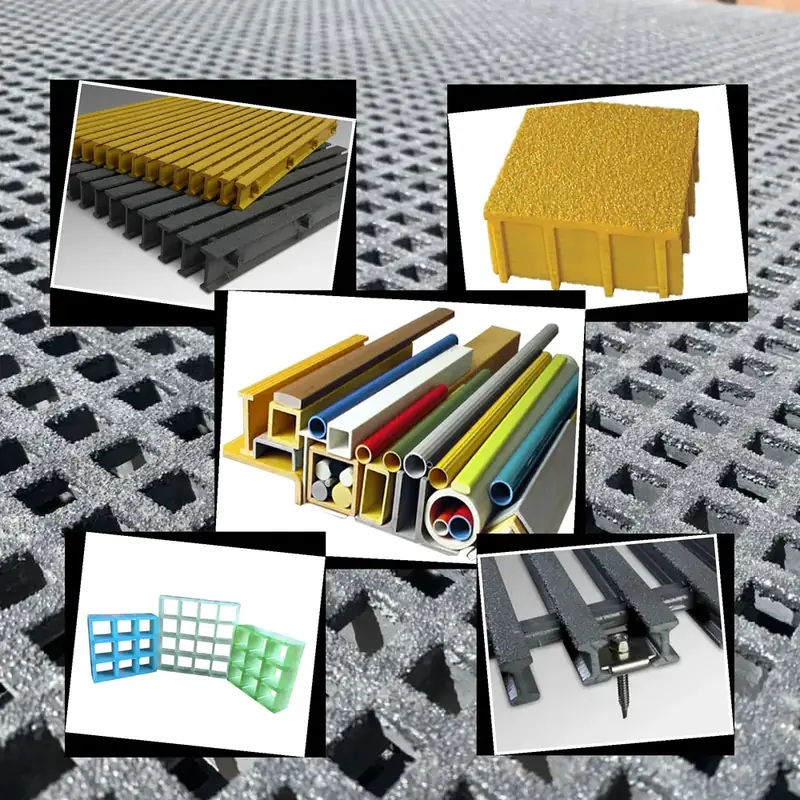
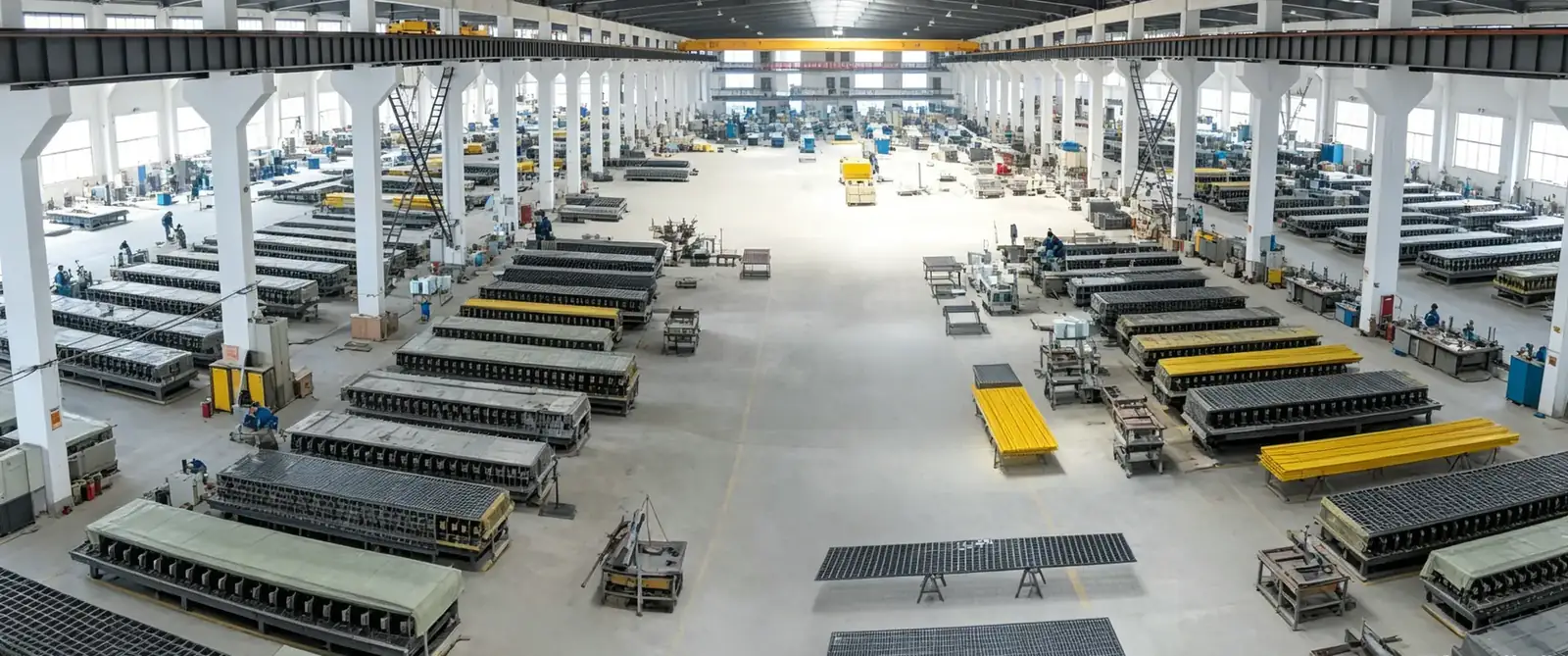
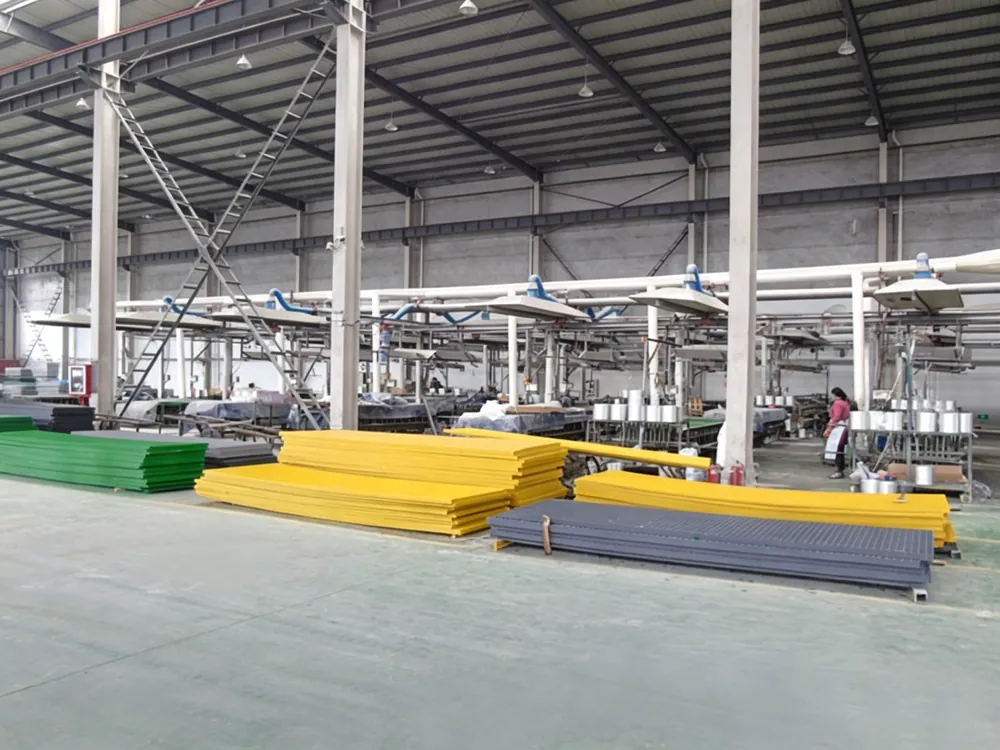
For these waterfront and warehouse operators, FRP/GRP grating supplies a light, non-sparking, non-conductive deck that does not corrode in bay air. NANTONG ZEALL, a direct fiberglass grating manufacturer since 2004, supplies Montevideo terminal operators, EPC contractors, free-zone logistics firms and plant owners with molded and pultruded panels, stair treads, solid covers and fixing clips; in-house engineering support accompanies every order, with factory-direct pricing from USD 15–95 per square metre.
Ocean Routing to the Bay: Panama Canal or Cape Horn
Uruguay is an Atlantic-facing country, so port cargo does not require an inland waterway leg. From our Shanghai or Ningbo plant, vessels cross the Pacific, pass through the Panama Canal, enter the South Atlantic and sail to the Río de la Plata mouth, berthing at Puerto de Montevideo in roughly 35–45 days port-to-port, subject to canal booking, sailing schedule and any transshipment. When canal slots are full, carriers instead round Cape Horn and run north up the Atlantic coast; the longer sea route avoids the lock queue. Once the bay docks clear, trailers and rail wagons move goods onward to the Colonia del Sacramento free zone, the Canelones and San José industrial parks, and the Paysandú, Salto and Paso de los Toros interior. We ship FOB Shanghai or Ningbo and consolidate LCL parcels for terminal, workshop and maintenance replenishment.
Port clearance runs through DNA (Dirección Nacional de Aduanas) and a licensed Montevideo agente aduanero, who files the HS declaration against the ocean documents. DNA assesses duty plus IVA at Uruguay’s standard 22%; the duty number follows the product code and origin, and your broker confirms the tariff. Goods entering the Zona Franca de Montevideo or the Colonia zone stay under a separate bonded regime. We prepare the invoice, packing list, bill of lading and certificate of origin in the format Montevideo importers and logistics tenders require.
Greater Montevideo Sectors Specifying Composite Grating
- Bay Docks & Container Handling — sheltered-berth aprons, container stacks, RoRo and break-bulk areas exposed to estuary salt spray and rain wash-down.
- Free-Trade Zones & Bonded Storage — Zona Franca de Montevideo and Colonia warehouse galleries, mezzanines, rack aisles and transfer decks under bonded-warehouse conditions.
- Export Packing & Cold Logistics — meat, dairy, soy and pulp consolidation sheds, cold-store docks and packaging halls on the bay front.
- Chemical, Solvent & Packaging Yards — tank access, pipe racks and process walkways facing mild acids, detergents, solvents and vapours.
- Water & Effluent Works — treatment basins, pumping stations and outfall structures standing in constant bay dampness.
- Fabrication & Repair Shops — assembly platforms, maintenance bays and access stairs facing oil, metal abrasion and workshop humidity.
River Plate Breezes, Pampero Wind and Bay-Corrosion Performance
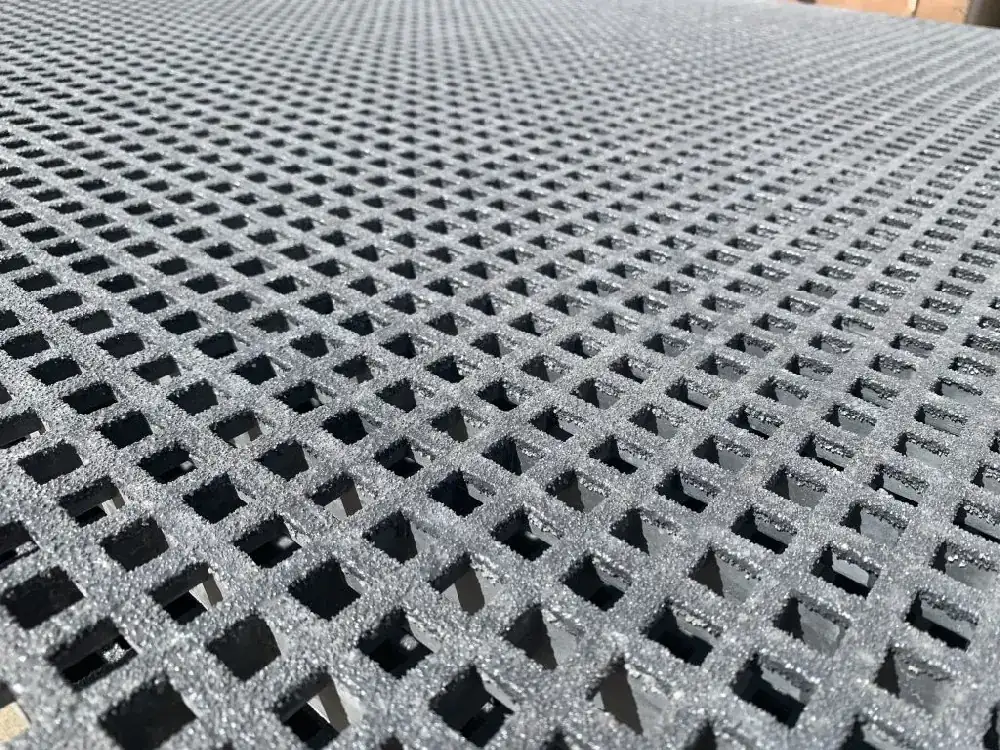
Montevideo’s coastal climate mixes hot summers, mild winters, even rainfall and strong ultraviolet, with the pampero wind sweeping the estuary and bay air over the docks and warehouses. Dock and apron wash-down, spilled oils and mild detergents raise the damp load on bayfront decks; tank and solvent yards add vapours and chlorides. A resin-rich surface veil with UV-stabilized polyester slows chalk and fibre bloom under the Plate sun; gritted or concave profiles keep foothold when wet; isophthalic polyester or vinyl-ester systems hold up to the damp, chloride-laden bay atmosphere that makes steel gratings rust and flake. The composite needs no grit-blast and repaint cycle that would close a live terminal or free-zone aisle.
Bay Dock, Free-Zone Mezzanine and Deck Design Requirements
Bay-front decks carry walkers, hand trucks, pallet jacks and occasional maintenance gear over wet, sometimes oily surfaces, so slip resistance and resistance to estuary salt air rank alongside span capacity. Panel selection comes from load and deflection tables matched to the actual support spacing and imposed load; gritted or concave finishes supply wet grip, while solid covers shield channels, conduits and cable trenches on aprons and mezzanines. Non-conductive treads and rails support electrical safety around dock lighting, pumps and substations. We give resin guidance for brackish bay water, detergents and stored chemicals, and size mesh, thickness and panel cuts to the specific dock, free-zone gallery or platform and its traffic.
Recommended Products for Montevideo Projects
- 38 mm Molded FRP Grating — general bay-dock and free-zone aisle decks, gritted or concave finish.
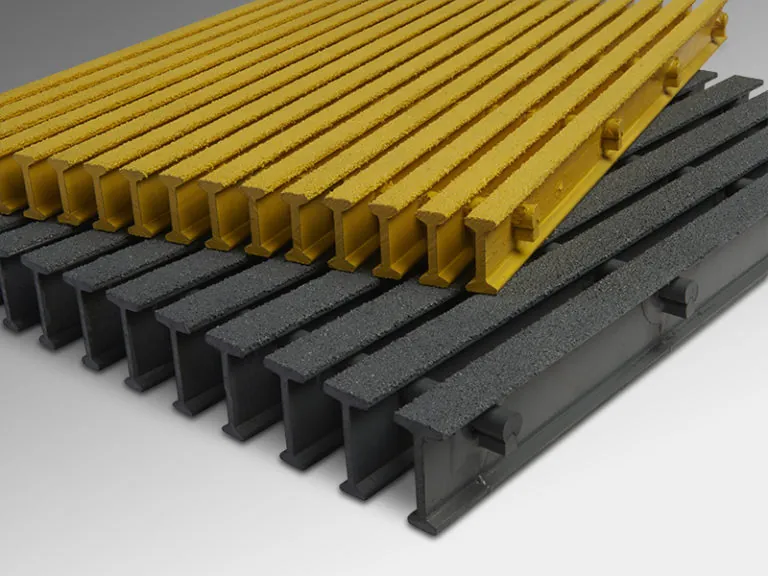
- 50 mm Pultruded FRP Grating — long-span apron decks, mezzanine galleries and heavy yard structures.
- Vinyl-Ester Resin Grating — brackish-water and chemical-storage bays exposed to acids and chlorides.
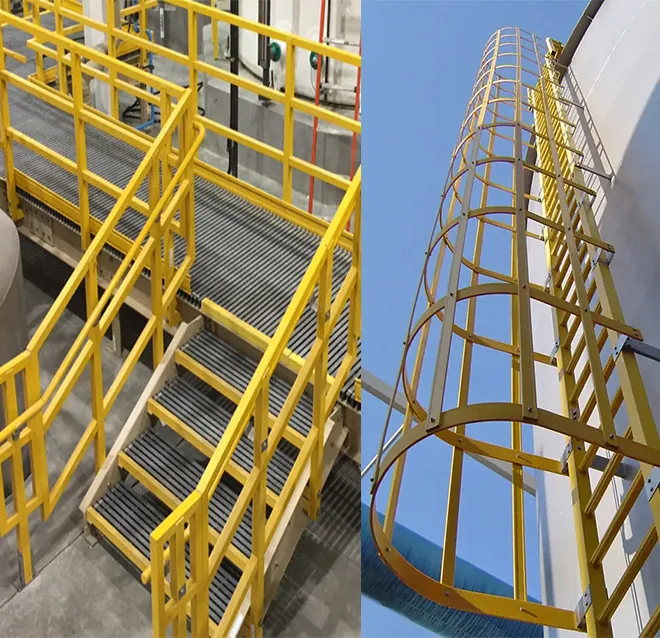
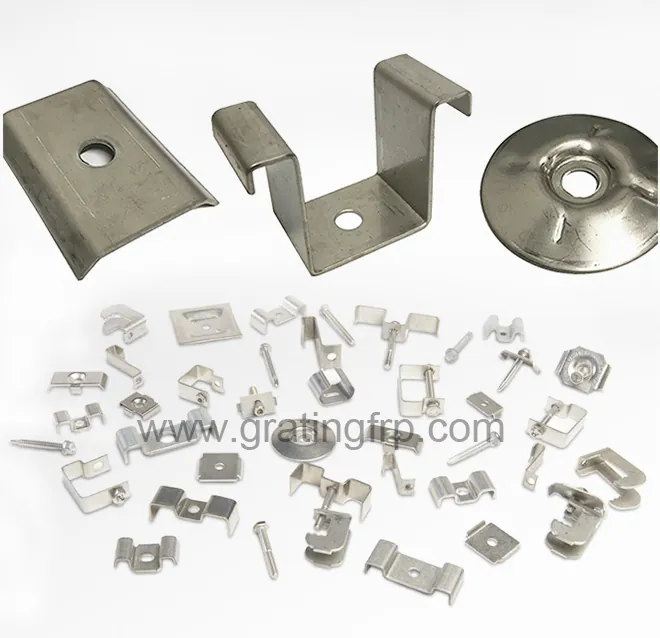
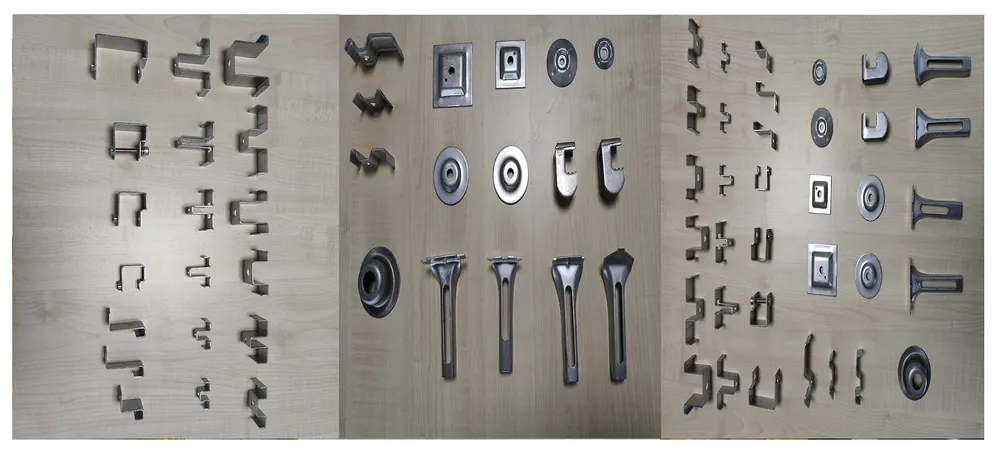
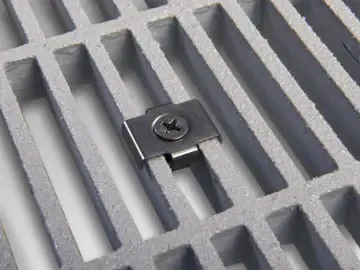
- FRP Stair Treads & Trench Covers — nosing treads and watertight channel covers fastened with M/C/L clips.
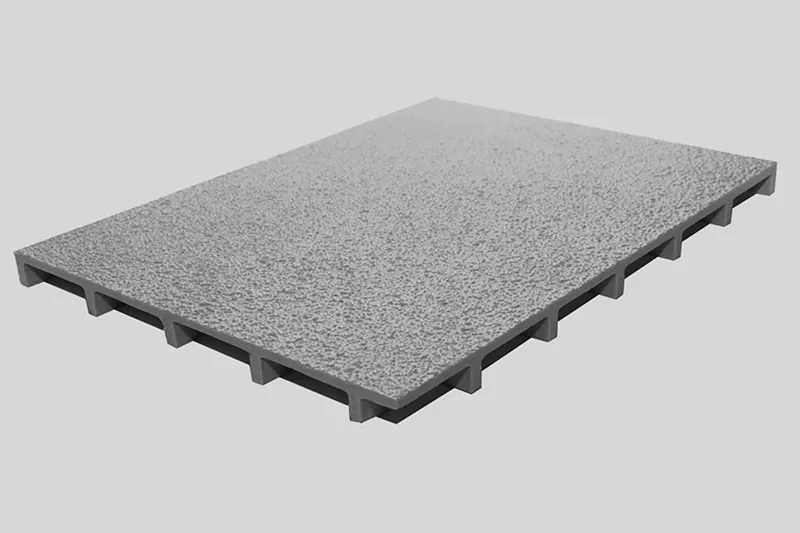
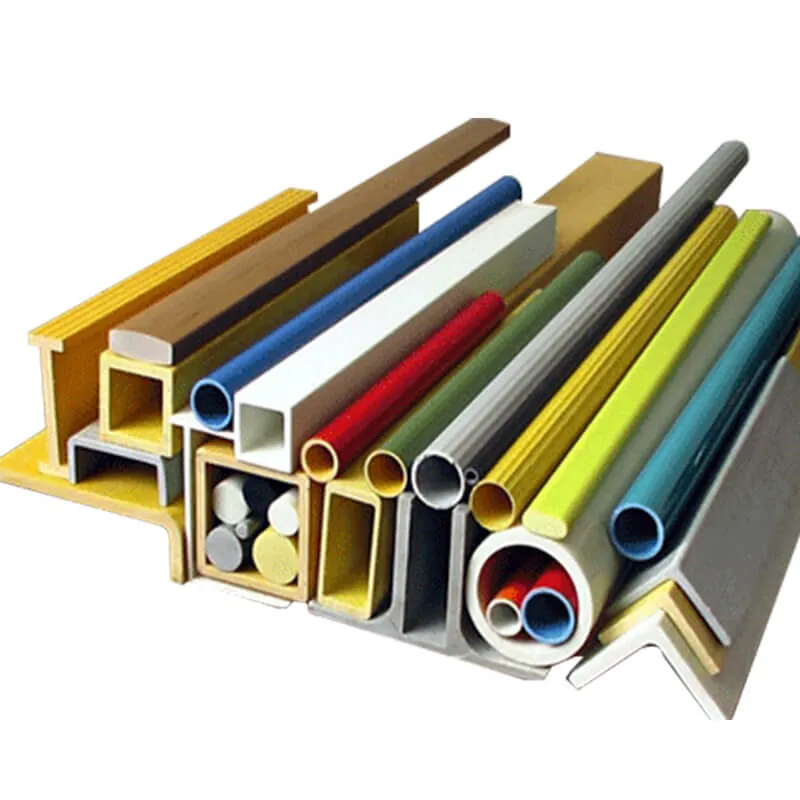
- Solid Covers & Composite Profiles — tank and trench covers plus handrails for docks, galleries and platforms.
Why Montevideo Buyers Deal Directly with ZEALL
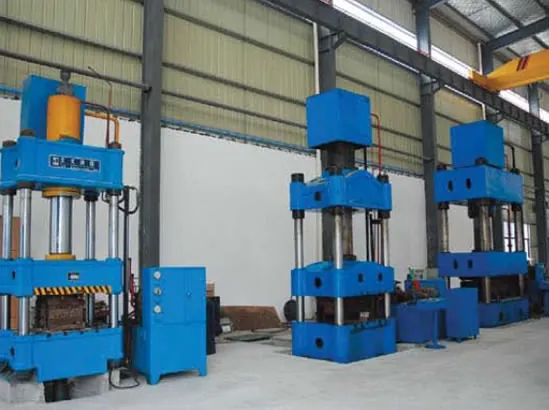
ZEALL has operated since 2004, grown to 200+ employees, shipped to 45+ countries and collected 541 customer reviews at an average 4.9/5. Buying factory-direct cuts the importer and trader layers usual in Uruguayan distribution; our internal engineering group assists resin choice, panel layout and span calculations without charge. Standard panels take 15–25 days to produce, and total delivery runs 12–36 working days once ocean transit and DNA seaport clearance are counted; the minimum order is 10 m². A single WhatsApp channel keeps quoting, sample requests and tracking clear for Montevideo, the free zones and Greater Montevideo.
Whether the job is an apron replacement in the harbour, a free-zone mezzanine renewal, or a storage-yard walkway package, we size panel mesh, thickness and finish to the site’s loading and bay exposure, and lock the cut list to your dimensions before production.
Frequently Asked Questions
Yes. Container or LCL freight crosses to the South Atlantic via the Panama Canal, reaching the bay in roughly 35-45 days port-to-port, or rounds Cape Horn when canal capacity is constrained. We hand over the invoice, packing list, bill of lading and certificate of origin your DNA agente aduanero requires.
- Uruguay FRP Grating Supplier
- Montevideo (this page)
- Food Pulp