FRP/GRP Grating in Ecuador: A Pacific–Andean–Amazon Crossroads for Industry
Ecuador sits at a tight Pacific–Andean–Amazon crossroads: a narrow coastal plain along the Guayas estuary and Guayaquil Gulf, the Quito highland plateau near 2,850 meters in the Andes, and the humid Oriente rainforest basin east of the cordillera. Its economy is dollarized, with the US dollar as official currency, and its industrial demand for non-metallic walkway surfaces spreads across three quite different operating environments: crude oil production in the Oriente upstream fields, refining around the Esmeraldas coastal complex, copper and gold workings in the Andean highlands, container and bulk handling at the Guayaquil Pacific gateway, and shrimp, banana, coffee and cocoa processing alongside food, water and chemical plants. In each setting steel decks and stair structures corrode back under estuary mist, rainforest moisture, mining reagents and sour oil exposure, then carry repeated painting and replacement work. The FRP/GRP grating we supply (fiberglass-reinforced plastic, also sold as GRP or fiberglass grating) is a lightweight, non-sparking and electrically non-conductive access surface that does not rust in these conditions.
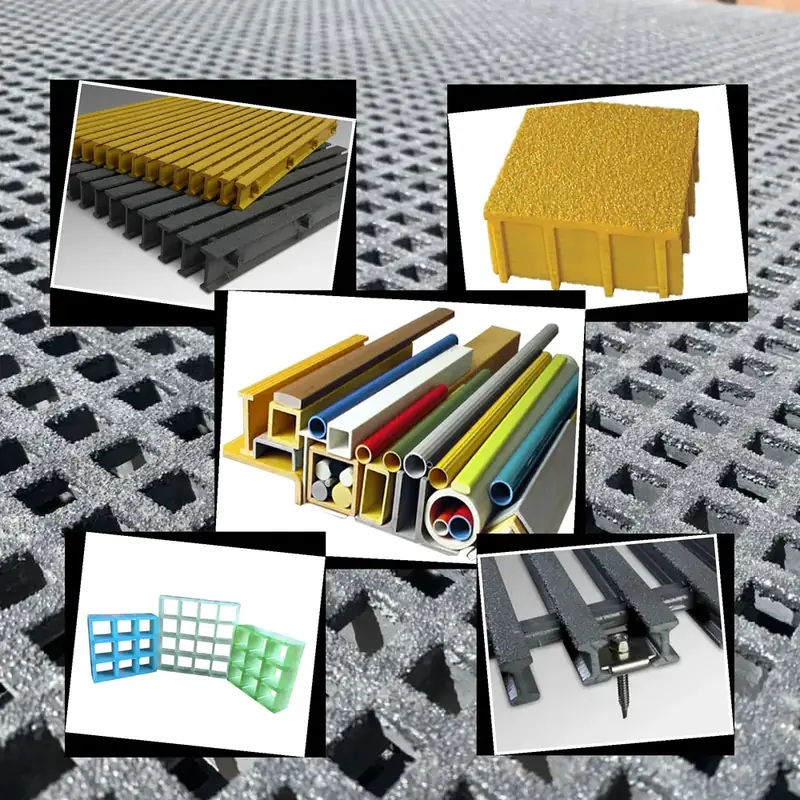
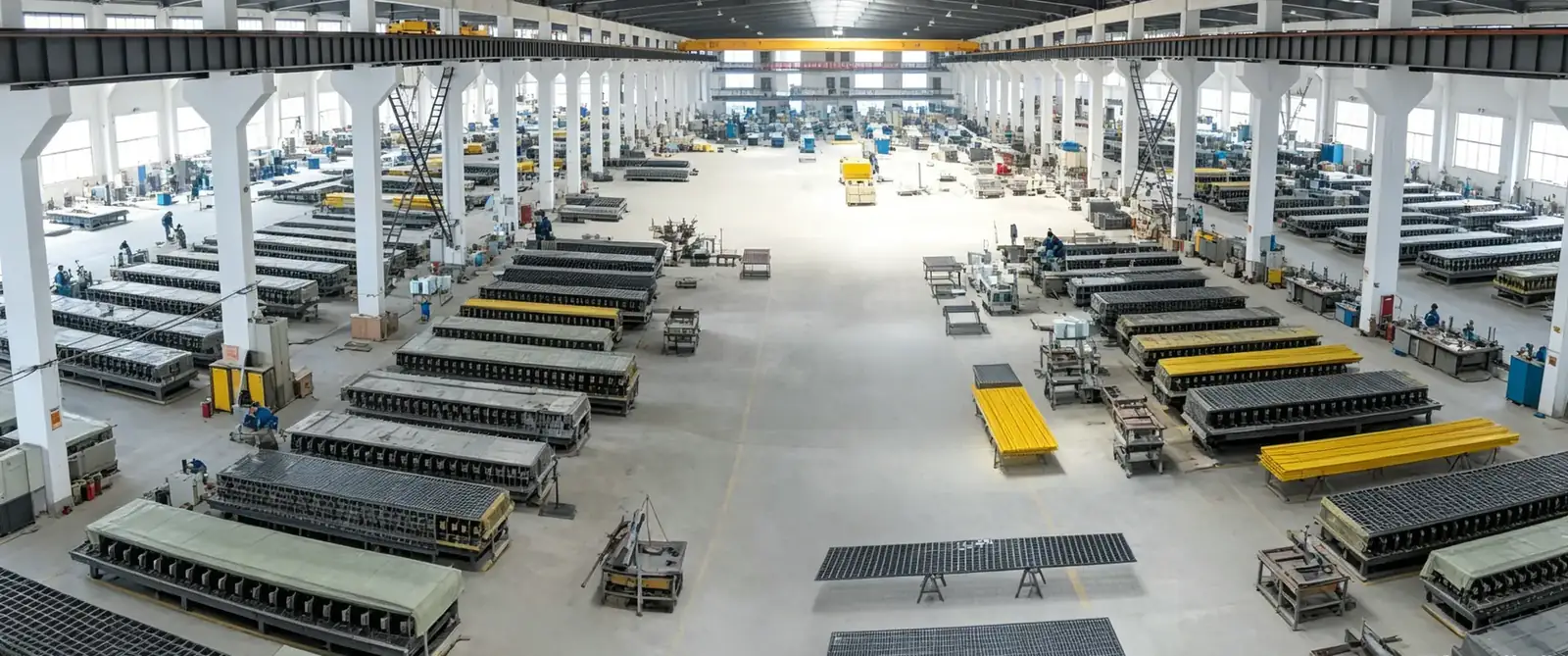
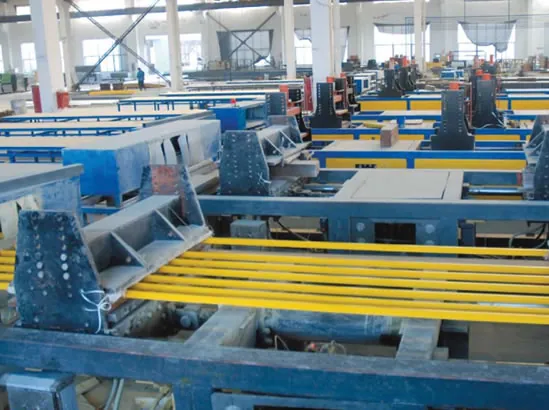
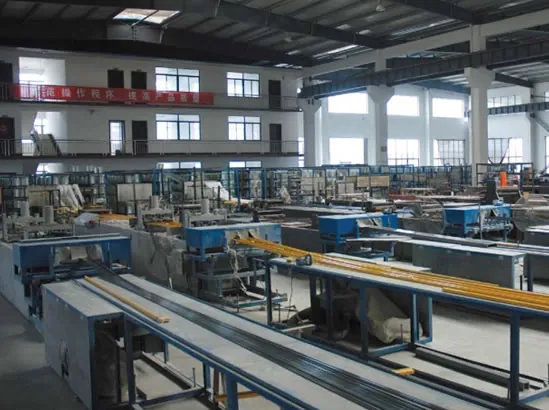
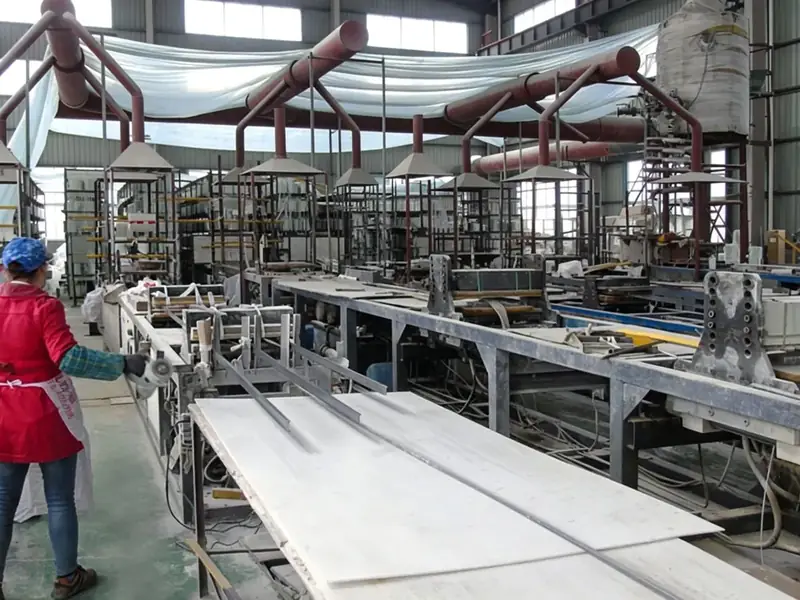
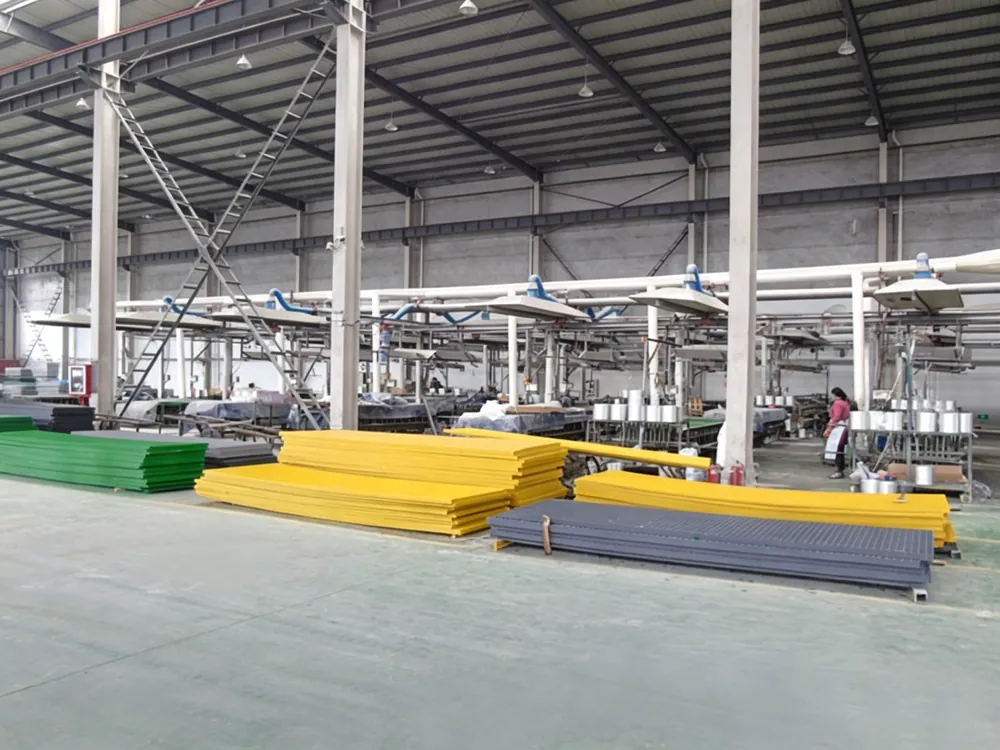
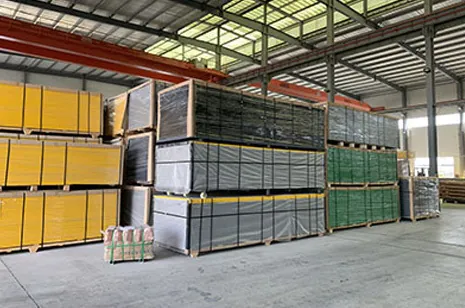
NANTONG ZEALL manufactures composite grating in our own Nantong works and ships to Ecuadorian owners, EPC contractors, fabricators and resellers: molded and pultruded panels, stair treads, solid trench and tank covers and M/C/L clips, with engineering work done in-house and factory-direct quotes in USD from roughly 15 to 95 per square meter. Because Ecuador already settles trade in dollars, buyers compare our USD figures directly against local and imported alternatives without a currency conversion step.
Routing Ocean Freight to Guayaquil and the Inland Corridor to the Highlands and Oriente
Our Nantong workshop feeds Ecuadorian orders through Pacific all-water routing. Containers leave Shanghai or Ningbo and sail to Guayaquil, the country’s principal Pacific port on the Gulf of Guayaquil; on a conservative estimate the transpacific leg runs about 30 to 40 days port-to-port, subject to carrier rotation, transshipment and vessel connections. From Guayaquil the cargo climbs the Andean road corridor toward Quito and the highland provinces, or runs east toward the Oriente oil fields and Andean mining districts; this overland leg and its handling add time beyond the ocean crossing, so it should be built into the project schedule.
Entry clearance goes through SENAE (Servicio Nacional de Aduana del Ecuador) under the matching tariff heading, supported by commercial invoice and packing list. Import duties sit alongside a 12% value-added tax (IVA); your customs broker confirms the current duty rate, applicable trade treatment and any product-specific paperwork before dispatch.
Ecuadorian Sectors That Specify Composite Grating
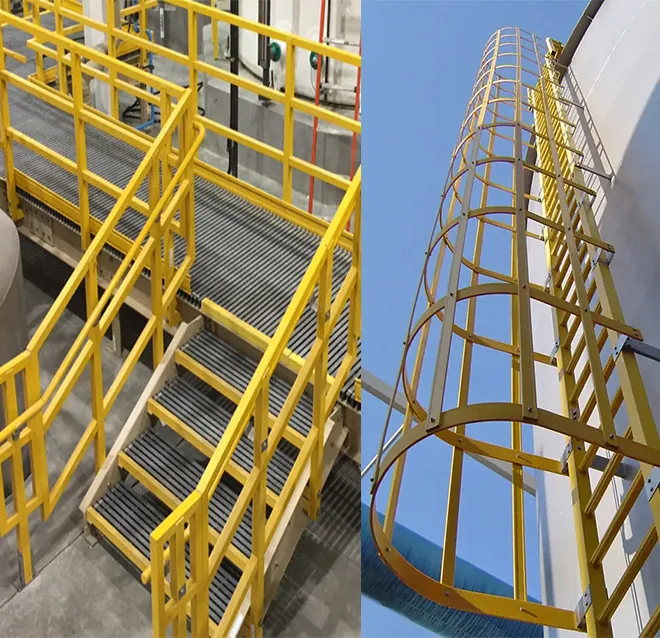
- Upstream Oil & Gas (Oriente) — production pads, compressor stations, tank-battery decks and pipe-rack walkways where sparking and conductivity must be avoided.
- Refining & Storage (Esmeraldas Coast) — process frames, tank-farm decks and sour-service platforms against acids, caustics and hydrogen sulfide.
- Andean Copper & Gold Mining — access platforms, reagent-area decks and walkways exposed to leach chemistry, abrasive dust and highland ultraviolet.
- Guayaquil Gulf Port & Logistics — dock aprons, yard access, shipyard and maintenance structures facing salt spray and wash-down.
- Agro-Processing & Food — shrimp, banana, coffee and cocoa plants with wash-down floors, processing catwalks and trench covers for hygienic production.
- Water, Wastewater & Chemical Works — treatment walkways, tank decks, pump stations and chemical structures in constant moisture and corrosive gas.
Standards, Testing and Engineering Support for Ecuadorian Projects
Ecuadorian industrial walkways follow local building and safety practice on site; our panels are nevertheless tested to ASTM E-84 for surface burning behavior and ASTM F3059 for fiberglass grating, and manufactured under an ISO 9001 quality system. Each panel is sized from published load and deflection tables against the real support spacing, barrier layout and load case; the project engineer interprets local structural and safety regulations.
Only certifications held by the company are listed — ISO 9001, ASTM E-84, ASTM F3059, ABS, Intertek, SGS and CE — with no certificate reference numbers or expiry dates, and no marks the company does not hold are claimed.
Composite Grating Range Recommended for Ecuadorian Conditions
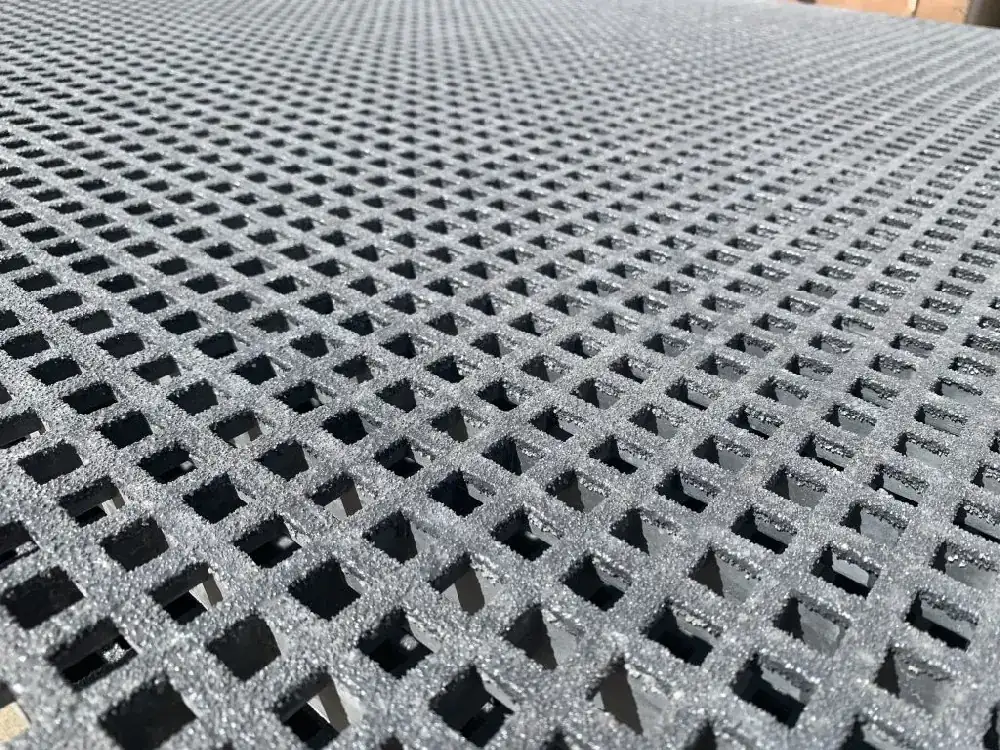
- 38 mm Molded FRP/GRP Grating — two-way strength for general plant walkways, grit-top or concave finish.
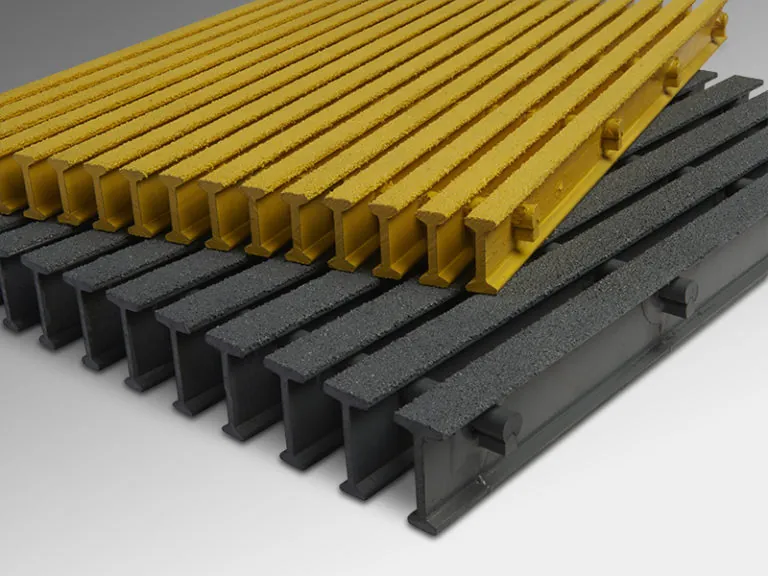
- 50 mm Pultruded FRP/GRP Grating — high one-way capacity for long spans and heavy-duty raised platforms.
- Vinyl-Ester Resin Grating — upgraded chemical resistance for sour service, reagent zones and heavy corrosion.
- FRP Stair Treads — anti-slip treads with integrated nosing for process frames and stair towers.
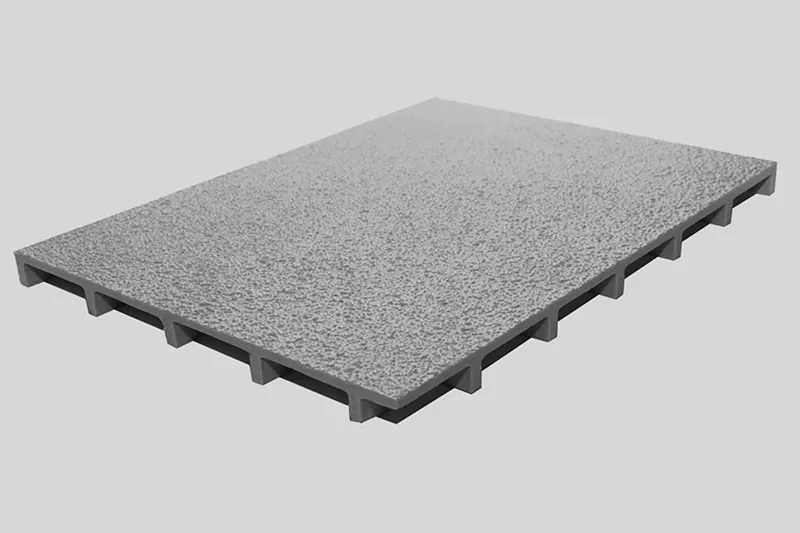
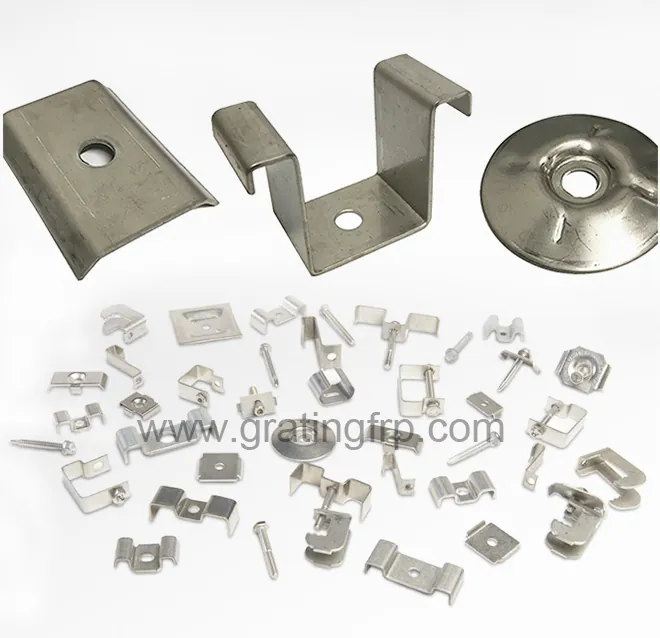
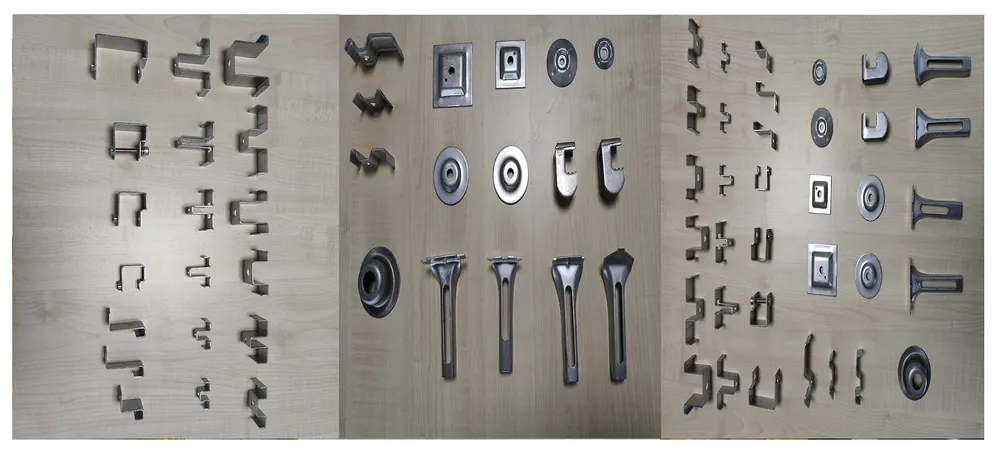
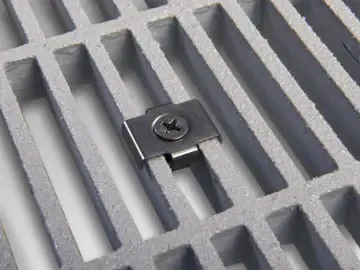
- FRP Covers & Clips — solid trench and tank covers with M, C and L fasteners.
Coastal Brackish Air, Highland UV and Rainforest Moisture in One Supply Area
Ecuador’s three operating zones each impose a different load on a composite panel. Around Guayaquil the estuary and Gulf carry brackish air and salt-laden breeze through a hot, humid lowland; the Quito plateau near 2,850 meters brings thinner air, strong ultraviolet, cool nights and dry-season sun; the Oriente basin stays hot and wet with constant moisture and process water. A resin-rich surface veil and UV-stabilized resin slow chalking and fibre exposure under strong sun, while gritted or concave finishes keep grip on wet treads and after wash-down or heavy rain. Isophthalic polyester or vinyl-ester systems handle mining reagents, brine and sour exposure that cut steel service life short, and the composite does not rust on coastal salt or effluent contact. Its light dead load also suits retrofit on older port, slope-side and raised structures where adding steel reinforcement is impractical.
Why Ecuadorian Buyers Deal Directly with the ZEALL Factory
Cutting out importer and distributor layers lets Ecuadorian buyers keep engineering decisions in-house and compare factory pricing directly in the dollarized local market. Standard panels are produced in 15 to 25 days; overall delivery runs 12 to 36 working days depending on specification and routing, and the production minimum is 10 square meters. Our export record reaches 45+ countries, backed by 541 customer reviews averaging 4.9 out of 5, and the Nantong plant has run since 2004 with a 200+ production and engineering team. Free load calculations, resin selection and panel layout come with the order, and one WhatsApp sales line plus the sales email keep quoting and tracking simple. From a small maintenance batch for a port workshop to a full platform package for oil, refining or mining work, we follow the project from first dimension check through resin choice, panel layout and shipping plan, so on-site installation stays efficient and long-term upkeep stays low.
Frequently Asked Questions
Yes. Cargo moves through the Guayaquil Pacific gateway and continues inland by road to the Quito highlands, the Oriente oil fields, the Esmeraldas refining zone and the Andean mining districts. We prepare the commercial paperwork your SENAE broker needs for clearance.
- Ecuador FRP Grating Supplier (this page)
- Guayaquil
- Quito
- Mining Oil