Quito: Andean Capital at Roughly 2,850 Meters Altitude
Quito is the capital of Ecuador and sits high in the Andes on a plateau between volcanic ridges, at an elevation of roughly 2,850 meters. Its metropolitan area combines industrial parks and manufacturing, food and textile plants, chemical and logistics operations, water and wastewater works, commercial buildings, mezzanines, balcony and trench covers, drainage and public infrastructure. At this altitude the air is thinner and the sun stronger than at sea level, while surfaces still face drainage moisture, wash-down in process plants and surface corrosion on older steel structures. The light dead load of composite panels also matters for retrofit on raised structures and hillside buildings common in the city. The FRP/GRP grating provides a non-rusting, lightweight and non-conductive access surface for these urban and highland works.
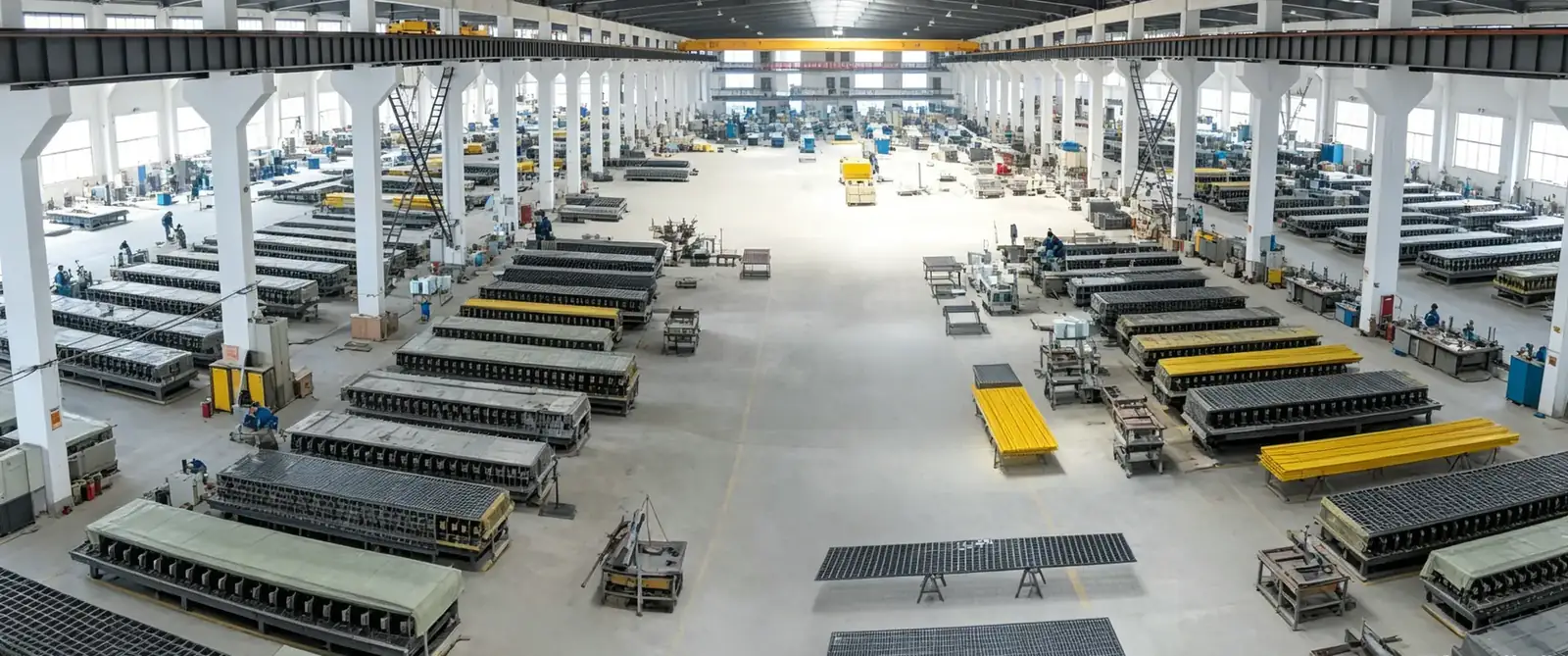
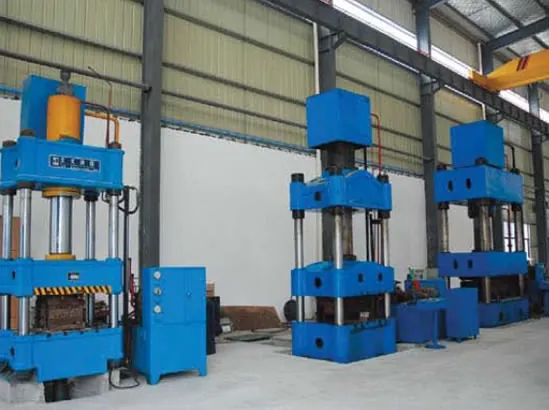
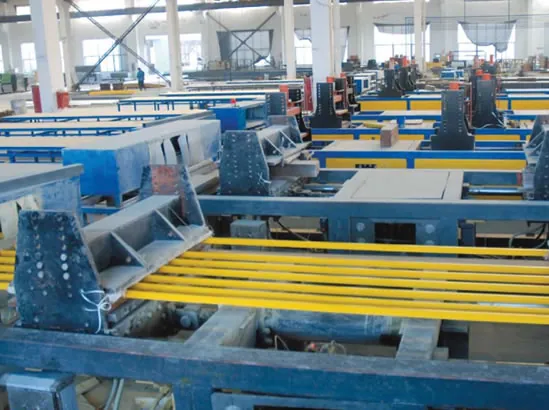
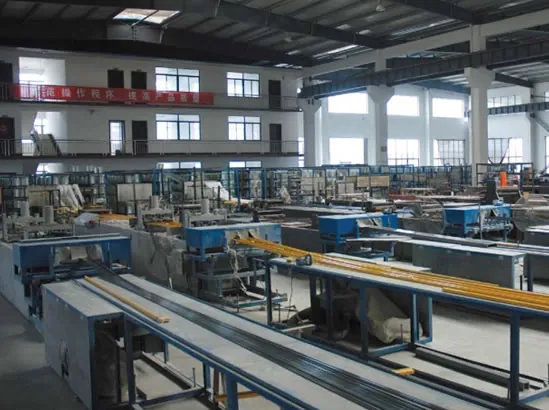
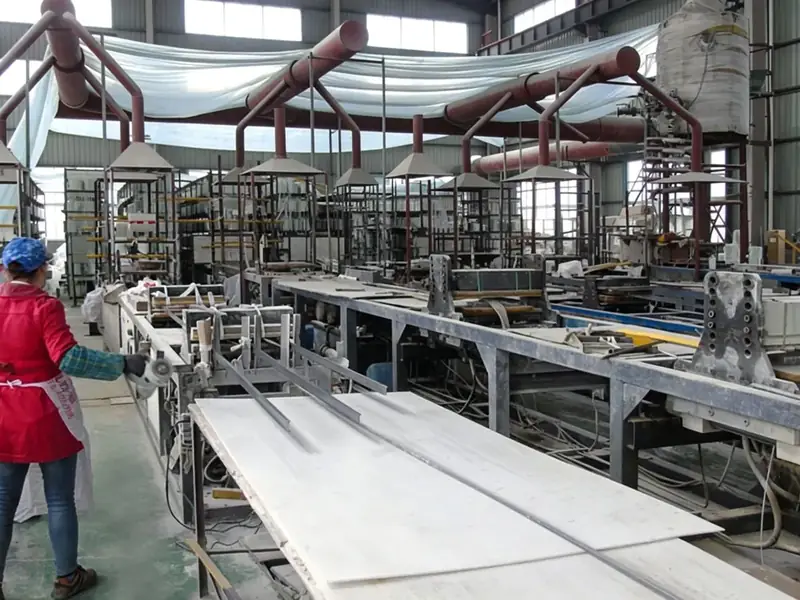
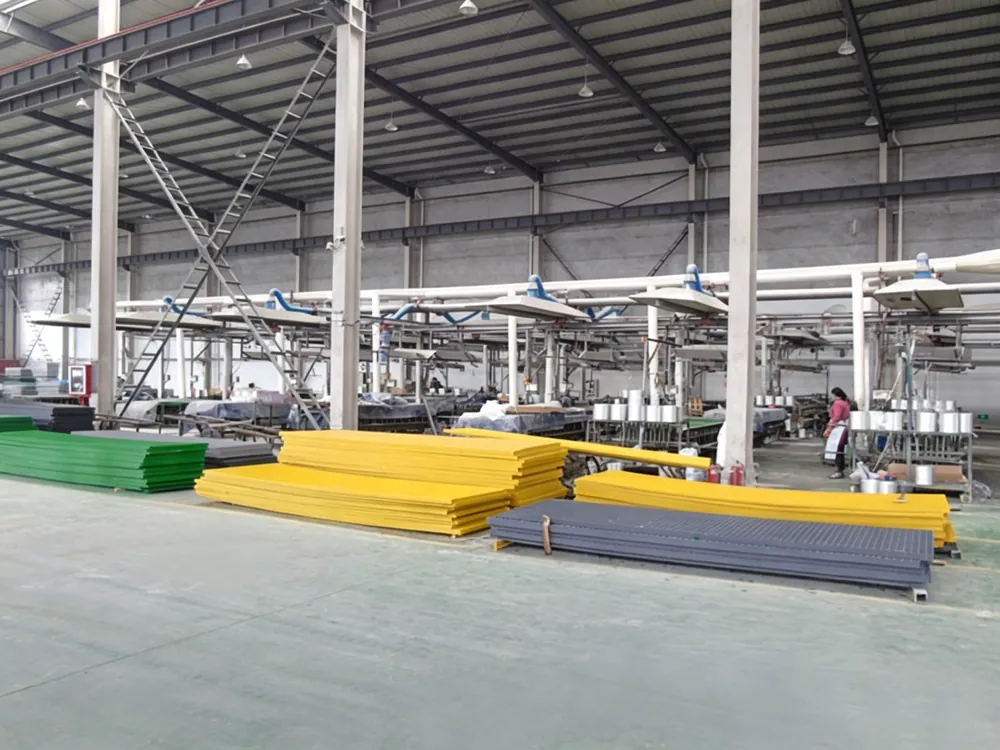
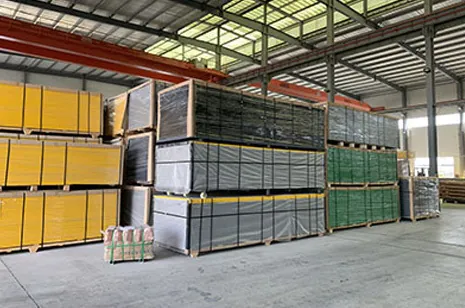
As a direct manufacturer, NANTONG ZEALL supplies Quito project owners, EPC contractors, fabricators and distributors with molded and pultruded panels, stair treads, solid covers and clips, backed by engineering support and factory-direct pricing from USD 15 to 95 per square meter.
Material Routing: Guayaquil Bay Crossing Over the Andes to Quito
Ocean shipments reach Ecuador through the Pacific port of Guayaquil on the Gulf of Guayaquil, with the transpacific leg from Shanghai or Ningbo typically approximately 30 to 40 days port-to-port on a conservative basis. From Guayaquil the material continues inland by road up the Andean corridor to the capital, climbing from the hot coastal plain to the highland plateau; this overland leg and its handling add time to the schedule beyond the ocean transit, so inland delivery should be planned in the project calendar.
Entry clearance is handled through SENAE under the corresponding tariff classification, supported by a commercial invoice and packing list. Ecuador applies IVA of 12% in addition to import duties; your customs broker can confirm the current tariff and any documentation requirements before dispatch.
Urban and Industrial Applications in the Quito Metropolitan Area
- Industrial Platforms & Mezzanines — raised decks, rack-access walkways and mezzanine grating where a lightweight, non-rusting panel reduces structural load.
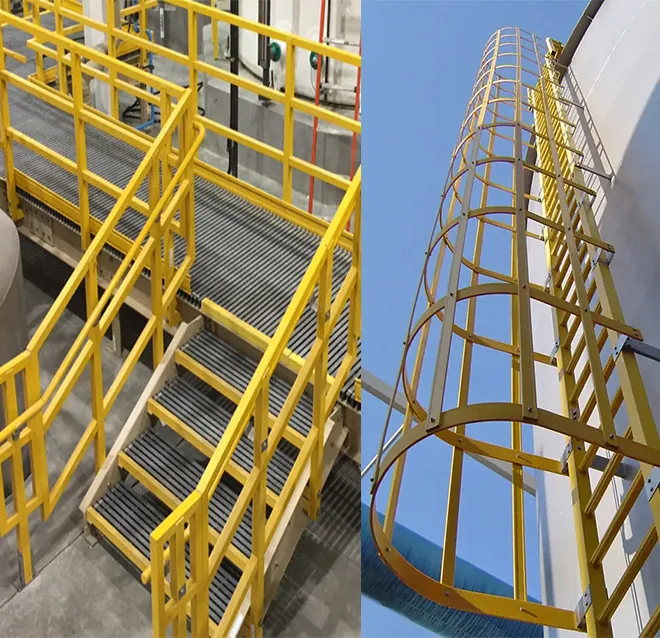
- Factory Walkways & Stair Towers — process-area access, stair treads and maintenance catwalks in manufacturing plants.
- Drainage Trenches & Pit Covers — trench, drain and sump covers for streets, yards and industrial floors exposed to rainwater and wash-down.
- Food & Hygienic Plants — wash-down floors and catwalks for food, beverage and sanitary-critical production.
- Logistics Warehouses — warehouse walkways, loading-bay and maintenance platform grating.
- Utility & Water Works — pump stations, treatment units and cable-trench covers facing moisture and corrosion.
High-Altitude Climate: Cool Nights, Strong UV and Dry Seasons
Quito’s highland climate brings thin air, intense ultraviolet at elevation, cool nights, pronounced day-night temperature swings and a dry season with strong sun, alongside periodic rain that keeps surfaces damp. Composite panels tolerate these conditions well: the UV-stabilized resin and resin-rich veil resist chalking and fibre prominence over years of high-altitude sun, gritted surfaces retain traction on damp steps and walkways, and the material does not rust under persistent humidity or cleaning water. Because panels are light, they are easier to handle and install manually on raised platforms, mezzanines and hillside structures, reducing lifting equipment needs and the dead load carried by the supporting frame.
Recommended Grating Types for Highland Civic and Industrial Works
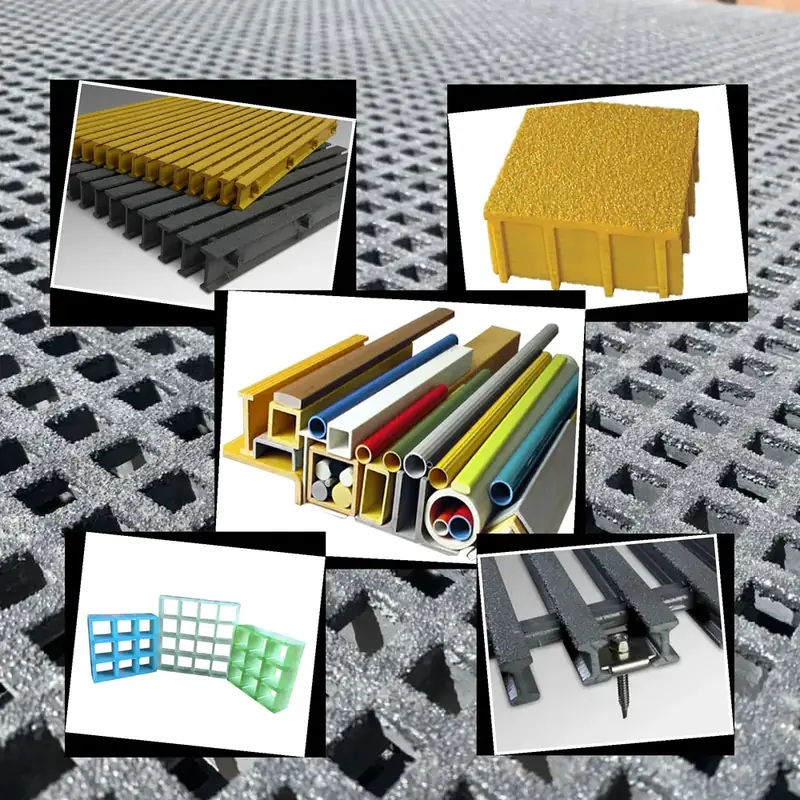
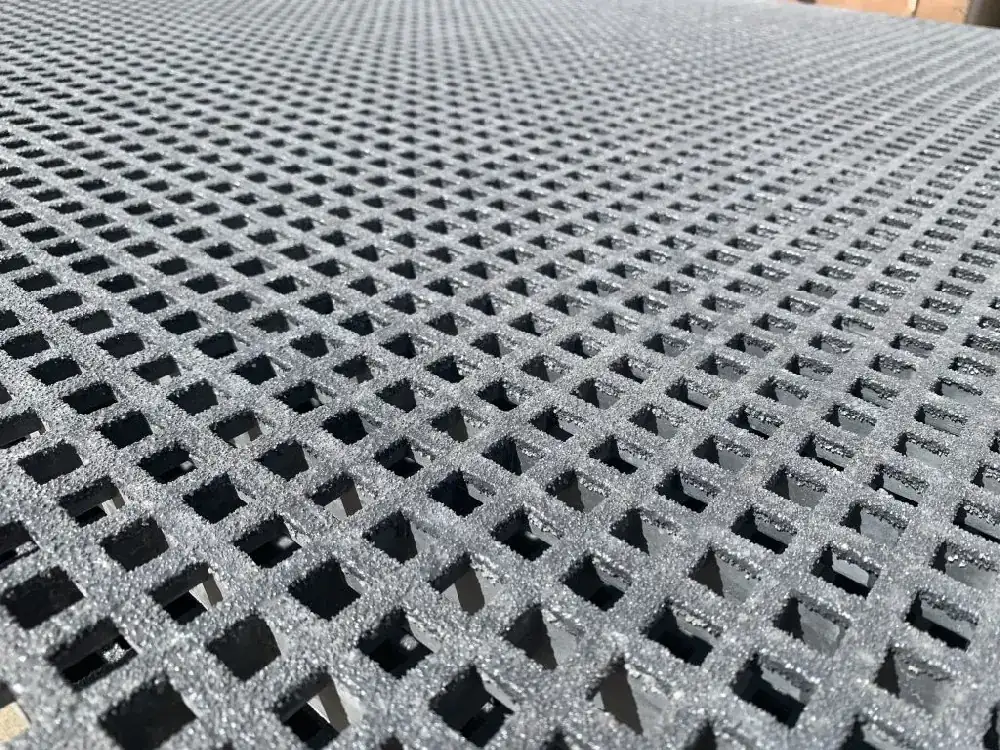
- 38 mm Molded FRP/GRP Grating — bidirectional strength for general factory walkways, yard paths and drainage covers, grit-top or concave.
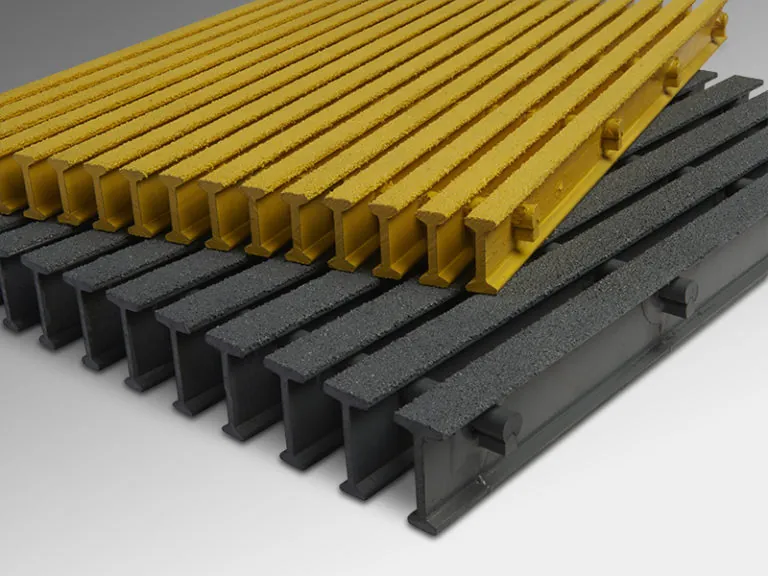
- 50 mm Pultruded FRP/GRP Grating — high unidirectional capacity for long-span mezzanines and elevated service platforms.
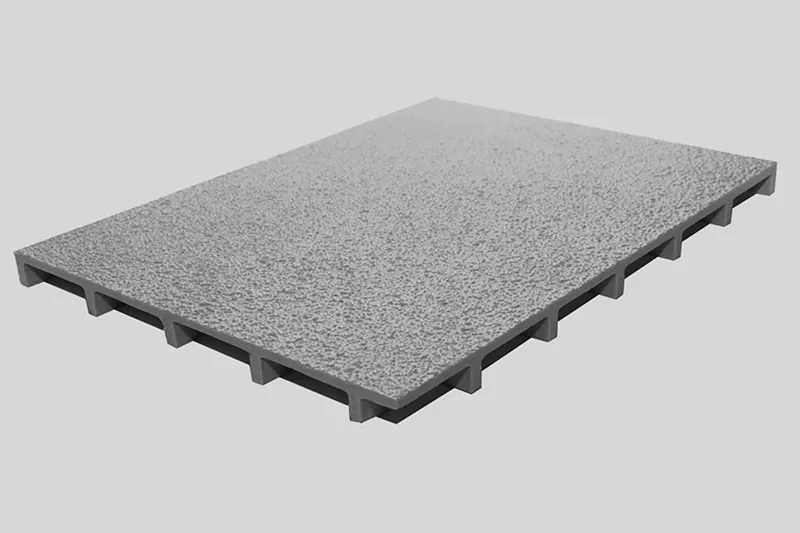
- Solid Covers — trench, pit and cable covers for drainage, utility runs and wet industrial floors.
- Stair Treads — anti-slip, nosing-integrated treads for factory stairs, towers and exterior access.
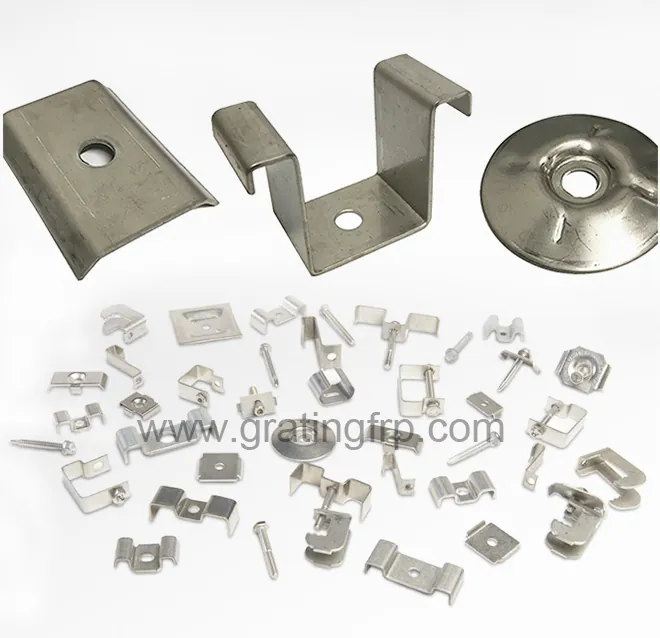
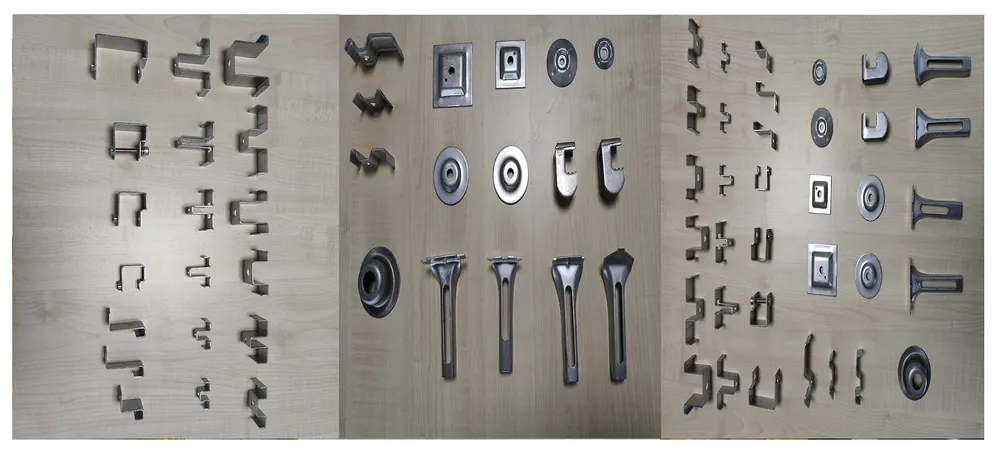
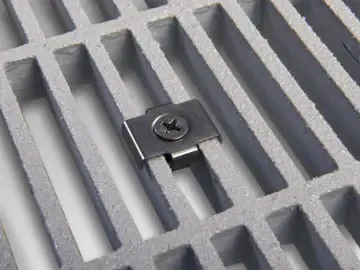
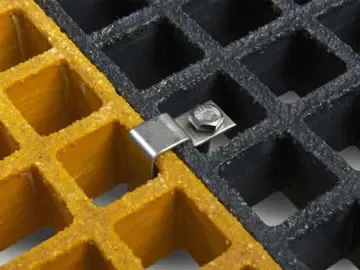
- Clips & Fasteners — M, C and L clips for secure fixing to steel or composite supports.
Local Standards Reference and Engineering Support
Our gratings are tested to ASTM E-84 for surface burning characteristics and ASTM F3059 for fiberglass grating and are produced under an ISO 9001 quality management system. Engineers size each panel from published load and deflection tables for the actual support spacing and load case; local building and safety regulations are interpreted by the project engineer. We provide free load calculations, resin selection and panel layout to support Quito-area engineering dossiers. The certifications we hold — ISO 9001, ASTM E-84, ASTM F3059, ABS, Intertek, SGS and CE — are listed without reference numbers or expiry dates, and we do not claim marks we do not hold.
Direct Supply Terms for Quito Projects
Factory-direct supply cuts importer and distributor margins while engineering decisions stay in-house. Standard formats are produced in 15 to 25 days, with overall delivery of 12 to 36 working days depending on specification and the Guayaquil-to-Quito inland leg; the minimum order is 10 square meters. Our export track record covers 45+ countries, supported by 541 customer reviews at an average rating of 4.9 out of 5, and our Nantong facility has operated since 2004 with a 200+ production and engineering team. A single WhatsApp sales line and the sales email keep quotes, documentation and coordination with inland transport straightforward for Quito and the surrounding highland provinces.
Frequently Asked Questions
Ocean freight discharges at the Port of Guayaquil, then panels continue inland by truck up the Andean corridor to the capital. The transpacific leg is typically about 30 to 40 days port-to-port; the mountain road leg and SENAE clearance add time that should be built into the project schedule.
- Ecuador FRP Grating Supplier
- Guayaquil
- Quito (this page)
- Mining Oil