FRP rebar — also called GFRP rebar or GRP rebar — is a reinforcing bar made of continuous glass fibers embedded in a resin matrix, used in place of steel rebar to carry tensile force in concrete. It will not rust, weighs a fraction of steel, is non-magnetic and non-conductive, but it cannot be welded and its design follows FRP-rebar-specific rules for bond and tension. It is specified where corrosion from salt, chemicals or moisture would otherwise attack steel.
- Composition: continuous glass fibers in a resin (polyester, vinyl ester or epoxy) matrix, formed into a ribbed or sand-coated bar.
- Corrosion: FRP rebar does not rust and is unaffected by chloride and many chemicals that corrode steel.
- Weight: roughly one quarter the density of steel; lighter to handle and transport.
- Electrical / magnetic: standard FRP rebar is non-conductive and non-magnetic, unlike steel.
- Limits: not weldable, lower modulus than steel, and designed with FRP-specific bond and tension provisions; confirm the local design rules.
Definition: What FRP Rebar Is
FRP rebar is a composite reinforcing bar used inside concrete to resist tensile forces, the same role played by conventional steel reinforcing bar. Instead of rolled steel, it combines continuous high-strength glass fibers with a thermoset resin — polyester, isophthalic, vinyl ester or epoxy — pultruded or formed into a round bar. Ribs, sand coating or a deformed surface provide mechanical bond to the concrete.
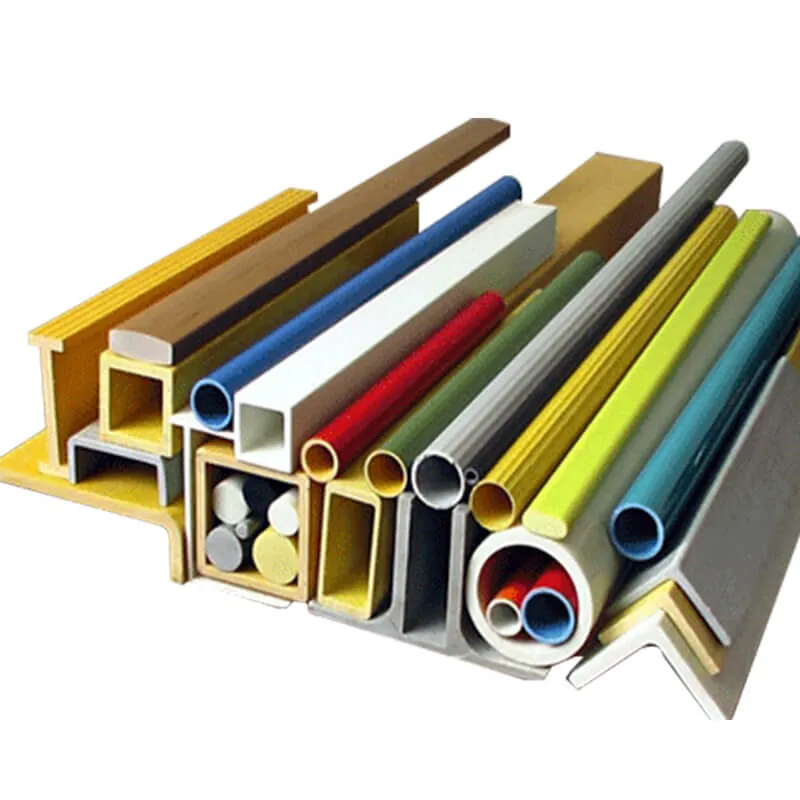
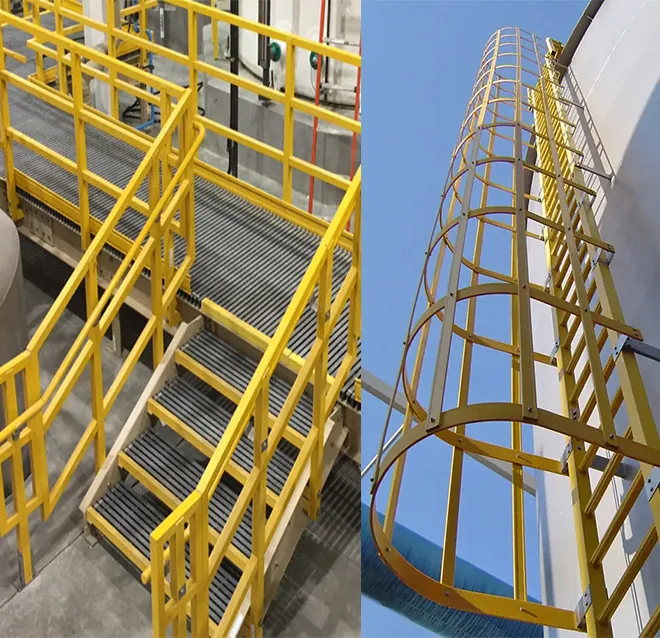
The names are used interchangeably: FRP (fiber-reinforced plastic) and GRP (glass-reinforced plastic) both refer to glass-fiber composite; GFRP rebar is the most common glass-based form. The product sits alongside our FRP grating, profiles and handrail systems as part of the composite construction range.
How It Is Made
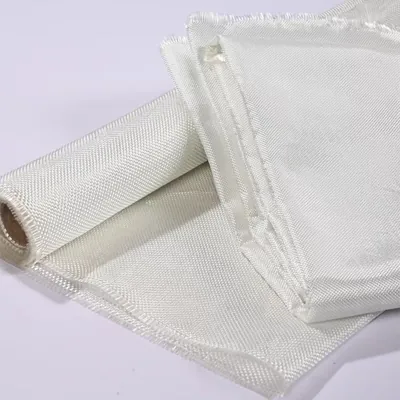
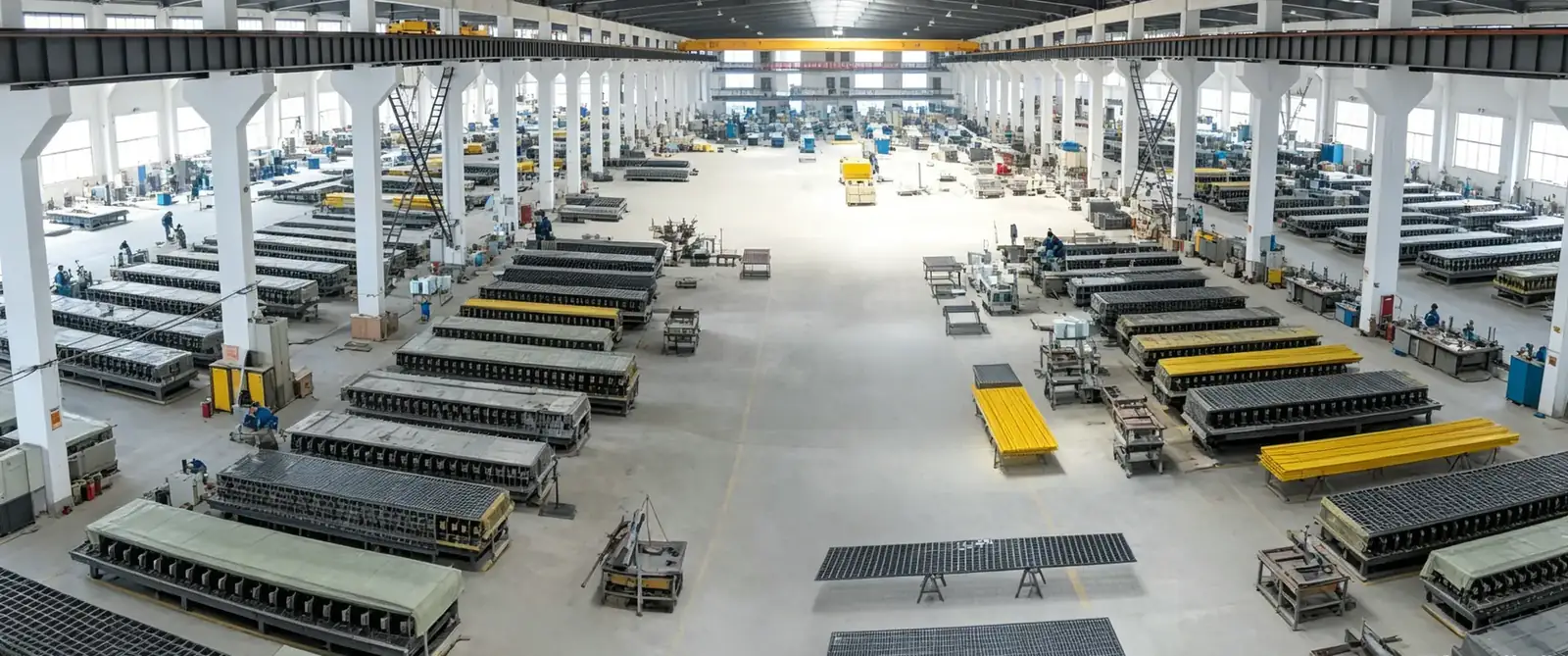
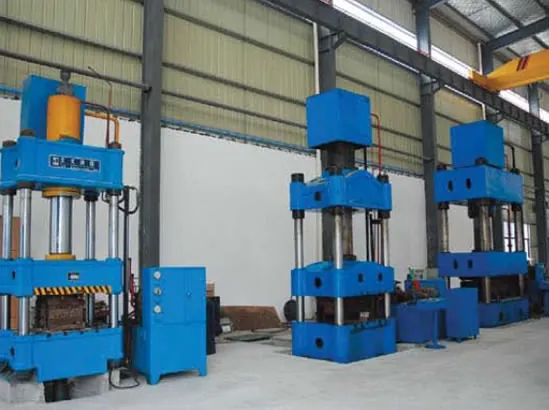
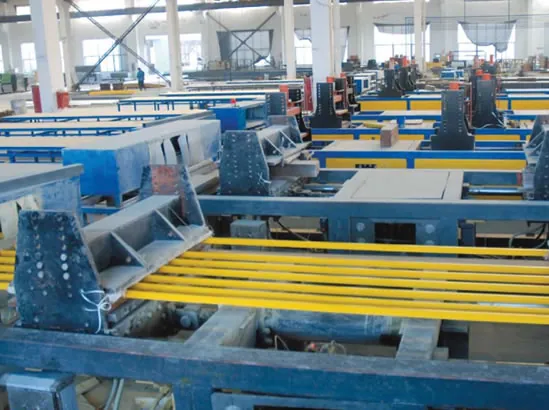
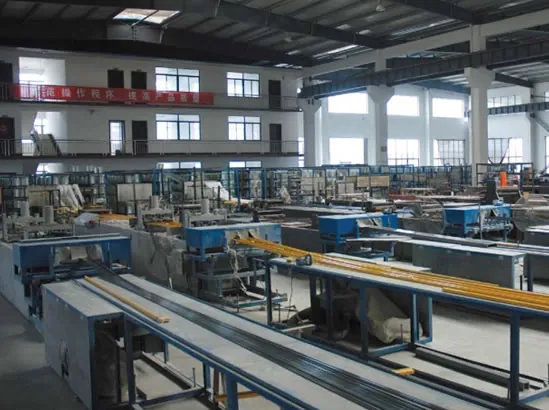
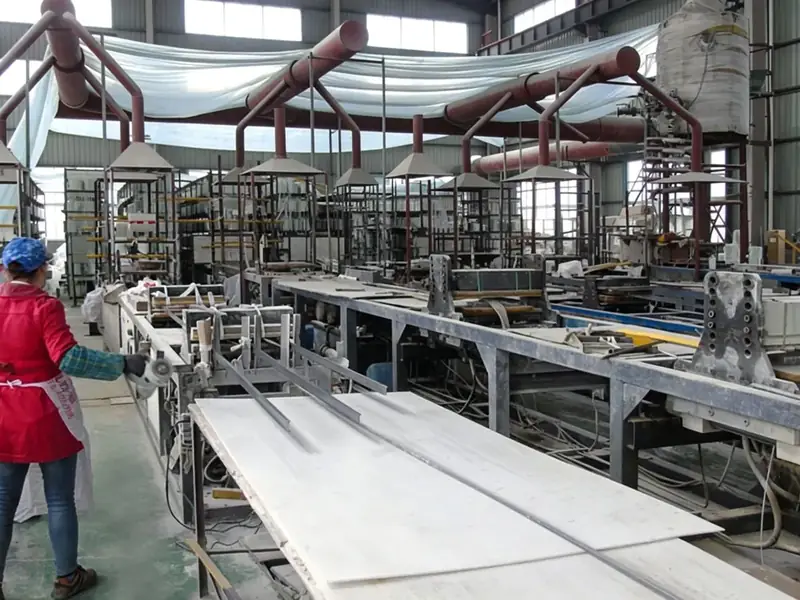
Glass fiber rovings are pulled through a resin bath to wet out the fibers, then through a die that consolidates the bar and cures the resin. A deformed rib pattern or sand finish is added to create bond with concrete. Because the fibers run continuously along the bar, tensile strength develops along the length; the resin protects the fibers from moisture and chemicals.
Resin choice follows exposure: polyester for general service, vinyl ester or epoxy for stronger chemical and chloride resistance. Color, bar diameter and surface finish are set by the order and the concrete design requirement.
FRP Rebar vs Steel Rebar
The comparison starts from the shared function: both reinforce concrete against tension. They diverge in durability, weight and electrical behavior, and they differ in how they are detailed and installed.
| Property | Steel rebar | FRP / GFRP rebar |
|---|---|---|
| Corrosion | Rusts when chloride or moisture reaches it | Does not rust; resistant to many acids and salts |
| Density / weight | About 7.85 g/cm3; heavy | Lower density, roughly a quarter of steel by volume; lighter handling |
| Magnetism | Magnetic | Non-magnetic |
| Conduction | Conductive | Standard bar is non-conductive |
| Modulus | Higher elastic modulus | Lower modulus; section and spacing follow FRP design rules |
| Connection | Weldable, bendable on site | Not weldable; connections use specified splices and mechanical anchors |
| Bond to concrete | Ribbed steel surface | Ribbed or sand-coated composite surface; check bond design |
Note: FRP rebar strength and deflection are checked under the design rules applicable to composite reinforcement in your region. Do not substitute an FRP bar for steel by matching diameter alone; bond, tension and crack-control provisions must be reviewed separately.
Where FRP Rebar Is Specified
- Marine and coastal structures: seawater, salt spray and de-icing salts that corrode steel.
- Chemical processing and wastewater concrete exposed to acids, alkalis and effluents.
- Roads, bridges and parking decks where de-icing salt reaches the reinforcement.
- Electrical and magnetic environments where a non-conductive, non-magnetic bar is required.
- Lightweight or precast elements where reduced handling weight helps erection.
For section equivalence and layout logic, review the product references: fiberglass (GFRP) rebar sizes and supply and GRP rebar equivalent section to steel.
Handling and Design Considerations
FRP rebar cannot be welded like steel, so end connections, laps and anchorage follow the composite-reinforcement details approved for the project. It is more sensitive to surface damage, high temperature and bend radius than steel, so storage, cutting and bending should follow the supplier's handling guidance. Where the concrete sits in a strongly alkaline mix, long-term compatibility with the chosen resin should be confirmed.
When issuing an inquiry, provide concrete exposure (salt, chemicals, humidity), required bar diameter and length, surface type, resin preference if known, and any non-magnetic or non-conductive requirement. Our engineering team can advise on material and section selection against the local design rules.
Frequently Asked Questions
What does FRP rebar stand for?
FRP means fiber-reinforced plastic; rebar is reinforcing bar. FRP rebar (also GFRP or GRP rebar) is a glass-fiber-and-resin composite bar used to reinforce concrete in place of steel.
Is FRP rebar stronger than steel?
Tensile strength along the fiber can be high, but FRP rebar has a lower elastic modulus than steel and does not behave like steel under deflection. It must be designed under composite-rebar rules; diameter-for-diameter substitution is not valid.
Why use FRP rebar instead of steel?
It does not rust, resists chloride and many chemicals, weighs much less, and is non-magnetic and non-conductive. These matter most in marine, coastal, chemical, wastewater and electrical-magnetic concrete applications.
Can FRP rebar be welded?
No. FRP rebar cannot be welded like steel. Connections, laps and anchorage use the splices, mechanical anchors and end details approved for composite reinforcement on the project.
Where can I see FRP rebar products and equivalents?
Browse the <a href="/fiberglass-rebar/">fiberglass GFRP rebar</a> line for sizes and supply, and the <a href="/grp-rebar/">GRP rebar equivalent-section reference</a> for comparison with steel. Send your concrete exposure and dimensions for an engineering recommendation.