Thailand: One of Asia’s Largest Food Processing Exporters
Thailand is one of the world’s top exporters of processed food — poultry, shrimp and seafood, rice, sugar, canned tuna, convenience foods and beverages — with major plants concentrated in the Bangkok perimeter, the Eastern Seaboard (Chonburi, Rayong) and the northeastern and central provinces. Food processing floors are wet by design: high-pressure wash-down with hot water, detergents and sanitizers, plus organic acids from meat, seafood and sugar, fat and protein residues. Steel walkways and trench covers rust quickly in this environment, and rust flaking and chipped paint are direct food-safety hazards.
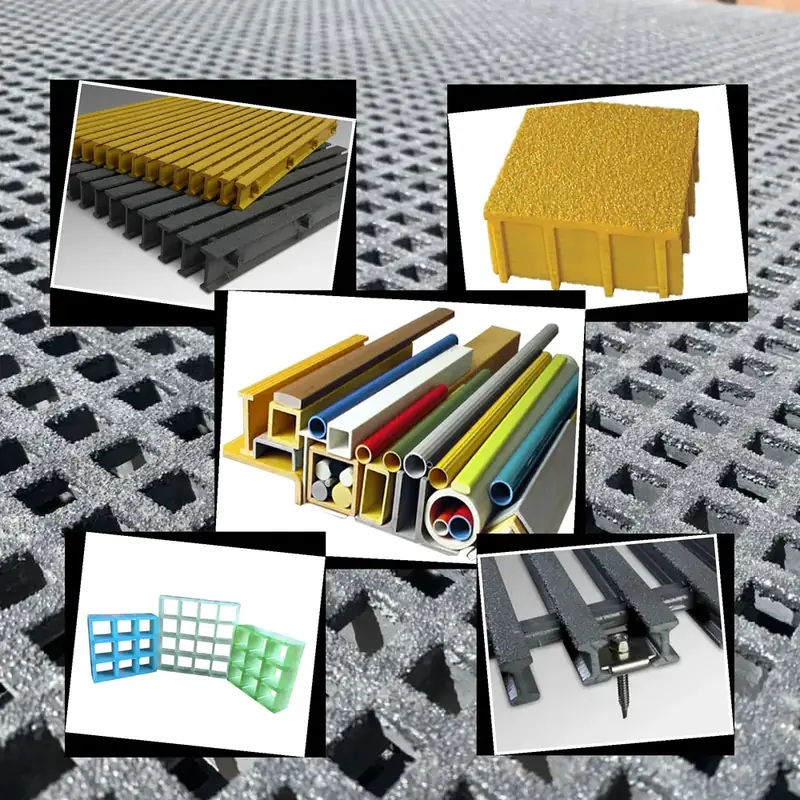
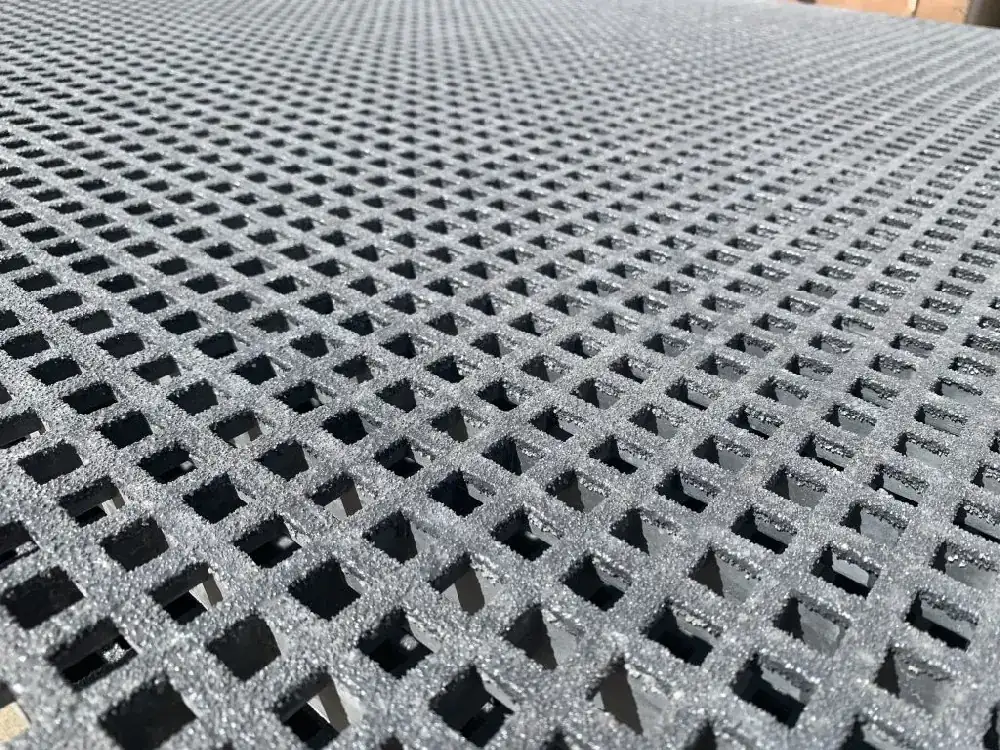
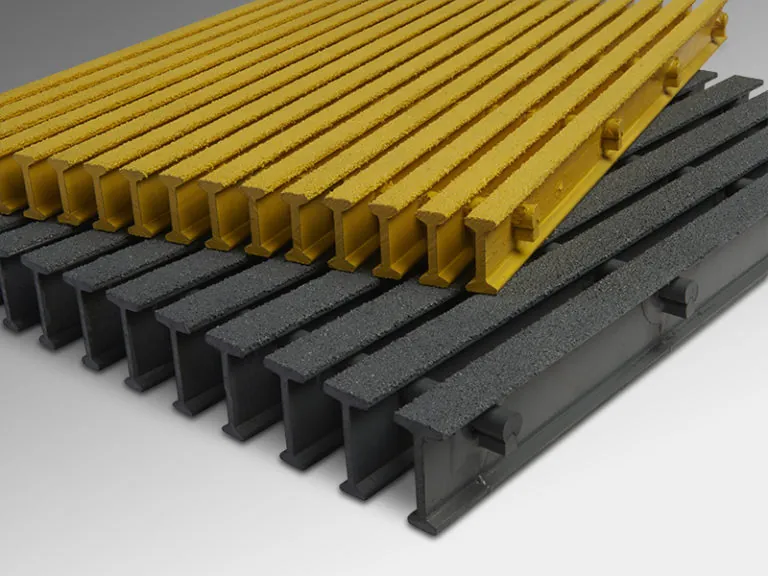
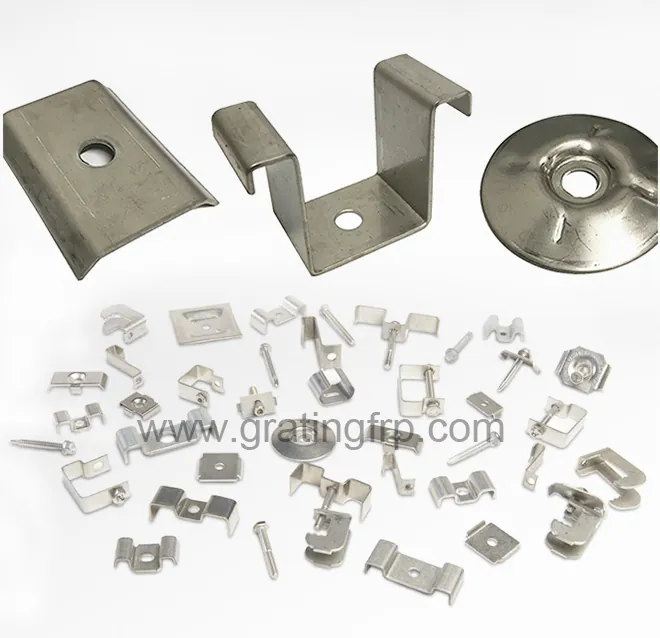
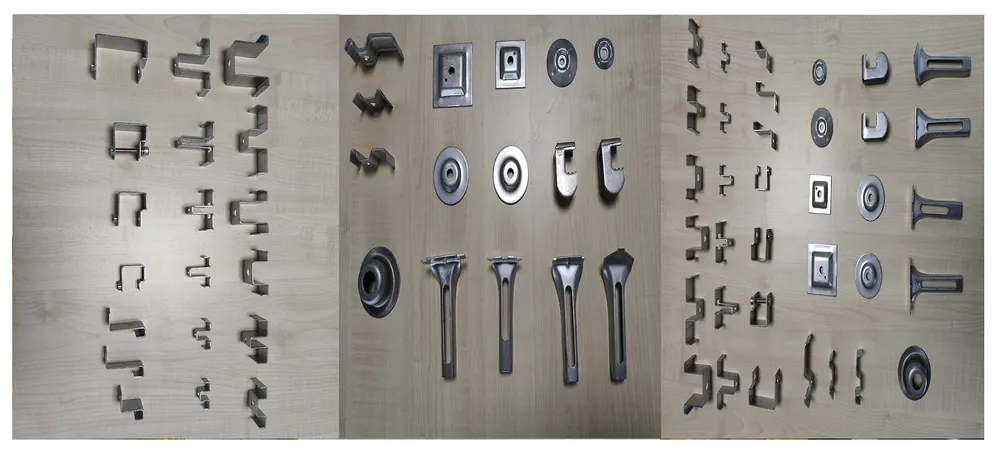
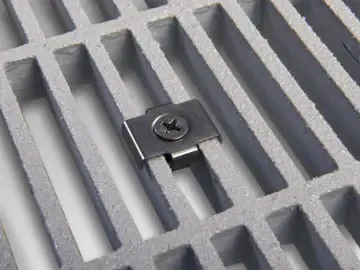
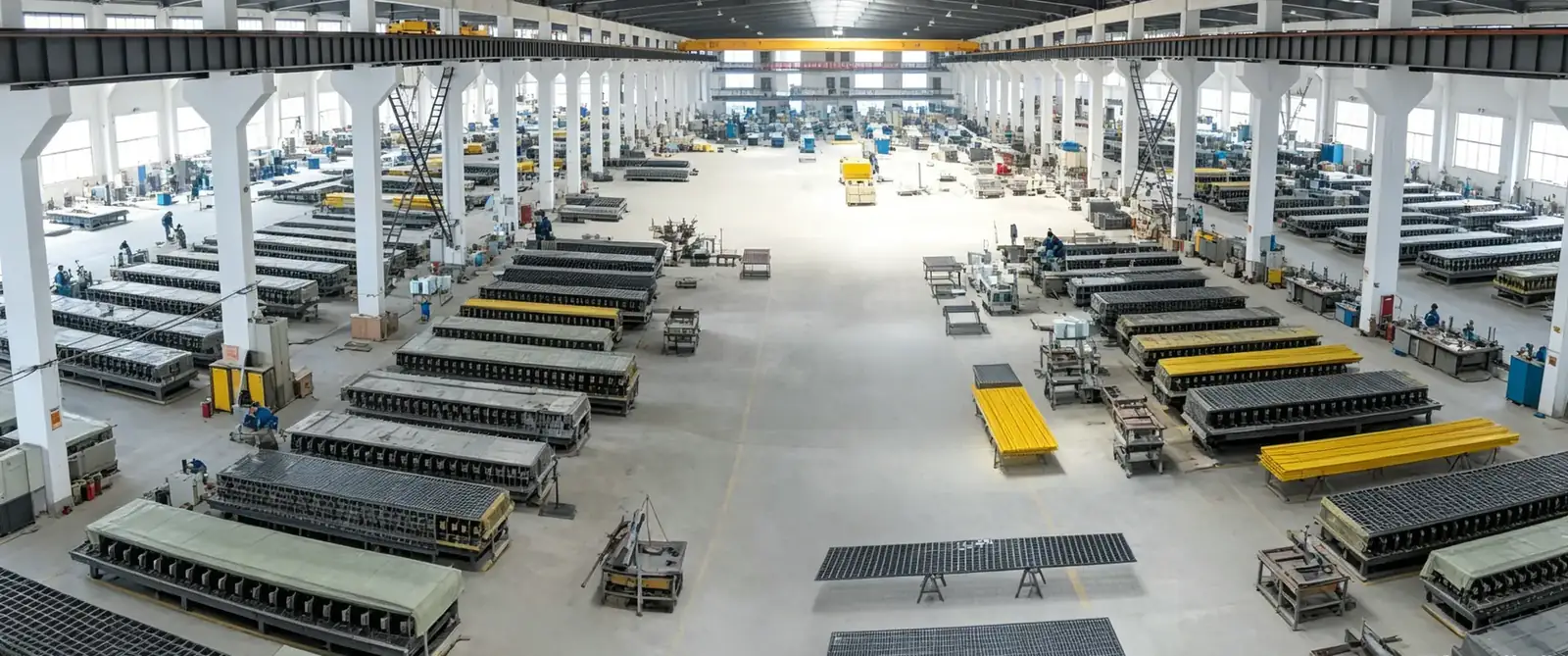
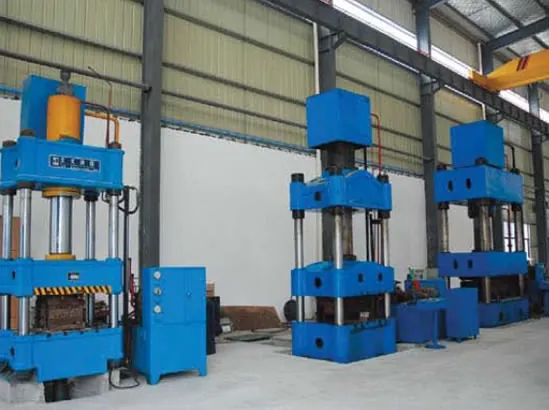
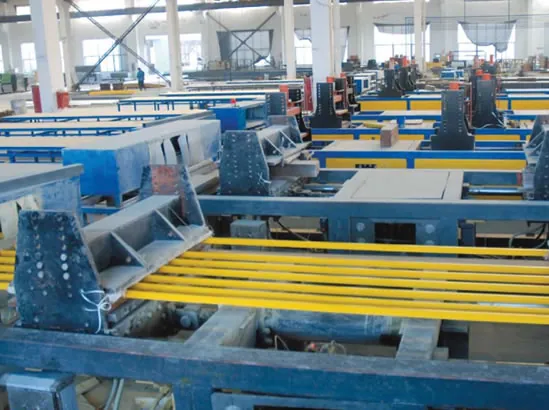
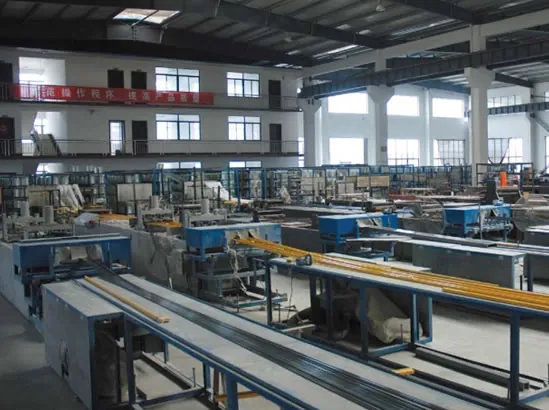
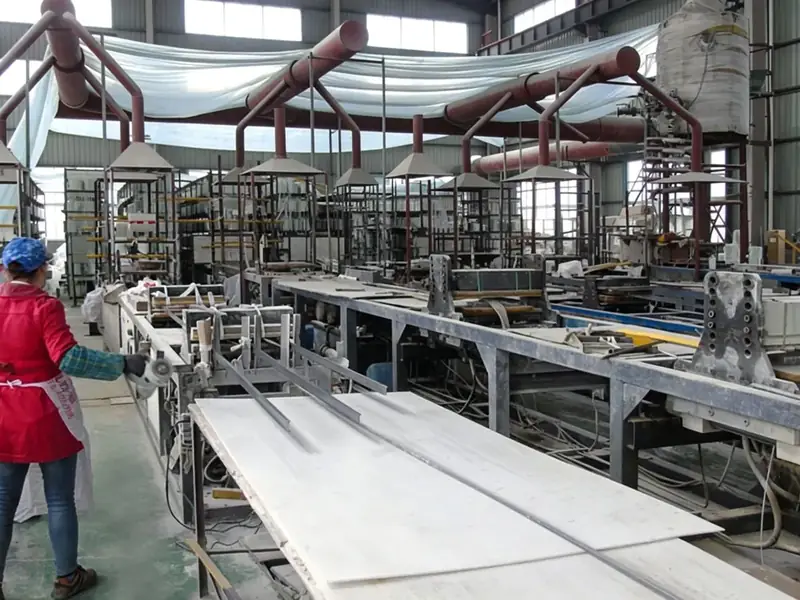
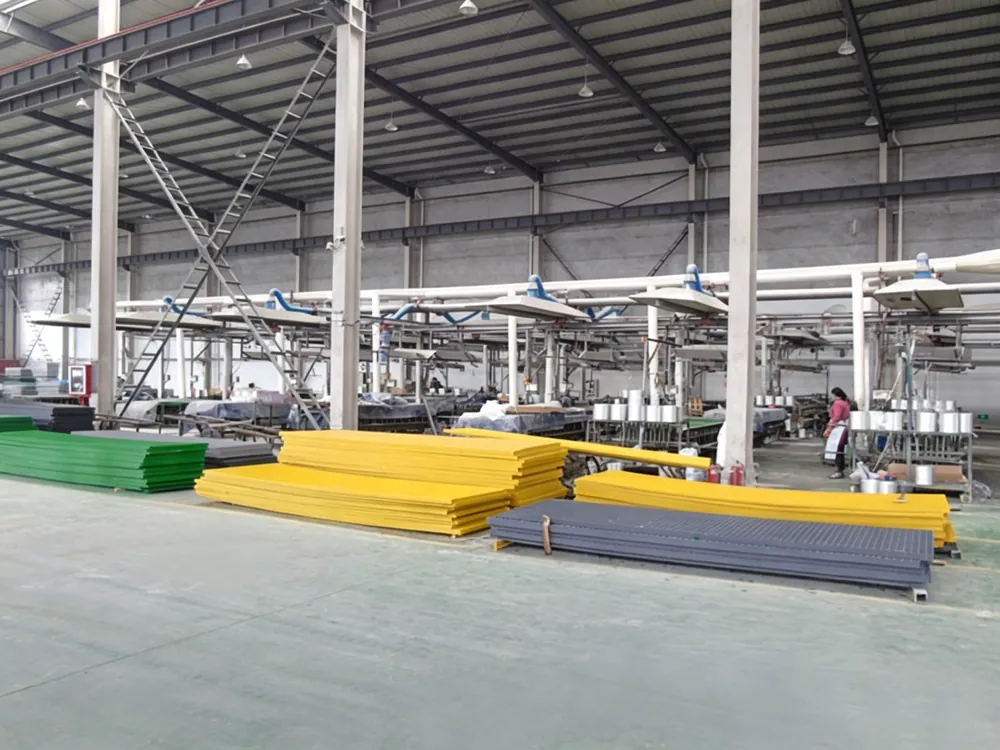
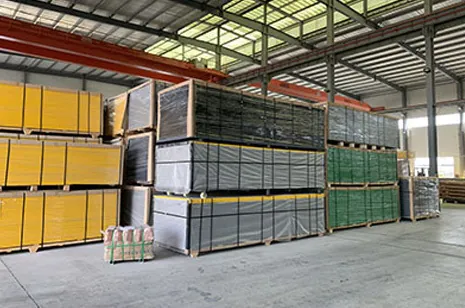
FRP grating solves both problems: it does not rust, does not absorb water, and can be hosed down repeatedly without degradation. As a direct fiberglass grating manufacturer, NANTONG ZEALL supplies Thai food and beverage plants with molded GRP panels, solid trench covers, stair treads and clips at factory-direct pricing from USD 15–95 per square metre.
Shipping to Thai Food Plants & Customs
Containers from our Shanghai and Ningbo plant sail to Laem Chabang in approximately 10–14 days port-to-port, which is the closest deep-sea port for Eastern Seaboard food plants; for plants around Bangkok and the central plains, cargo can continue up to Bangkok Port (roughly 12–16 days) or truck inland from Laem Chabang. We ship FOB Shanghai or Ningbo and can consolidate LCL cargo for smaller line-replacement orders.
Clearance is handled by Thai Customs through a licensed Thai customs broker. The broker lodges the entry under the appropriate HS code, and Thai Customs assesses import duty and value-added tax at the prevailing rates; your broker confirms the exact figures. We supply the commercial invoice, packing list, bill of lading and certificate of origin, and we can provide material data sheets and food-contact-relevant documentation your plant quality team requests.
Where FRP Grating Goes in a Food Plant
- Wash-Down Floors & Trench Covers — over floor drains in slaughter, processing and packaging halls.
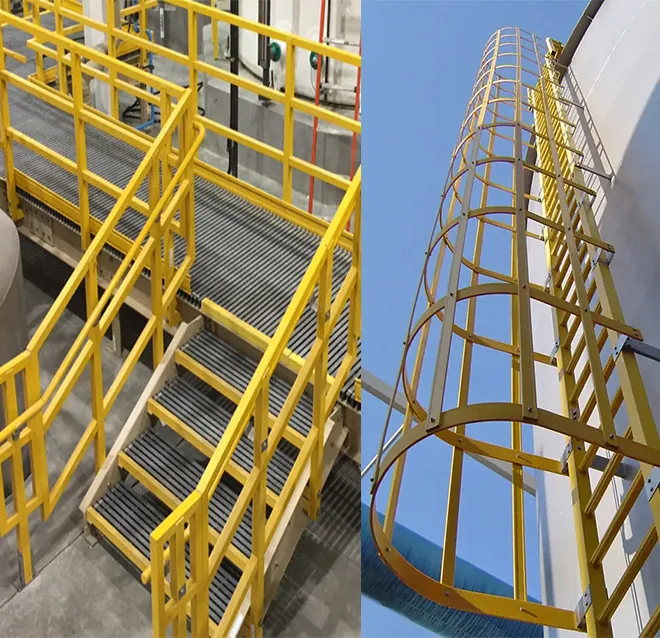
- Mezzanine & Conveyor Walkways — elevated access around processing lines and packaging equipment.
- Cold Storage & Chiller Areas — non-rusting decks in high-humidity chill and freezer environments.
- Seafood & Shrimp Processing — salt- and acid-resistant decks exposed to brine and seawater.
- Sugar & Beverage Plants — decks over syrup and CIP (clean-in-place) areas exposed to acids and caustic.
- Wastewater & Effluent Stations — covers over organic-acid-rich plant effluent treatment.
Resin Choice for Food-Plant Service
Resin selection matters in food processing. General-purpose polyester fits dry packaging and warehouse walkways. Isophthalic (ISO) polyester is the standard for wet wash-down areas: it resists water, dilute acids, detergents and sanitizers far better than general-purpose resin and is the workhorse of poultry, seafood and beverage plants. Vinyl-ester resin is specified where stronger acids, caustic CIP chemicals or brine are present, such as in seafood and sugar areas. We publish resin compatibility tables so your plant engineer can match the panel to the actual chemical exposure, and we recommend a gritted or concave surface for wet-floor traction.
Hygiene, Slip Resistance & Safety
Food-safety auditors look for non-absorbent, cleanable surfaces that do not flake or shed rust. FRP is non-porous, hoses clean easily and will not delaminate under repeated hot-water wash-down. Gritted or concave surfaces provide slip resistance when the floor is wet — a critical safety feature in processing halls where floors are continuously wet. Because FRP is non-sparking and non-conductive, it is also preferred over steel in electrical and motor control rooms adjacent to processing lines. We supply load and deflection tables and material data sheets for your plant HACCP and GMP documentation.
Recommended Products for Food Processing
- 30/38 mm Isophthalic Molded Gritted Grating — wash-down floors and mezzanine walkways.
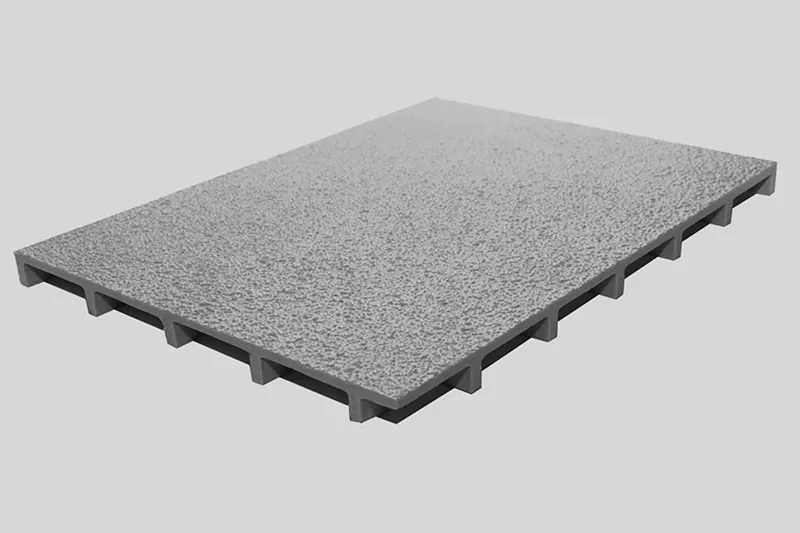
- Solid Top / Smooth Covers — watertight trench covers over floor drains in processing halls.
- Vinyl-Ester Grating — upgraded resistance for seafood brine and sugar/acid areas.
- FRP Stair Treads & Nosing — anti-slip treads for mezzanine and platform stairs.
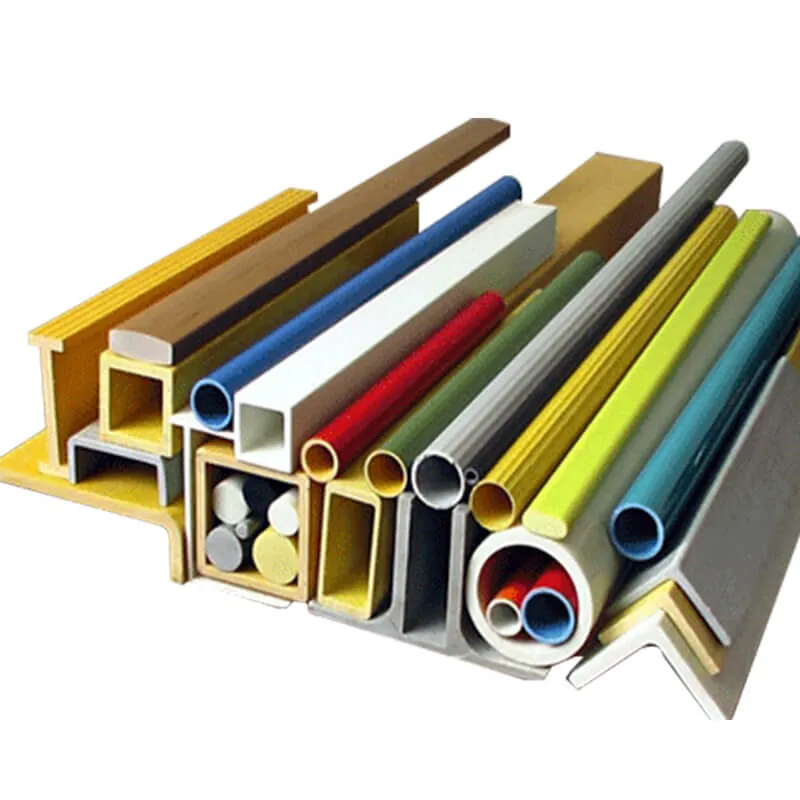
- FRP Handrail & Framing — non-corrosive railings for wet processing areas.
Why Thai Food Plants Source Direct from ZEALL
Founded in 2004 with 200+ employees and shipments to 45+ countries, NANTONG ZEALL carries 541 customer reviews at an average 4.9/5. Factory-direct pricing removes the trader margin typical of Thai food-industry procurement, and our engineering team supports resin selection, trench cover layout and load calcs free of charge. Standard gratings are produced in 15–25 days, with overall delivery of 12–36 working days including sea freight and Thai Customs clearance; the minimum order is 10 m². A single WhatsApp line keeps line-replacement and expansion-project orders on a fast quote-and-track loop.
Frequently Asked Questions
Isophthalic polyester is the standard for wet wash-down floors because it resists water, dilute acids, detergents and sanitizers. Vinyl-ester resin is preferred for seafood brine and sugar/acid areas, while general-purpose polyester fits dry packaging and warehouse walkways.
- Thailand FRP Grating Supplier
- Laem Chabang
- Bangkok
- Food Processing (this page)
- Petrochemical