Gothenburg: Sweden's Largest West-Coast Port on the Göta älv, Facing the Kattegat and North Sea
Gothenburg (Göteborg) grew up along the Göta älv, the river carrying Lake Vänern outflow out to the Kattegat; its harbour faces the Skagerrak, the North Sea and the open Atlantic rather than the sheltered Baltic. As Sweden’s largest port by cargo volume and the main maritime gateway for western Sweden, it combines container terminals, Ro-Ro and car-export berths, bulk and short-sea traffic, alongside a strong automotive cluster around Volvo production and its suppliers, maritime and ship-repair services, seafood and cold-chain logistics, and freight distribution into the Nordic interior. Decking along the quays, vehicle stacking grounds, Ro-Ro ramps and terminal yards is exposed to salt-laden Kattegat air, drips from fuels and lubricants, wash-down runoff and humid westerly winds off the Göteborg archipelago.
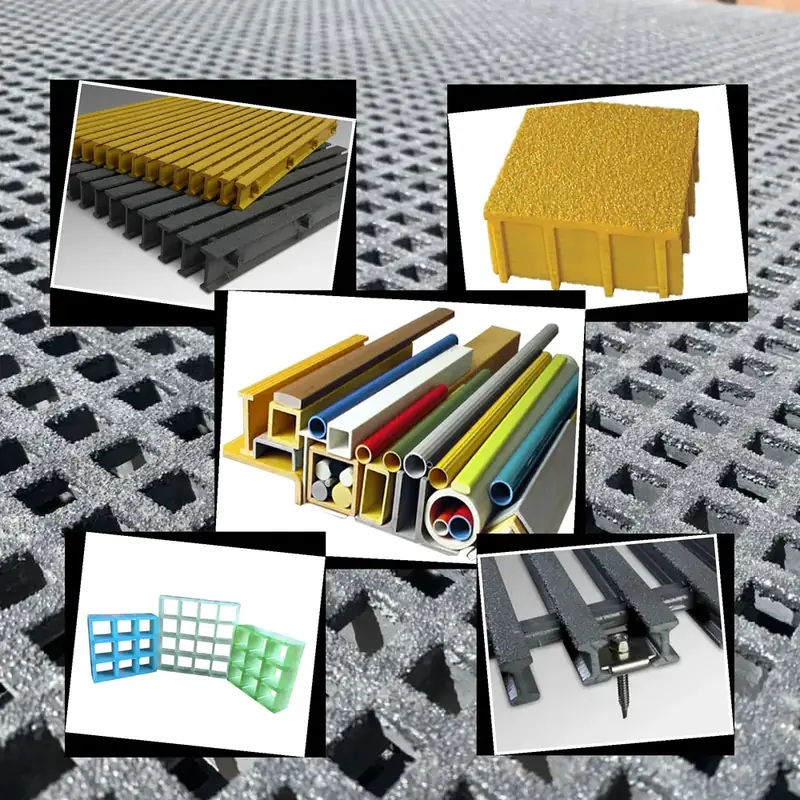
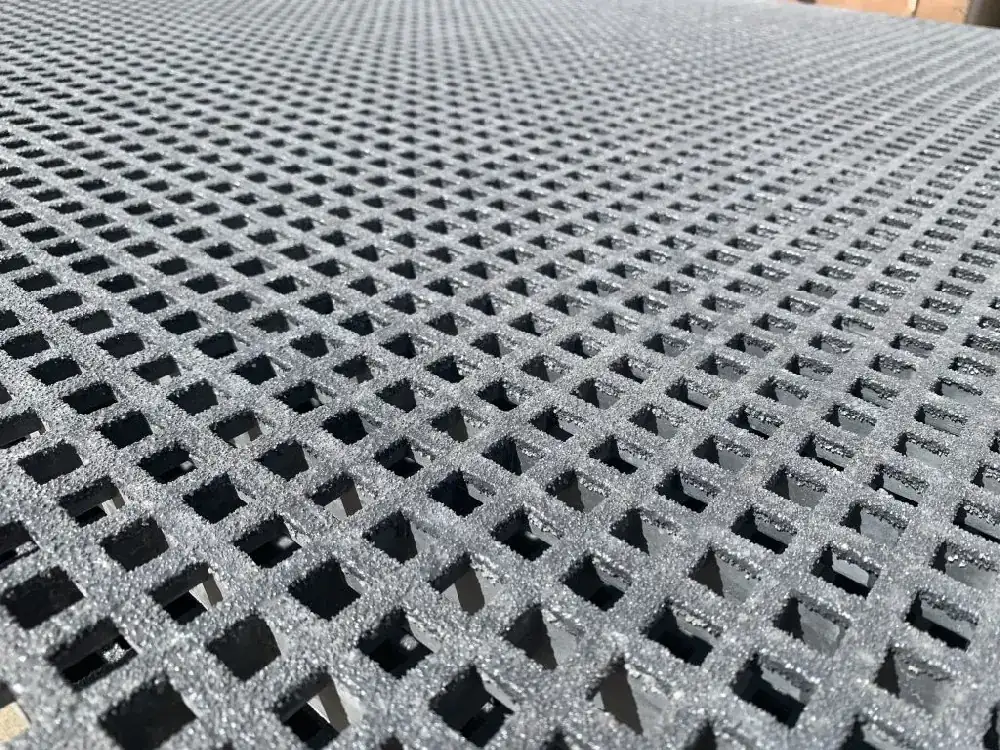
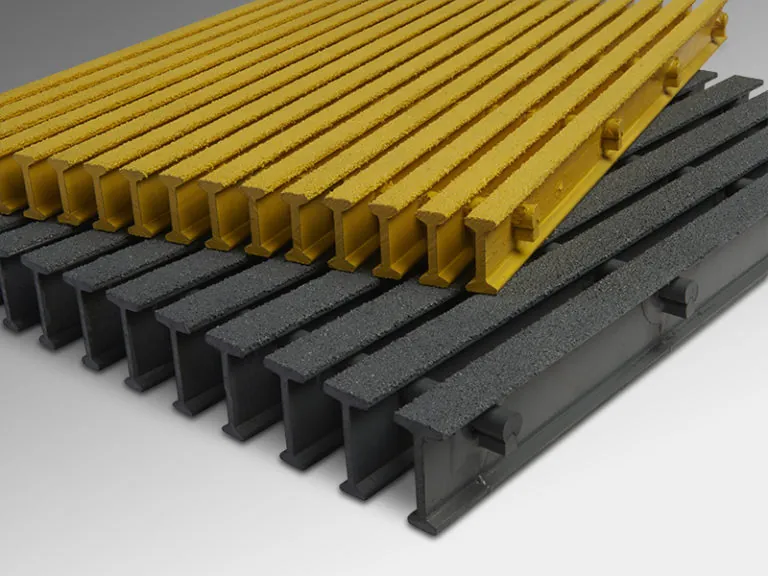
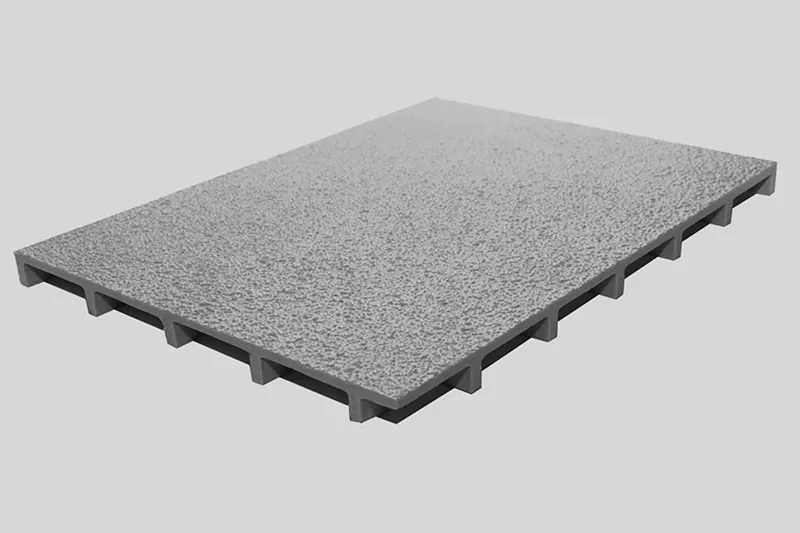
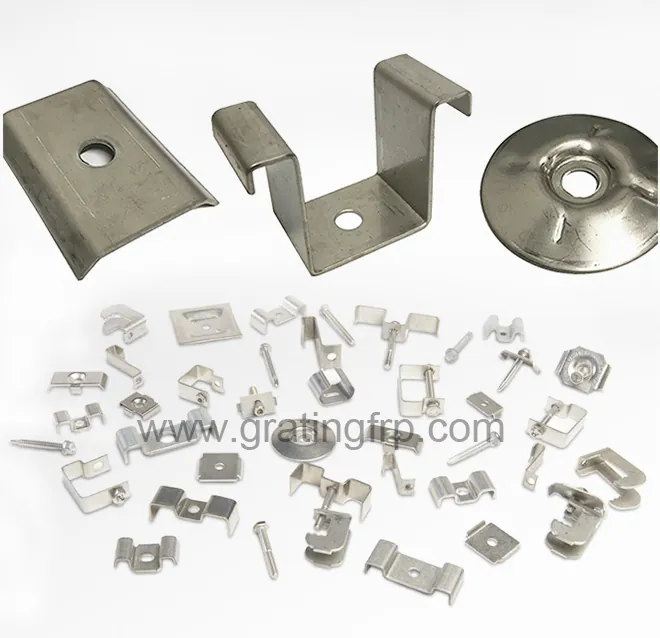
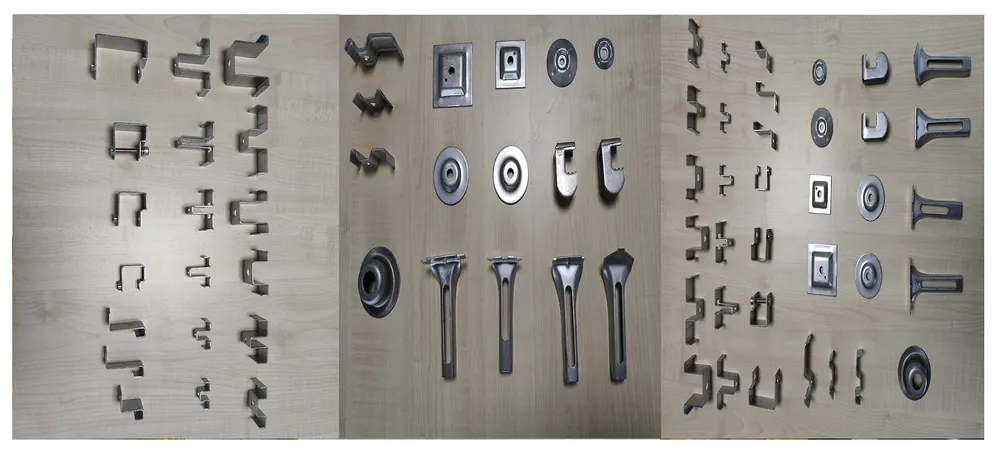
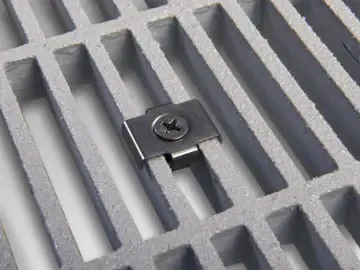
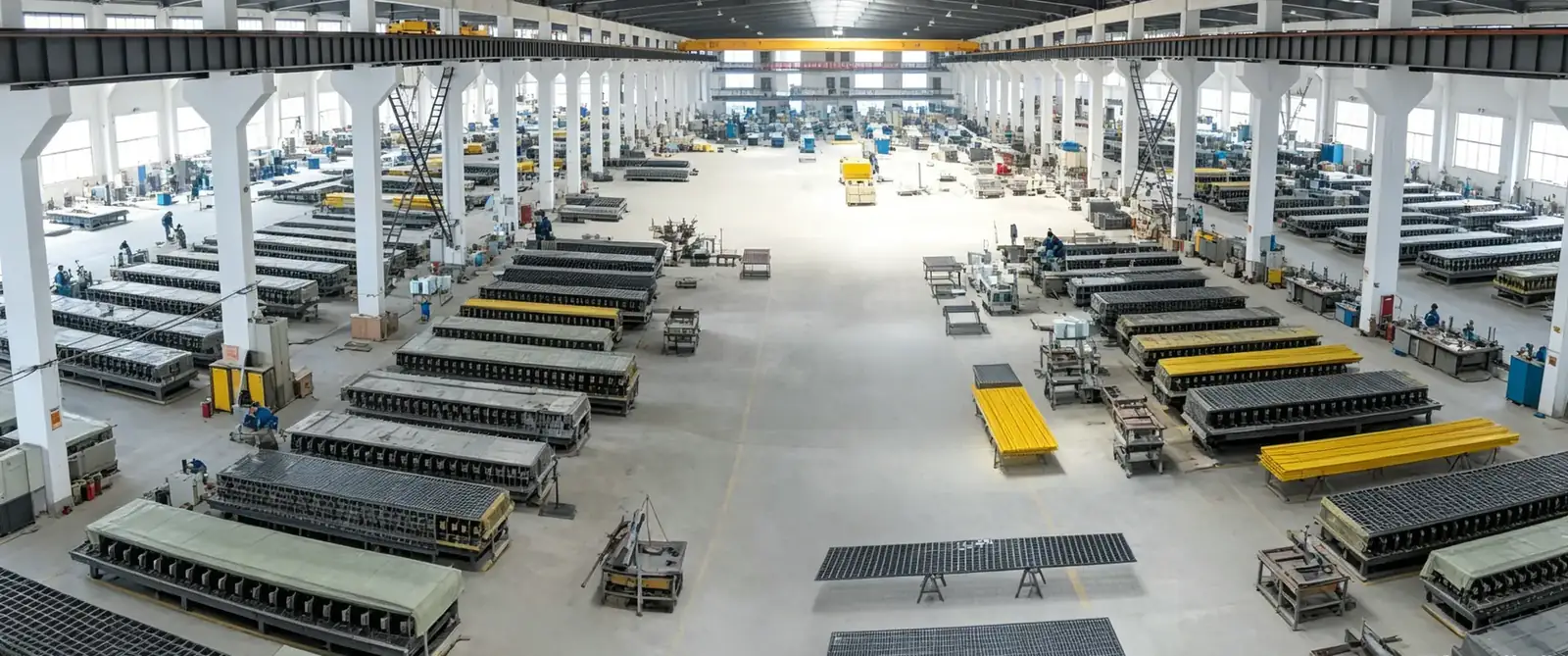
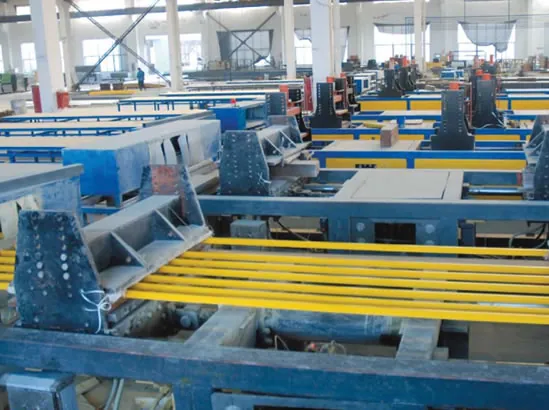
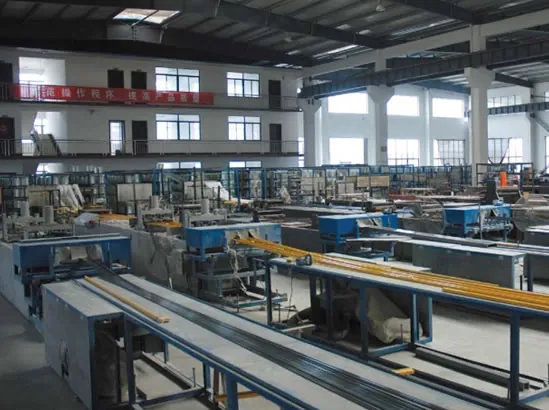
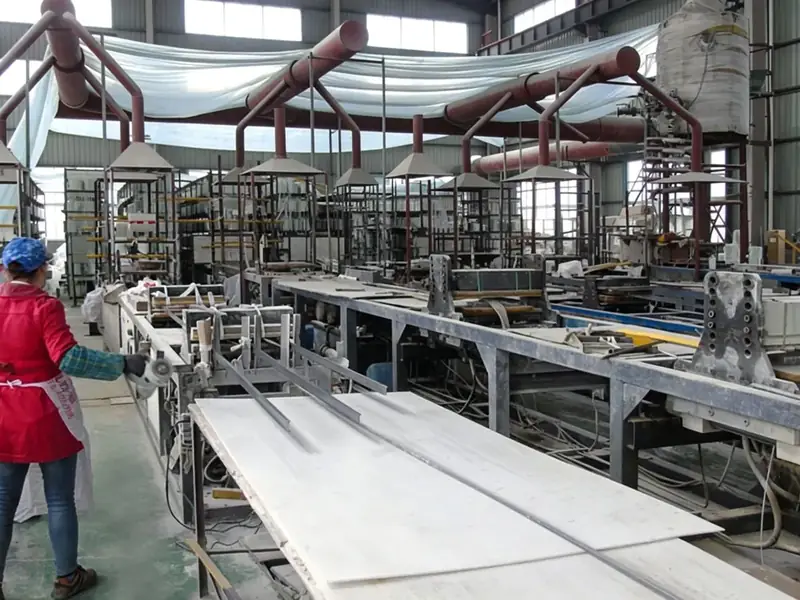
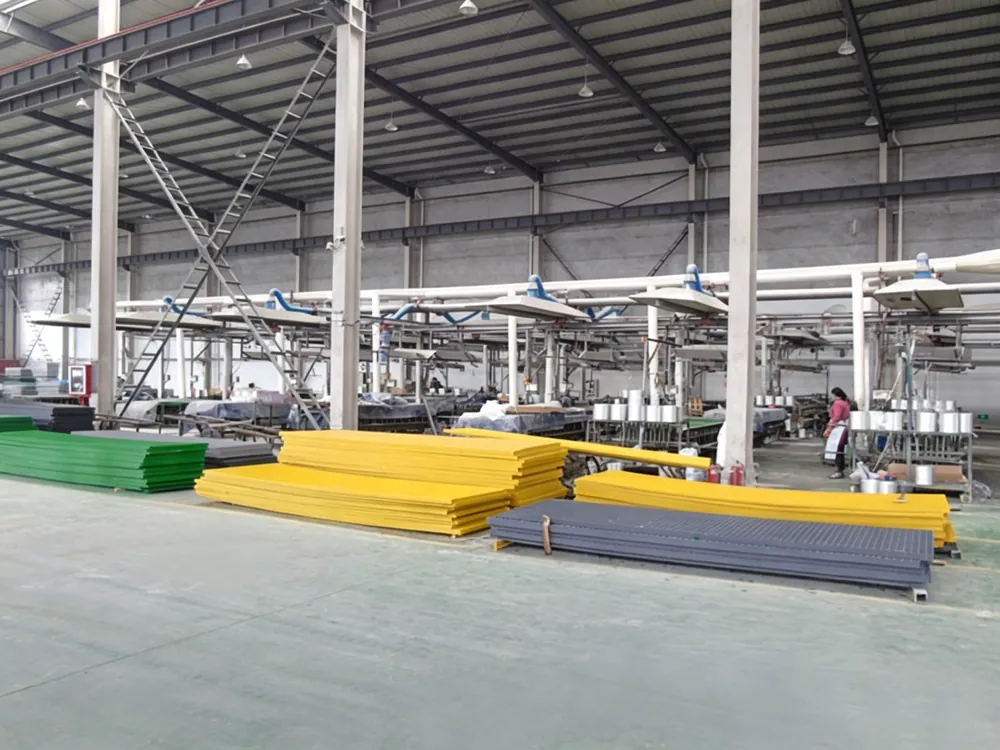
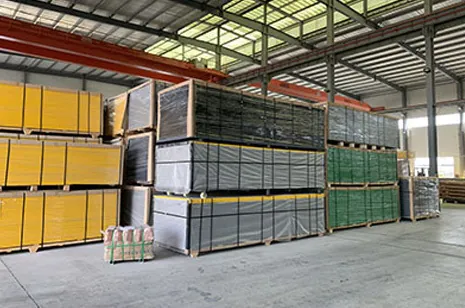
For Göteborg terminal operators, vehicle-export firms, maritime contractors and engineering buyers across Västra Götaland, FRP/GRP grating supplies a lightweight, non-sparking, non-conductive and non-rusting walking surface that stands up to salt air and maritime damp without the blast-and-paint burden of carbon steel. As a direct fiberglass grating manufacturer founded in 2004, NANTONG ZEALL supplies molded and pultruded panels, stair treads, solid covers and clips, with in-house engineering support and factory-direct pricing from USD 15–95 per square metre.
Routing to Gothenburg: Direct North-Sea Access to the Kattegat Gateway
Cargo reaches Gothenburg on China–North Europe loops via the South China Sea, the Malacca Strait and the Indian Ocean, through the Suez Canal and out through the Strait of Gibraltar onto the North Sea; some rotations use the Cape of Good Hope route instead. From the North Sea and Skagerrak, vessels cross the Kattegat and enter the Göta älv approaches to the west-coast terminals; port-to-port transit is typically approximately 30–40 days depending on carrier, transshipment and canal passage. Vehicles and containers continue onward by rail, truck and short-sea feeder toward western Sweden, southern Norway and inland destinations. We ship FOB Shanghai or Ningbo and consolidate LCL cargo for terminal maintenance, workshop and spare-parts packages.
Clearance is processed by the Swedish Customs authority (Tullverket) through a licensed Gothenburg customs broker under the appropriate HS classification. Customs assesses import duty and Swedish Moms; the standard Swedish VAT rate is 25%, and the exact duty is confirmed by your broker according to product code and origin. We provide the commercial invoice, packing list, bill of lading and certificate of origin; after clearance, goods move freely in the EU single market.
Gothenburg and West-Swedish Industries Using FRP Grating
- Automotive & Supplier Cluster — Torslanda-area assembly and component plants: production walkways, material platforms and maintenance stairs in vehicle and parts facilities.
- Car Export & Ro-Ro Berths — carrier berths, vehicle storage grounds, ramps and inspection lanes exposed to fuels, oils and wash-down runoff.
- Container & Short-Sea Terminals — quay decks, container blocks, gantry access walkways and farm platforms working in salt-laden coastal air.
- Maritime Services & Ship Repair — repair quays, slipways and vessel-access stairs facing salt spray and abrasive yard service.
- Seafood, Food & Cold Chain — processing decks, cold-store aisles and drainage covers facing moisture, brine and sanitizers.
- Nordic Distribution & Freight Parks — warehouse mezzanines, loading platforms and sorting aisles in damp west-coast air.
Vehicle-Logistics and Quay Walkway Requirements
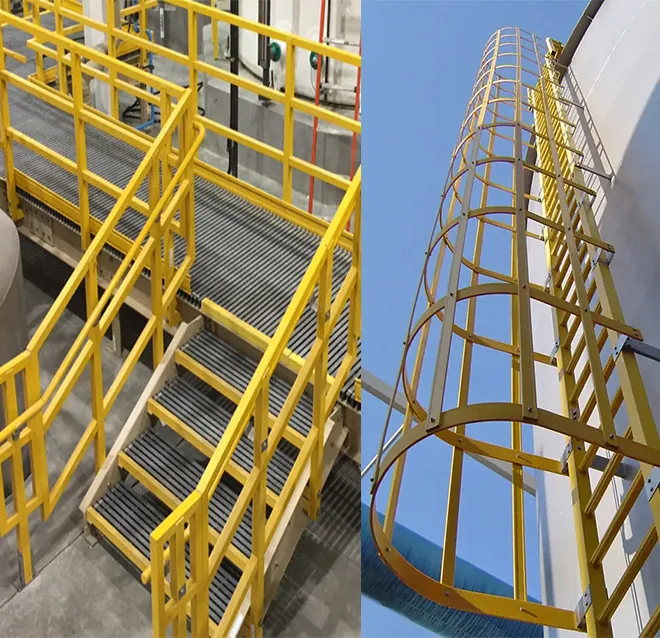
Göteborg’s terminals mix car carriers, Ro-Ro ramps, vehicle stacking grounds, container blocks and heavy-lift laydown areas on shared decks. Decks and walkways must carry published loads for staff, trolleys, forklifts and occasional service vehicles; retain grip when wet, oily or salt-sprayed; keep cable trenches, drainage channels and pipe runs along quays and stacking grounds covered; and hold up to year-round maritime air. Pultruded panels provide long spans over quay and yard structures; molded panels fit general apron and aisle traffic; solid covers seal trench and cable openings; anti-slip nosing treads serve ramps, stair towers and vessel access; non-conductive handrails support electrical safety in lighting, pump and substation zones.
Resin selection follows the site exposure: general-purpose polyester for dry mild zones, isophthalic polyester for moderate wash-down and damp, vinyl-ester for heavy chemical, fuel-oil and chloride areas. We supply resin compatibility guidance for fuels, oils, detergents and any stored chemicals on site.
Recommended Products for Gothenburg Projects
- 38 mm Molded FRP Grating — general terminal, apron and yard walkways, gritted surface for wet salty decks.
- 50 mm Pultruded FRP Grating — long-span quay platforms, heavy-lift aprons and yard structures.
- Vinyl-Ester / Isophthalic Resin Grating — fuel, oil, salt-spray and wash-down zones.
- FRP Stair Treads & Solid Trench Covers — anti-slip ramp and tower treads with sealed channel and cable-trench covers.
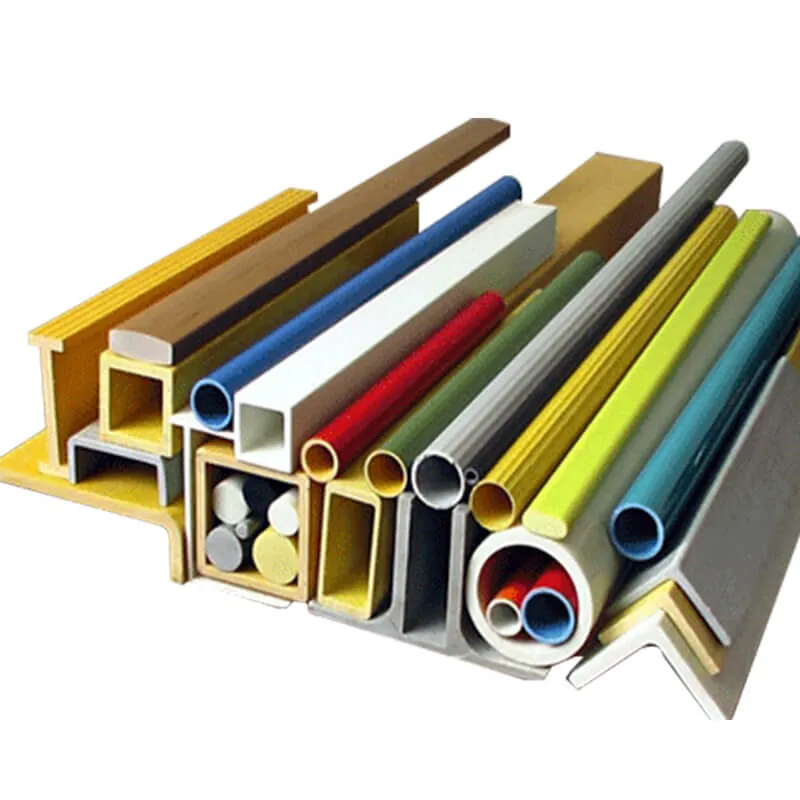
- FRP Handrail & Profile Systems — composite guardrails, beams and channels for quays, aprons and access towers.
West-Coast Maritime Climate and Salt Spray Performance
West-coast Sweden has a humid maritime climate shaped by the Skagerrak and Kattegat: cool windy winters, mild summers, frequent rain, sea mist and salt-laden westerly winds off the archipelago. Terminal and Ro-Ro operations add fuels, lubricants, wash-down runoff and road dirt; seafood and cold-store sites add brine, moisture and sanitizers; repair yards add abrasion and cutting fluids. Where unprotected steel decks rust and shed scale in this damp, salt-laden air, the composite stays rust-free and keeps rust particles out of working areas; the resin-rich surface veil resists moisture and oils; gritted or concave finishes keep wet grip; isophthalic or vinyl-ester systems stand up to the chlorides that shorten steel life, and the material stays non-sparking near batteries, fuel handling and electrical gear.
Why Gothenburg Buyers Source Direct from ZEALL
Since 2004, our factory has reached 45+ countries with 200+ employees and 541 reviews averaging 4.9/5. Direct factory supply avoids layered trading margins while our engineering team assists with resin selection, span and load design and panel layout at no extra cost. Standard panels are produced in 15–25 days; overall delivery is 12–36 working days including sea transit and Swedish clearance; the minimum order is 10 m². One WhatsApp line and the sales email keep quotes, samples and LCL consolidation coordinated for terminal operators, vehicle-export firms, maritime contractors and distributors across Göteborg, Västra Götaland and west Sweden.
Whether a Ro-Ro apron refurbishment, a container-yard walkway renewal, or a cold-store cover set, we match resin grade, thickness and mesh to the salt-air, oil and loading conditions and phase deliveries around terminal or shutdown schedules.
Frequently Asked Questions
Yes. Molded and pultruded panels go to car-export berths, vehicle stacking grounds, container blocks, quay decks and warehouse mezzanines; treads, trench covers and composite handrails are matched to salt air, wash-down and vehicle-fluid exposure.
- Sweden FRP Grating Supplier
- Gothenburg (this page)
- Stockholm
- Malmo
- Pulp Paper