FRP Grating for Spanish Petrochemical Clusters and Desalination
Spain’s chemical and water sectors share a demanding common environment: acidic and caustic process streams, brine and chlorides, damp corrosive atmospheres, wash-down and maintenance chemistry, plus coastal salt air at many sites. The petrochemical map runs from the Tarragona chemical park — one of the most important clusters in southern Europe — through Huelva’s refinery and phosphate operations, the Basque Country Muskiz–Abanto refining and specialty-chemical corridor, the Barcelona-Zona Franca chemical area, Castellón and the Cartagena refinery in Murcia. Seawater desalination plants concentrate along the Mediterranean arc, the southeast and the Canary and Balearic Islands, where reverse-osmosis intakes, brine discharge, pretreatments and chemical dosing expose walkways and platforms to salt and reagents year-round.
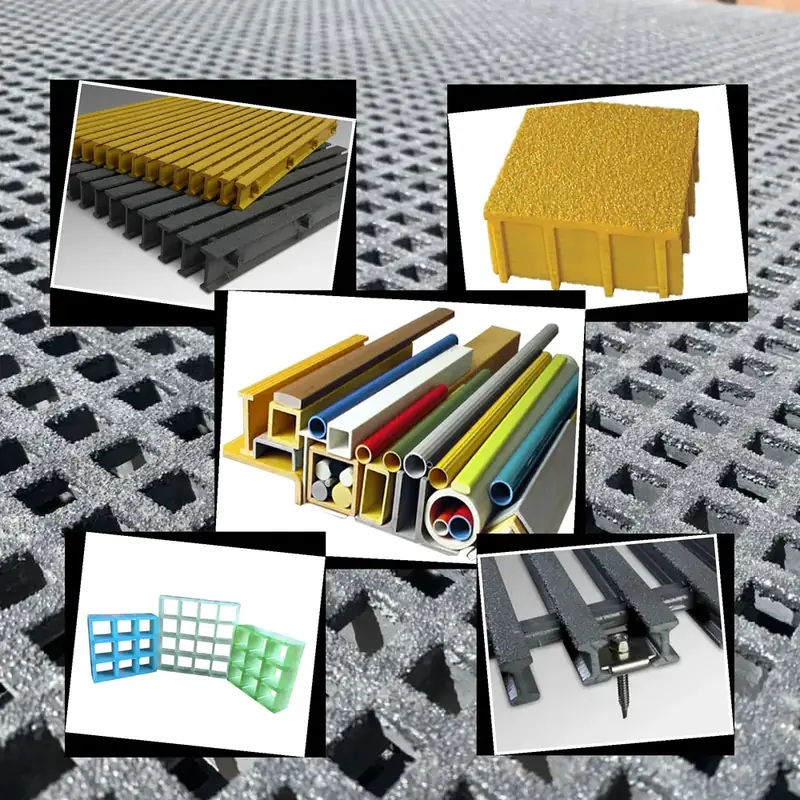
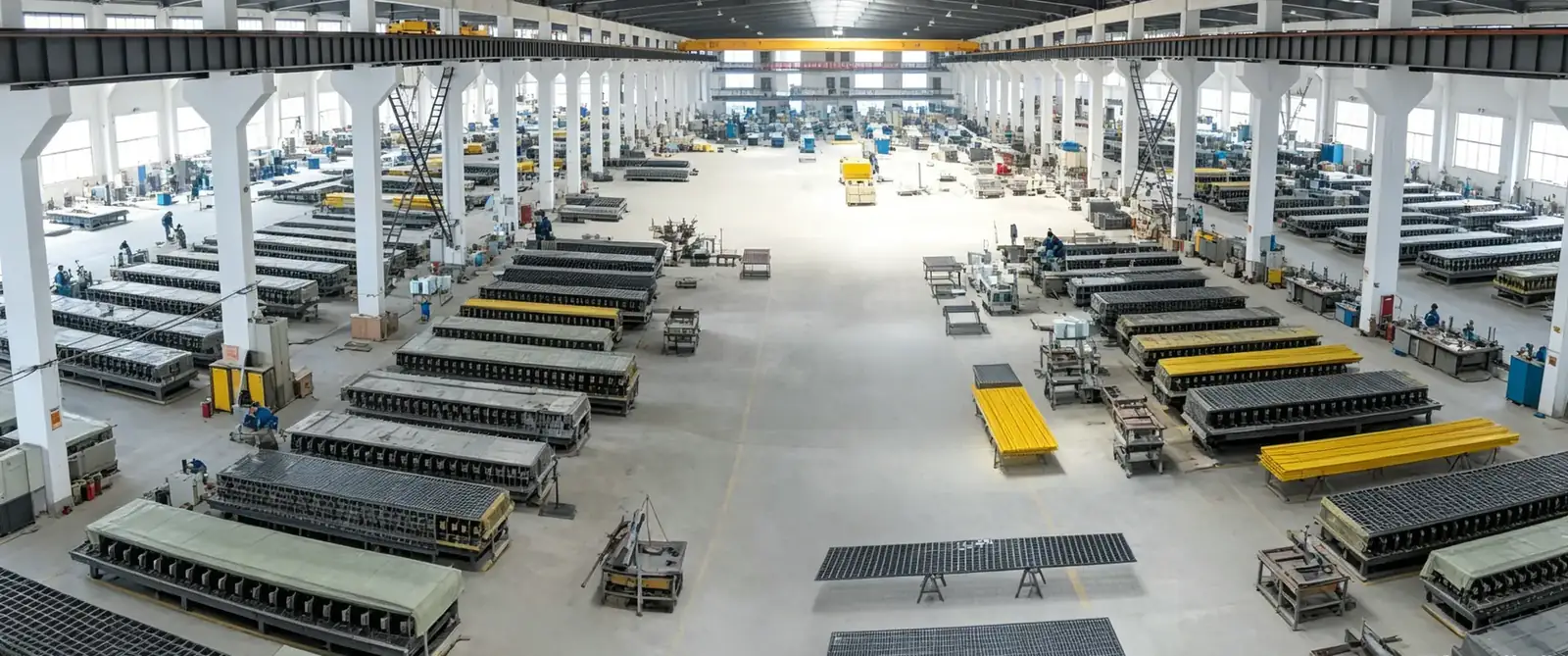
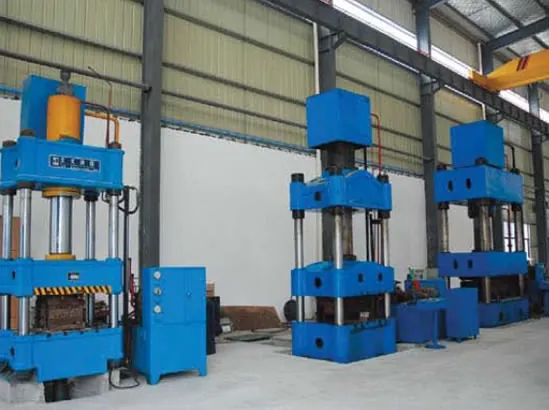
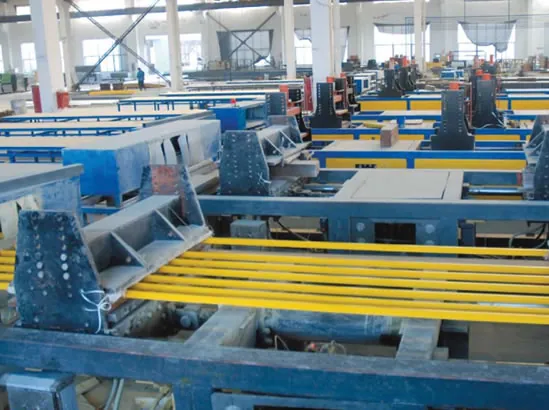
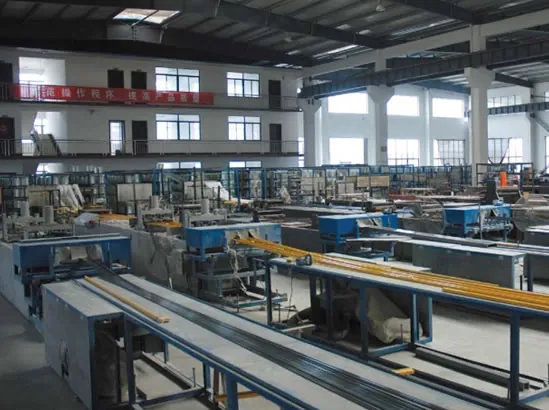
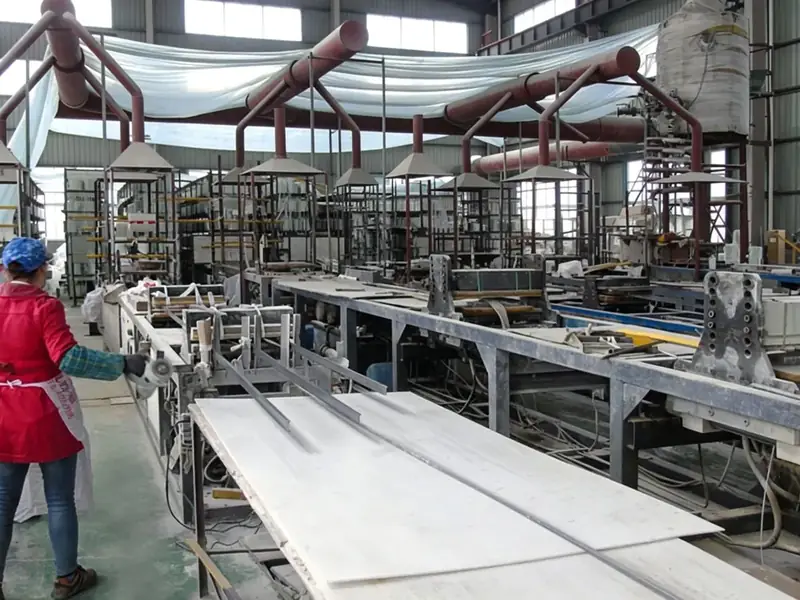
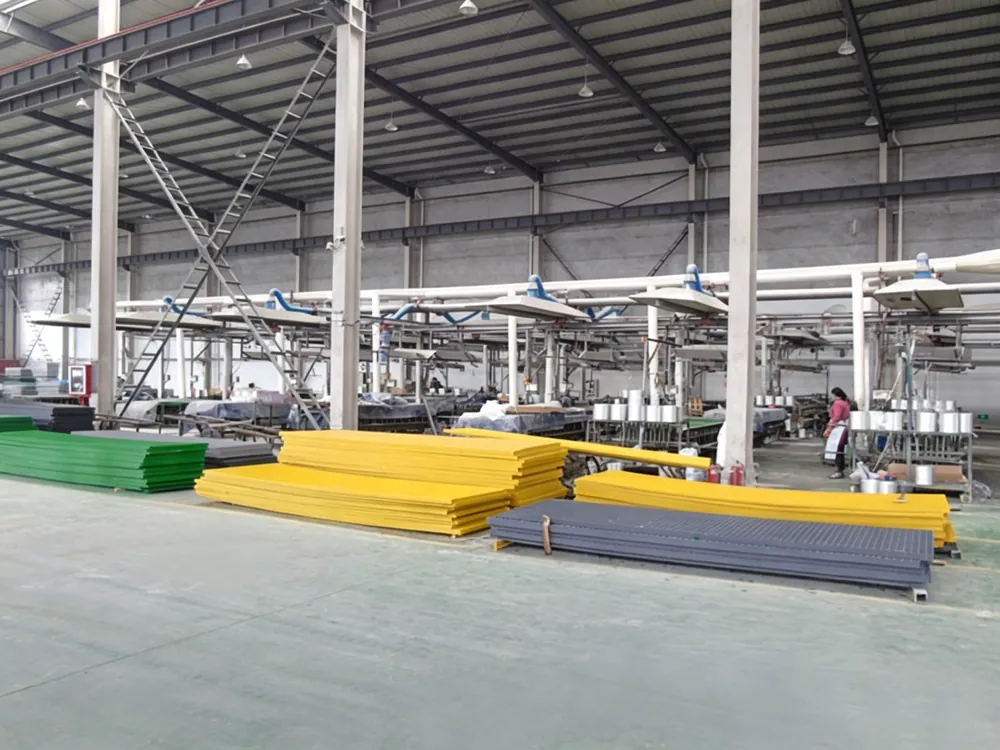
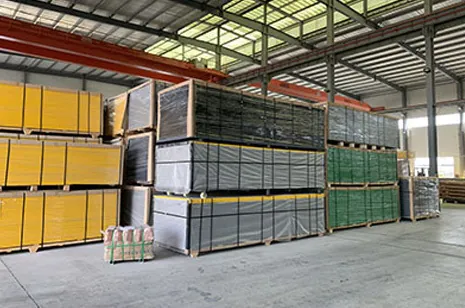
For chemical operators, desalination contractors, EPC firms and maintenance teams, FRP/GRP grating supplies a non-rusting, non-sparking, non-conductive and chemically resistant walking surface for these corrosive services. As a direct fiberglass grating manufacturer founded in 2004, NANTONG ZEALL supplies panels, stair treads, solid covers and clips to chemical and water projects across Spain, with in-house engineering support and factory-direct pricing from USD 15–95 per square metre.
Supply Routing to Spanish Chemical and Desalination Sites
Chemical and desalination projects receive imported grating through the nearest main port. Mediterranean clusters — Tarragona, Barcelona, Castellón, Cartagena, Alicante and Murcia plants — discharge via Suez Canal services in approximately 30–38 days port-to-port, then continue inland by road or short rail. Atlantic-facing sites such as Huelva and the Basque Country refineries are served on Atlantic or Strait-of-Gibraltar loops, typically approximately 35–45 days port-to-port; Canary Island plants arrive via transshipment through Algeciras, Las Palmas or Tenerife feeder services. We ship FOB Shanghai or Ningbo and can consolidate LCL cargo for maintenance, retrofit and spare-parts packages aligned to plant shutdown schedules.
Clearance for mainland sites is handled by AEAT through a licensed customs broker under the appropriate HS classification; customs assesses import duty and IVA at the standard 21% Spanish rate, with the exact duty confirmed by your broker according to classification and origin. Canary Islands imports follow the separate special-tax regime; your broker confirms the applicable treatment. We supply the commercial invoice, packing list, bill of lading and certificate of origin for each entry.
Petrochemical Clusters Served Across Spain
- Tarragona Chemical Park — refining, petrochemical and polymer plants with process structures, pipe racks and tank-farm walkways exposed to acids, solvents and sour service.
- Huelva Refining & Phosphate Zone — process decks, reagent areas and access platforms facing phosphates, acids and wet corrosive air.
- Basque Country Refining & Speciality Chemicals — Muskiz–Abanto tank farms, reactor platforms and maintenance stairs in the Atlantic salt-air corridor.
- Barcelona-Zona Franca & Castellón Chemicals — storage and production walkways facing solvents, vapours and wash-down.
- Cartagena Refinery, Murcia — refinery structures, utility platforms and liquid-bulk access on the southeast Mediterranean coast.
- Associated Utilities & Offsites — flare and pump stations, cable trenches, effluent treatment and chemical-dosing areas across the clusters.
Seawater Desalination Plants and Brine Exposure
Spain operates one of Europe’s largest seawater desalination fleets, with reverse-osmosis (SWRO) plants in Torrevieja and Alicante (Valencian Community), Águilas and Valdelentisco (Murcia), Carboneras, the Bajo Almanzora and Campo de Dalías (Almería), Sagunto (Valencia), the Canary Islands — Lanzarote, Fuerteventura, Gran Canaria and Tenerife — the Balearics, and brackish and membrane-reuse facilities around Barcelona and Málaga. At each plant, seawater intake galleries, pretreatment decks, high-pressure pump areas, membrane racks, chemical-dosing rooms and brine outfall platforms face continuous saltwater, brine concentrate, chlorides, antiscalants, acid and alkali dosing, and humid corrosive atmosphere. Steel walkways and trench covers in these areas corrode quickly and require repeated blasting and repainting; FRP resists the brine and reagent environment without rust or ongoing paint maintenance.
Chemical and Brine Resistance: Resin Selection
Resin choice follows the actual exposure. General-purpose polyester suits dry, mild utility and access areas; isophthalic polyester handles moderate acid, brine, wash-down and damp service in pretreatments and secondary decks; vinyl-ester resin is specified for heavy chemical, sour-service, solvent, strong acid or caustic and high-brine zones such as reactor platforms, reagent rooms, brine outfalls and effluent areas. Panels are sized from load and deflection tables for the support spacing and live load; a resin-rich surface veil limits chemical uptake and fibre exposure; gritted or concave surfaces retain wet grip; and solid covers protect channels, cable trenches and dosing lines. We supply resin compatibility tables for the specific acids, caustics, antiscalants and brine concentrations on site, so your process engineer can match the panel to the service.
Recommended Products for Chemical and Desalination Works
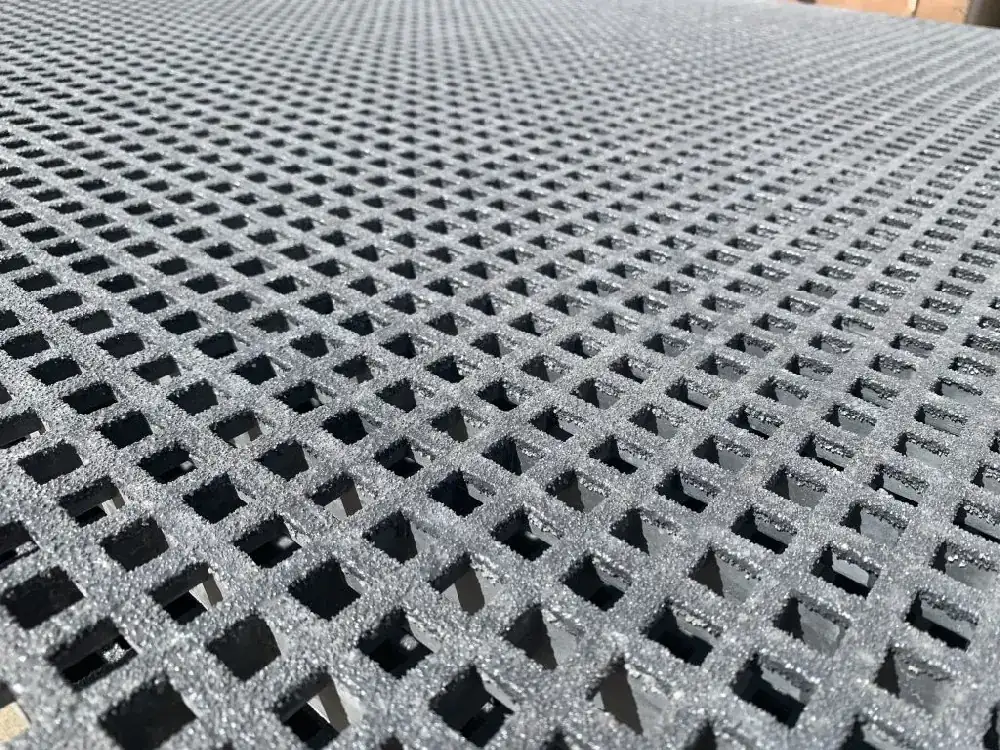
- 38 mm Molded FRP Grating — general plant, pretreatment and terminal walkways, gritted or concave surface.
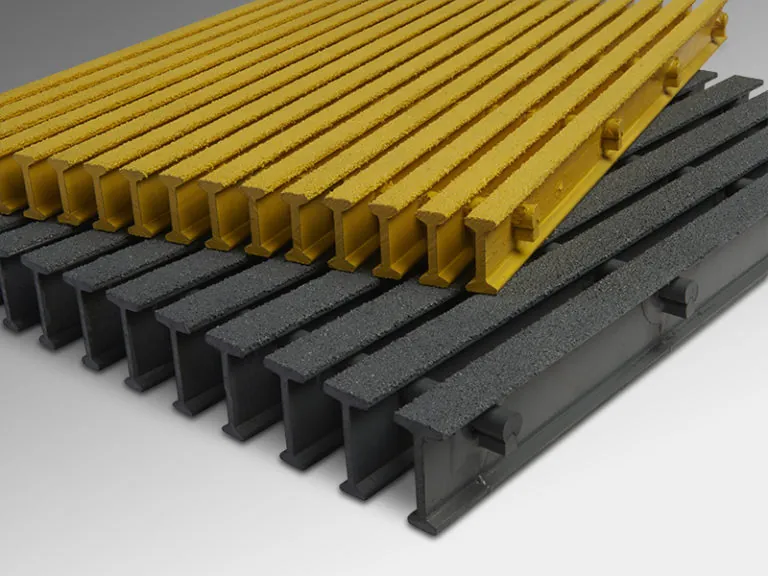
- 50 mm Pultruded FRP Grating — long-span pipe racks, tank-farm platforms and heavy-duty process structures.
- Vinyl-Ester Resin Grating — reactor, reagent, brine-outfall and heavy chemical zones.
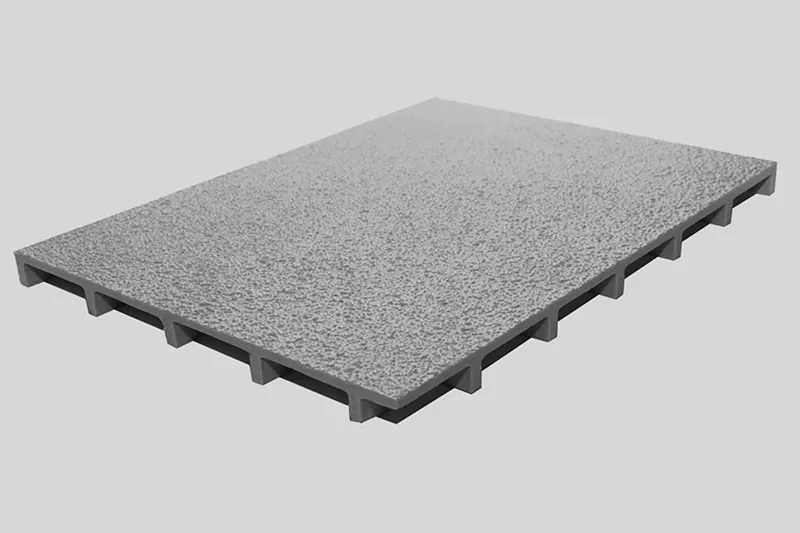
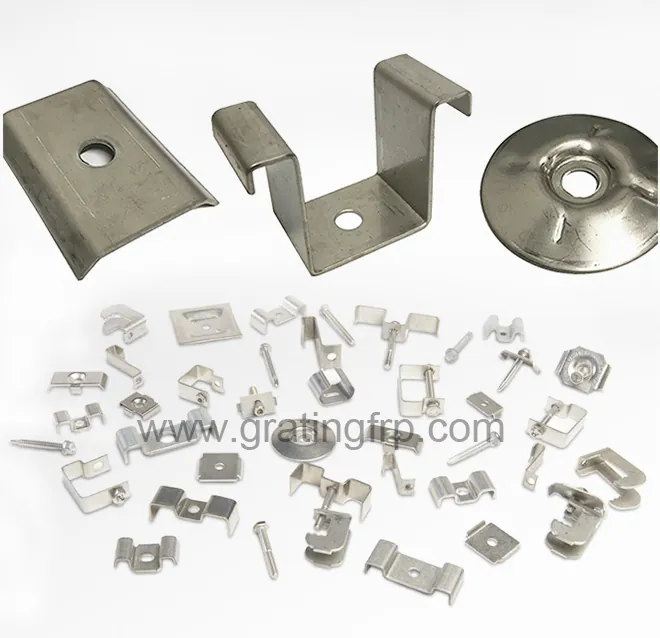
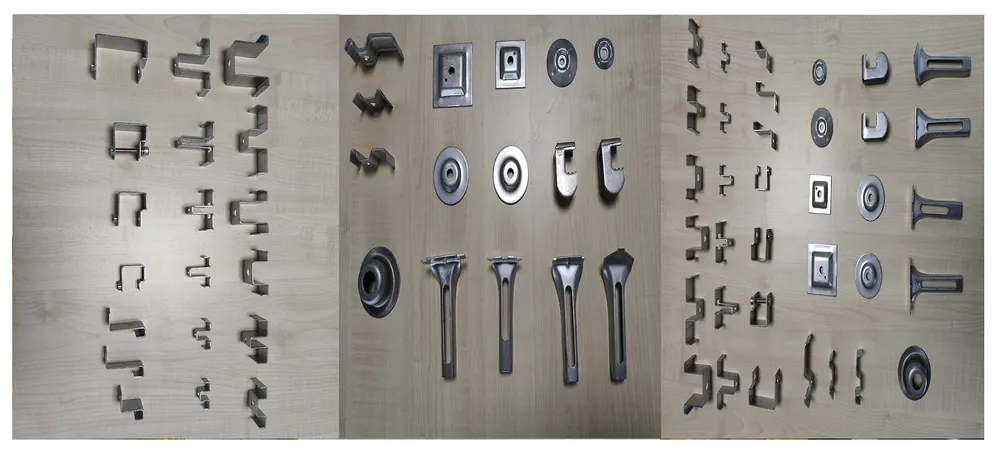
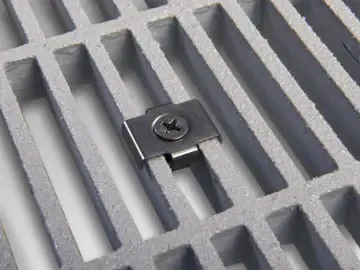
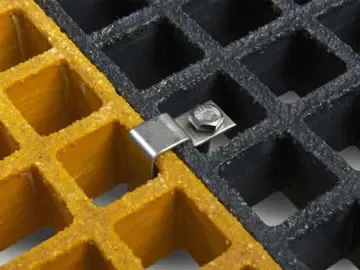
- FRP Stair Treads & Solid Covers — anti-slip tower treads and watertight trench, tank and dosing-line covers with M/C/L clips.
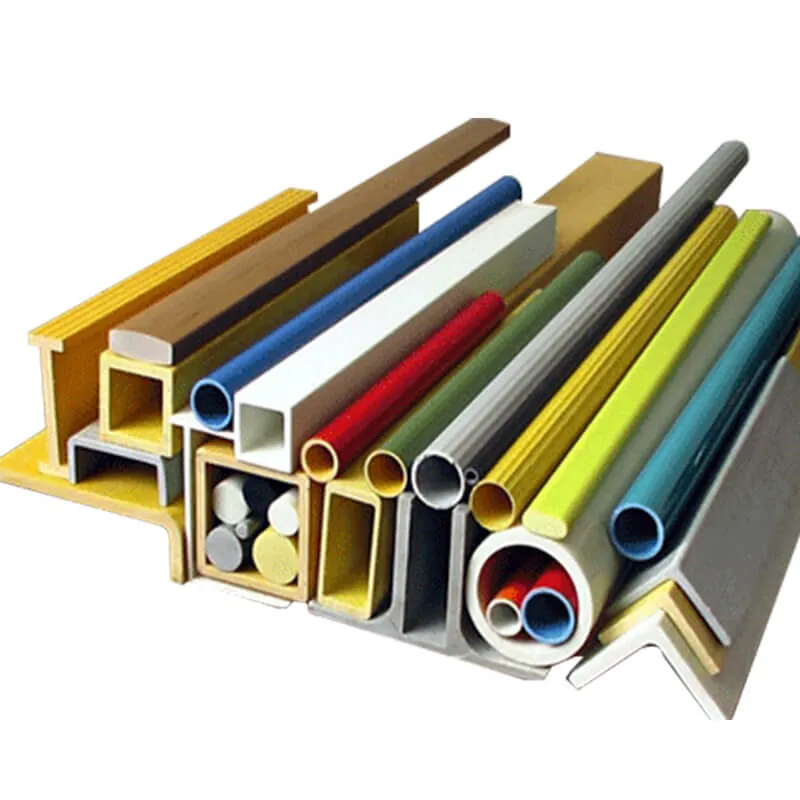
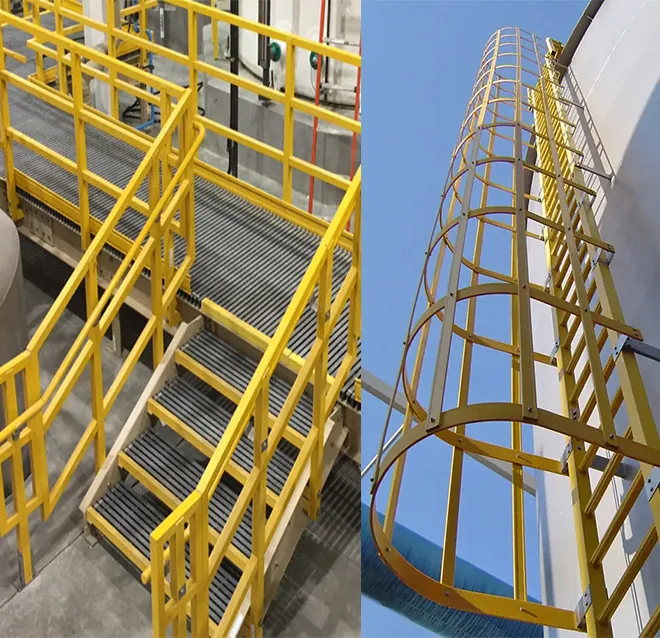
- FRP Handrail & Profile Systems — composite guardrails, channels and beams for offshore-wind-style platforms and access towers.
Why Chemical and Water-Project Buyers Source Direct
Since 2004, NANTONG ZEALL has grown to 200+ employees, shipped to 45+ countries and earned 541 customer reviews at an average 4.9/5. Factory-direct supply removes intermediary margins while our engineering team supports resin selection, panel layout, load calculations and compatibility matching free of charge. Standard gratings are produced in 15–25 days, with overall delivery of 12–36 working days including sea freight and customs clearance; the minimum order is 10 m². One WhatsApp sales line and the sales email keep quotes, samples and phased shutdown supply coordinated for EPC contractors, plant owners and desalination operators across mainland Spain and the islands.
Whether a brine-platform renewal at an SWRO plant, a reactor-area walkway package in a petrochemical cluster, or trench covers for a dosing and effluent unit, we align resin grade, thickness, mesh and cover type to the chemical and chloride exposure, and match the cut list to your plant drawings before production starts.
Frequently Asked Questions
We serve the Tarragona, Huelva, Basque Country, Barcelona-Zona Franca, Castellón and Cartagena chemical clusters, plus SWRO and brackish plants in Alicante, Murcia, Almería, Valencia, the Canary and Balearic Islands and the Barcelona-Málaga coast.
- Spain FRP Grating Supplier
- Valencia
- Barcelona
- Bilbao
- Algeciras
- Chemical Desalination (this page)