FRP Grating in Cape Town: Atlantic Seaboard and the Cape of Good Hope Gateway
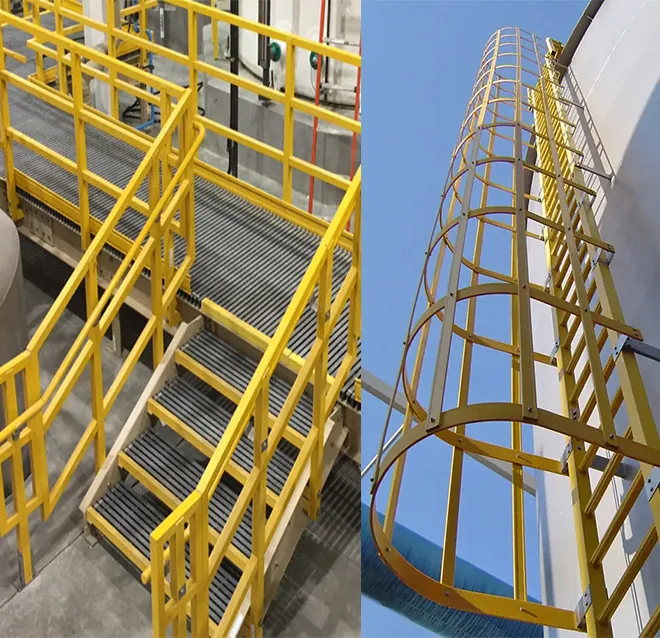
Cape Town sits on Table Bay on South Africa’s Atlantic coast, framed by Table Mountain and opening onto the sea route around the Cape of Good Hope. The Port of Cape Town handles container, break-bulk, tanker and ship-repair traffic for the Western Cape, and the surrounding region hosts marine supply yards, food and beverage processing, chemical and wastewater works, cold storage and coastal infrastructure. For these buyers, FRP grating (GRP grating) gives a lightweight, non-sparking and non-conductive walkway surface that stands up to Atlantic salt spray, strong wind and wash-down without the rust and repainting burden of carbon steel.
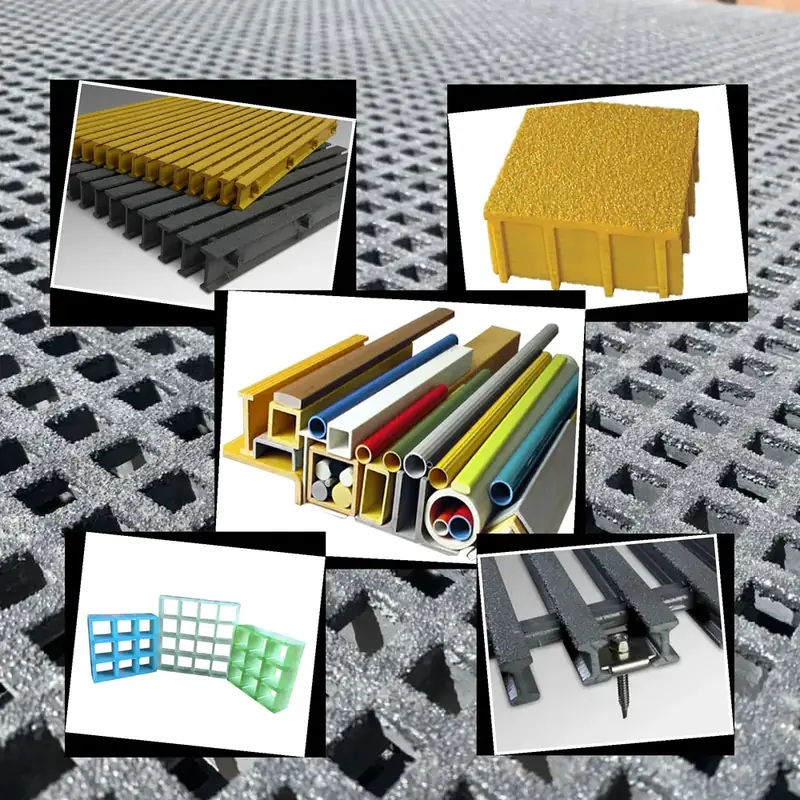
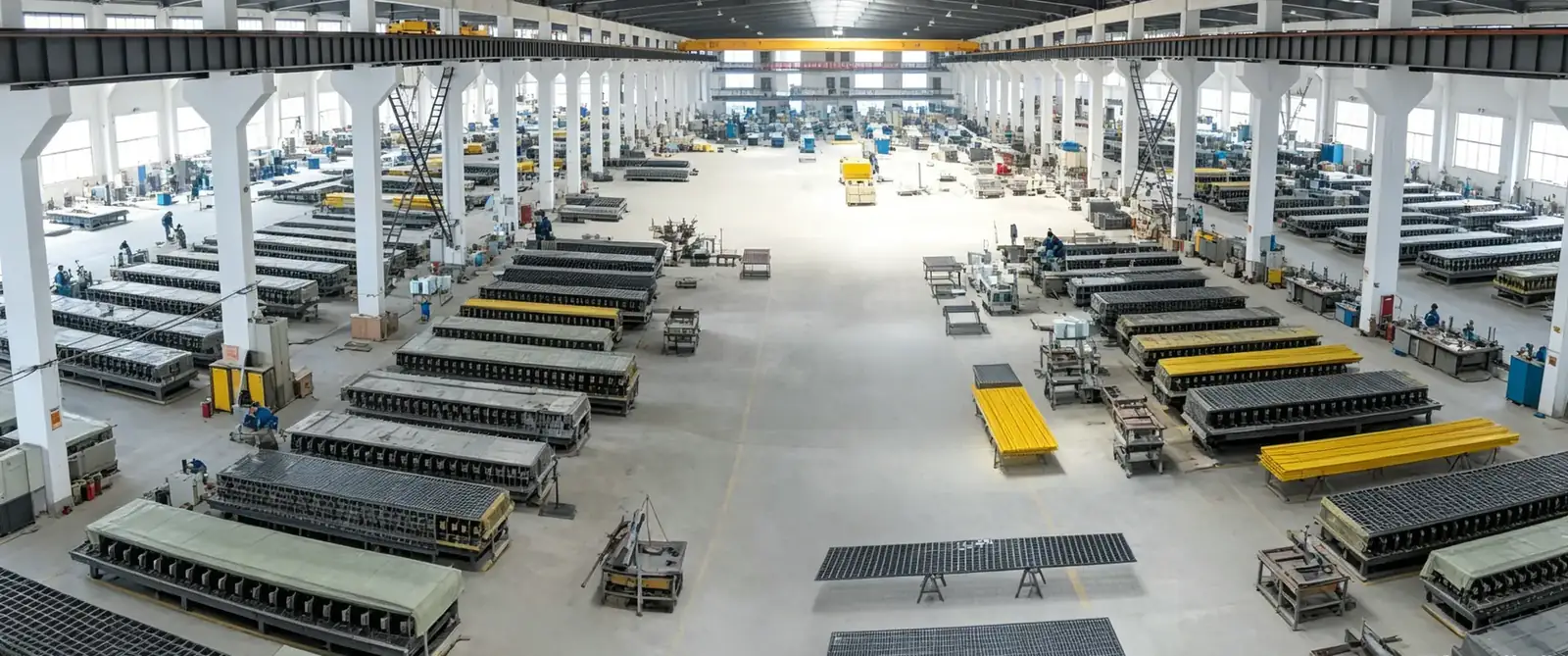
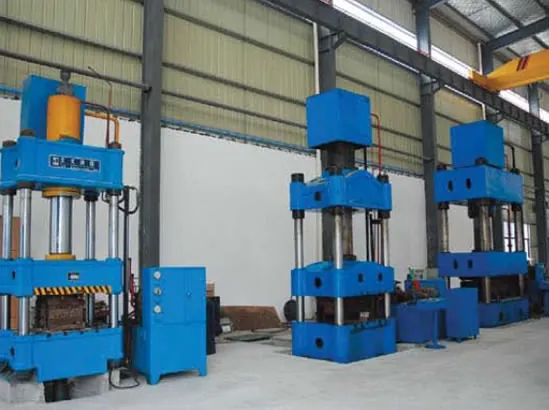
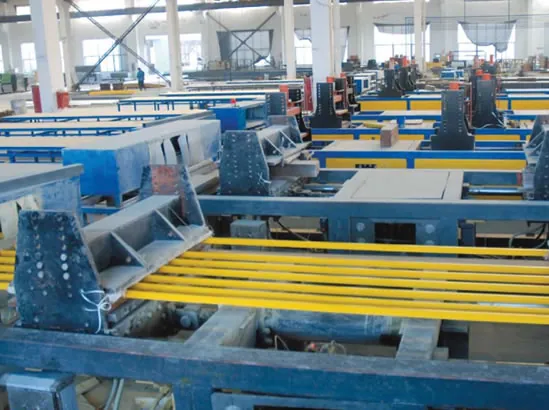
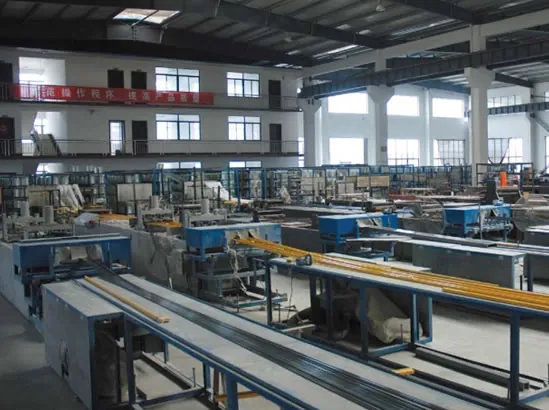
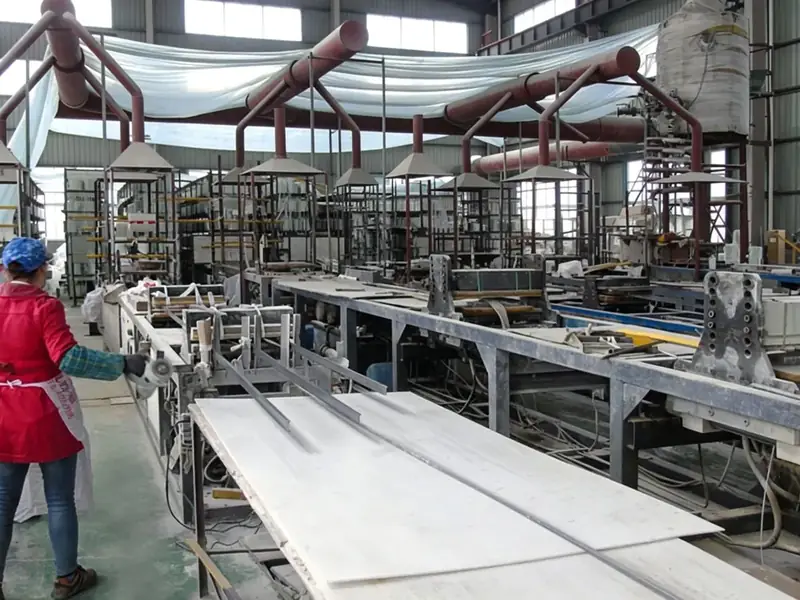
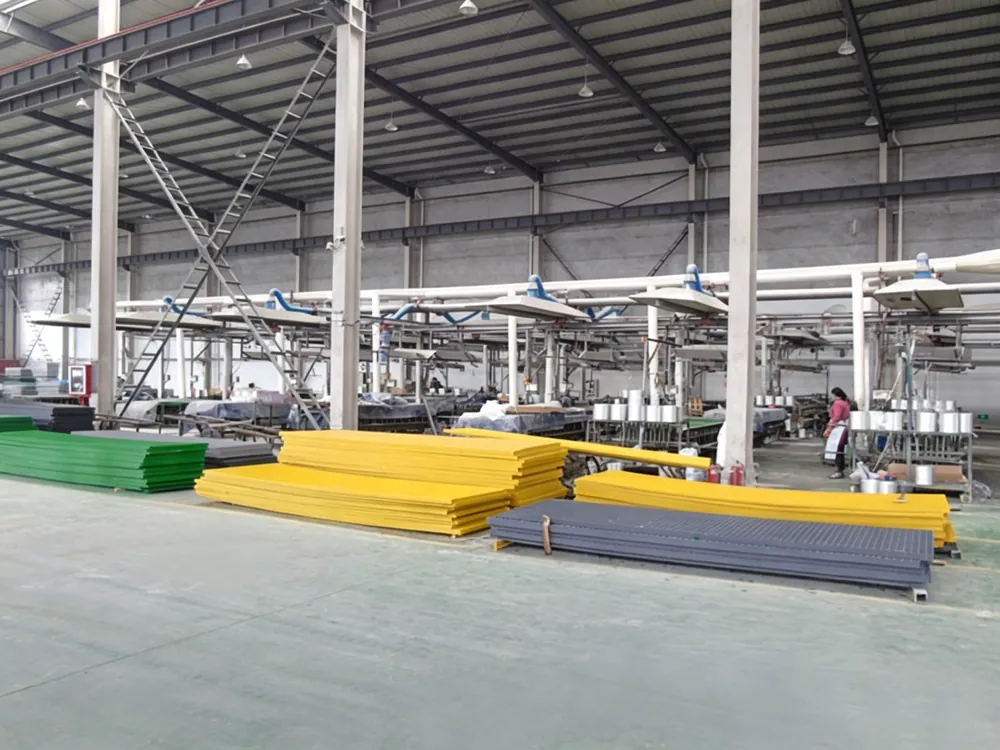
As a direct FRP grating manufacturer, NANTONG ZEALL supplies Cape Town and Western Cape project owners with molded and pultruded fiberglass grating, stair treads, solid covers and clips, backed by in-house engineering support and factory-direct pricing from USD 15-95 per square meter.
How FRP Grating Reaches Cape Town: Rounding the Cape of Good Hope
Cape Town is on the Atlantic rather than the Indian Ocean. The all-water route from Shanghai or Ningbo crosses the Indian Ocean, rounds the Cape of Good Hope and enters Table Bay at the Port of Cape Town, typically taking approximately 30–40 days port-to-port depending on vessel schedule and port congestion. A second option discharges at Durban on the Indian Ocean coast and continues by road or rail across the country to the Western Cape, which can rebalance carrier capacity but adds inland handling.
Clearance is handled by the South African Revenue Service (SARS) under the appropriate customs tariff classification, supported by a commercial invoice and packing list. South Africa applies a value-added tax at 15%; your licensed customs broker can confirm the current duty, VAT treatment and documentary requirements. Local practice may reference SANS standards; panels are sized to the engineer’s specification rather than assumed to meet a particular local clause.
Key Cape Town and Western Cape Industries Using FRP Grating
- Port and Ship Repair — docks, dry-dock approaches, quayside walkways and repair yards exposed to salt spray and hull wash-down.
- Marine and Offshore Supply — supply-base storage platforms, laydown areas and gangways serving fishing, shipping and offshore support.
- Wine, Food and Beverage — processing, bottling and wash-down floors where spills, moisture and sanitation demand a corrosion-resistant surface.
- Chemical and Wastewater — process plants, treatment and pumping works facing damp air and corrosive gases.
- Construction and Infrastructure — bridge access, retaining-wall walkways and public-boardwalk decking in coastal projects.
- Cold Storage and Logistics — warehouse platforms, trench covers and mezzanine walkways in port-adjacent distribution facilities.
Standards and Safety Context for Western Cape Buyers
Industrial walkways in South Africa are generally specified against applicable local and international walking-working surface requirements, with our gratings tested to ASTM E-84 for surface burning characteristics and ASTM F3059 for fiberglass grating, and produced under an ISO 9001 quality management system. Engineers size panels against published load and deflection tables for the actual support spacing and load case.
We state only the certifications the company holds — ISO 9001, ASTM E-84, ASTM F3059, ABS, Intertek, SGS and CE — without reference numbers or expiry dates, and we do not claim marks the company does not hold.
Recommended Products for Cape Town Projects
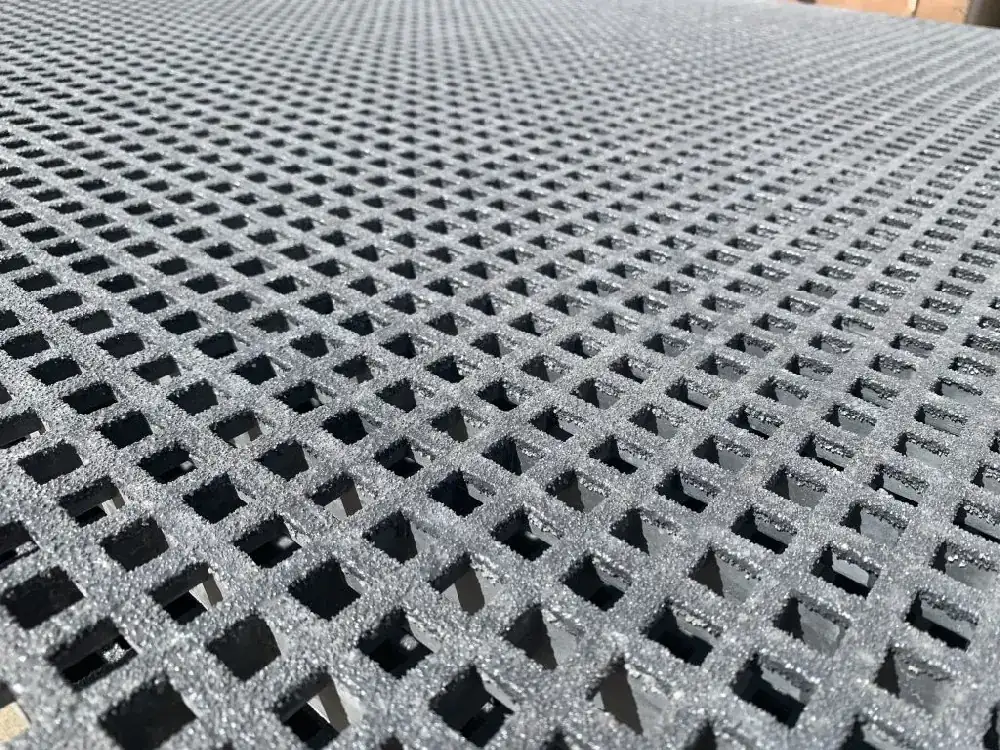
- 38 mm Molded FRP Grating — bi-directional strength for general walkways, grit-top or concave anti-slip surface.
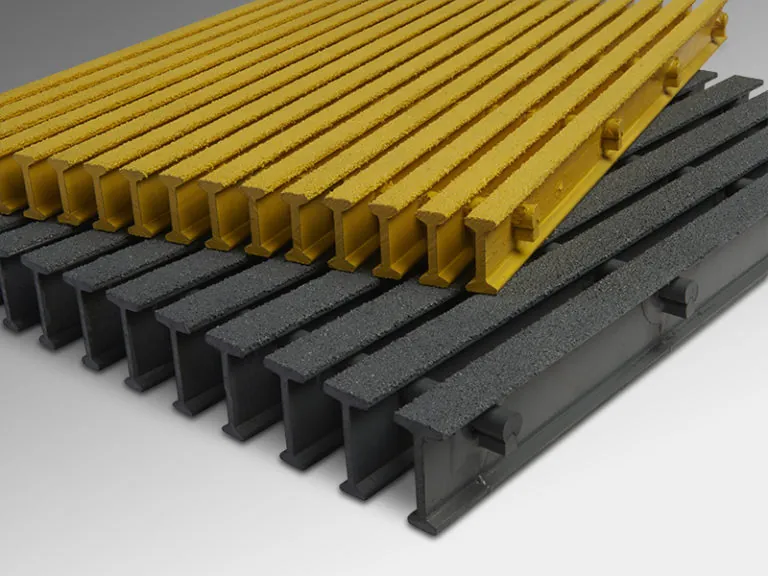
- 50 mm Pultruded FRP Grating — high uni-directional capacity for long spans and heavy-duty supply-base platforms.
- Vinyl-Ester Resin Grating — upgraded corrosion resistance for coastal chemical and wash-down areas.
- FRP Stair Treads — anti-slip treads with integrated nosing for port structures and access towers.
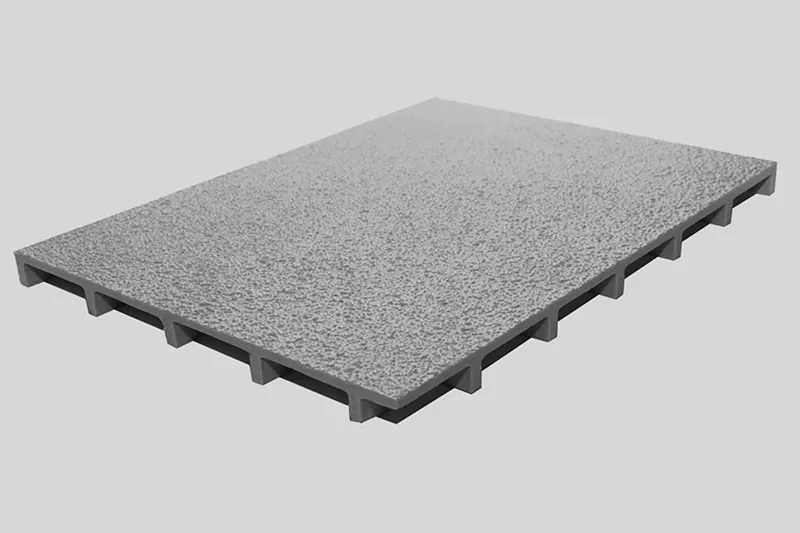
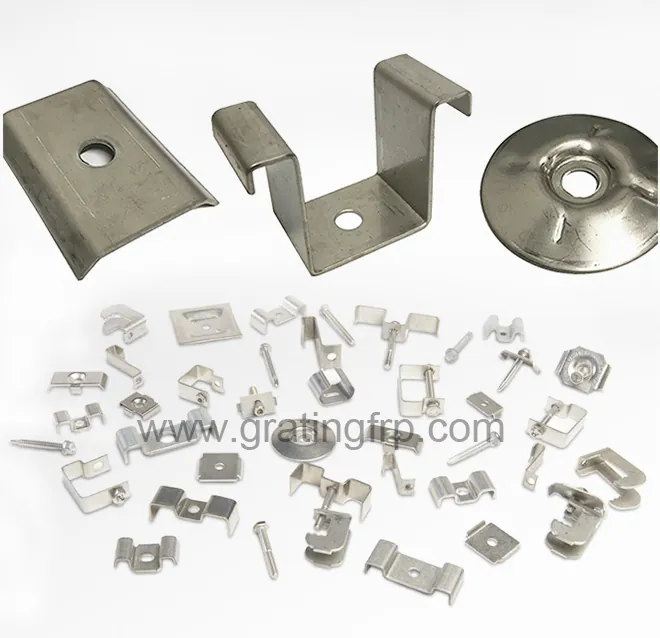
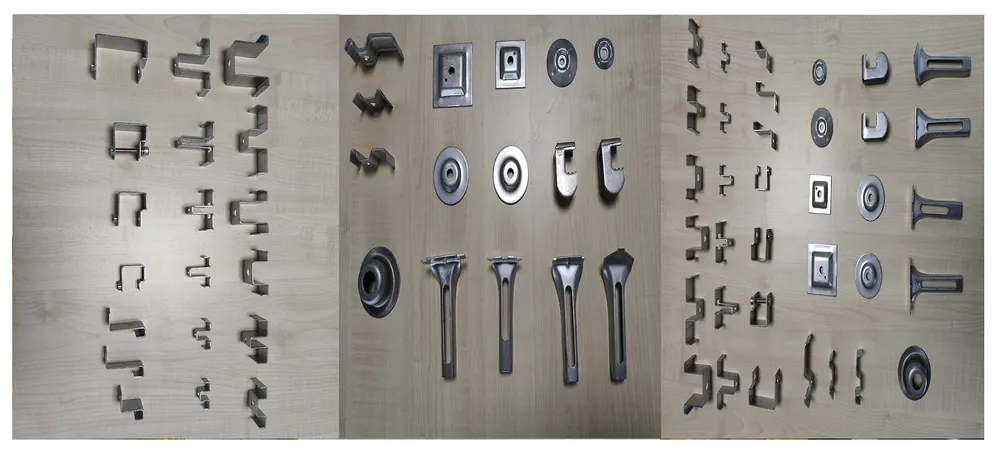
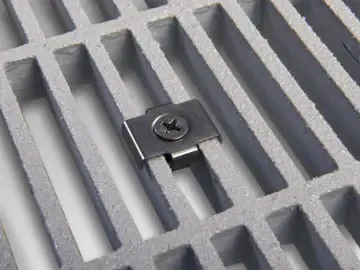
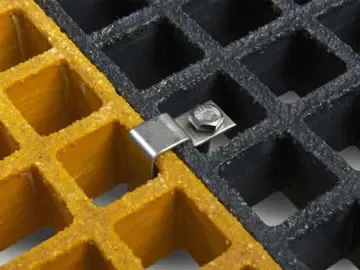
- FRP Covers and Clips — solid trench and tank covers with M, C and L fasteners.
Mediterranean Climate, Cape Wind and Salt Corrosion
The Western Cape has a Mediterranean climate with dry, sunny summers and wetter winters, a strong south-easterly wind known locally as the Cape Doctor, and constant Atlantic salt spray along the coast. A resin-rich surface veil and UV-stabilized formulation slow chalking and fiber prominence under bright sun and wind-driven grit, while gritted surfaces retain traction on damp quays and after winter rain. For corrosive coastal and chemical service, isophthalic polyester or vinyl-ester systems resist the salty and acidic environments that shorten steel life, and the composite will not rust from salt exposure.
Why Cape Town Buyers Source Direct from ZEALL
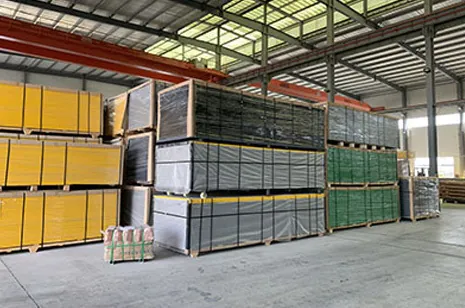
Factory-direct sourcing removes intermediary margins, typically delivering substantial savings versus local and regional suppliers while retaining full engineering control. Standard sizes are produced in 15–25 days, with overall delivery of 12–36 working days depending on specification and routing; the minimum order is 10 square meters. Our export track record covers 45+ countries, supported by 541 customer reviews at an average rating of 4.9 out of 5. The company was established in 2004 and employs more than 200 people. Engineering support includes free load calculations, resin selection and panel layout, and a single WhatsApp sales line and sales email keep quoting and order tracking straightforward, whether the project is a ship-repair quay upgrade or a coastal food-processing platform.
Frequently Asked Questions
Yes. Ocean shipments sail from Shanghai or Ningbo around the Cape of Good Hope into Table Bay, typically approximately 30-40 days port-to-port. We provide the commercial invoice, packing list and supporting documents your broker needs for SARS clearance.
- South Africa FRP Grating Supplier
- Durban
- Cape Town (this page)
- Johannesburg
- Mining Platinum