The Port of Singapore: A Global Transshipment Crossroads
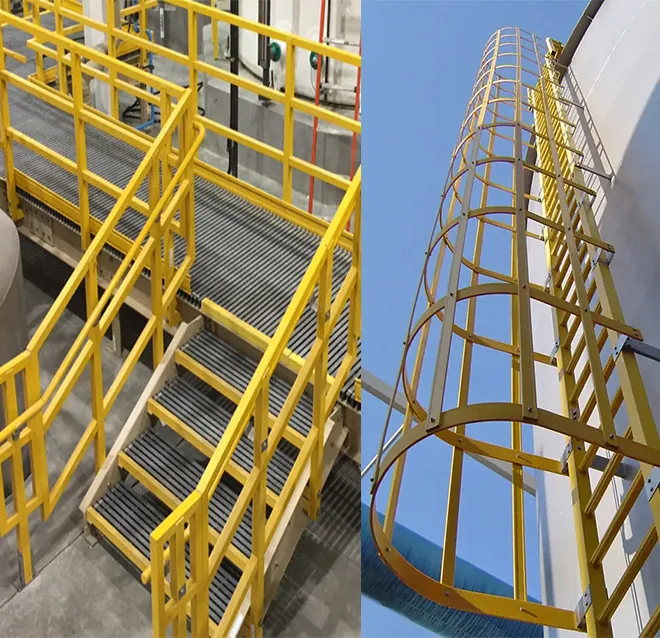
The Port of Singapore is one of the world’s busiest container transshipment hubs, operated principally by PSA Singapore across the Keppel, Brani, Tanjong Pagar and Pasir Panjang terminals, and by Jurong Port, the multi-purpose and bulk terminal on Jurong Lake. Because Singapore sits on the Straits of Malacca — the main shipping lane between the Indian Ocean and the Pacific — vessels of every flag call here to exchange boxes, bunker fuel, spares and crew. For terminal operators, shipyards and offshore supply bases, that constant traffic means walkways, stair towers, wharf edges and trench covers are exposed to salt spray, constant wetting, heavy forklift traffic and diesel and chemical wash-downs.
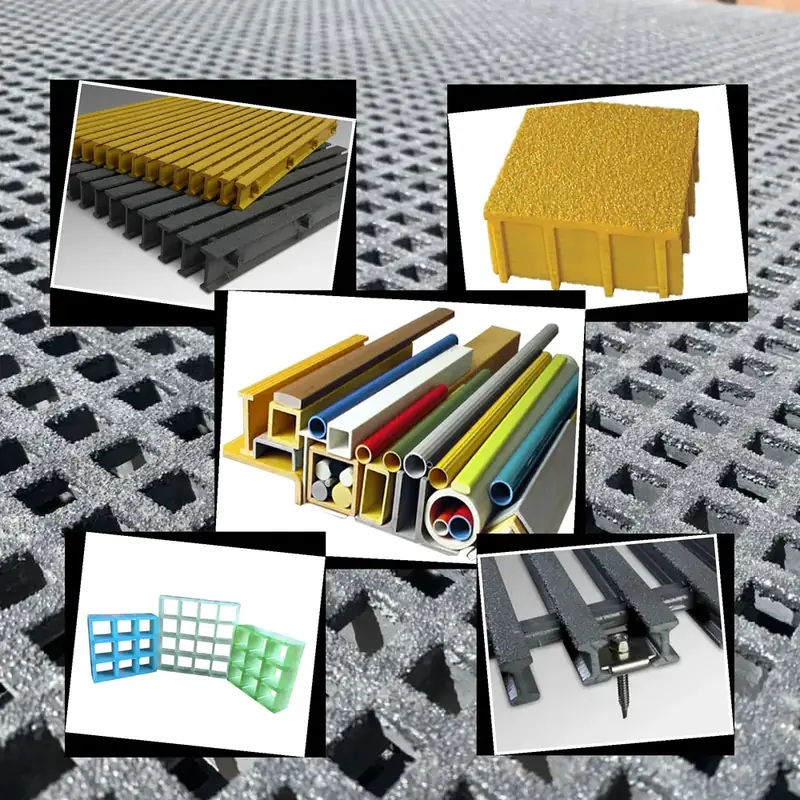
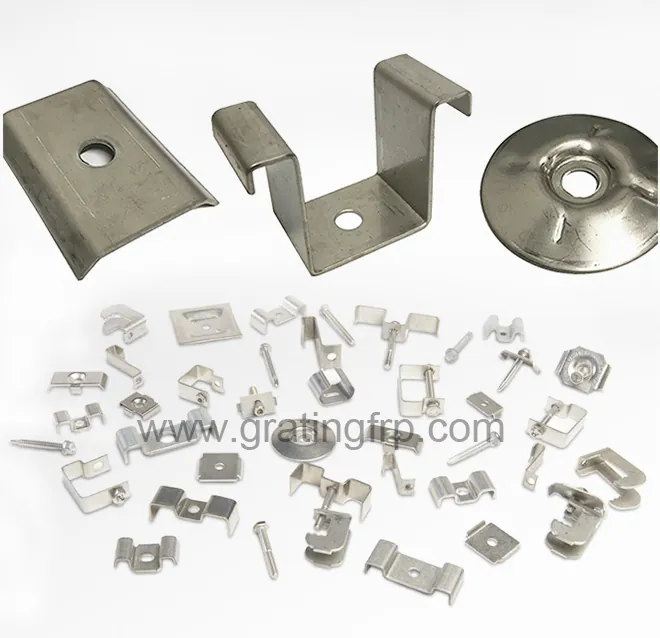
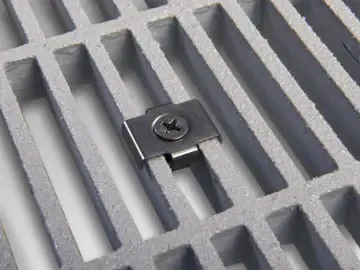
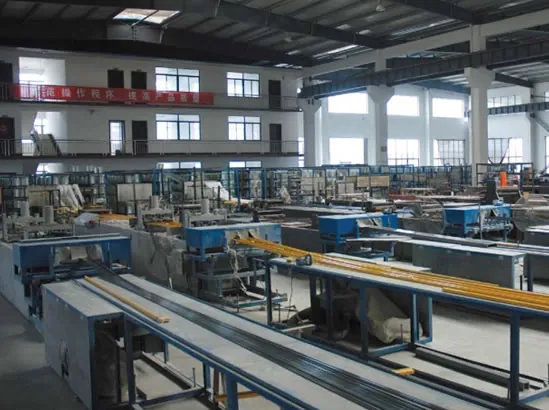
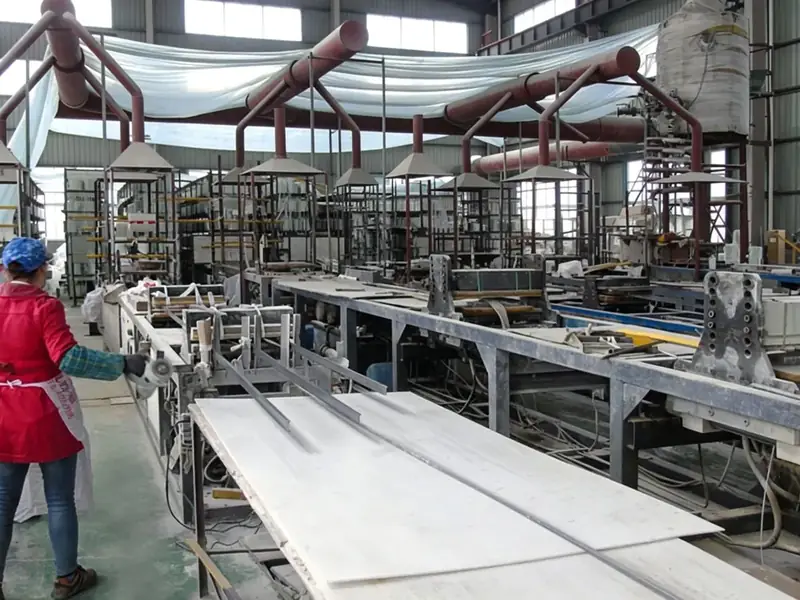
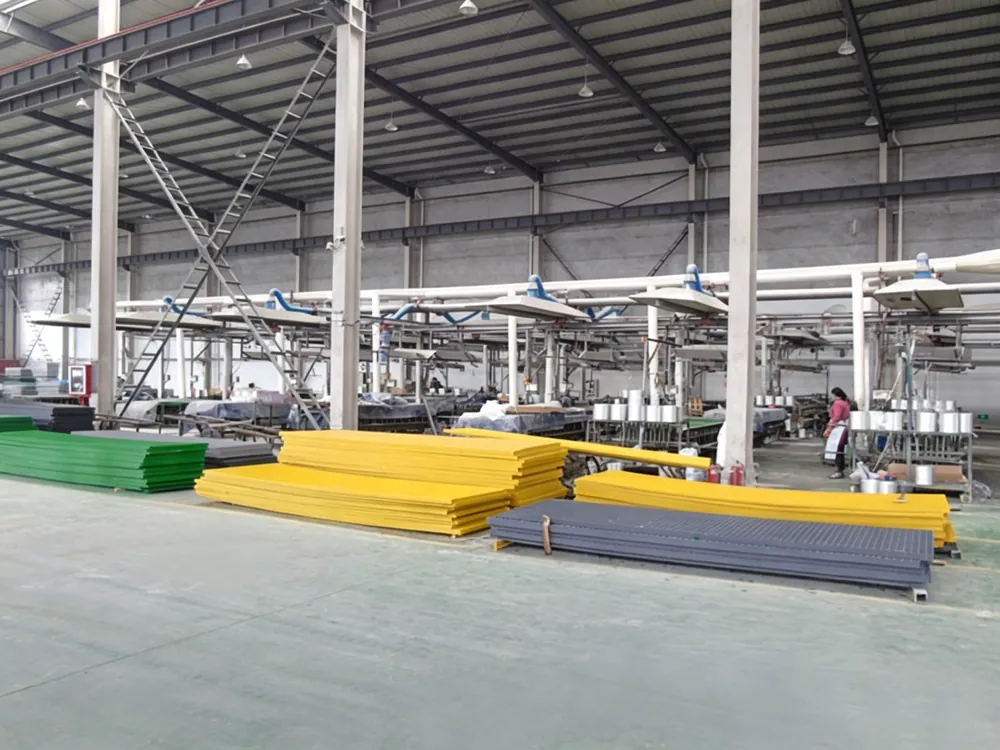
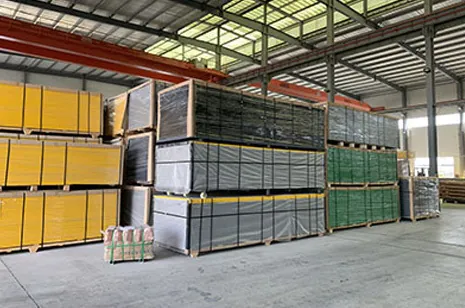
For these environments FRP grating offers a non-rusting, non-sparking and lightweight alternative to steel dock plate. As a direct FRP/GRP grating manufacturer, NANTONG ZEALL supplies Singapore port projects with molded and pultruded fiberglass grating, solid covers, stair treads and clips at factory-direct pricing from USD 15–95 per square metre.
Routing to Singapore: Short Sea from East Asia
Material from our Shanghai and Ningbo plant sails south through the South China Sea directly to Singapore, typically taking approximately 7–10 days port-to-port on scheduled container services — one of the shortest maritime legs in our export program. Consolidated LCL shipments and full 20’/40’ containers both discharge at PSA or Jurong Port, and from there trucks move the panels a short distance to terminal yards, shipyards or on-dock projects on the island.
Clearance is handled by Singapore Customs under a licensed declaring agent. Singapore levies duty on a narrow range of goods; most manufactured composite products enter under a low or zero rate, and the prevailing Goods and Services Tax is applied at import. Your Singapore freight forwarder can confirm the exact HS classification and current tax treatment, and we supply the commercial invoice, packing list and bill of lading they require.
Where FRP Grating Is Used Across Singapore’s Port Estate
- Container Terminal Walkways — wharf aprons, crossover platforms and stair towers exposed to salt spray and reefer traffic.
- Jurong Port Bulk & General Cargo — trench covers and access decks that resist fertilizer, cement and salt dust corrosion.
- Offshore Supply Base — lay-by platforms and gangway approaches at the Marina South and Tuas supply areas.
- Shipyards & Repair Berths — temporary and permanent access around vessels under repair, where non-sparking flooring matters.
- Bunkering & Tank Farms — non-conductive walkways over pipe racks and hose-down areas.
- Cruise & Ferry Terminals — anti-slip passenger gangways and weather decks that stay safe in tropical rain.
Tropical Climate & Salt-Air Performance
Singapore’s equatorial climate brings year-round high temperature, high humidity, intense UV and near-daily afternoon thunderstorms, on top of constant salt air from the Straits. A resin-rich surface veil and UV-stabilized polyester formulation slow chalking and fibre bloom under strong sun, while gritted or concave surfaces retain traction when wet and after monsoon downpours. Because the composite will not rust from salt exposure, it avoids the painting, blasting and hot-work permit cycle that steel dock plate demands in a live terminal. This is particularly valuable at PSA and Jurong Port, where maintenance windows on operating wharves are short and hot work is tightly controlled by terminal safety departments.
Recommended Grating for Port Applications
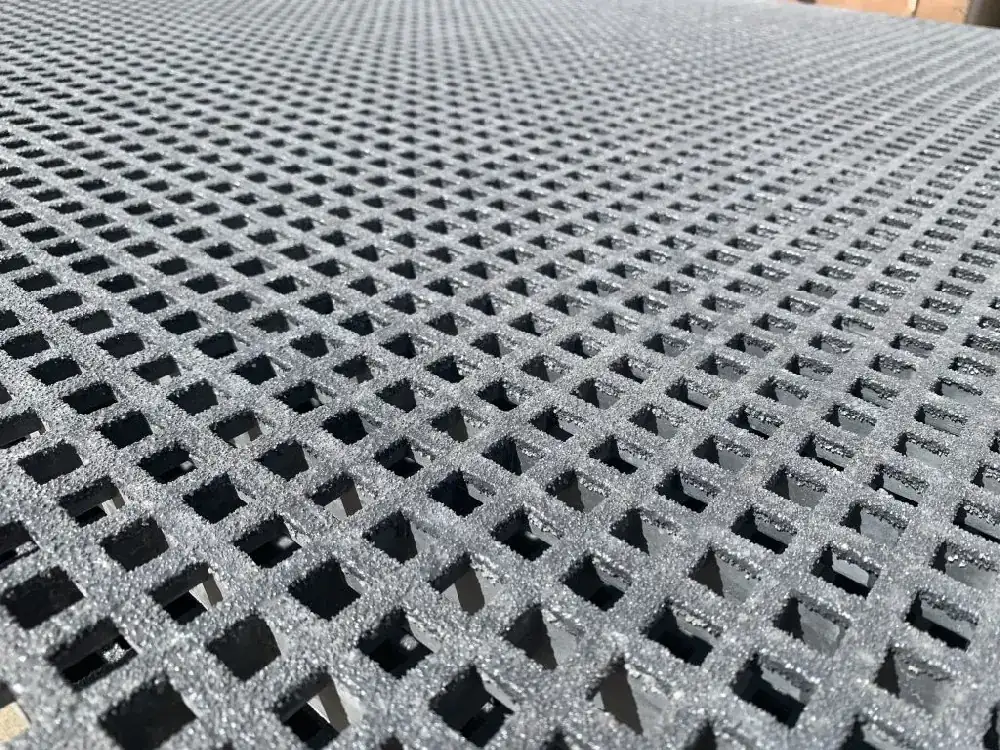
- 38 mm Molded Gritted Grating — bi-directional strength for general wharf walkways and crossover platforms.
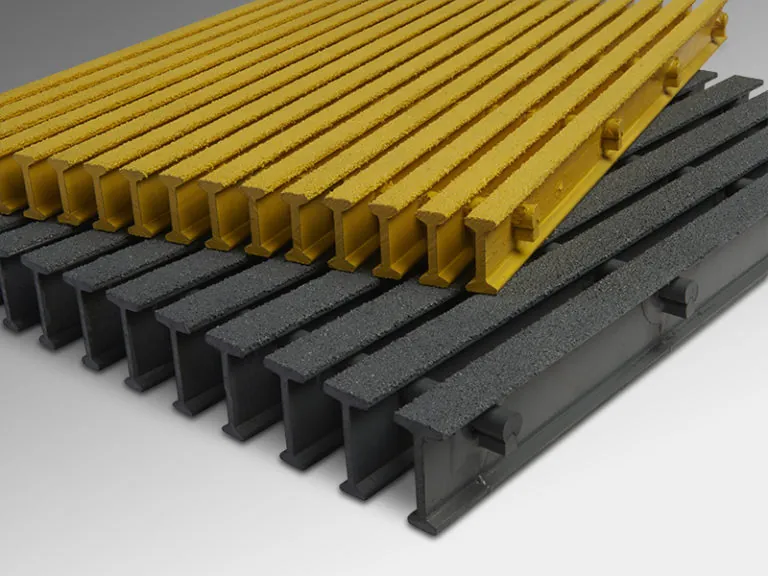
- 50 mm Pultruded Grating — long-span capability for elevated pipe racks and stair towers.
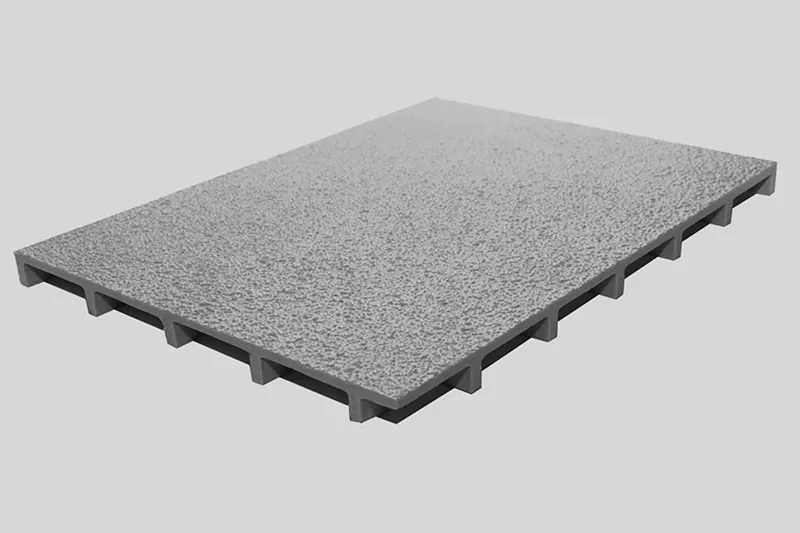
- Solid Top / Smooth Covers — trench and cable trench covers for forklift and pallet-truck routes.
- Vinyl-Ester Grating — upgraded resistance for chemical, bunker and tank-farm zones.
- FRP Stair Treads & Nosing — anti-slip treads with integrated bright nosing for wharf stair towers.
Standards & Marine Certification Context
Our panels are produced under an ISO 9001 quality management system and tested to ASTM E-84 surface burning and ASTM F3059 fiberglass grating standards. We hold ABS, Intertek, SGS and CE documentation, which shipyards and offshore operators frequently request during submittals; we supply these without reference numbers or expiry claims. Engineers size panels against published load and deflection tables for the actual support spacing and live load, and we can provide stamped calculation sheets where your project engineer requires them.
Why Singapore Port Buyers Source Direct from ZEALL
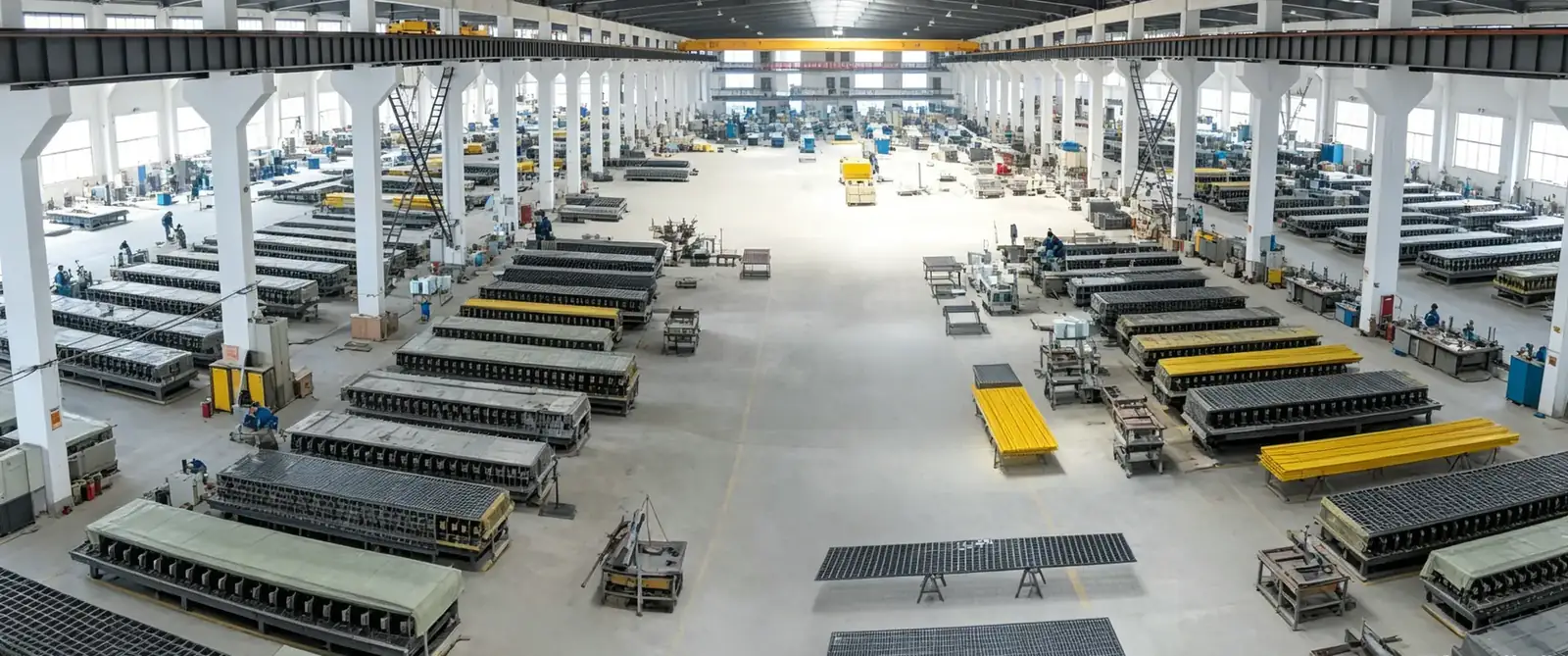
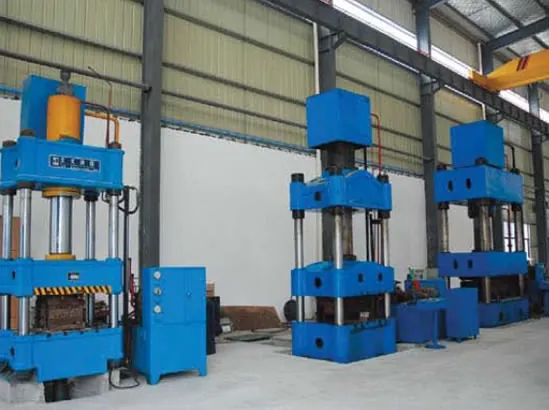
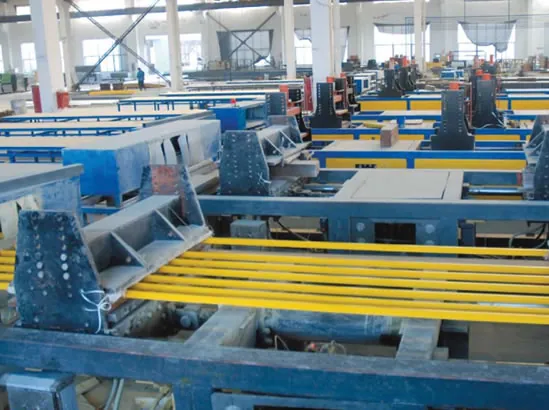
Founded in 2004 and now employing 200+ staff, NANTONG ZEALL has shipped to 45+ countries and carries 541 customer reviews at an average 4.9/5. Factory-direct pricing removes the local agent margin typical in Singapore’s dense trading market. Standard gratings are produced in 15–25 days, with an overall delivery window of 12–36 working days depending on specification and consolidation; the minimum order is 10 m². Engineering support includes free load calculations, resin selection and panel layout, and a single WhatsApp sales line keeps quoting and order tracking simple for terminal, shipyard and offshore buyers.
Frequently Asked Questions
Yes. We ship FOB Shanghai or Ningbo by sea to Singapore, typically 7-10 days port-to-port, and provide the commercial invoice, packing list and bill of lading your Singapore Customs declaring agent requires.
- Singapore FRP Grating Supplier
- Singapore Port (this page)
- Petrochemical Walkway
- Offshore Marine