Bergen: West Coast Fjord Gateway for Shipping and Seafood
Bergen is the gateway to the western Norwegian fjords on the Hordaland coast, long a shipping and fisheries city between the North Sea and the deep fjord basin. Its harbour combines coastal ferries and short-sea traffic, fish-processing and aquaculture operations, seafood and cold-storage depots, marine service yards and export logistics that move fish, feed and coastal cargo between the fjord district and overseas markets. The surrounding islands and fjord arms also host fish-farming support sites, processing sheds and wharf structures that depend on slip-resistant, damp-resistant access decks, walkways and trench covers. Bergen’s trade ties run both along the Norwegian coast and out across the North Sea to the UK, the Continent and beyond.
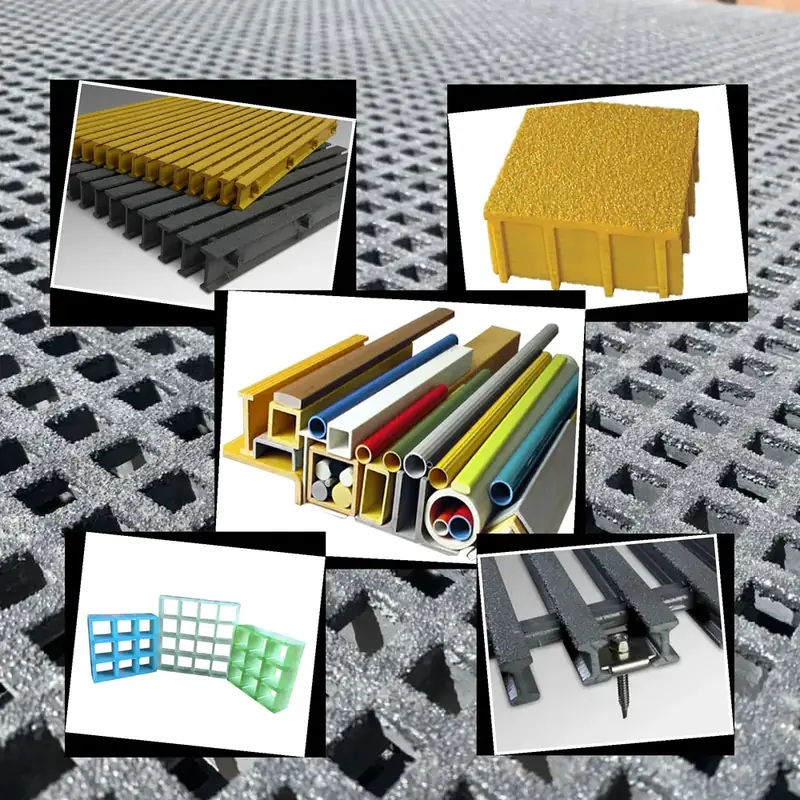
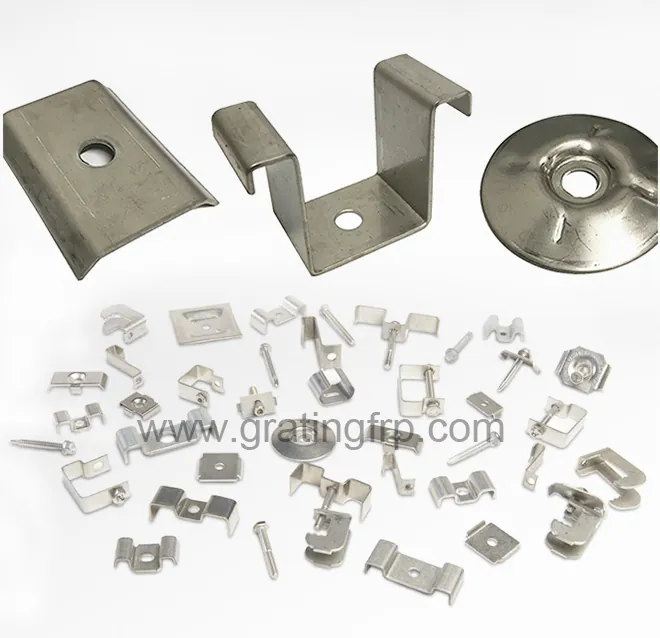
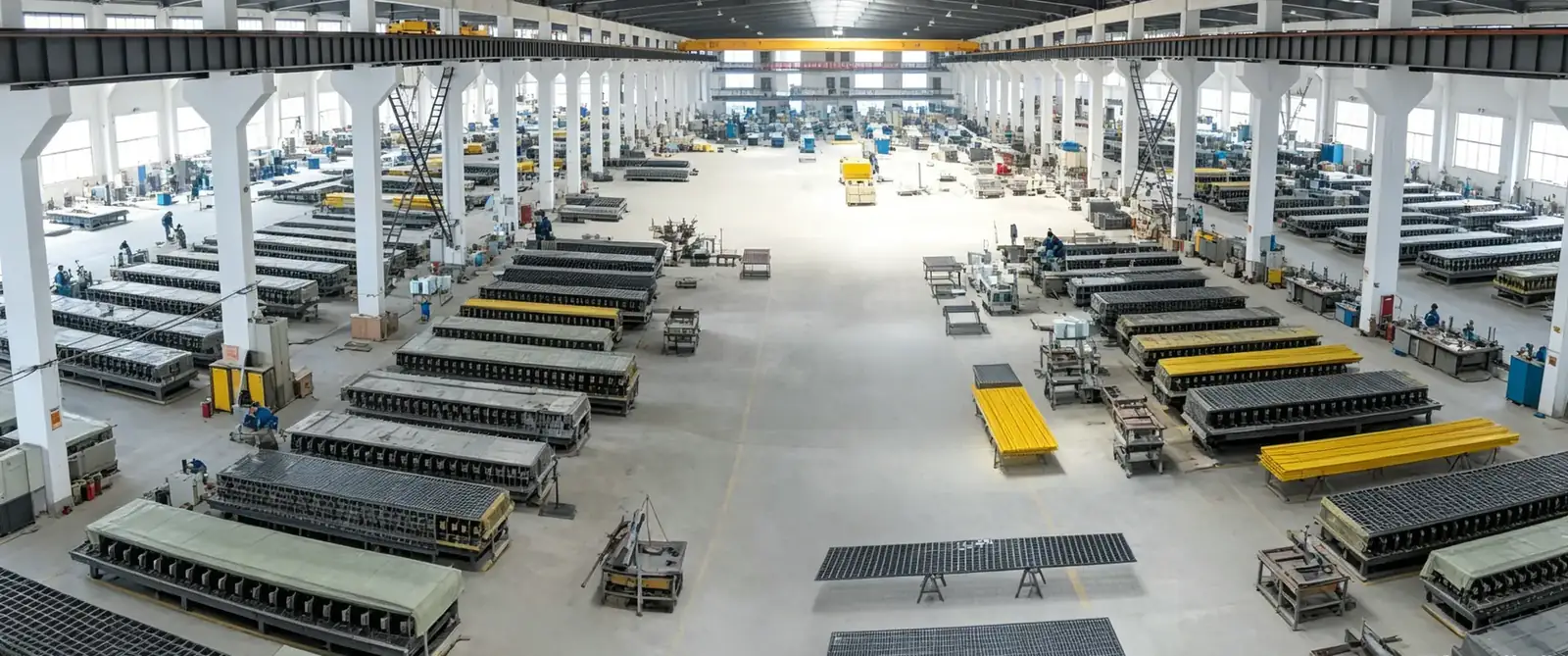
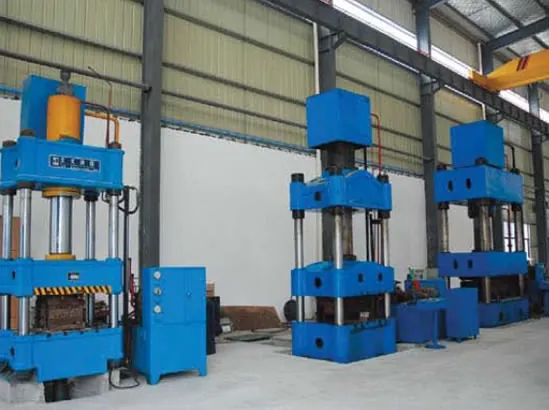
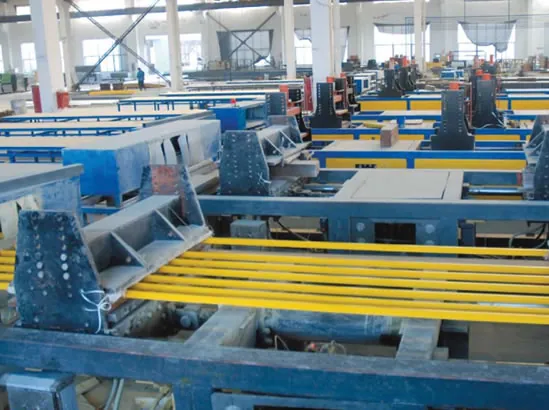
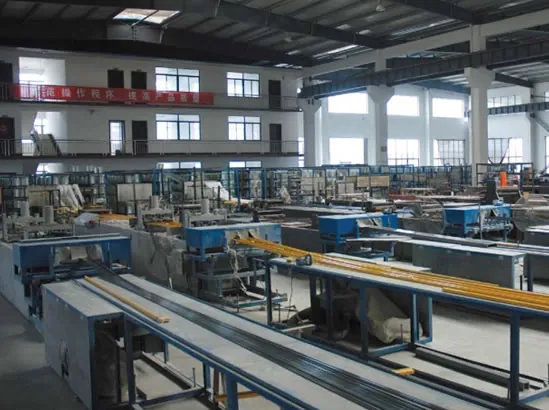
Dock decks, fish-hall floors, processing platforms, wharf walkways and cold-storage mezzanines in this wet coastal zone are continuously exposed to salt-tinged sea mist, persistent rain, fish-plant wash-down, brine and damp air. FRP/GRP grating provides a lightweight, non-rusting, non-sparking and non-conductive walking surface that resists salt and moisture without the recurring painting burden of steel. As a direct fiberglass grating manufacturer, NANTONG ZEALL supplies Bergen seafood operators, shipping lines, aquaculture suppliers, contractors and maintenance teams with molded and pultruded panels, stair treads, solid covers and clips, with in-house engineering support and factory-direct pricing from USD 15–95 per square metre.
Routing to Bergen: North Sea Approach and Non-EU Clearance
Cargo for Bergen reaches the west Norwegian coast on the northbound European trade lanes. China–Europe services typically sail from Shanghai or Ningbo through the South China Sea, Malacca Strait and Indian Ocean, via the Suez Canal, out through the Strait of Gibraltar and north up the Atlantic coast, English Channel and North Sea to the Bergen fjord approaches; some loops use the Cape of Good Hope route, and containers may discharge at Rotterdam or Hamburg and continue by feeder or road to western Norway. Port-to-port transit is typically approximately 30–40 days depending on carrier, routing and any transshipment. From the harbour, cargo continues by road and coastal ferry to the fjord municipalities, islands and fish-farming districts of Hordaland. We ship FOB Shanghai or Ningbo and can consolidate LCL cargo for seafood-plant maintenance, workshop and spare-parts packages.
Clearance is processed by Norwegian customs (Tolldirektoratet / Tollvesenet) through a licensed Bergen customs broker under the appropriate HS classification. As Norway is not an EU member, customs assesses import duty and MVA; the standard Norwegian VAT rate is 25%, with the exact duty depending on product code and origin and confirmed by your broker. We supply the commercial invoice, packing list, bill of lading and certificate of origin required for the entry; once cleared, goods move freely within Norway.
Bergen Sectors Using FRP Grating
- Seafood Processing & Aquaculture — fish-hall floors, processing platforms, brine areas and feed-storage walkways facing wash-down, saltwater and organic matter.
- Coastal Shipping & Ferries — ferry aprons, wharf decks, mooring platforms and short-sea terminal walkways in sea-mist and damp conditions.
- Port, Cold Storage & Logistics — harbour quays, cold-store mezzanines, fish-feed depots and loading racks in persistent coastal humidity.
- Marine Service & Boat Yards — service platforms, slipways, fabrication stands and access stairs facing salt spray, oils and workshop moisture.
- Fish Farming Support Sites — onshore pump houses, feed silo bases, gangway approaches and shore-based service decks for coastal aquaculture.
- Water, Effluent & Utilities — treatment basins, pump stations, cable trenches and drainage gratings facing constant damp and mild reagents.
Seafood Hall and Dock Walkway Requirements
Fish-processing halls, aquaculture sheds and dock walkways in the Bergen area must combine slip resistance in wet and briny conditions, resistance to saltwater wash-down and organic cleaning agents, and enough structural capacity for personnel, trolleys, pallet trucks and occasional fish-handling equipment. Panels are sized from published load and deflection tables for the actual support spacing and live load; gritted or concave surfaces provide anti-slip traction on wet wharves and processing floors; solid FRP covers seal channels, brine drains and cable runs where spills and wash-down must be contained; non-conductive treads and handrails support electrical safety near drives, pumps and cold-store units. We provide resin compatibility guidance for seawater, brine, fish oils, detergents and sanitizers, and can match mesh, thickness and panel size to the hall, wharf or feed-depot structure and traffic level.
Recommended Products for Bergen Projects
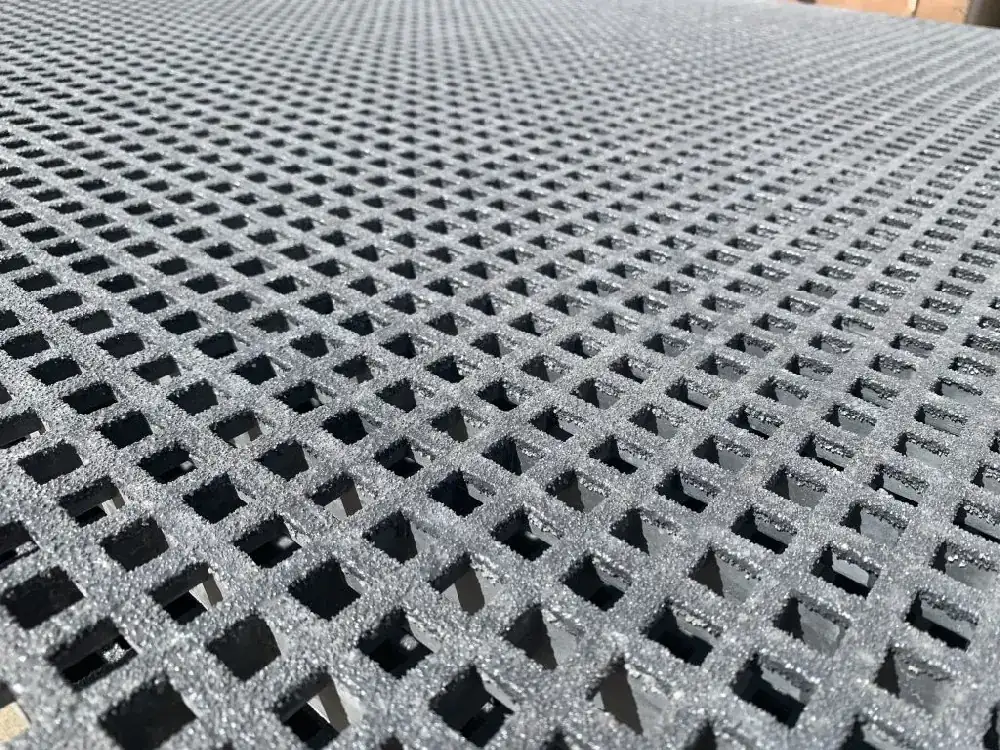
- 38 mm Molded FRP Grating — general seafood-hall, wharf and storage-deck walkways, gritted surface for wet and briny decks.
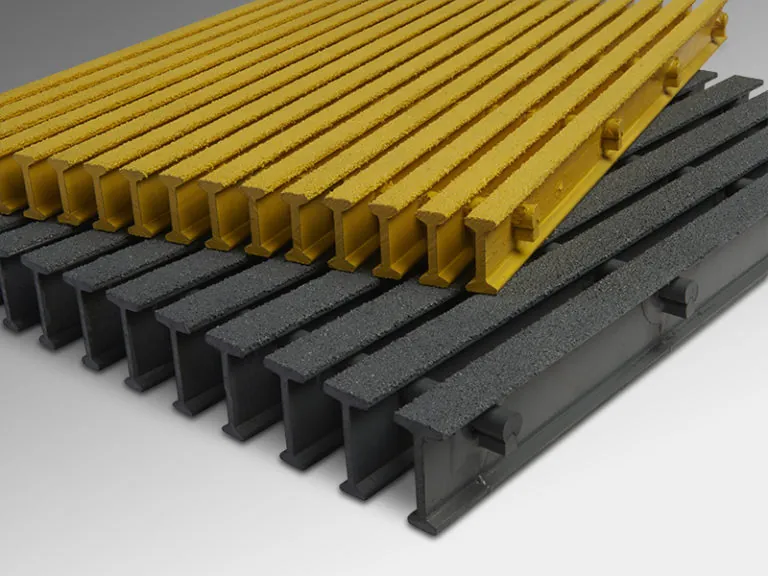
- 50 mm Pultruded FRP Grating — long-span wharf decks, cold-store mezzanines and heavy-duty service-yard structures.
- Vinyl-Ester / Isophthalic Resin Grating — brine, saltwater, fish-oil and solvent-exposed processing and dock zones.
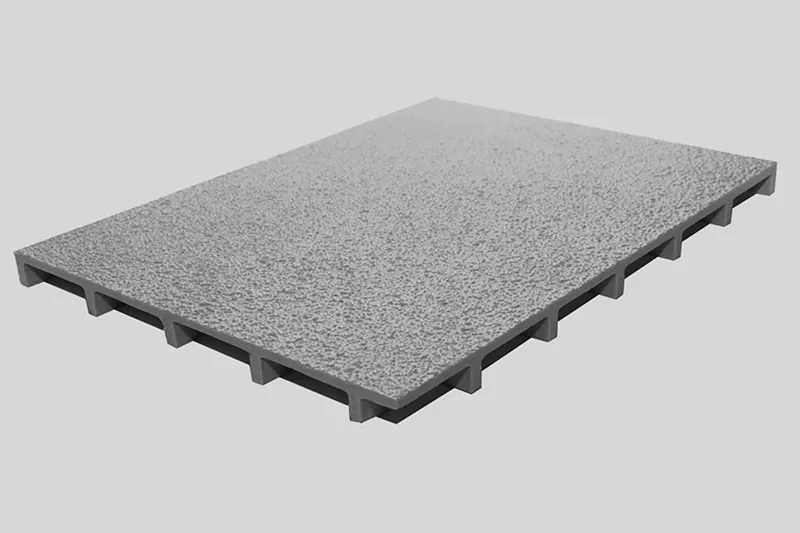
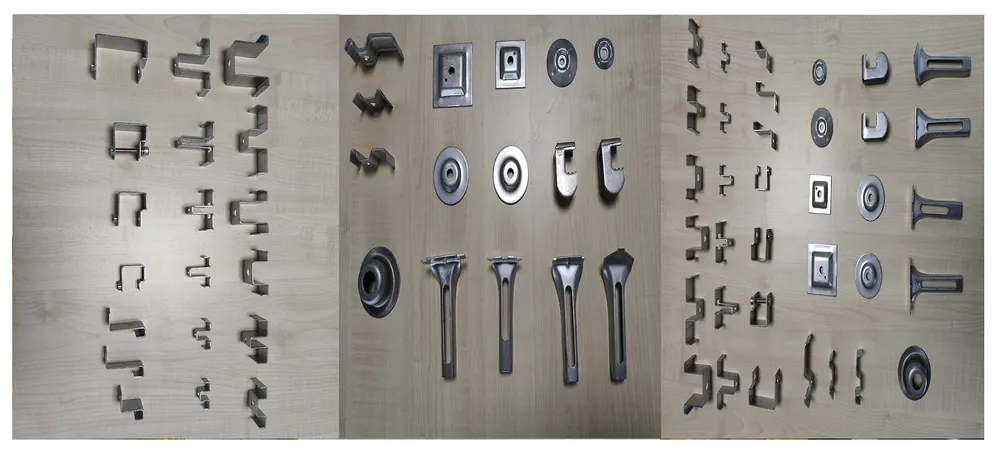
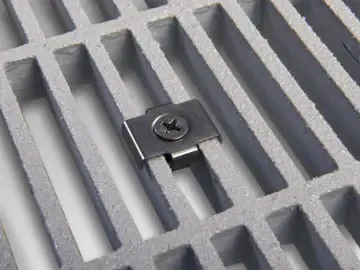
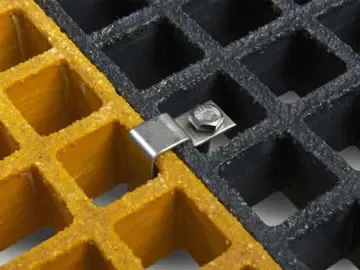
- FRP Drainage Gratings & Trench Covers — open drainage gratings and watertight brine-channel and cable-trench covers with clips.
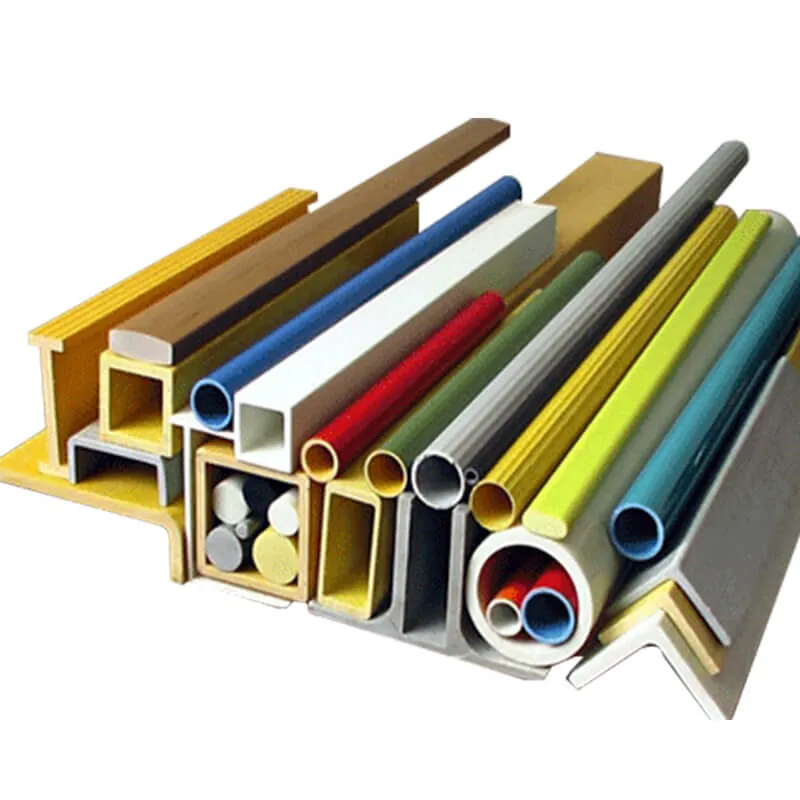
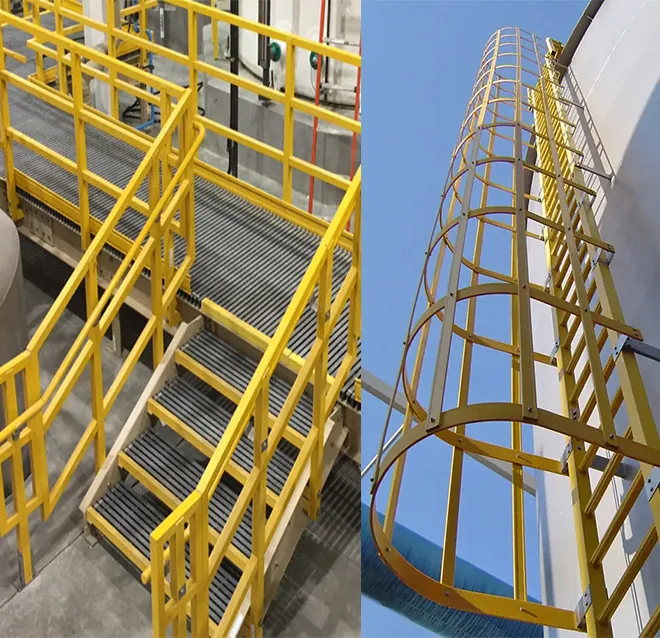
- FRP Stair Treads & Handrail Profiles — anti-slip treads and composite guardrails for stairs, gangways and platform access.
Persistent Rain, Salt Mist and Fish-Plant Wash-Down
Bergen is among the wettest cities in Europe, with frequent and heavy rain, persistent damp, low cloud and sea mist off the North Sea and the fjords, and cool conditions most of the year. Seafood plants add wash-down water, brine, fish oils, bloodwater and sanitizers; aquaculture sites add seawater and feed dust; marine yards add salt spray, oils and abrasion; cold storage adds condensation and mild cleaning agents. Carbon steel gratings corrode quickly under this salt-and-moisture load, and rust scale becomes a cleanliness and slip hazard on wharves and processing floors. FRP does not rust or shed scale; a resin-rich veil resists water, brine and detergents; gritted or concave surfaces retain grip in wet weather; and vinyl-ester or isophthalic systems are specified for brine, saltwater and heavy salt-exposed zones. The composite also does not spark or conduct near fish-plant electrical equipment.
Why Bergen Buyers Source Direct from ZEALL
Since 2004, our factory has reached 45+ countries with 200+ employees and 541 reviews averaging 4.9/5. Direct factory supply avoids layered trading margins while our engineering team assists with resin choice, panel layout and load calculations at no extra cost. Standard panels are produced in 15–25 days, overall delivery is 12–36 working days including sea transit and Norwegian clearance, and the minimum order is 10 m². One WhatsApp line and the sales email keep quotes, samples and LCL consolidation simple for seafood processors, ferry operators, aquaculture suppliers, marine yards and cold-storage distributors around Bergen and the Hordaland coast.
For a wharf-apron renewal, a fish-hall drainage cover set, or an aquaculture feed-depot walkway package, we match resin grade, thickness, mesh and cover type to the brine, wash-down and deck-loading conditions, and align the cut list to your wharf or hall drawings before production starts.
Frequently Asked Questions
We supply molded and pultruded grating for seafood-processing halls and aquaculture sites, ferry and wharf decks, cold-store and feed depots, marine service and boat yards, fish-farm onshore support structures, plus treads, trench covers and handrails, selected for the wet coastal climate.
- Norway FRP Grating Supplier
- Oslo
- Bergen (this page)
- Stavanger
- Offshore North Sea