Rotterdam: Europe's Largest Port on the Rhine and Meuse Delta
Rotterdam is the largest seaport in Europe, spreading along the Rhine (Rijn) and Meuse (Maas) delta from the city docks through the Europoort industrial area to the reclaimed Maasvlakte on the North Sea. The Rijnmond conurbation hosts refineries and petrochemical plants, large tank-storage and liquid-bulk terminals, major container terminals, chemical distribution, power and energy facilities, and one of Europe’s densest inland barge networks. Through the Rhine and its tributaries, Rotterdam cargo feeds Germany, Switzerland and the inland EU, making the port a continental gateway as well as a deep-sea hub.
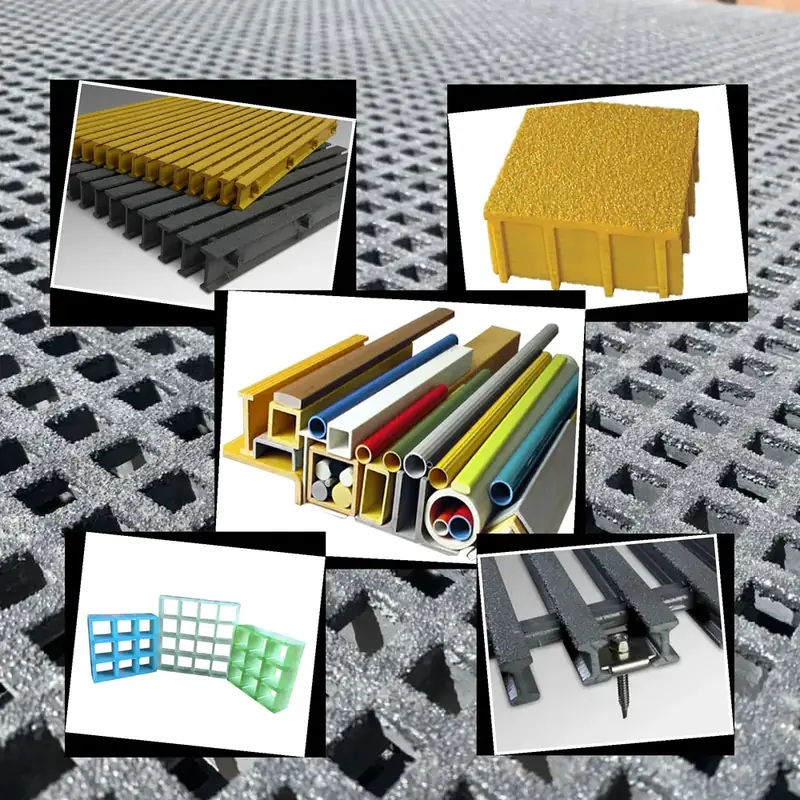
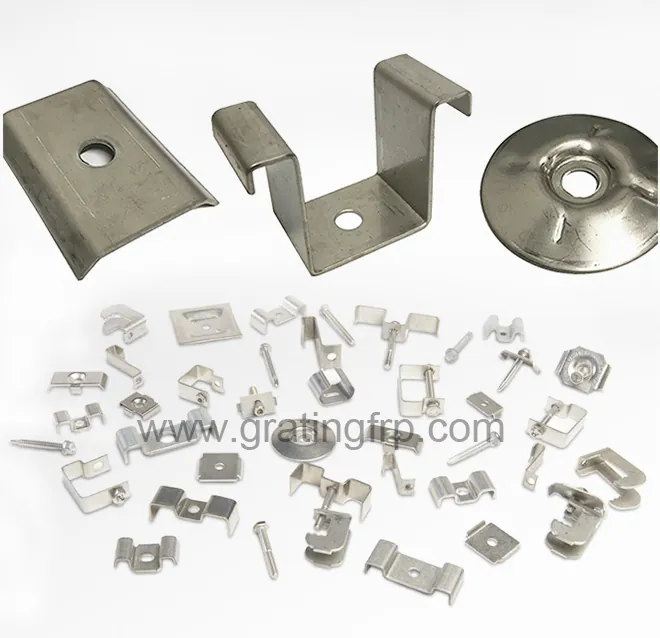
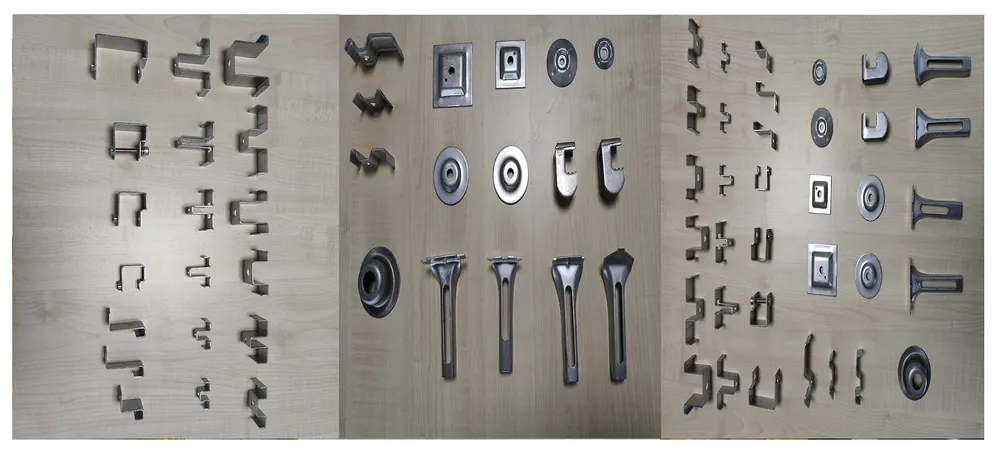
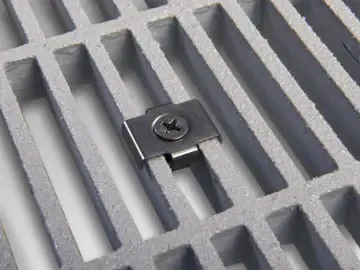
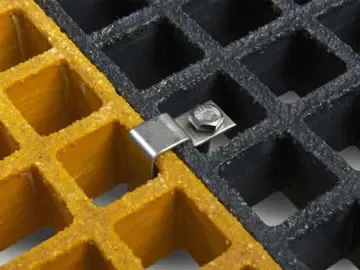
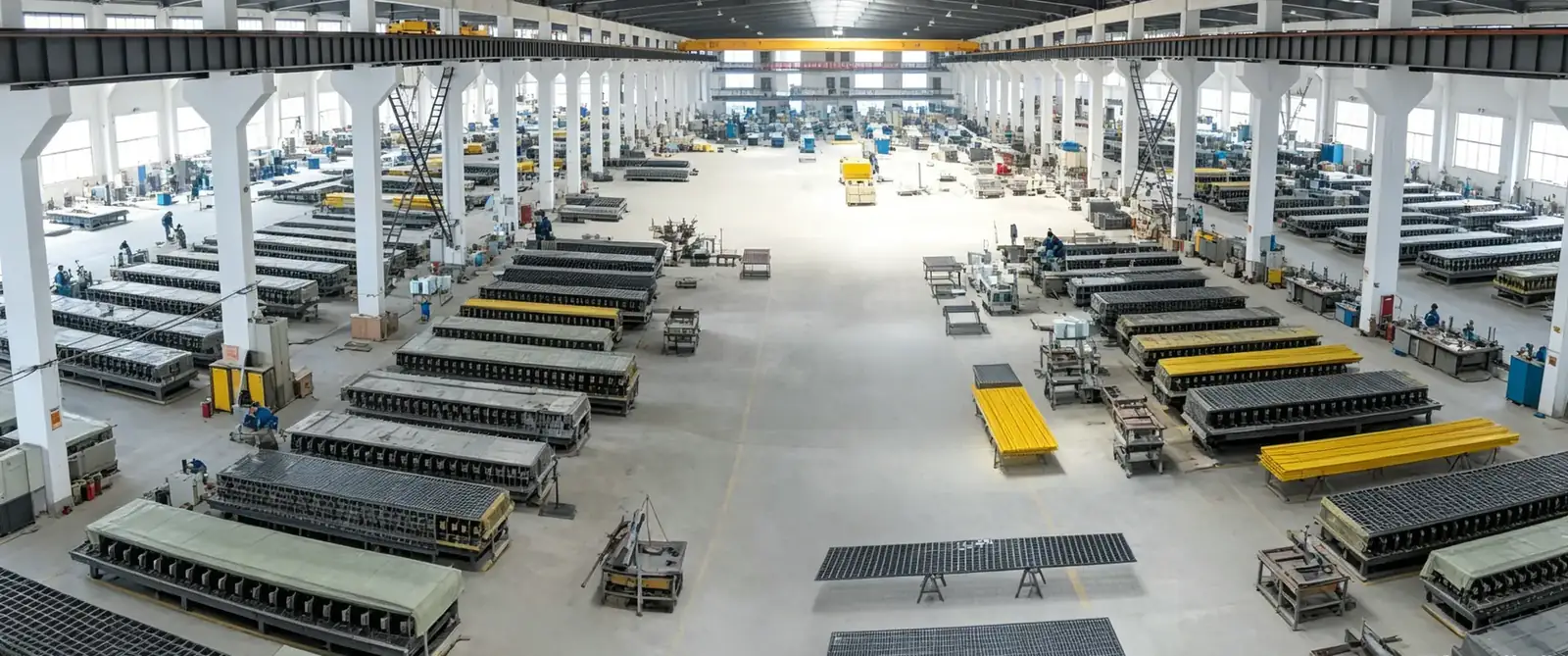
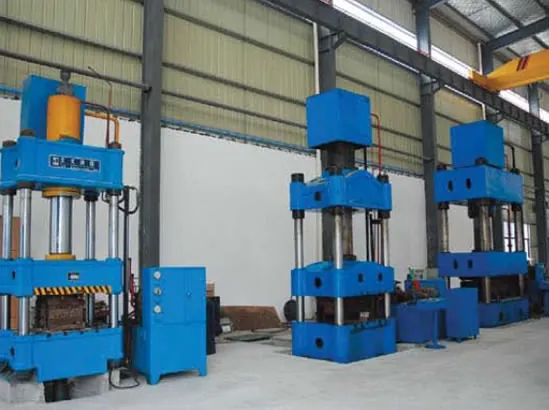
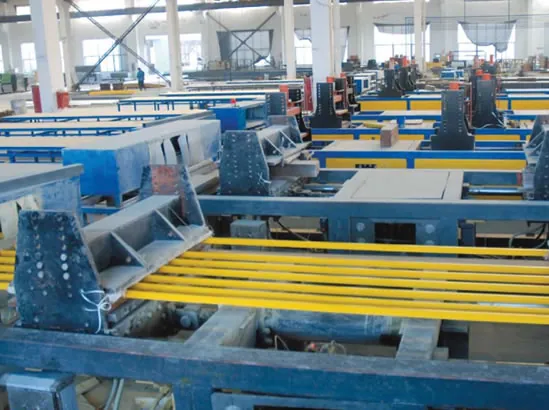
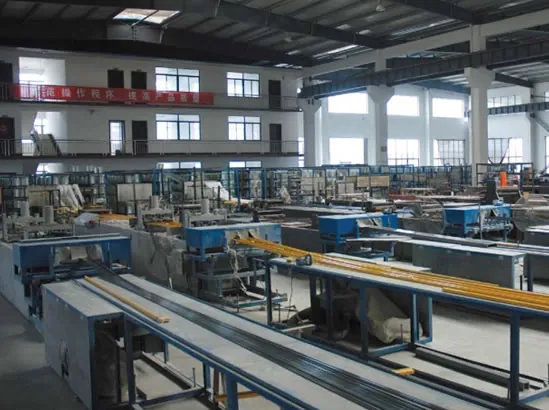
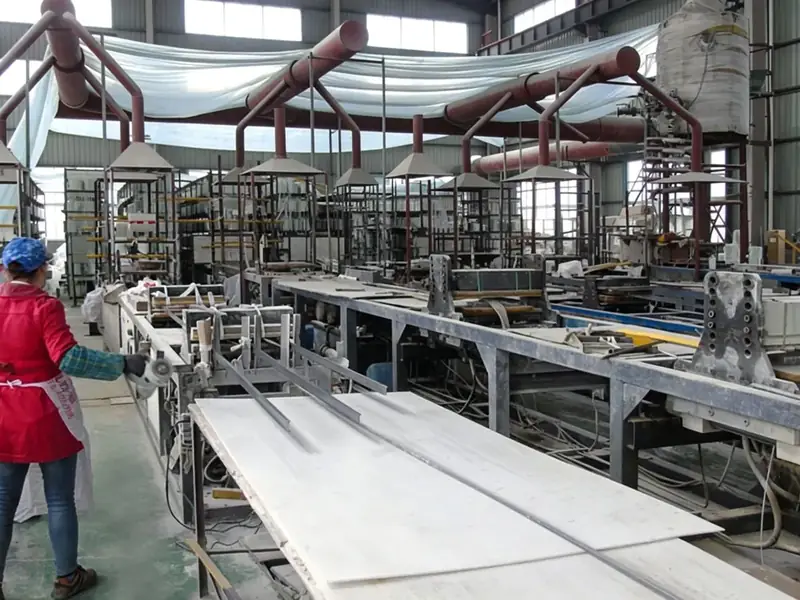
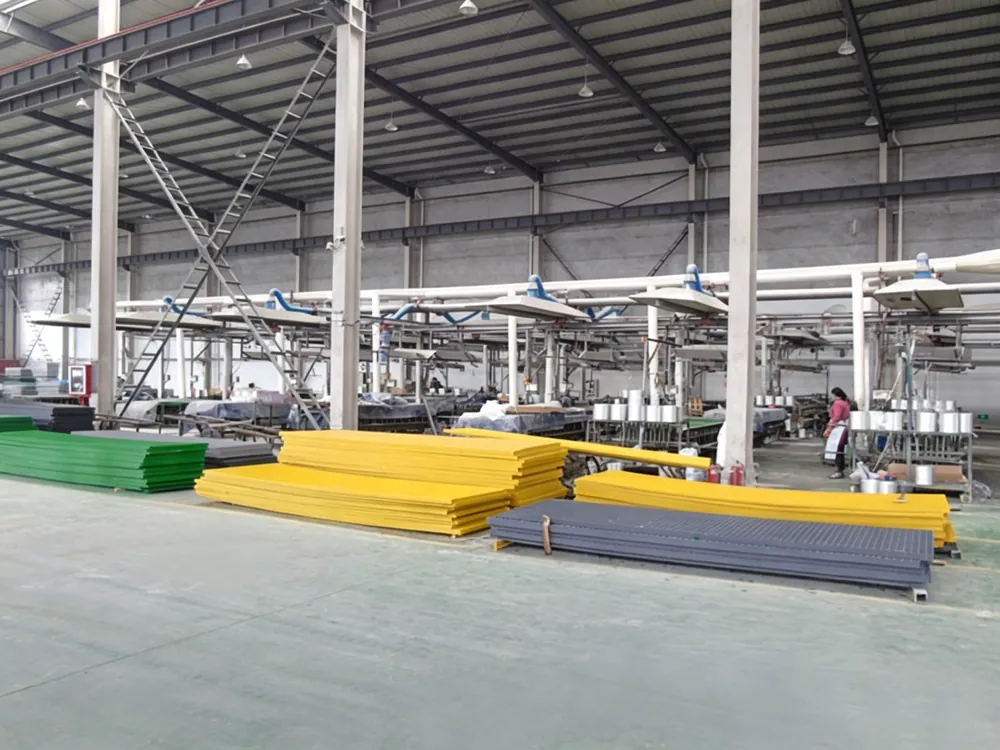
Docks, pipe racks, tank-farm decks, terminal platforms and cable trenches across this port face North Sea salt spray, river humidity, process chemicals, sour gases and continuous wash-down. FRP/GRP grating supplies a non-rusting, non-sparking, non-conductive and chemically resistant walking surface for these corrosive services. As a direct fiberglass grating manufacturer founded in 2004, NANTONG ZEALL supplies Rotterdam terminal operators, EPC contractors, chemical owners and utilities with molded and pultruded panels, stair treads, solid covers and clips, with in-house engineering support and factory-direct pricing from USD 15–95 per square metre.
Routing to Rotterdam: Europoort, Maasvlakte and Rhine Inland Distribution
Rotterdam is the primary deep-sea discharge for northern Europe. Vessels from Shanghai or Ningbo typically sail through the South China Sea, Malacca Strait and Indian Ocean, via the Suez Canal, out through the Strait of Gibraltar and north through the English Channel and North Sea to the Europoort and Maasvlakte terminals; some loops use the Cape of Good Hope route. Port-to-port transit is typically approximately 30–40 days depending on carrier, transshipment and canal transit. Beyond discharge, cargo continues inland by Rhine barge to the Ruhr, the German middle Rhine and Switzerland, and by road and rail across the Netherlands and the EU. We ship FOB Shanghai or Ningbo and can consolidate LCL cargo for terminal, plant and maintenance packages aligned to shutdown schedules.
Import clearance is handled by Dutch customs (Douane / Belastingdienst) through a licensed Netherlands customs broker, who lodges the entry under the appropriate HS classification. Customs assesses import duty and value-added tax; the standard Dutch BTW (VAT) rate is 21%, with the exact duty depending on product code, origin and any applicable EU trade arrangement, confirmed by your broker. Once cleared, goods circulate freely within the EU single market. We provide the commercial invoice, packing list, bill of lading and certificate of origin your broker needs for the project entry.
Rotterdam and Rijnmond Industrial Sectors
- Refining & Petrochemical — refinery structures, reactor platforms, pipe racks and process walkways exposed to acids, caustics, hydrocarbons and sour service.
- Container & Deep-Sea Terminals — Maasvlakte and Europoort quay decks, container yards, apron platforms and terminal access walkways in salt-air service.
- Tank Storage & Liquid Bulk — tank-farm access, pipe bridges, loading racks and blending areas facing chemicals, vapours and wash-down.
- Chemical Distribution & Logistics — distribution depots, IBC and drum storage, loading bays and warehouse mezzanines in damp port air.
- Power, Energy & Offshore Supply — power-plant walkways, substations, offshore-wind quays and equipment platforms needing non-conductive flooring.
- Water, Effluent & Port Infrastructure — treatment basins, pump stations, cable trenches and coastal walkways facing constant damp and mild reagents.
Dutch and EU Standards Context
Our gratings are produced under an ISO 9001 quality management system and tested to ASTM E-84 for surface burning characteristics and ASTM F3059 for fiberglass grating. We hold ABS, Intertek, SGS and CE supporting documentation requested by Dutch EPC firms and plant owners during submittals. Engineers size panels from published load and deflection tables for the actual support spacing and live load, and supply resin compatibility tables for the process chemicals on site. Where a tender references Dutch (NEN) or European harmonized standards, your consultant can map our test data to those requirements. All certificates and test records are provided without reference numbers or expiry dates.
Recommended Products for Rotterdam Projects
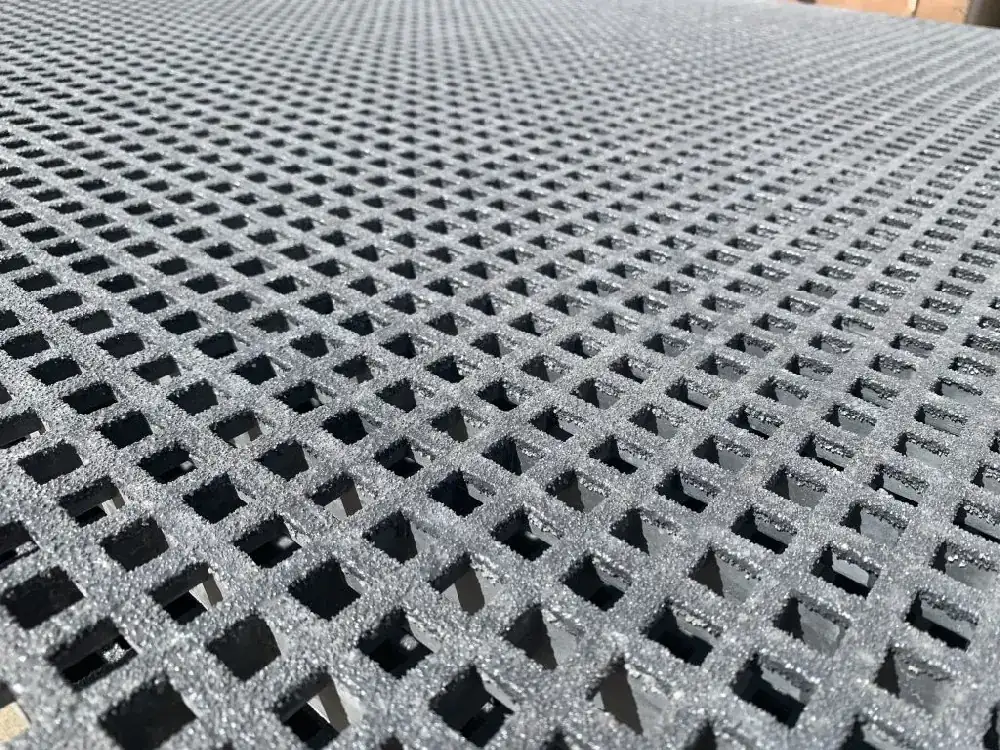
- 38 mm Molded FRP Grating — general terminal, plant and aisle walkways, gritted or concave surface for wet decks.
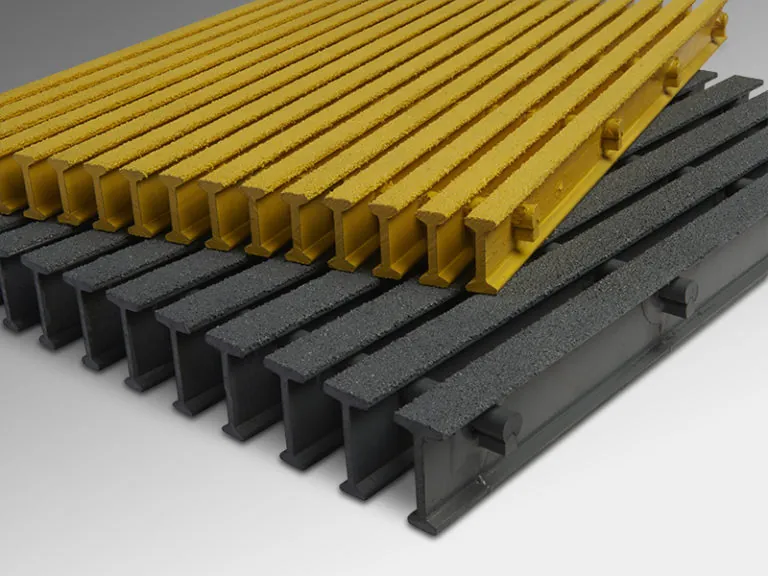
- 50 mm Pultruded FRP Grating — long-span pipe racks, quay platforms and heavy-duty refinery and terminal structures.
- Vinyl-Ester Resin Grating — refining, reactor, reagent, brine and heavy chemical zones across the Rijnmond.
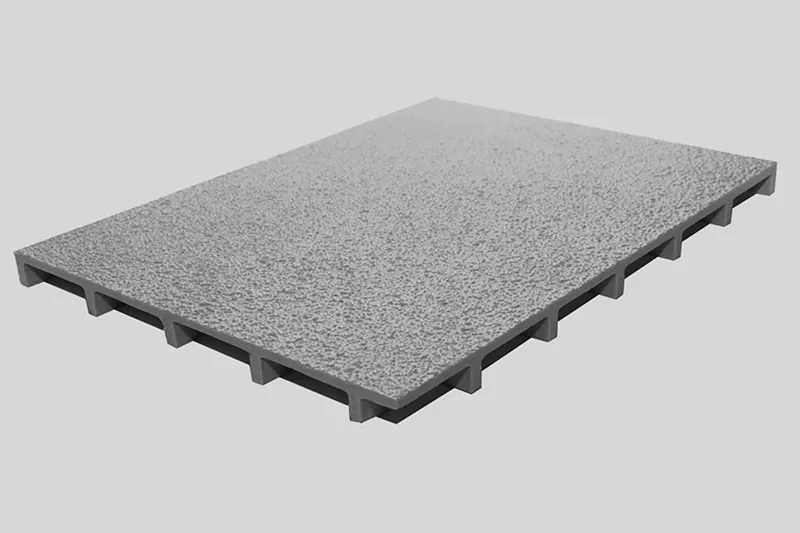
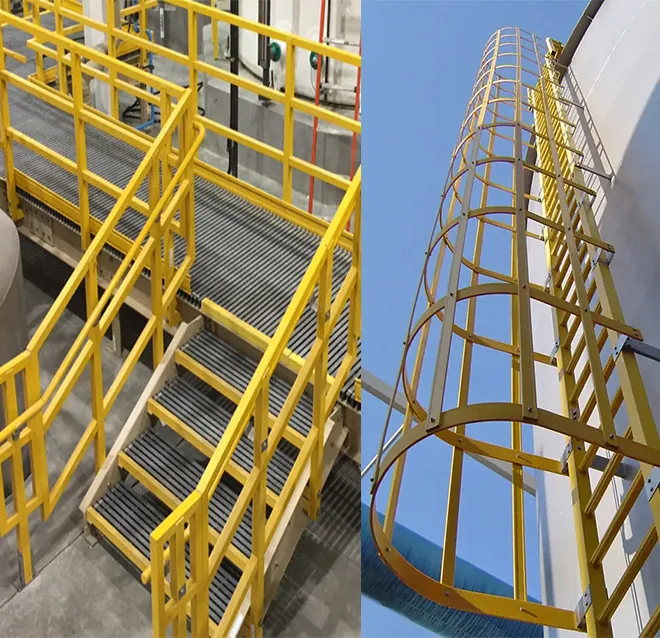
- FRP Stair Treads & Solid Covers — anti-slip tower and apron treads with watertight trench, tank and cable-trench covers.
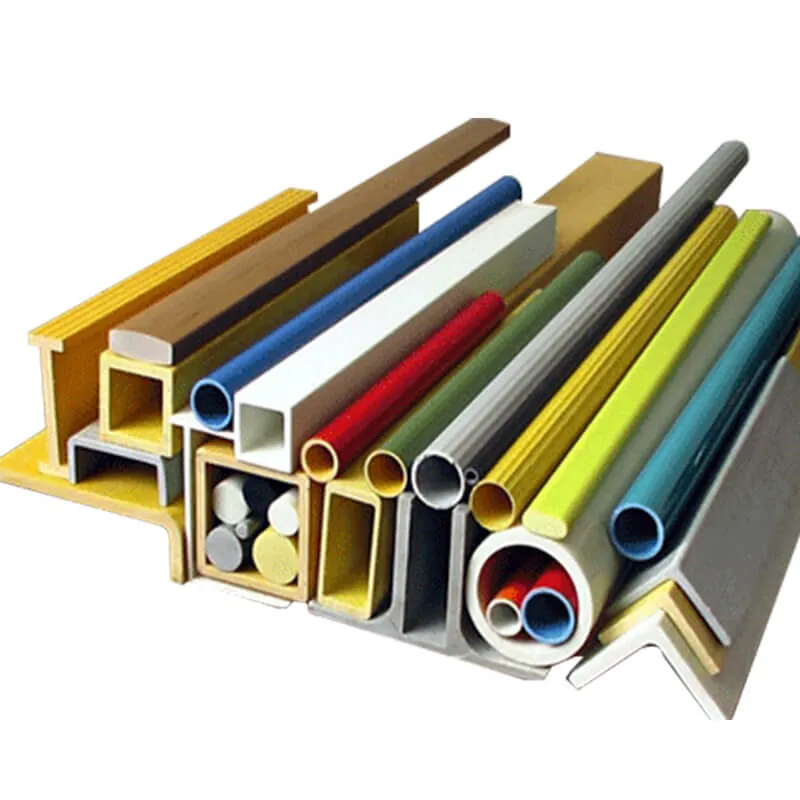
- FRP Handrail & Profile Systems — composite guardrails, channels and beams for docks, platforms and access towers.
Delta Humidity, Salt Spray and Rijnmond Chemical Atmosphere
The Rotterdam delta has a temperate maritime climate with damp, windy conditions year-round, regular rain and mist over the rivers and ports, plus the chemical atmosphere of the refining and storage belt. Refining and petrochemical sites add acids, caustics, solvents and sour gases; tank storage adds hydrocarbons and vapours; container and bulk terminals add salt spray, abrasion and wash-down; energy sites add oils and mild reagents. A resin-rich surface veil and UV-stabilized formulation limit chalking and fibre bloom; gritted or concave surfaces retain grip in wet and windy weather; and isophthalic or vinyl-ester systems resist the acidic, sour and chloride environments that shorten steel life. Because FRP does not rust, terminal and plant walkways keep their safety without recurring blast-and-paint shutdowns on live port operations.
Why Rotterdam Buyers Source Direct from ZEALL
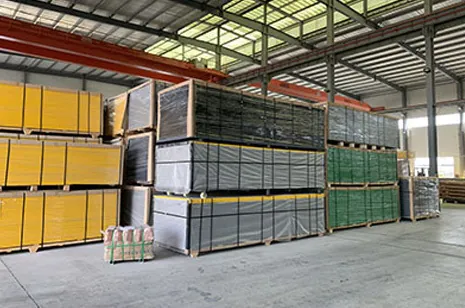
Since 2004, NANTONG ZEALL has grown to 200+ employees, shipped to 45+ countries and earned 541 customer reviews at an average 4.9/5. Factory-direct supply removes intermediary margins common in Dutch port procurement, while our engineering team supports resin selection, panel layout and load calculations free of charge. Standard gratings are produced in 15–25 days, with overall delivery of 12–36 working days including sea transit and Dutch clearance; the minimum order is 10 m². One WhatsApp sales line and the sales email keep quotes, samples and barge or road consolidation straightforward for terminal operators, refiners, distributors, EPC contractors and utilities across Rotterdam, the Rijnmond and the Rhine hinterland.
For a Maasvlakte apron extension, a refinery walkway package or a tank-farm cover set, we match resin grade, thickness and mesh to the salt-spray, vapour and deck-loading conditions, and align phased supply to terminal or plant shutdown schedules.
Frequently Asked Questions
Yes. Rotterdam is the main northern-Europe deep-sea discharge; loops reach Europoort and Maasvlakte typically approximately 30-40 days port-to-port, with onward barge via the Rhine and road or rail distribution. We supply the invoice, packing list, bill of lading and certificate of origin your Dutch broker needs.
- Netherlands FRP Grating Supplier
- Rotterdam (this page)
- Amsterdam
- Chemical Distribution