Japan: An Island Advanced-Manufacturing Economy Linked by Three Major Port Clusters
Japan is an island nation whose industrial base is concentrated along the Pacific and Seto Inland Sea coastal belts. The principal port clusters are Tokyo/Yokohama (Keihin), Osaka/Kobe (Hanshin) and Nagoya (Chūkyō), serving automotive assembly and suppliers, electronics and precision machinery, steel and heavy plant, shipbuilding and marine works, food and beverage processing, and port logistics. Plant decks, walkways, mezzanines and trench covers in these sites face humid coastal air, wash-down water, workshop oils, food moisture and occasional salt spray rather than continuous open-ocean exposure.
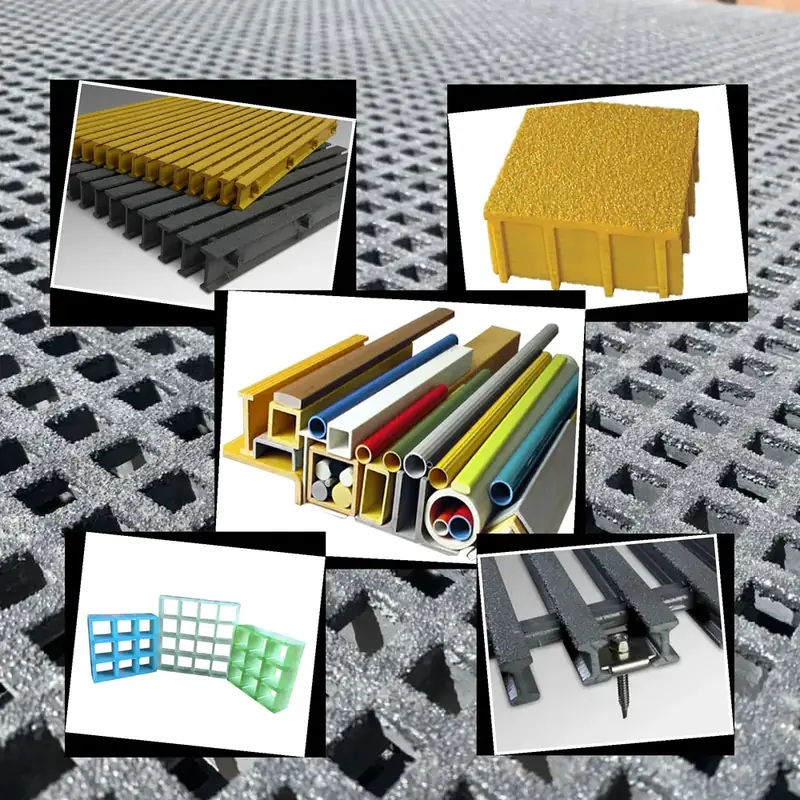
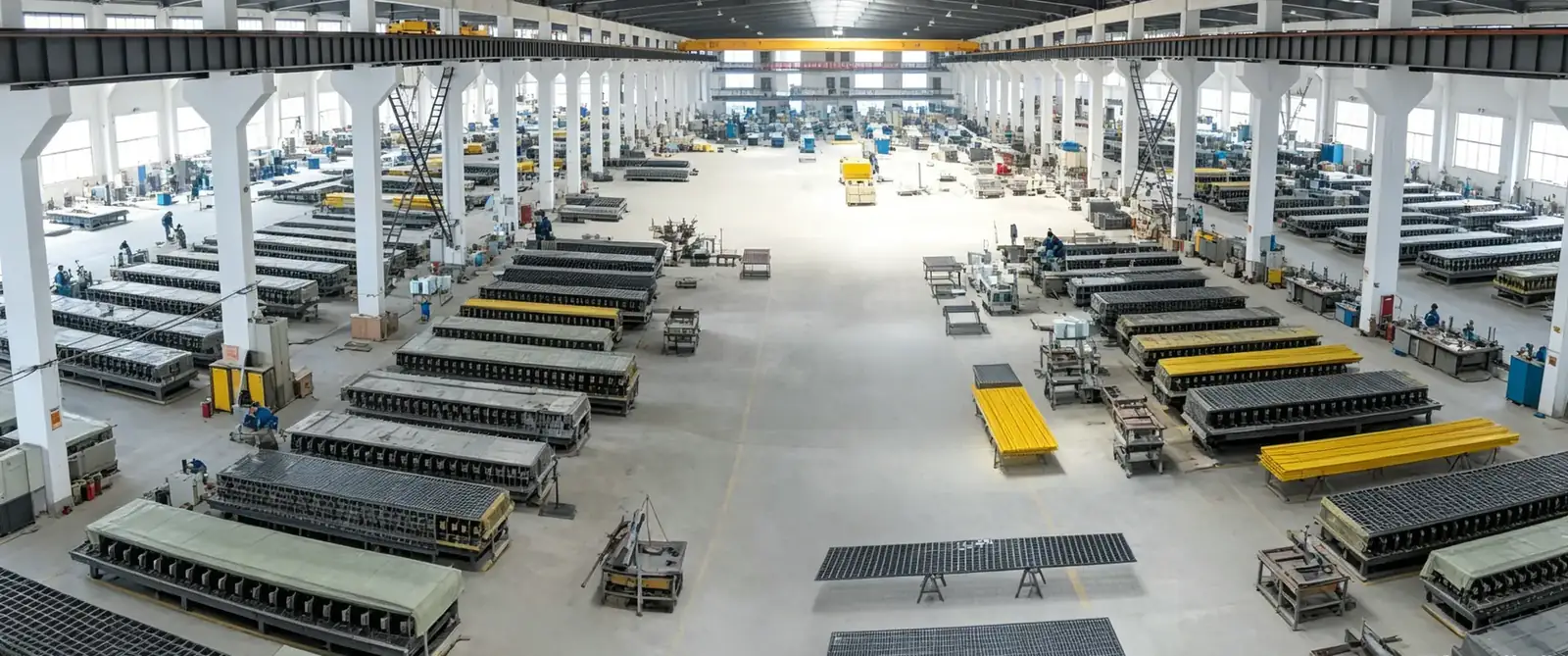
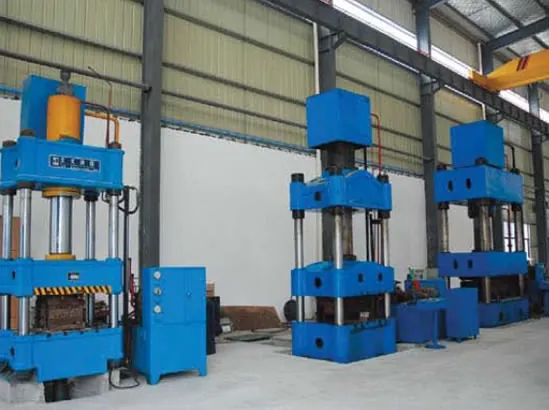
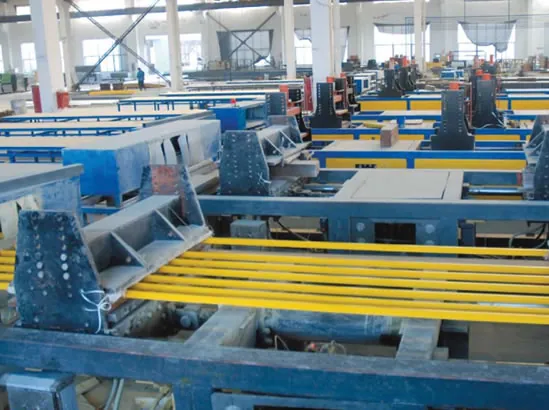
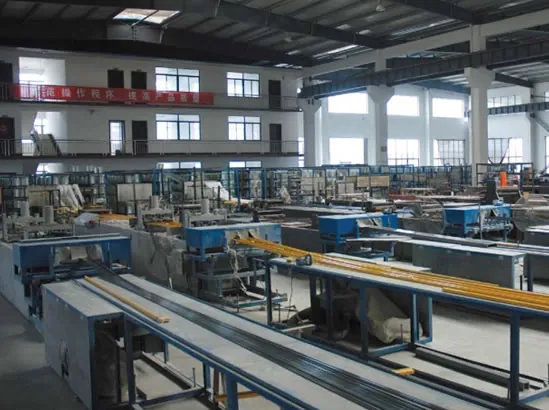
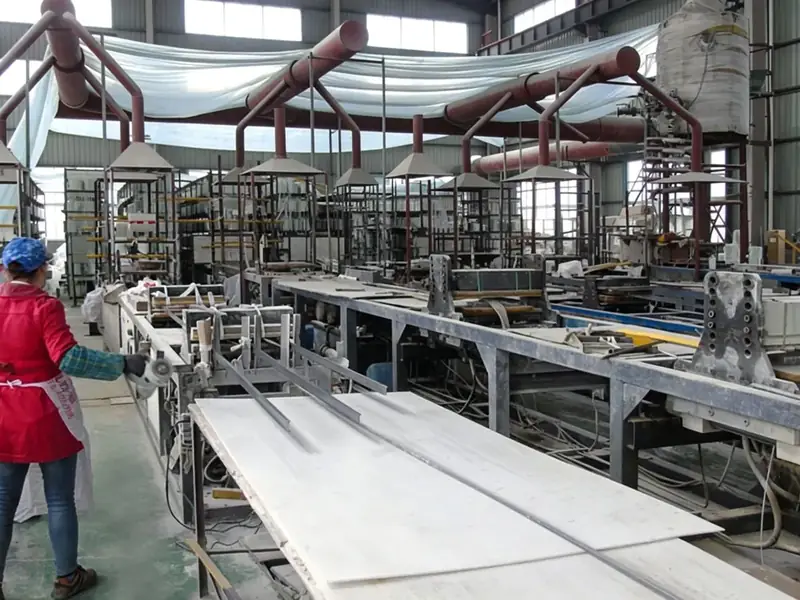
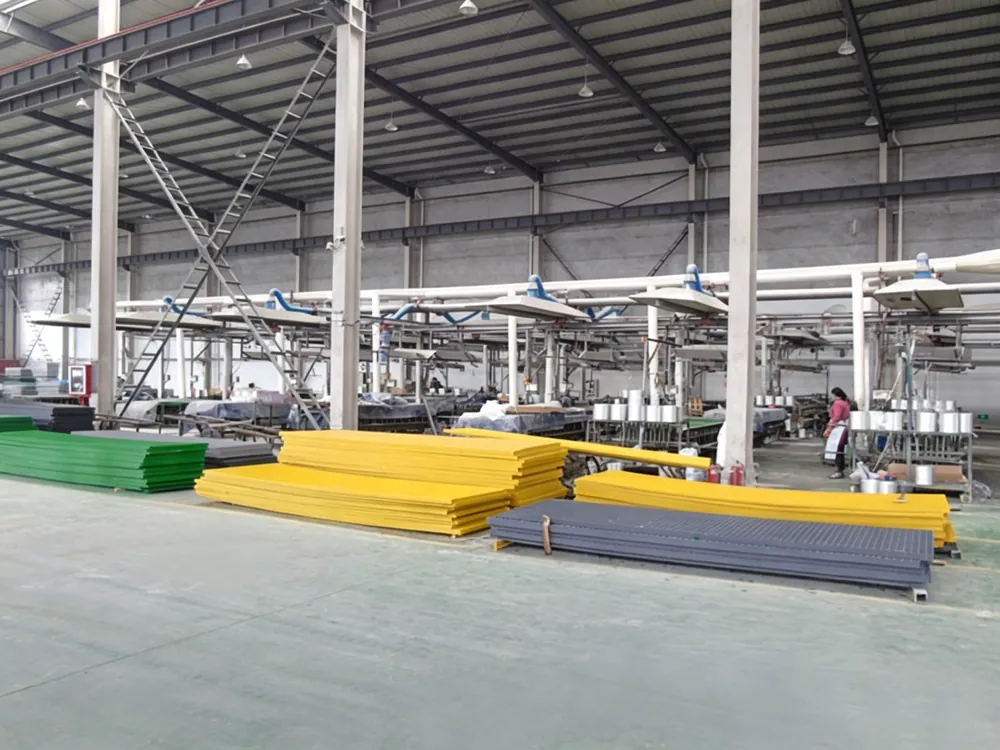
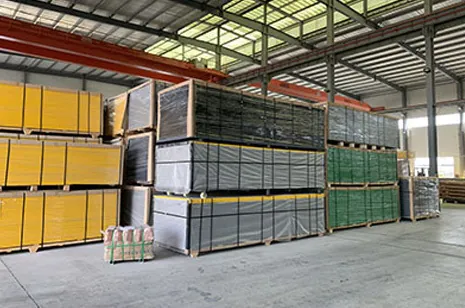
For Japanese plant owners, facility managers, EPC contractors and maintenance teams, FRP/GRP grating offers a lightweight, non-rusting, non-sparking and non-conductive walking surface that handles damp, oils and wash-down without the blast-and-paint burden of carbon steel. As a direct fiberglass grating manufacturer founded in 2004, NANTONG ZEALL supplies molded and pultruded panels, stair treads, solid covers and clips, with in-house engineering support and factory-direct pricing from USD 15–95 per square metre.
Supply Routing to Japan: Short China–Japan Sea Services and Customs Entry
Containerized grating moves from Shanghai or Ningbo on short Yellow Sea and East China Sea services to the Tokyo/Yokohama, Osaka/Kobe and Nagoya clusters; port-to-port transit is typically approximately 5–12 days depending on carrier, transshipment and port rotation, after which coastal trucking or rail distributes cargo to plant sites. We ship FOB Shanghai or Ningbo and can consolidate LCL cargo for maintenance, retrofit and spare-parts packages aligned to scheduled shutdowns.
Import clearance is handled by Japan Customs through a licensed Japanese customs broker under the appropriate HS classification. Customs assesses import duty and the Japanese consumption tax at the standard 10% rate; the exact duty is confirmed by your broker according to product code and origin. We provide the commercial invoice, packing list, bill of lading and certificate of origin for the entry.
Japanese Industries Specifying FRP/GRP Grating
- Automotive & Supplier Cluster — assembly plants and component makers: production walkways, material platforms and maintenance stairs in vehicle and parts facilities.
- Electronics, Precision Machinery & Electrical Equipment — clean dry production aisles, equipment bases and cable-trench covers needing non-conductive, dust-free rust-free decking.
- Food, Beverage & Pharma — wash-down floors, drainage gratings and trench covers in dairies, breweries, food plants and packaging lines.
- Steel, Metal & Heavy Plant — fabrication bays, machine platforms and workshop stairs facing oils, cutting fluids and abrasion.
- Shipbuilding, Marine & Port Works — repair quays, vessel-access stairs and terminal decks facing salt-laden coastal air.
- Utilities, Pump Stations & Water Works — treatment facilities, pumping stations and cable trenches facing constant damp.
Standards and Safety Practice for Japanese Engineering Buyers
Industrial walkways in Japan are generally specified against Japanese industrial standards (JIS) and workplace safety practice, with load assumptions set by the project engineer. Our gratings are produced under an ISO 9001 quality management system and tested to ASTM E-84 surface burning characteristics and ASTM F3059 fiberglass grating performance; engineers size panels from published load and deflection tables for the actual support spacing and live load.
We state the certifications the company holds — ISO 9001, ASTM E-84, ASTM F3059, ABS, Intertek, SGS and CE — without reference numbers or expiry dates, and we do not claim JIS, KS or any mark the company does not hold. Where a tender references JIS or Japanese structural practice, your consultant can map our test data to those requirements.
Recommended Grating Products for Japanese Projects
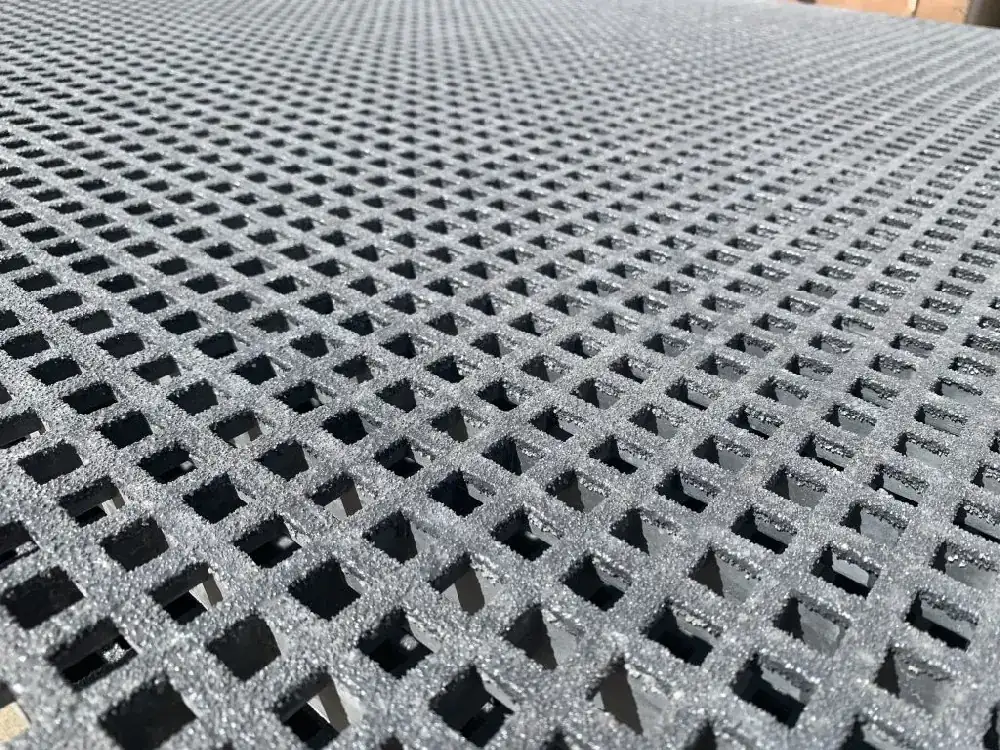
- 38 mm Molded FRP Grating — general plant, warehouse and aisle walkways, gritted or concave surface.
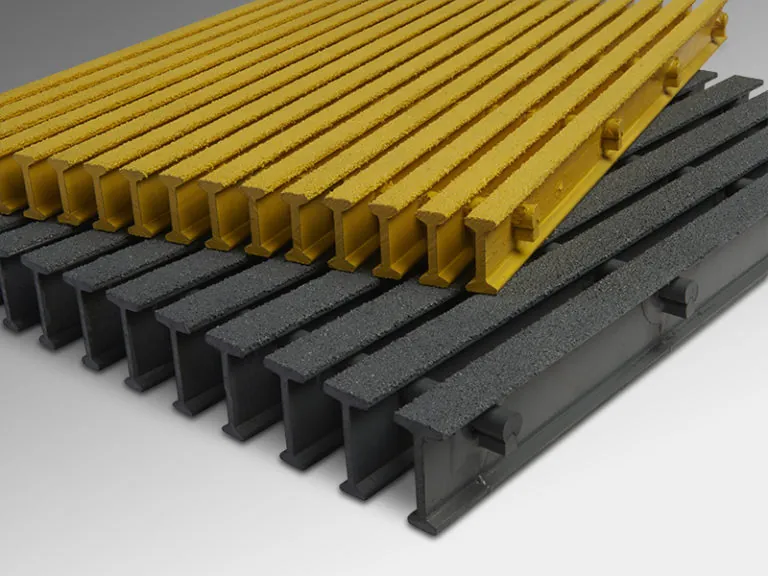
- 50 mm Pultruded FRP Grating — long-span machine platforms, mezzanines and heavy-duty yard structures.
- Isophthalic / Vinyl-Ester Resin Grating — wash-down, effluent, food-moisture and chemical zones.
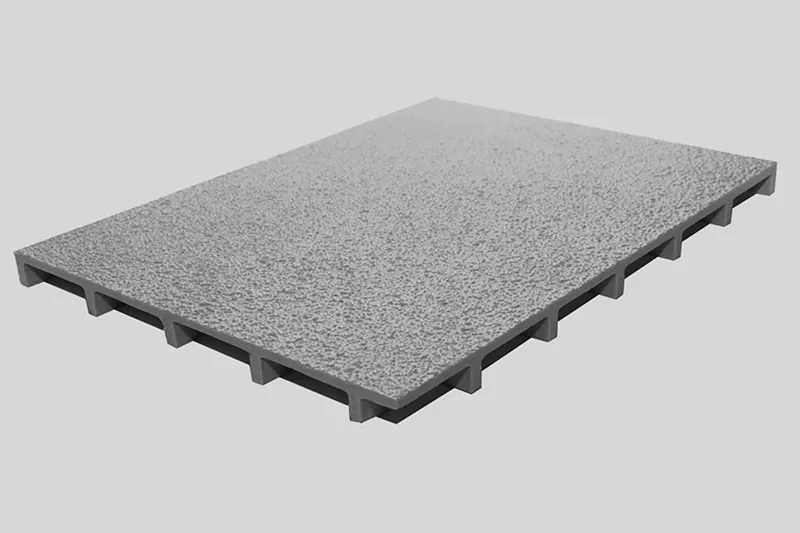
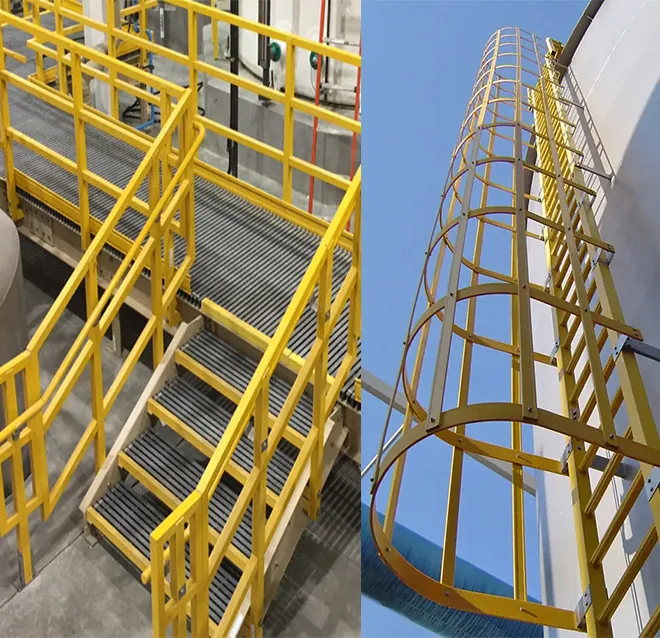
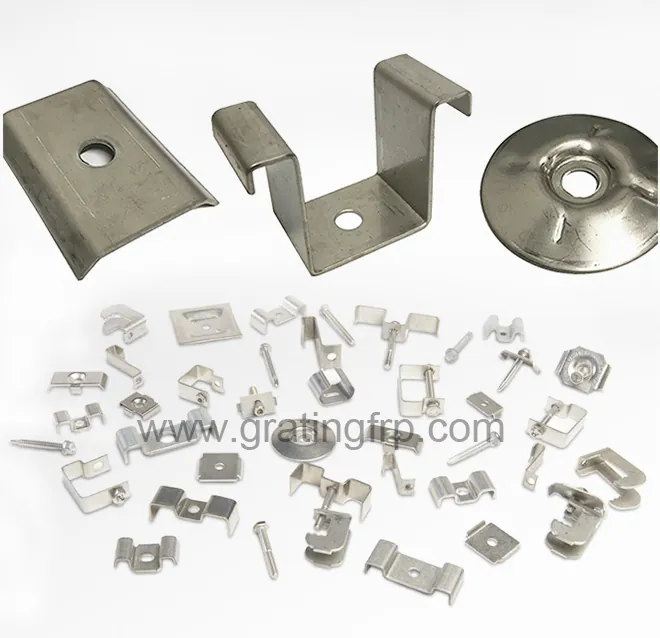
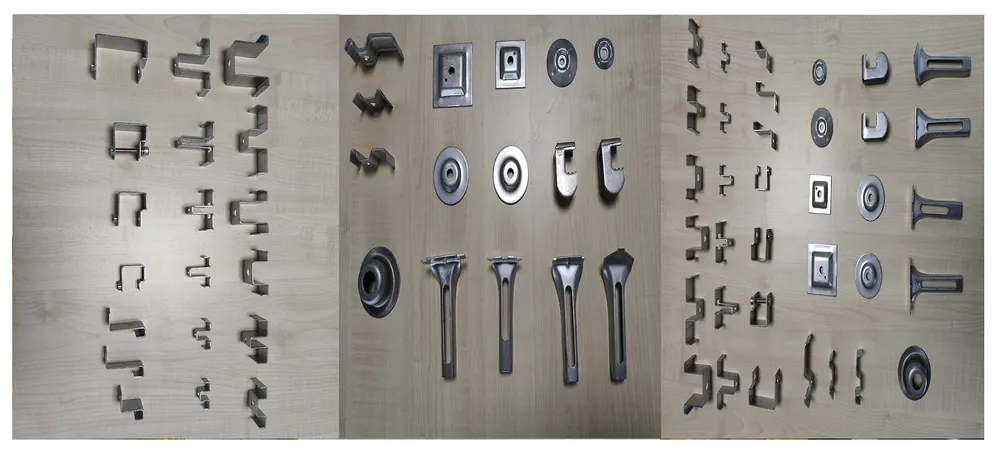
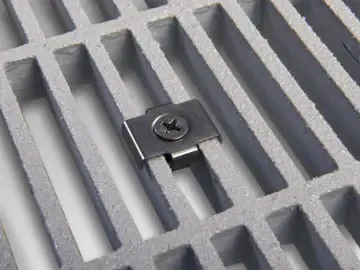
- FRP Stair Treads & Trench Covers — anti-slip nosing treads and sealed channel and cable-trench covers with M/C/L clips.
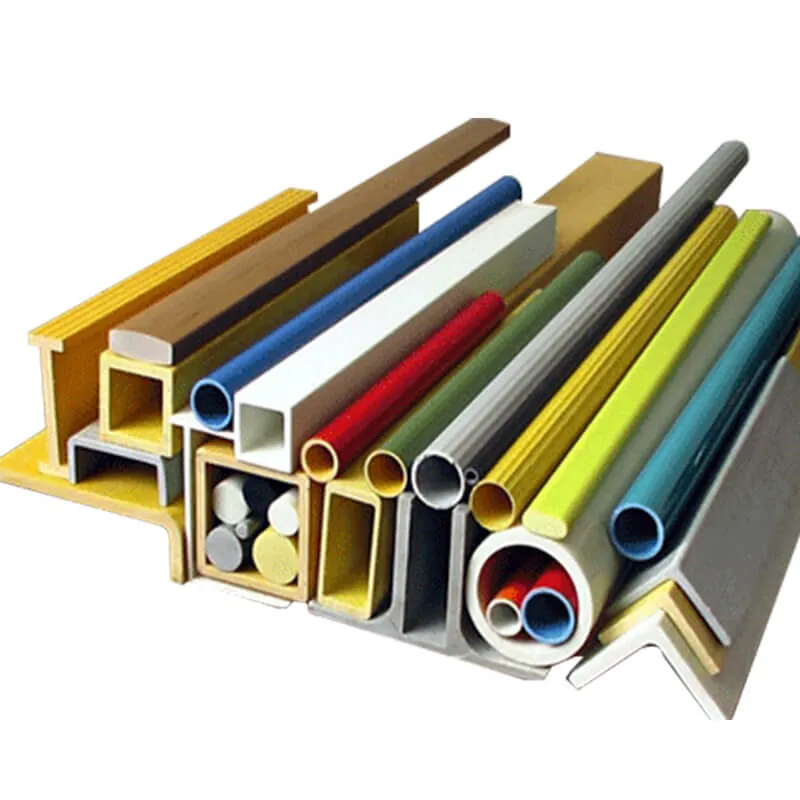
- FRP Handrail & Profile Systems — composite guardrails, beams and channels for mezzanines and access towers.
Humid Maritime Climate, Coastal Salt and Precision-Production Conditions
Japan has a humid maritime climate: hot wet summers with monsoon rain and high humidity, cool winters, year-round damp coastal air and occasional typhoon rainfall. Workshop and production sites add oils, cutting fluids, grinding dust and moisture; food and pharma plants add wash-down water, detergents and organic residues; port and shipyard areas add salt-laden coastal spray and wash-down. Carbon steel gratings corrode where condensation and wash-down collect under platforms. FRP does not rust or shed scale, keeps clean production areas free of rust particles, and a resin-rich veil resists water, oils and mild chemicals. Non-conductive composite treads and handrails suit electronics and electrical-equipment areas; gritted or concave finishes retain grip on wet workshop and drainage decks, and the composite tolerates the climate without paint degradation.
Why Japanese Buyers Source FRP Grating Direct from ZEALL
Since 2004, NANTONG ZEALL has grown to 200+ employees, shipped to 45+ countries and earned 541 customer reviews at an average 4.9/5. Factory-direct supply removes intermediary margins while our engineering team supports resin selection, panel layout and load calculations free of charge. Standard gratings are produced in 15–25 days, with overall delivery of 12–36 working days including sea freight and Japanese clearance; the minimum order is 10 m². One WhatsApp sales line and the sales email keep quotes, samples and tracking straightforward for plant owners, food processors, logistics operators and engineering firms across the Keihin, Hanshin and Chūkyō regions.
Whether a production-line platform renewal, a food-hall drainage cover set, or a port walkway package, we match resin grade, thickness and mesh to the moisture, chemical and loading conditions, and align the cut list to your dimensions before production starts. Contact us early in the engineering process so the panel specification fits the installation conditions in and around Japanese plant sites.
Frequently Asked Questions
Yes. Containerized cargo sails from Shanghai or Ningbo on short China–Japan services, typically approximately 5–12 days port-to-port, then distributes by coastal truck or rail to plant sites. We provide the commercial invoice, packing list, bill of lading and certificate of origin your Japanese broker needs for customs entry.
- Japan FRP Grating Supplier (this page)