Cartagena: The Caribbean Container Gateway of Colombia
Cartagena, in the department of Bolívar on the Colombian Caribbean, is one of the busiest container ports on the Caribbean coast and the main sea gateway for imports reaching Bogotá, the Andean interior and the central Magdalena valley. The port complex and its surrounding industrial and logistics parks host container terminals, warehouses, storage yards, petrochemical and chemical installations, ship repair and maintenance facilities, and a growing fabrication and distribution sector. Port structures, terminal platforms and waterfront walkways are continuously exposed to salt spray, humidity and wash-down, while chemical and storage sites add fumes, mild acids and detergents to the service environment.
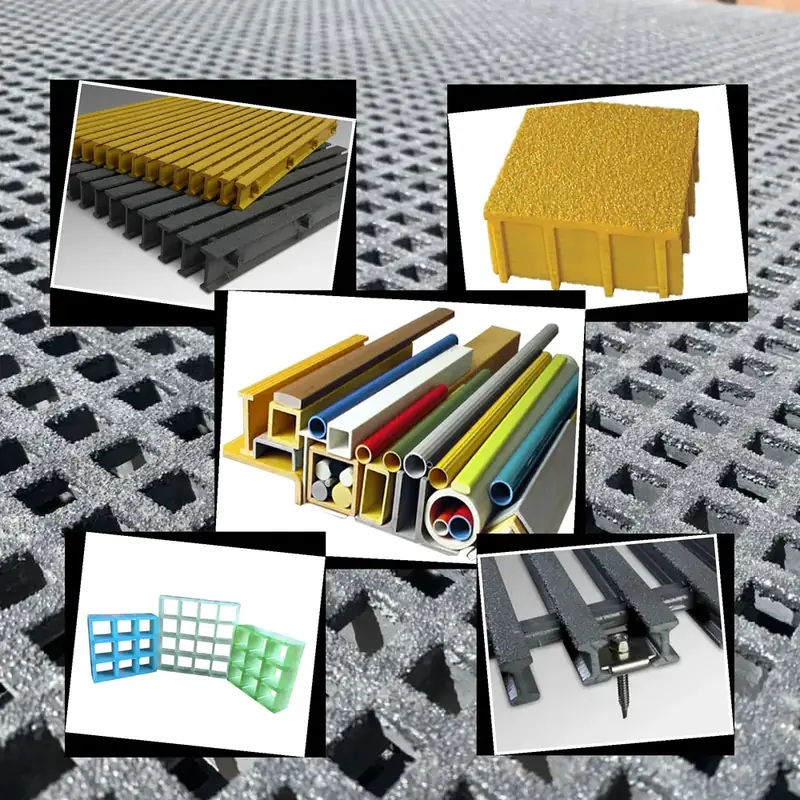
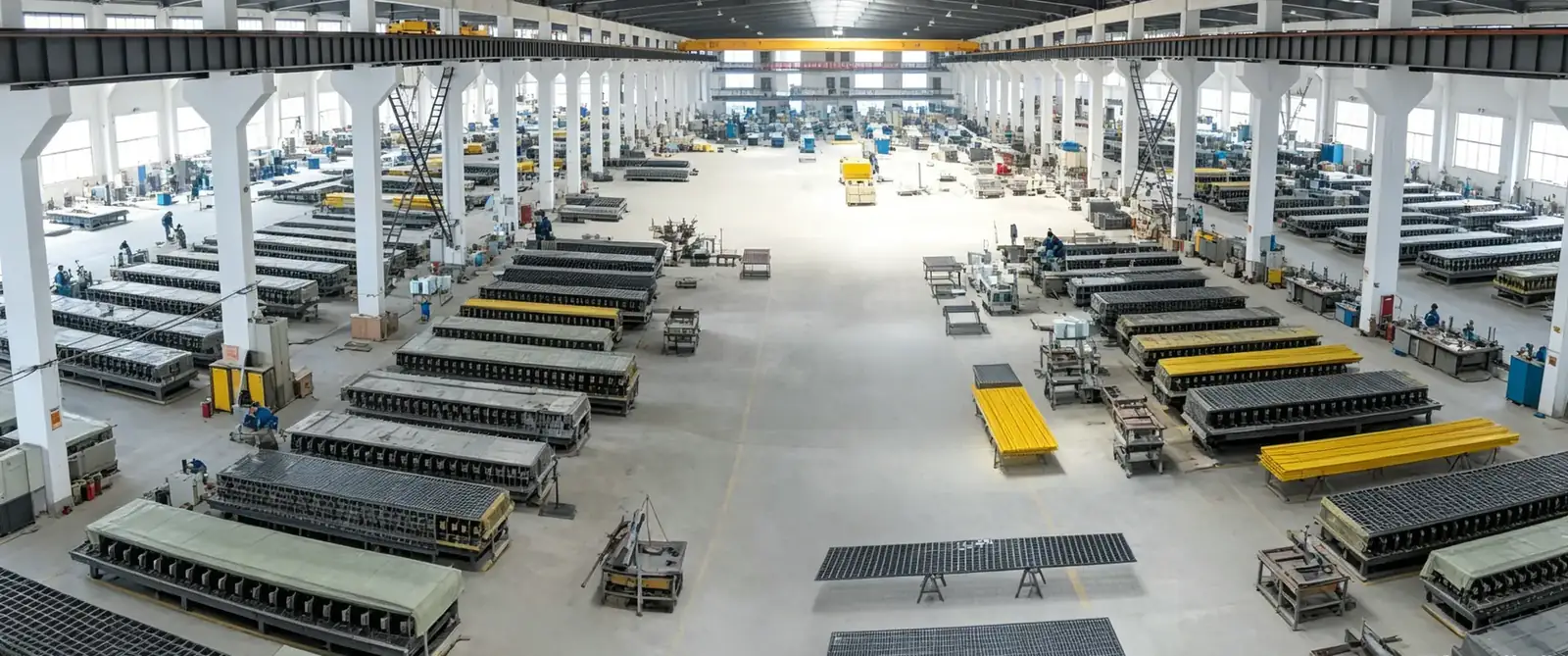
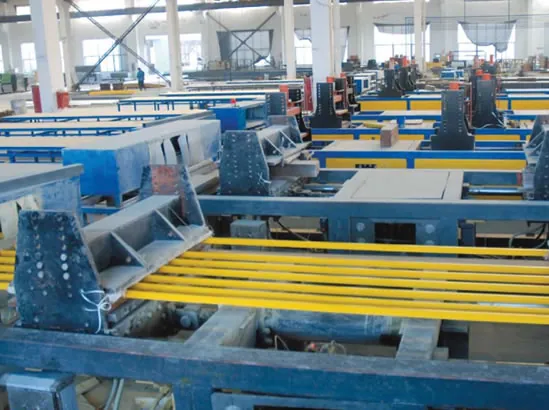
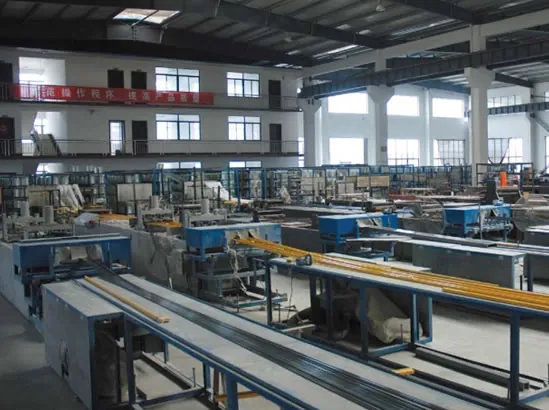
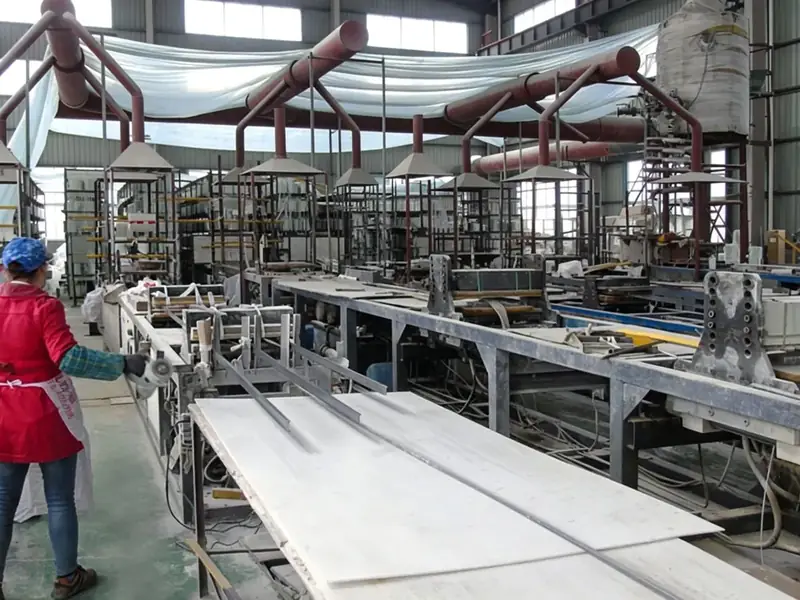
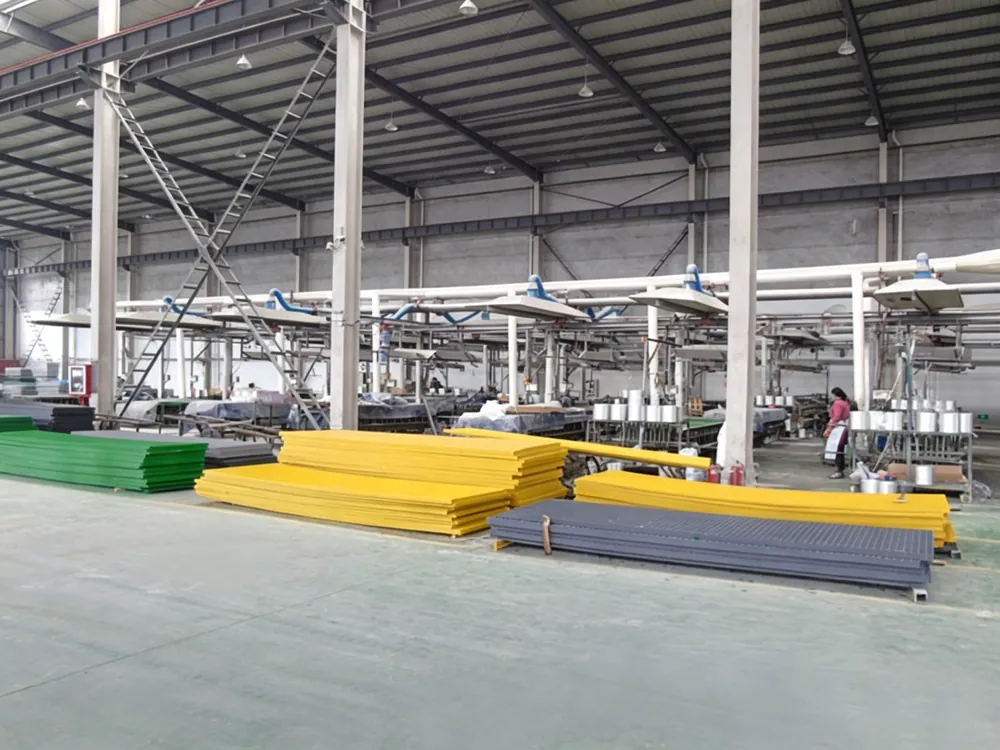
For these buyers, FRP/GRP grating provides a lightweight, corrosion-proof, non-sparking and non-slip walking surface that will not rust from coastal moisture or dock chemicals. As a direct fiberglass grating manufacturer, NANTONG ZEALL supplies Cartagena terminal operators, EPC contractors, logistics companies and plant owners with molded and pultruded panels, stair treads, solid covers and clips, with in-house engineering support and factory-direct pricing from USD 15–95 per square metre.
Routing to Cartagena: Trans-Pacific via the Panama Canal
Material from China reaches Cartagena on the China–Caribbean route. Vessels sail from Shanghai or Ningbo east across the Pacific, transit the Panama Canal, enter the Caribbean Sea and discharge at the Port of Cartagena, typically taking roughly 35–45 days port-to-port depending on canal passage, vessel schedule and any transshipment. From Cartagena, container and break-bulk cargo continues inland by highway to Bogotá and the Andean cities, and to the central Magdalena valley. We ship FOB Shanghai or Ningbo and can consolidate LCL cargo for smaller terminal, workshop and maintenance orders.
Clearance is processed by DIAN through a licensed Cartagena broker, who lodges the entry under the appropriate HS classification. DIAN assesses import duty and IVA at the prevailing rates; the standard Colombian IVA rate is 19%, and the exact duty figure depends on product code and origin, confirmed by your broker. We provide the commercial invoice, packing list, bill of lading and certificate of origin, and can prepare documents in the format Cartagena importers and logistics tenders require.
Cartagena & Coastal Industries Using FRP Grating
- Port & Container Logistics — terminal docks, container yards, warehouse aprons and loading platforms exposed to salt air and wash-down.
- Petrochemical & Chemical Storage — tank-farm access, process walkways and pipe racks facing acids, solvents and vapours.
- Ship Repair & Fabrication Yards — assembly platforms, repair bays and access stairs facing salt water and abrasive dust.
- Distribution & Cold-Storage Parks — mezzanine walkways, rack access and drainage gratings in port-adjacent logistics centres.
- Food & Seafood Processing — wash-down floors and trench covers in coastal processing and packaging halls.
- Coastal & Waterfront Infrastructure — promenade decks, pump stations and drainage structures facing estuary and sea air.
Salt Air, Humidity and UV on the Bolívar Caribbean Coast
Cartagena has a hot tropical climate with high relative humidity, trade-wind salt spray and strong year-round ultraviolet exposure, reinforced by sea breezes across the bay and occasional heavy rains in the rainy season. Terminal and warehouse operations add wash-down water, oils and mild detergents; chemical storage adds vapours and chlorides. A resin-rich surface veil and UV-stabilized resin limit chalking and fibre bloom under the Caribbean sun; gritted or concave surfaces retain grip when wet after wash-down or rain; and isophthalic polyester or vinyl-ester systems resist the damp, chloride-bearing environments that make steel gratings rust and shed scale. Because the composite does not corrode, it keeps terminal and dock walkways safe without recurring blast-and-paint maintenance.
Port, Terminal and Marine Walkway Requirements
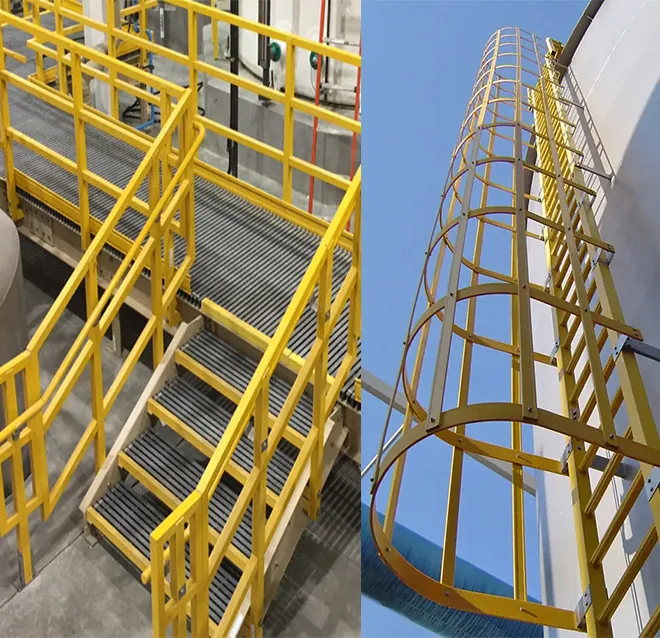
Port and marine walkways must combine slip resistance in wet and oily conditions, resistance to salt and wash-down, and enough structural capacity for pedestrians, hand trucks and occasional maintenance equipment. Panels are sized from published load and deflection tables for the actual support spacing and live load; gritted or concave surfaces provide anti-slip traction, and solid FRP covers protect channels, pipes and cable trenches on docks. Non-conductive composite treads and handrails support electrical safety in terminal lighting and pump areas. We supply resin compatibility guidance for salt water, detergents and any stored chemicals, and we can match mesh, thickness and panel size to the dock structure and traffic level.
Recommended Products for Cartagena Projects
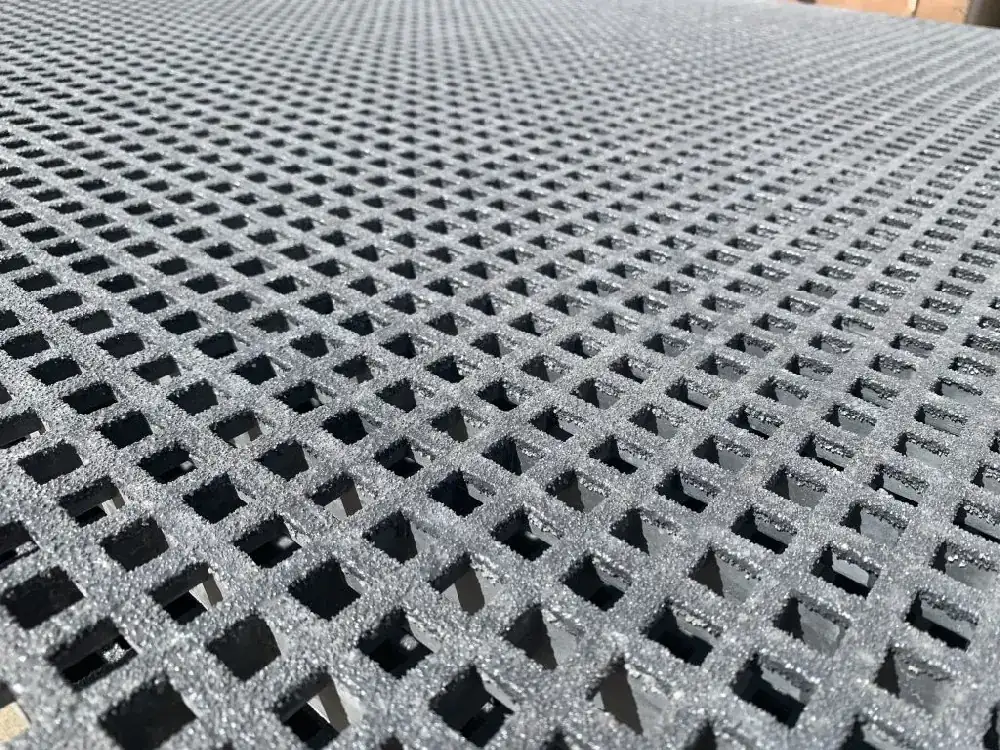
- 38 mm Molded FRP Grating — bidirectional strength for terminal walkways and warehouse aisles, gritted or concave surface.
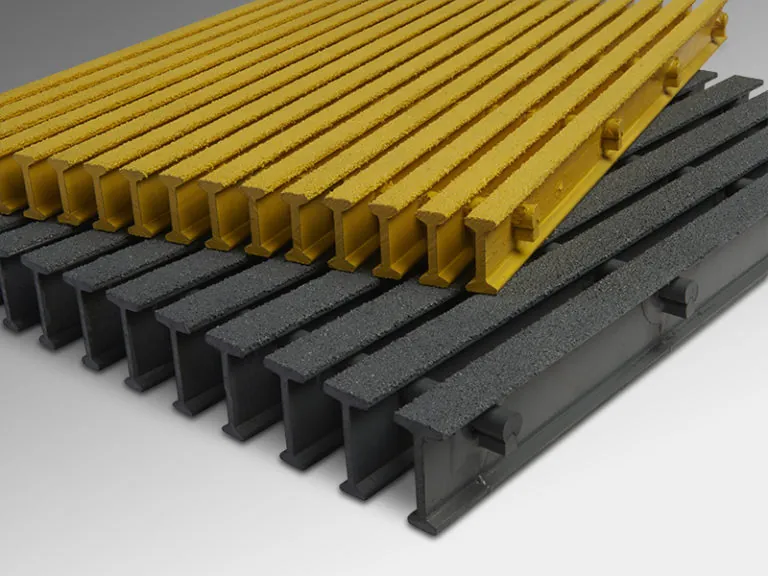
- 50 mm Pultruded FRP Grating — long-span dock platforms, pipe racks and heavy-duty yard structures.
- Vinyl-Ester Resin Grating — chemical storage and salt-water service zones exposed to acids and chlorides.
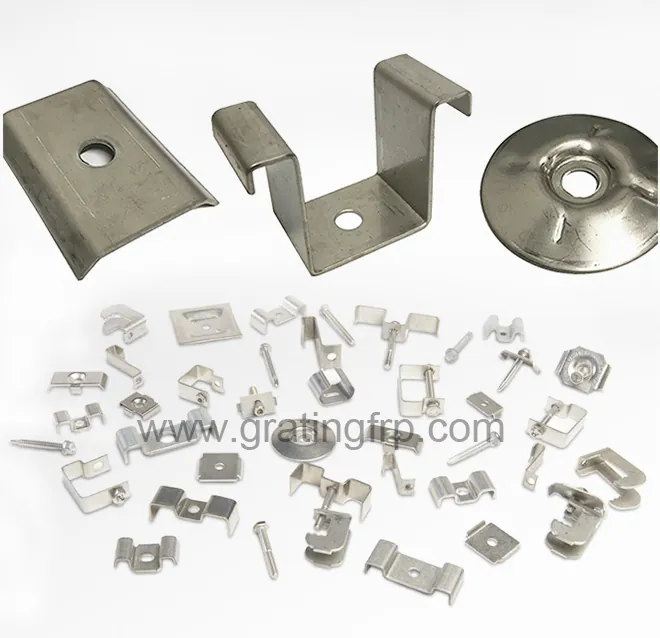
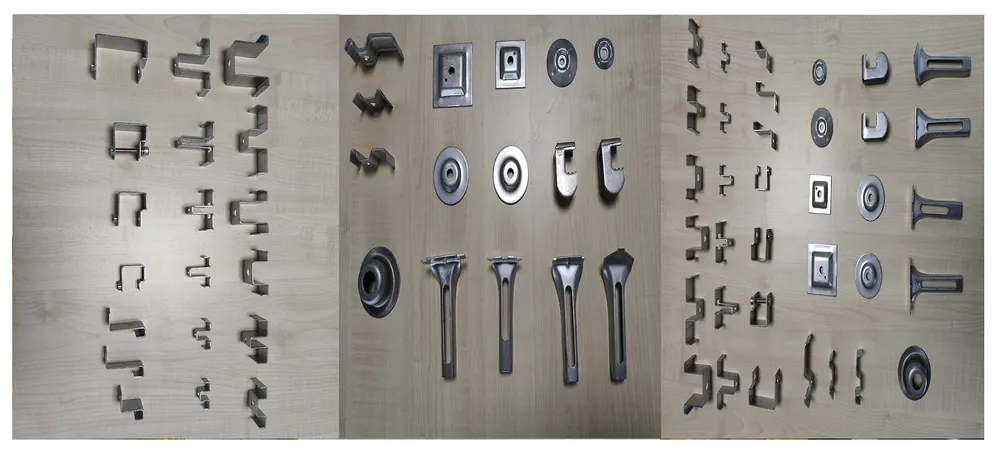
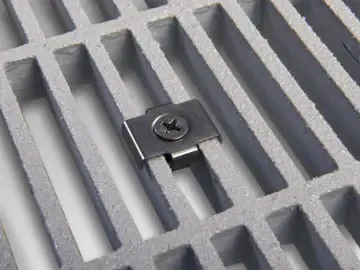
- FRP Stair Treads & Trench Covers — anti-slip nosing treads and watertight channel covers with M/C/L clips.
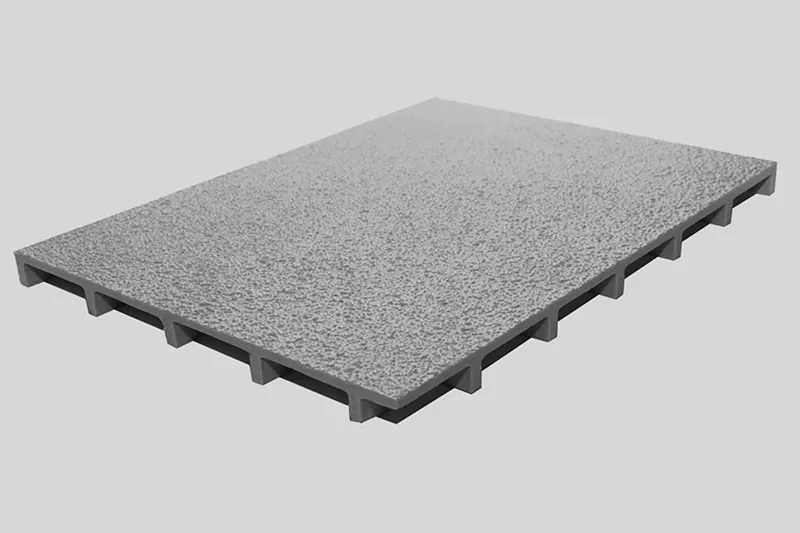
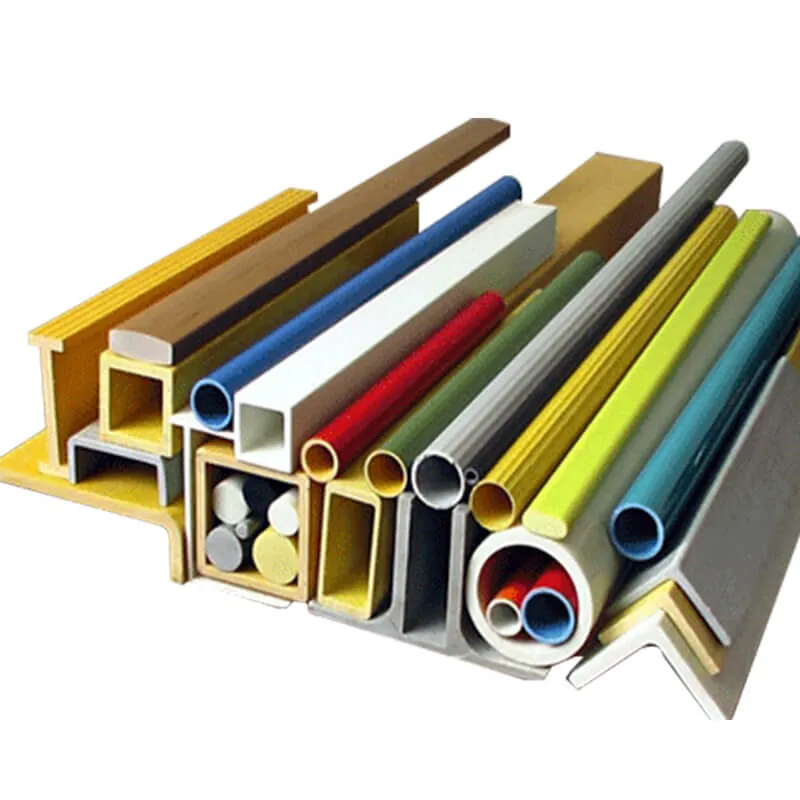
- Solid FRP Covers & Profiles — tank and trench covers plus composite handrails for docks and platforms.
Why Cartagena Buyers Source Direct from ZEALL
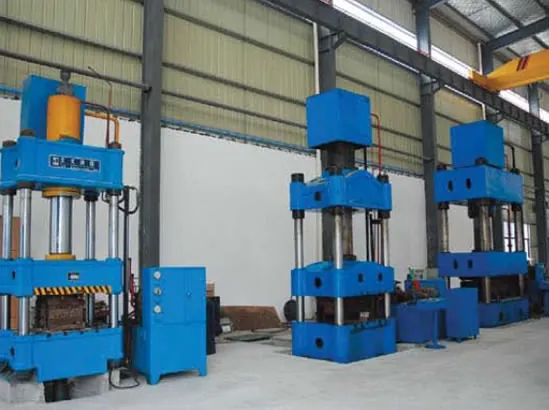
Since 2004, our factory has reached 45+ countries with 200+ employees and 541 reviews averaging 4.9/5. Direct factory supply avoids the layered margins common in Caribbean trading, while our engineering team assists with resin choice, panel layout and load calculations at no extra cost. Standard panels are produced in 15–25 days, with overall delivery of 12–36 working days including sea transit and DIAN clearance; the minimum order is 10 m². One WhatsApp sales line keeps quotes, samples and order tracking simple for Cartagena and the Bolívar coast.
For a terminal apron extension, a warehouse mezzanine or a chemical-storage walkway package, we match panel size, mesh and surface to the loading and salt exposure on site, and align the cut list to your dimensions before production starts.
Frequently Asked Questions
Yes. Container or LCL cargo transits the Panama Canal to Cartagena in roughly 35-45 days port-to-port. We supply the invoice, packing list, bill of lading and certificate of origin your DIAN broker needs for clearance.
- Colombia FRP Grating Supplier
- Cartagena (this page)
- Bogota
- Barranquilla
- Oil Gas