La Paz: The Highland Administrative Capital Around 3,600 Metres
La Paz (formally Nuestra Señora de La Paz) sits wedged into a steep Andean canyon at roughly 3,600 metres above sea level, a setting that places it among the highest administrative capitals on Earth. The adjoining plain city of El Alto spreads across the cold Altiplano shoulder above the canyon rim, and the two are linked by the Mi Teleférico cable-car network, an Aymara-majority urban landscape strung between rim and valley. Sucre remains the constitutional capital; La Paz concentrates the national government, public bodies, engineering and trade offices, pharmaceutical and food-processing works, light machinery and assembly, construction-material yards, and the municipal water and drainage services serving this high-altitude conurbation.
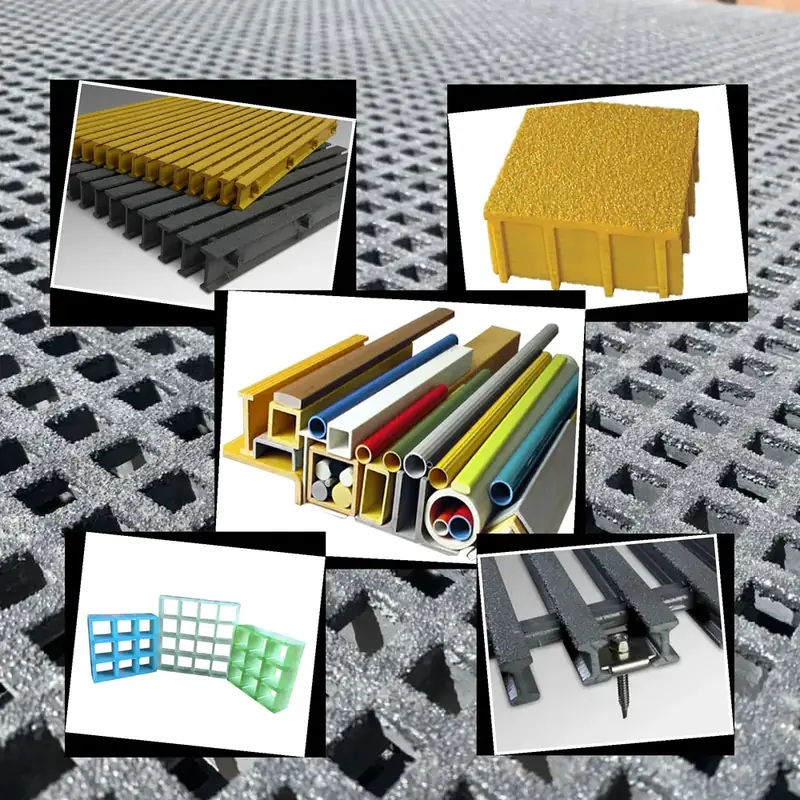
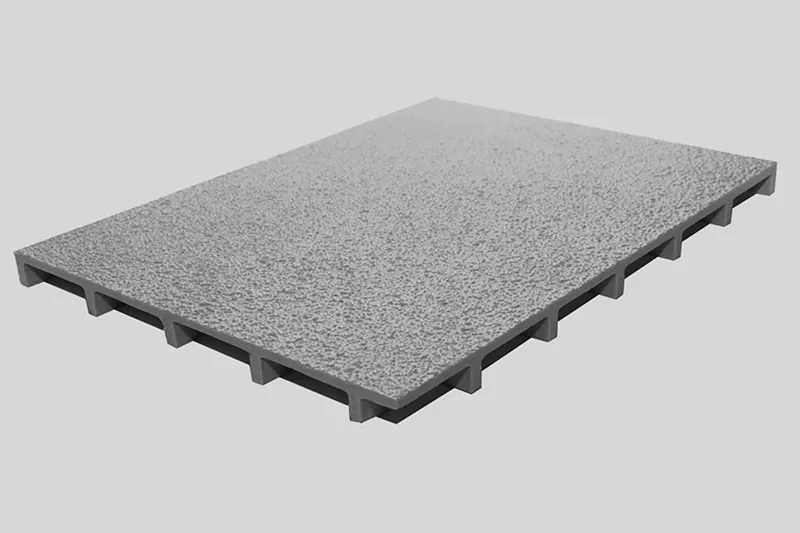
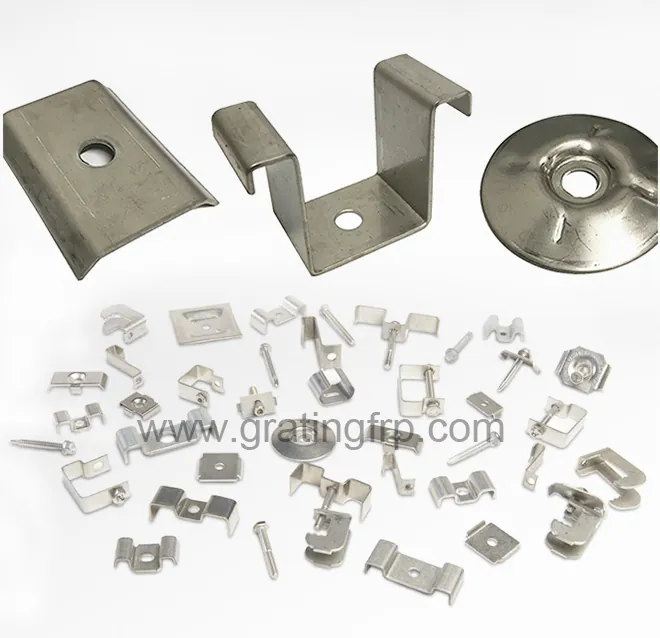
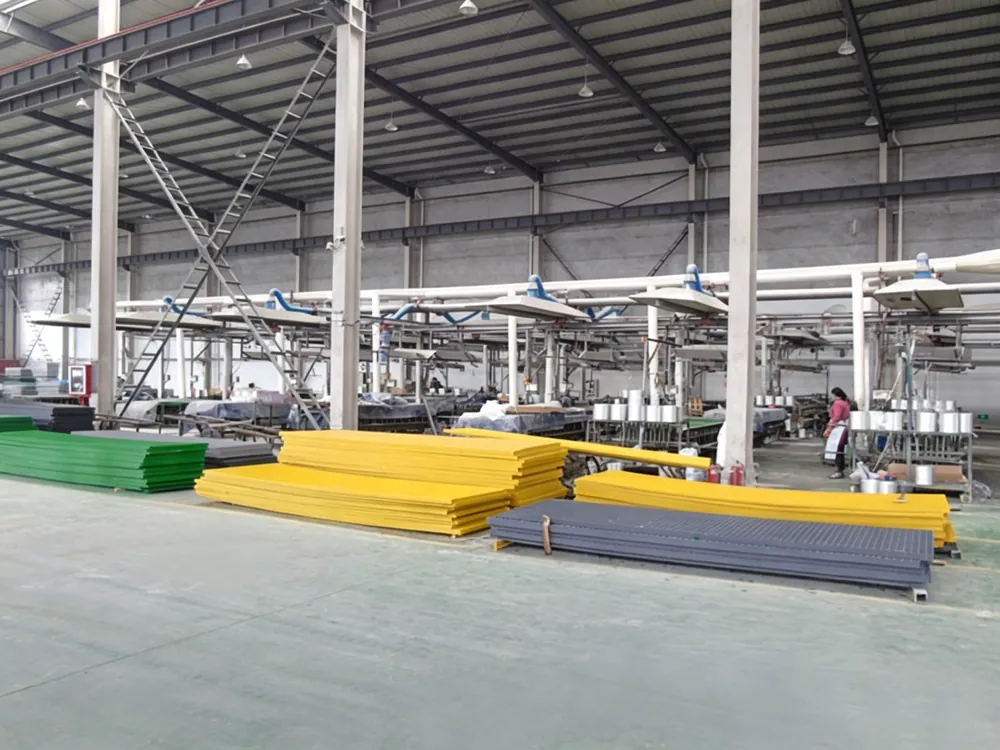
Because the city lies behind the cordillera, beyond any coastline, imported grating does not arrive through a domestic port: it feeds in overland from Pacific terminals rather than a national quay. For these highland buyers, the FRP/GRP grating offers a light, non-rusting, non-conductive platform surface for process halls, equipment decks, mezzanines and access stairs where steel would suffer thin-air condensation, wash-down chemicals and the cold, dusty plateau wind. As a direct fiberglass grating manufacturer, NANTONG ZEALL supplies La Paz and El Alto engineering firms, EPC contractors, plant owners and utilities with molded and pultruded panels, stair treads, solid covers and clips, supported by in-house engineering and factory-direct pricing from USD 15–95 per square metre.
How Grating Reaches La Paz: Feeder Through Arica, Iquique and El Alto
Because La Paz is inland and high, imported grating first reaches a coastal port and then moves overland. The traditional and most direct outlet for the La Paz corridor is the northern Chilean port of Arica, linked to El Alto and La Paz by road and rail; cargo may also discharge at Iquique or Antofagasta in Chile, or at Peruvian terminals such as Matarani or Ilo, before continuing across the border to the Altiplano. The sea leg from Shanghai or Ningbo is typically approximately 35–45 days port-to-port depending on canal passage and vessel schedule, after which inland haulage climbs toward the highland city. La Paz’s international airport handles urgent spare parts and samples, but bulk grating moves by sea and road. We ship FOB Shanghai or Ningbo and can consolidate LCL cargo for refurbishment and expansion packages.
Import clearance goes through the Aduana Nacional de Bolivia and a licensed La Paz or border broker under the appropriate HS code. The customs authority assesses duty and IVA — the standard Bolivian IVA rate is 13% — at prevailing rates, with the exact duty determined by product code, origin and any applicable trade treatment, confirmed by your broker. We provide the commercial invoice, packing list, bill of lading and certificate of origin, and can align documentation to La Paz EPC and municipal tender requirements.
La Paz & Altiplano Industries Using FRP Grating
- Pharmaceuticals & Chemicals — clean and process walkways, acid and reagent areas and equipment decks in highland plants.
- Food, Beverage & Dairy — wash-down floors, trench covers and drainage gratings in sanitation-critical processing halls.
- Mining Services & Mineral Processing — workshops, ore-handling decks and reagent supply areas linked to the Potosí and Oruro mining belt.
- Construction Materials & Cement — conveyor galleries, storage platforms and access stairs facing alkaline dust.
- Water & Wastewater Utilities — treatment plants, pumping stations and clarifier bridges facing moisture and corrosive gases.
- Machinery, Assembly & Logistics Depots — mezzanine walkways, rack access and maintenance platforms in industrial parks and border depots.
High Altitude, Cold Nights, UV and Thin Air Performance
The La Paz–El Alto basin combines a canyon inversion with open plateau exposure. Nighttime temperatures on the El Alto rim often drop toward freezing, while canyon mornings warm under a thin, oxygen-poor atmosphere that intensifies solar radiation: at about 3,600 m the ultraviolet load and glare are markedly stronger than at sea level, and the diurnal swing between cold night and bright sun is unusually wide. The dry plateau air itself limits atmospheric rust, yet wash-down bays, condensation on cold deck surfaces, boiler rooms and water works sustain continuous moisture, while food and dairy halls add organic residues and detergents. A resin-rich surface veil and UV-stabilized formulation are specified to resist this high-elevation sunshine and courtyard exposure; gritted or concave surfaces keep traction on damp canyon decks; and isophthalic or vinyl-ester grades are selected where acids, organic residues or chlorides appear in chemical and food service. The composite will not rust, so elevated mezzanines and long platform runs avoid periodic repainting, and its low weight simplifies lifting and bolting on sites reached by mountain road or cable-car-adjacent access.
Structural Sizing for High-Level Platforms and Stair Towers
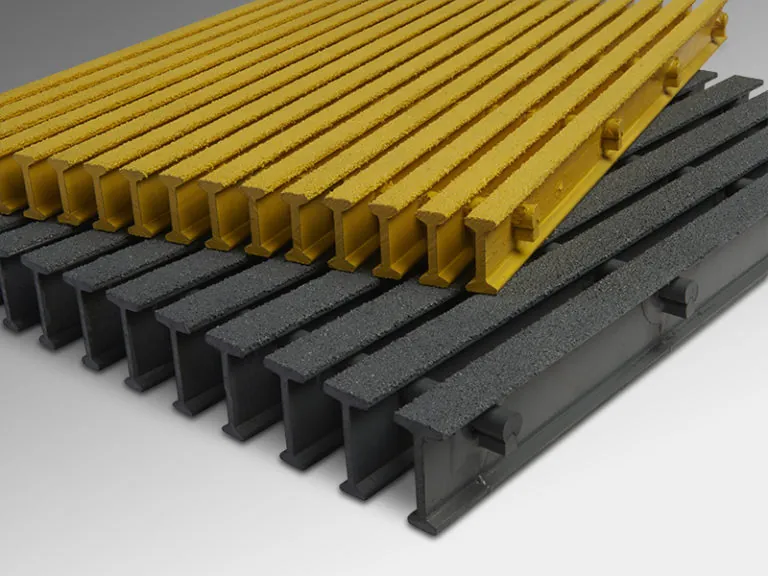
Between the El Alto plain and the steep canyon terraces of La Paz, plant decks often span production lines, tank rows and mezzanines at two distinct elevations, where panel weight directly affects the rim-side steel or concrete frames reached by switchback road or near cable-car access. Pultruded panels carry high uni-directional capacity along the span for these long rim walks and pipe racks; molded panels offer bi-directional strength for square yard platforms and general aisles on the El Alto plain. We size each panel against published load and deflection tables for the actual support spacing and live load, and review spans with your engineer before the specification is fixed. Because the composite is non-conductive, grating paired with composite handrails also supports electrical safety around motors, control panels and substation equipment at these highland sites.
Recommended Products for La Paz Projects
- 50 mm Pultruded FRP Grating — long-span mezzanines, pipe racks and heavy-duty equipment platforms inland.
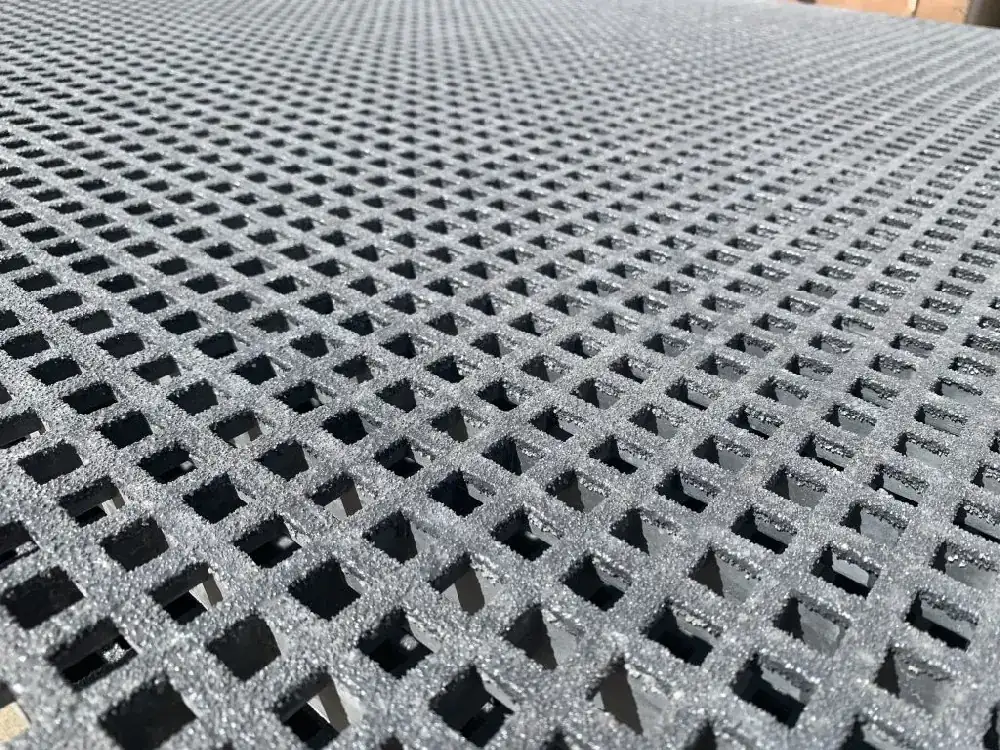
- 38 mm Molded FRP Grating — bidirectional walkways and plant aisles, gritted or concave surface.
- Isophthalic Polyester Grating — food, dairy and wash-down halls facing moisture and mild organic acids.
- Vinyl-Ester Resin Grating — chemical and reagent areas exposed to acids and solvents.
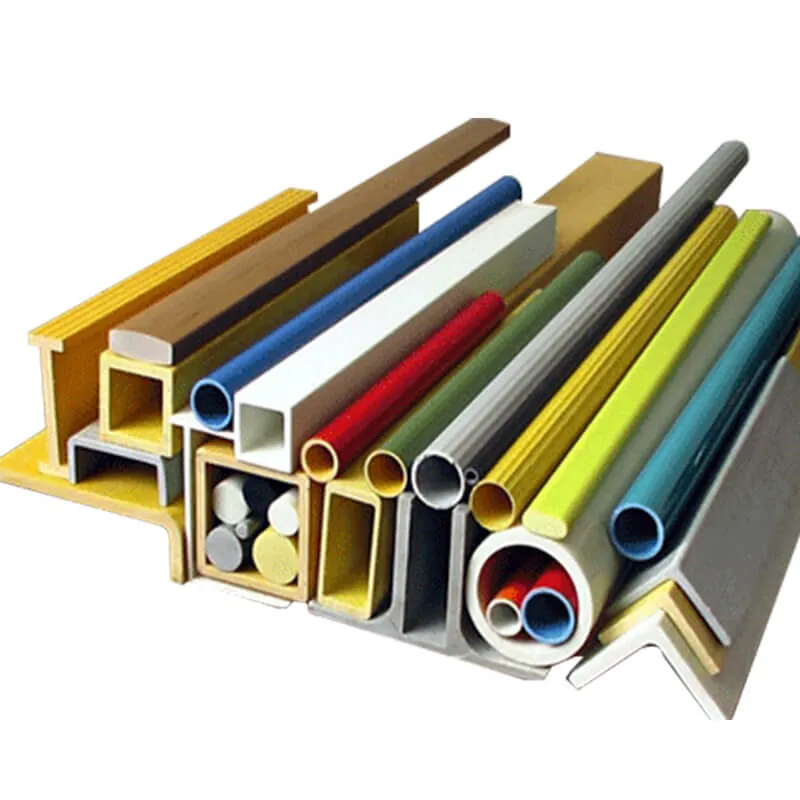
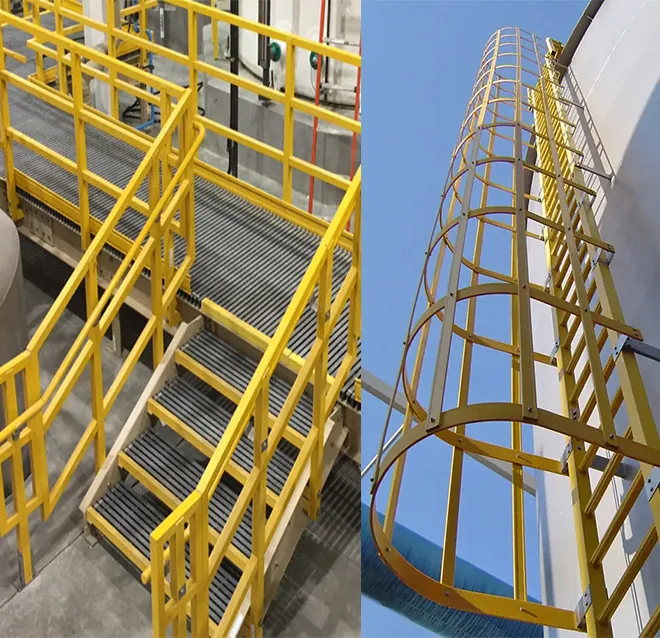
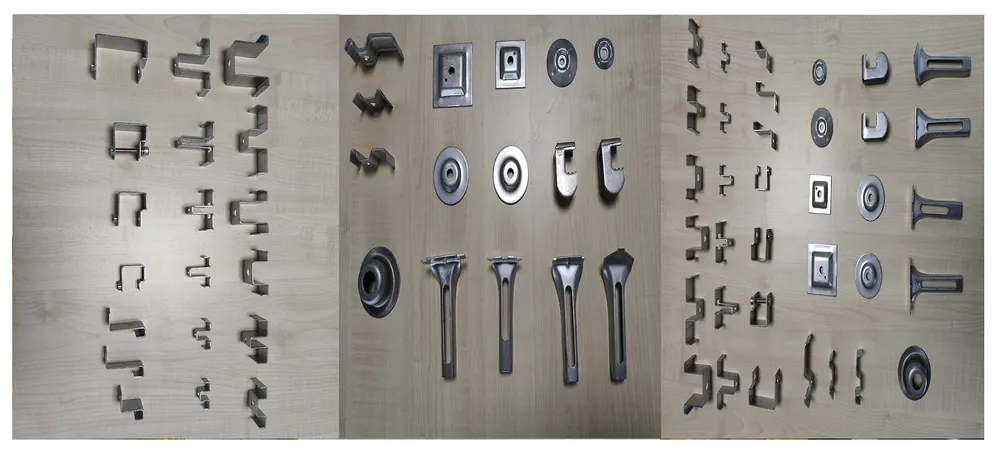
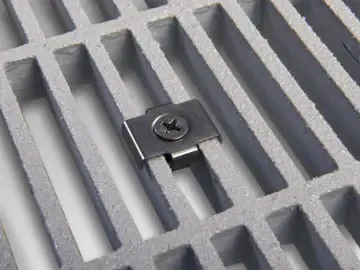
- FRP Stair Treads, Covers & Handrails — anti-slip treads, sealed trench covers and composite guardrails.
Why La Paz Buyers Source Direct from ZEALL
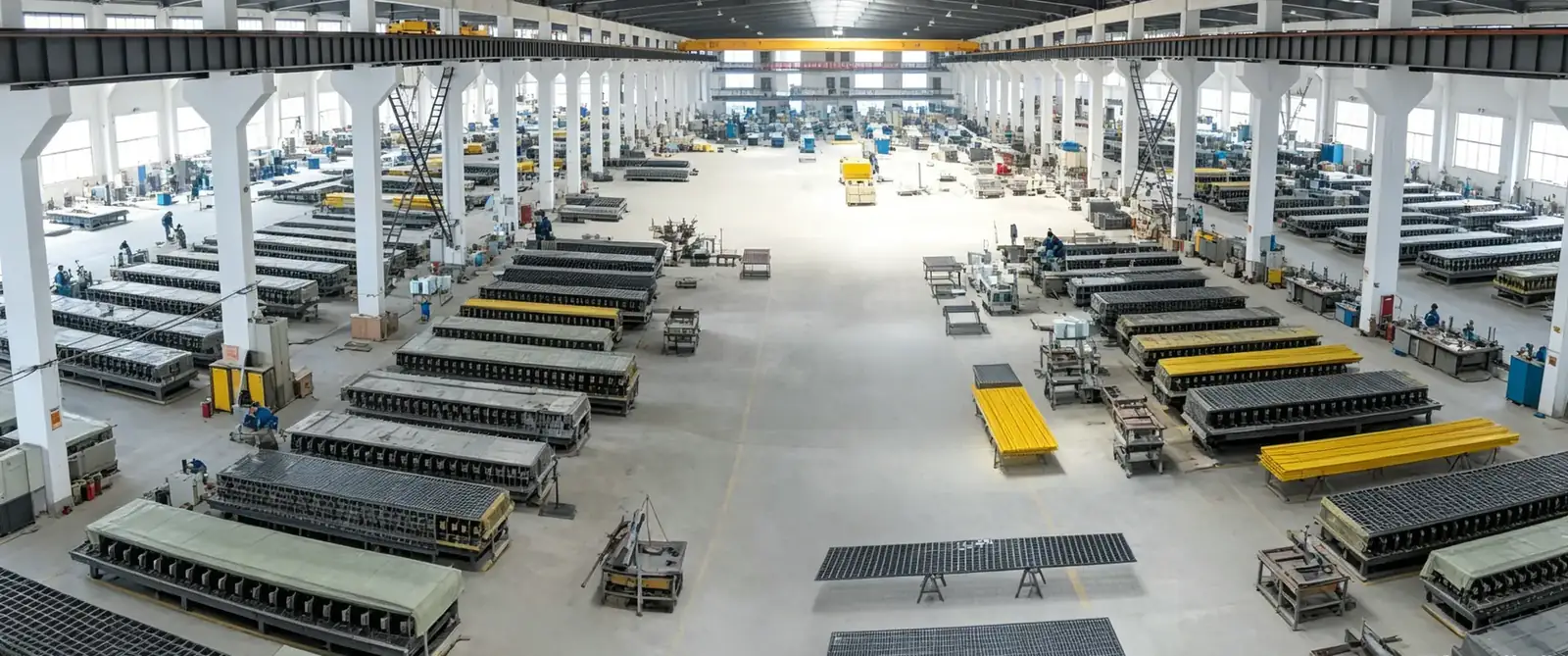
Operating since 2004, NANTONG ZEALL now has 200+ employees, exports to 45+ countries and holds 541 customer reviews at 4.9/5 average. Direct factory sourcing removes intermediary margins while retaining full engineering control over resin, panel layout and load calculations, which our team provides free of charge. Standard gratings are produced in 15–25 days, overall delivery is 12–36 working days including freight and Aduana clearance, and the minimum order is 10 m². A single WhatsApp line and sales email keep quoting, samples and tracking simple for La Paz, El Alto, Cochabamba and the plateau.
From a replacement grating run on an existing processing platform to the complete walkway, tread and cover package for a new pharmaceutical or food unit, we review the support spacing, load case and chemical exposure with your engineer before recommending a specification, and we tailor the bill of materials to your drawings.
Frequently Asked Questions
Yes. Cargo discharges at Arica (the traditional La Paz corridor outlet), Iquique or Antofagasta, or at Peruvian Matarani or Ilo, then continues overland by road or rail to the Altiplano. We provide the documentation your Aduana broker needs for clearance.
- Bolivia FRP Grating Supplier
- La Paz (this page)
- Santa Cruz
- Mining