Weight Comparison
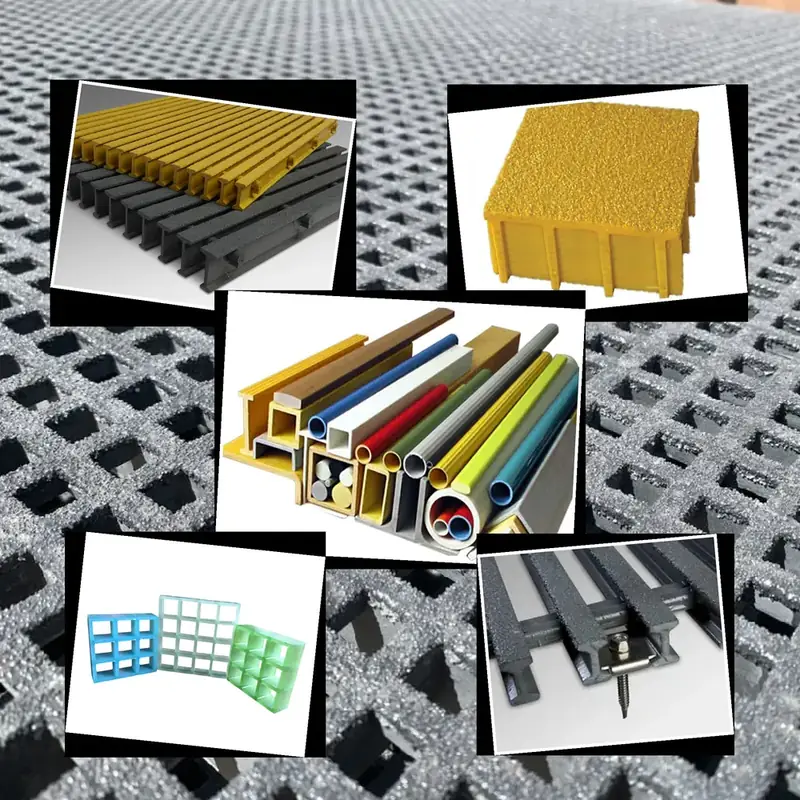
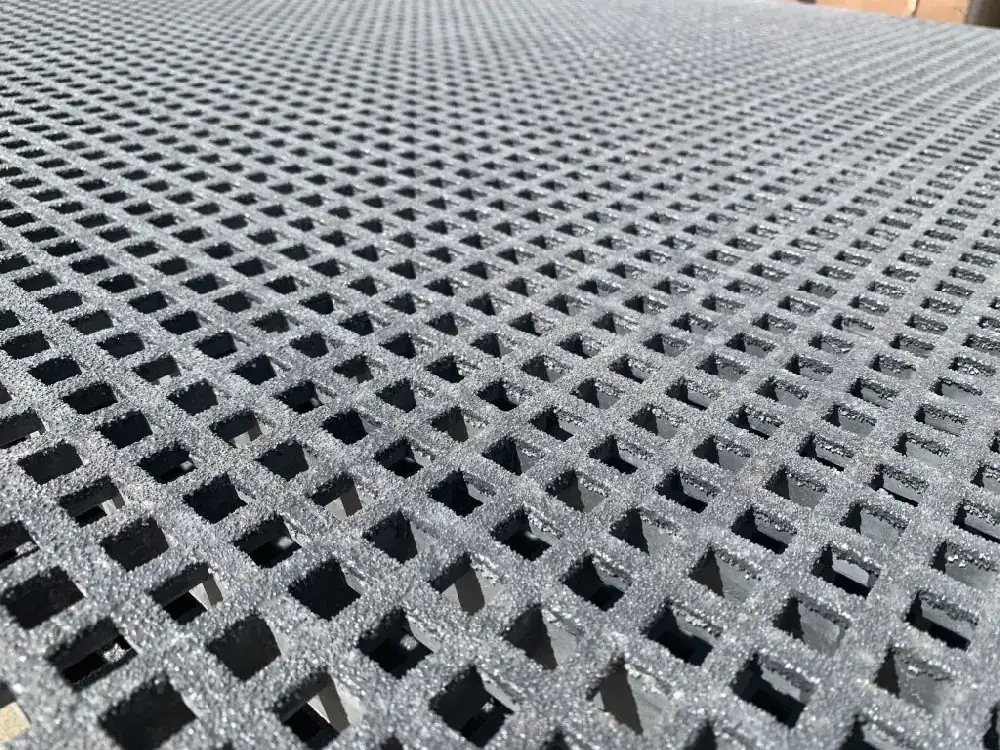
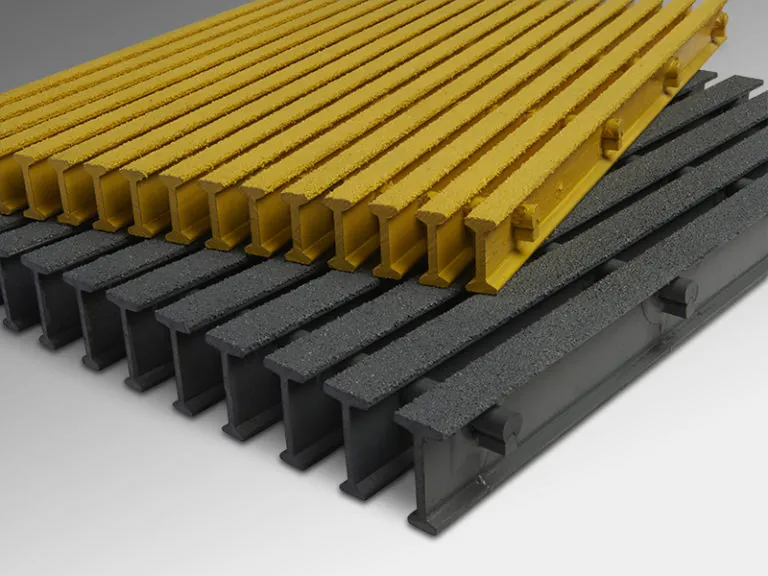
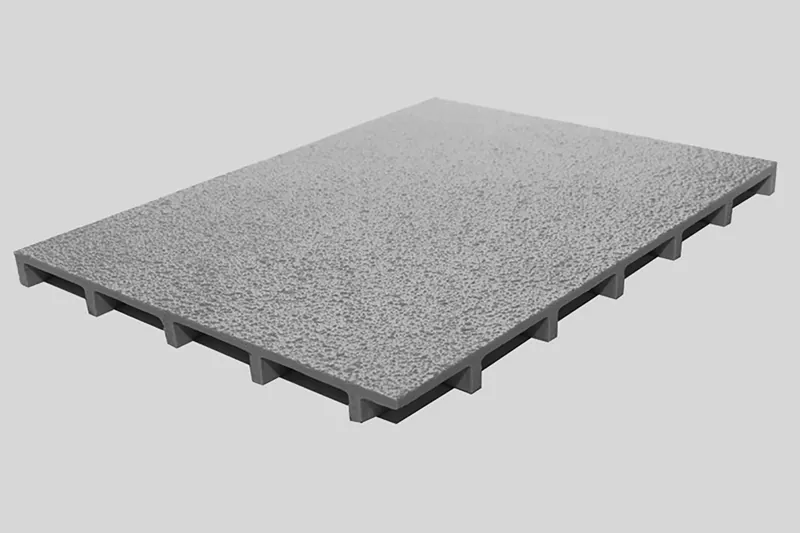
FRP grating weighs 12 to 35 kg/m2 depending on thickness, while aluminum grating weighs 30 to 45 kg/m2. FRP is approximately 40 to 50 percent lighter than aluminum for equivalent load capacity. This weight advantage reduces shipping costs, allows one-person installation, and lowers dead load on supporting structures.
Corrosion Resistance
Aluminum resists atmospheric corrosion but oxidizes and pits in saltwater, acidic, and alkaline environments. It requires anodizing or powder coating for harsh conditions, and even then, galvanic corrosion occurs when aluminum contacts dissimilar metals. FRP grating is inherently corrosion-resistant: vinyl ester resin withstands strong acids, alkalis, and solvents; polyester handles moderate chemical exposure. FRP never rusts, pits, or requires protective coatings.
Cost Comparison
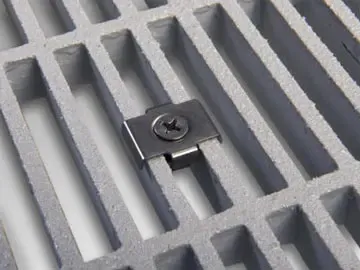
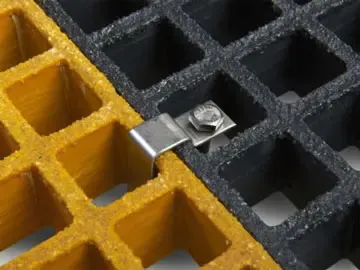
Aluminum grating has a higher initial material cost than FRP, typically 20 to 40 percent more per square meter. Aluminum also requires more expensive fabrication (welding, anodizing) and specialized tools. FRP cuts with standard woodworking tools and installs with simple clips. Over the lifecycle, FRP costs significantly less due to zero maintenance, no painting, and 25-plus year lifespan vs 10 to 15 years for aluminum in corrosive environments.
Strength and Load Capacity
Aluminum has higher tensile strength and modulus of elasticity than FRP, meaning it deflects less under load. However, FRP grating is engineered with sufficient thickness and fiber orientation to meet required load capacities. For walkways, platforms, and trench covers, FRP provides adequate strength at a fraction of the weight. Aluminum is preferred for very long spans or high point loads where stiffness is critical.
Thermal and Electrical Properties
FRP is non-conductive electrically, making it ideal for electrical substations, power plants, and areas with high-voltage equipment. Aluminum is an excellent conductor, creating electrocution hazards near electrical equipment. FRP also has lower thermal conductivity, reducing condensation and freeze-thaw issues in cold climates. Aluminum conducts heat rapidly, becoming too hot to touch in direct sunlight.
Best Applications
Choose FRP for: chemical plants, wastewater treatment, offshore platforms, food processing, electrical facilities, and any corrosive environment. Choose aluminum for: architectural applications, decorative grating, very long unsupported spans, and environments requiring maximum stiffness with moderate corrosion. ZeAllgrate engineers can help specify the right material for your project.
Frequently Asked Questions
La rejilla FRP (plástico reforzado con fibra de vidrio) es una rejilla compuesta moldeada o pultruida utilizada para pasarelas, plataformas y suelos resistentes a la corrosión. Combina fibra de vidrio con resina termoestable (poliéster, viniléster, epoxi) para una relación resistencia-peso superior, cero oxidación y más de 20 años de vida útil.