Raw Materials: Resin and Glass Fiber
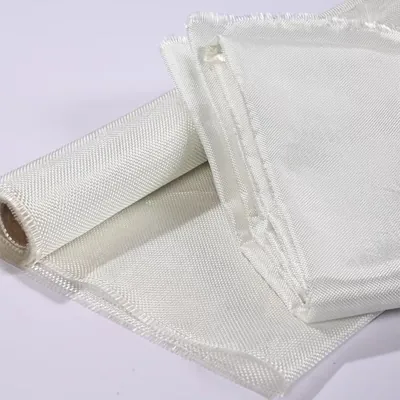
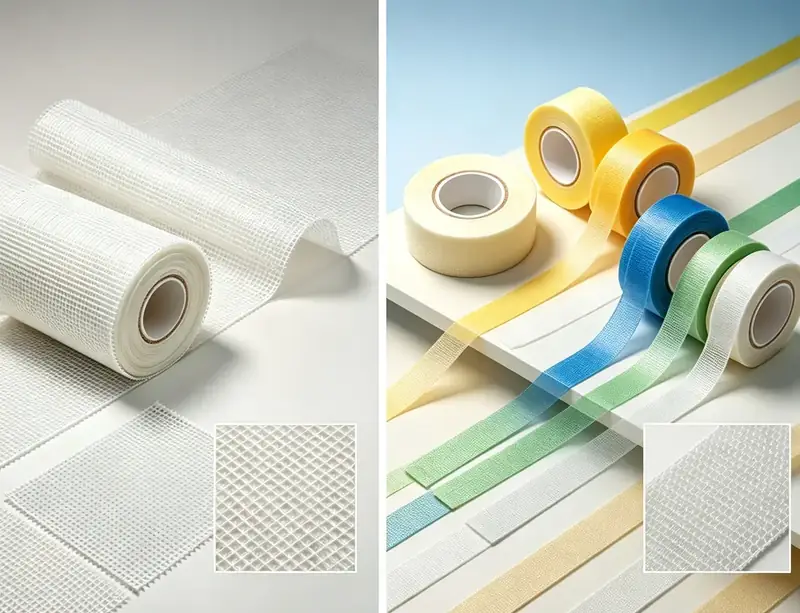
FRP grating manufacturing begins with thermoset resin (orthophthalic polyester, isophthalic polyester, vinyl ester, or phenolic) mixed with catalysts, accelerators, UV inhibitors, and pigment. E-glass continuous strand roving or glass fiber mat provides structural reinforcement, comprising 30 to 40 percent of finished weight.
Molded Grating Production
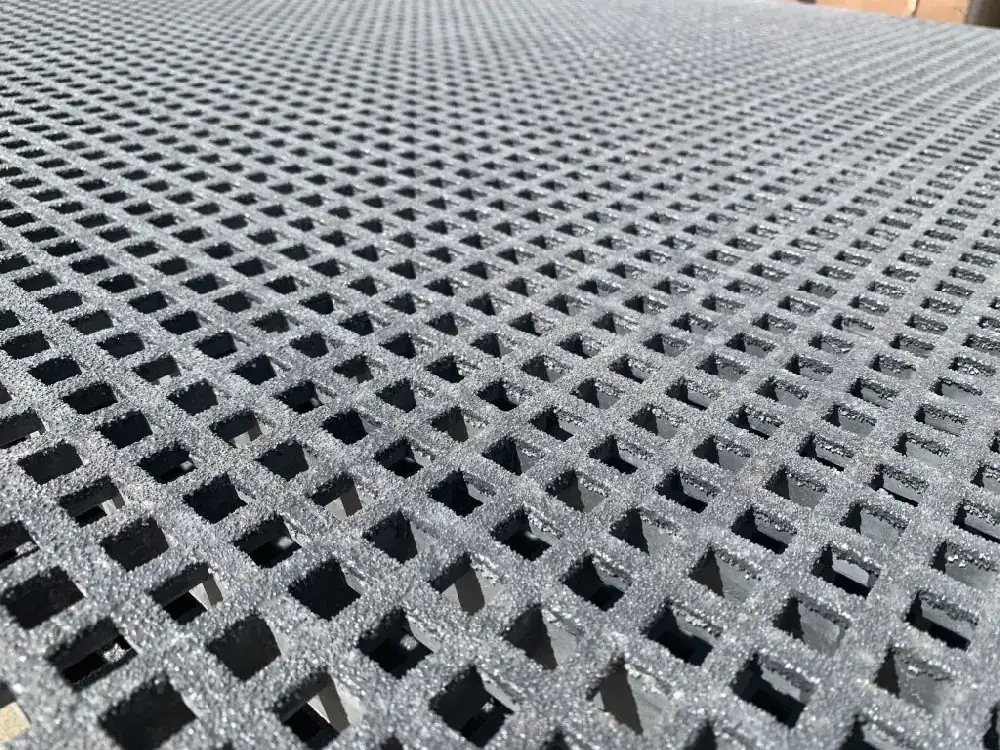
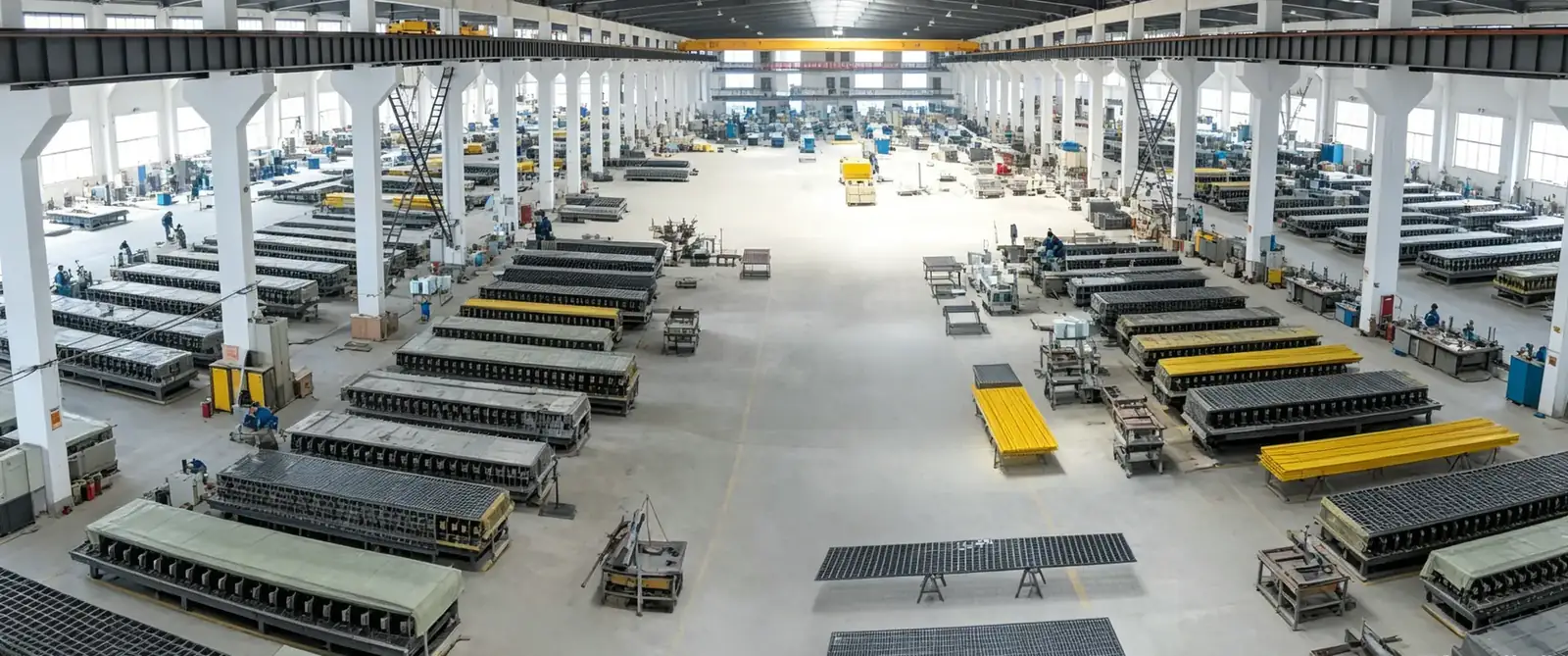
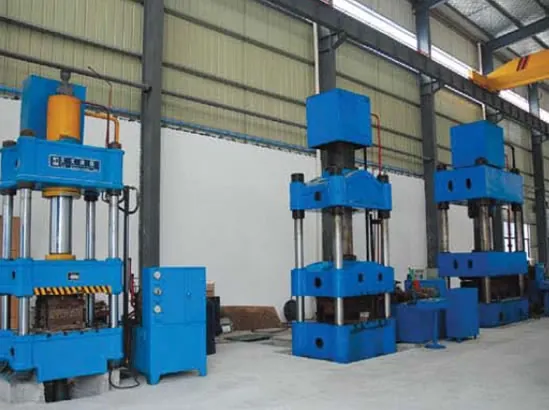
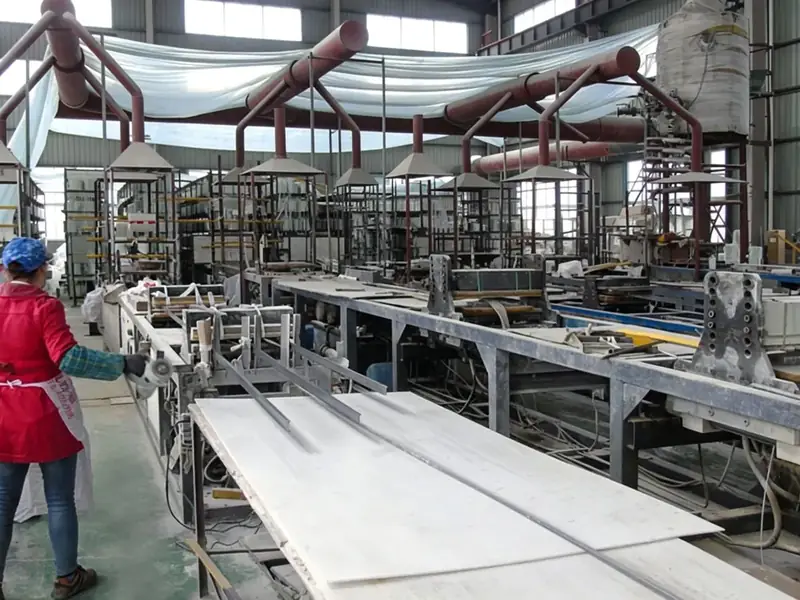
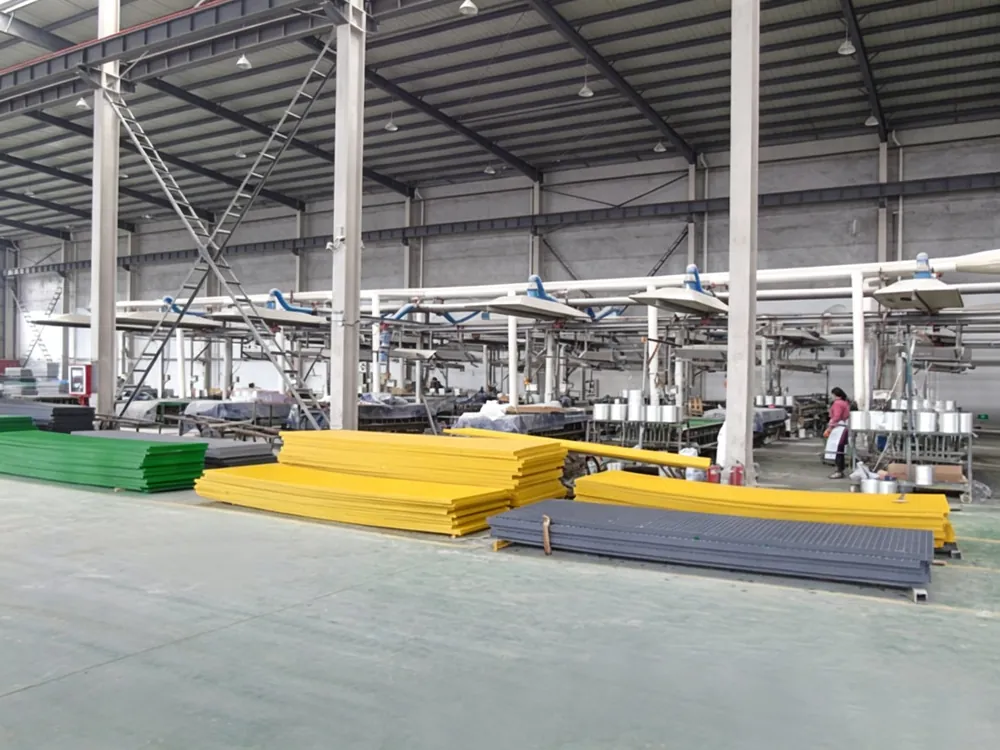
Glass fiber rovings are wound in alternating crisscross layers across the mold cavity to form a bi-directional reinforcement grid. Resin is poured or injected, saturating fibers through vibration and vacuum. The mold is heated to 60 to 80 degrees Celsius, curing in 30 to 60 minutes depending on resin and thickness.
Pultrusion Process
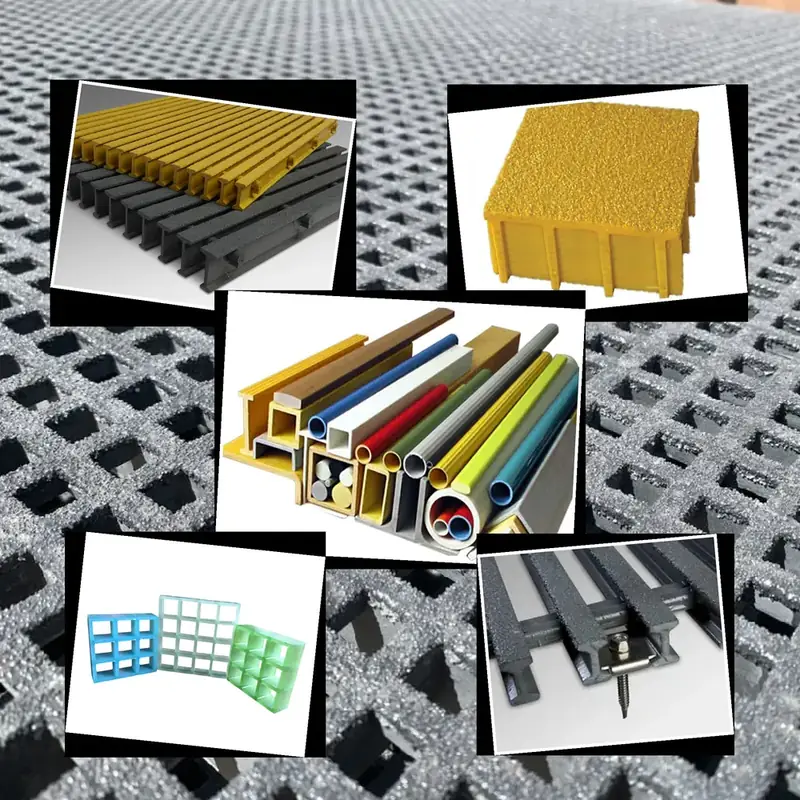
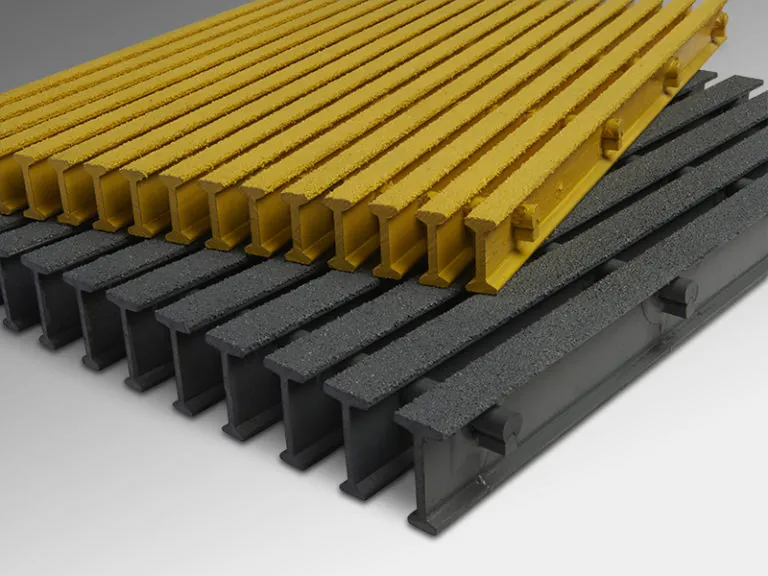
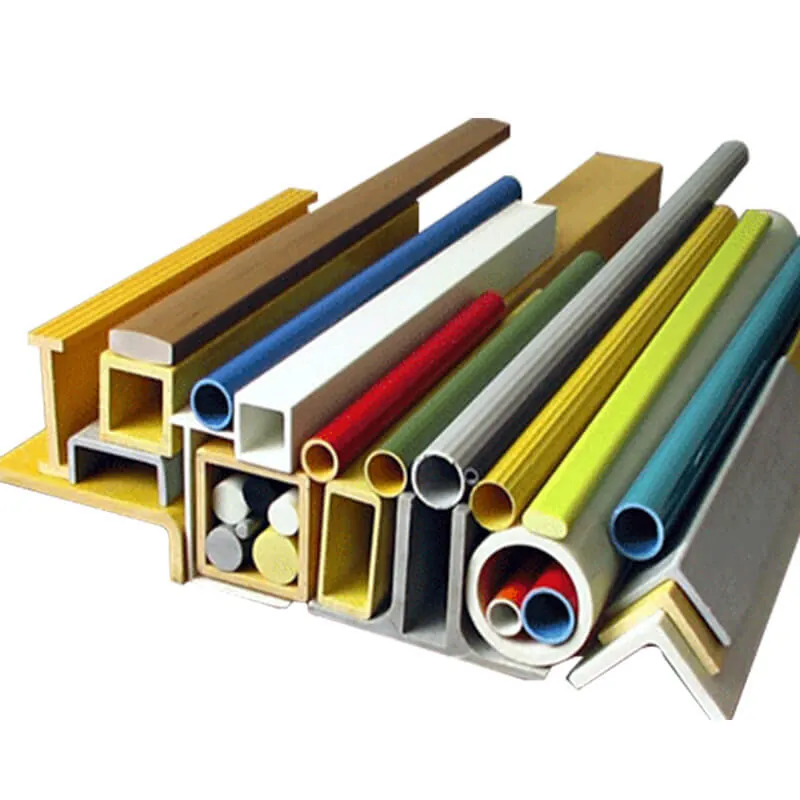
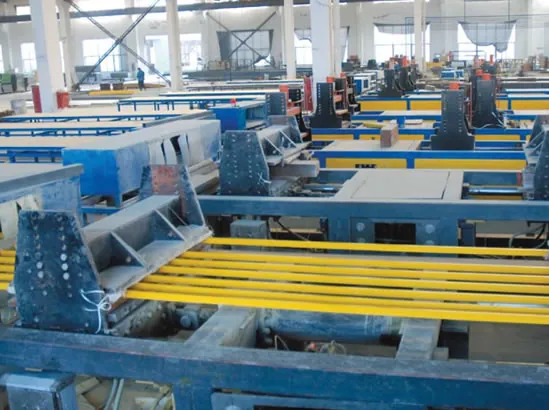
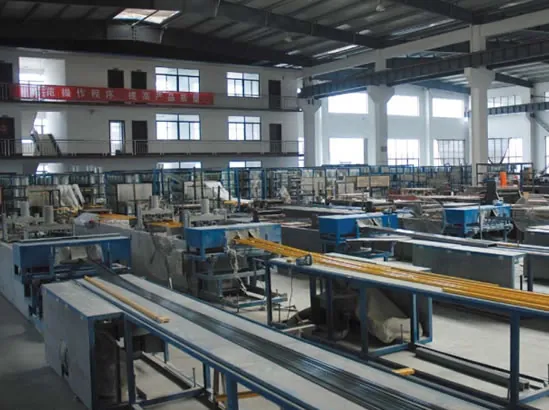
Continuous glass rovings are pulled through a resin bath, then through a heated steel die shaping I-bar, T-bar, or rectangular profiles. The die maintains 120 to 180 degrees Celsius in multiple zones, pulling at 0.5 to 2 meters per minute. Cured profiles are cut to length and assembled with cross-rods and adhesive.
Curing, Finishing, and Quality Control
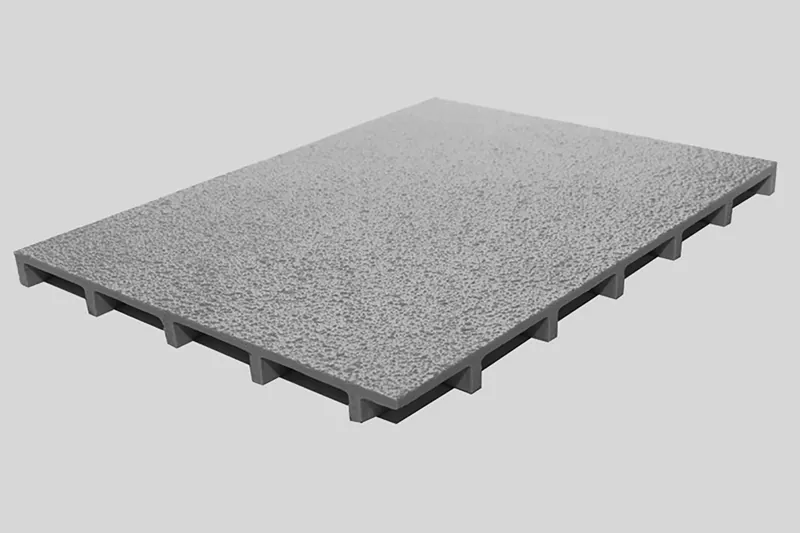
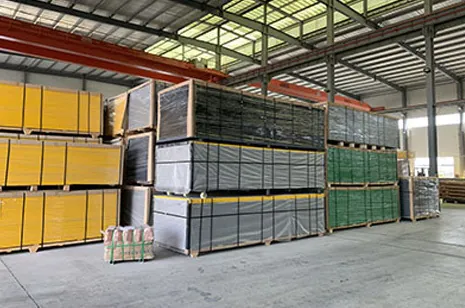
Demolded panels post-cure at 80 to 100 degrees for 4 to 8 hours to complete cross-linking. Finished panels are trimmed, inspected, and tested for bar shear strength and stiffness. Resin burn-off tests verify glass content. ZeAllgrate maintains ISO 9001 quality with batch traceability from raw material to shipment.
Frequently Asked Questions
La rejilla FRP (plástico reforzado con fibra de vidrio) es una rejilla compuesta moldeada o pultruida utilizada para pasarelas, plataformas y suelos resistentes a la corrosión. Combina fibra de vidrio con resina termoestable (poliéster, viniléster, epoxi) para una relación resistencia-peso superior, cero oxidación y más de 20 años de vida útil.